

Quinta de San Pedro Alejandrino
About Quinta de San Pedro Alejandrino
Last modified August 17, 2026
Description
The Quinta de San Pedro Alejandrino stands as one of Colombia’s most historically significant estates, drawing visitors from around the world who seek to walk in the footsteps of Latin American liberation. This colonial hacienda, constructed way back in 1608, served as the final residence of Simón Bolívar, the revolutionary leader whose dreams of a united South America still echo through these grounds today. When you step onto this property in Santa Marta, you’re not just visiting another tourist spot—you’re entering a place where history literally breathed its last.
The estate sprawls across beautifully maintained grounds that blend history, art, and nature in ways that feel surprisingly intimate despite the number of visitors it receives. I remember my first visit here, expecting something sterile and museum-like, but what I found was this living, breathing space where botanical gardens flourish alongside historical artifacts. The air smells different here, thick with the scent of tropical plants and the weight of stories that refuse to fade.
What makes this place remarkable is how it manages to serve multiple purposes without losing focus. It’s simultaneously a history museum, an art gallery, a botanical garden, and a memorial to one of history’s most fascinating revolutionary figures. Bolívar arrived here in December 1830, already dying, seeking rest in the tropical warmth of Colombia’s Caribbean coast. He spent his final days in this hacienda, and the rooms have been preserved to give visitors an authentic glimpse into those last seventeen days of his life.
The main house, with its classic colonial architecture and period furnishings, tells stories through its silence. Walking through these rooms where Bolívar actually lived and died creates this connection to history that textbooks just can’t replicate. And the curators have done something right here—they haven’t overdone it with modern interpretations or flashy displays. The authenticity remains intact.
Key Features
The Quinta de San Pedro Alejandrino offers travelers an impressive array of features that justify its reputation as one of Santa Marta’s must-visit destinations:
• The original hacienda building where Simón Bolívar spent his final seventeen days contains period furniture, personal belongings, and historical documents that provide intimate insights into the liberator’s last moments
• An extensive botanical garden showcasing over 100 species of native Colombian plants, many of which were present during Bolívar’s time, creating a living museum of the region’s natural heritage
• The Museum of Contemporary Art featuring rotating exhibitions from Colombian and international artists, adding a modern cultural dimension to the historical site
• Multiple outdoor sculptures and monuments dedicated to Bolívar and the independence movement scattered throughout the grounds
• A well-curated permanent exhibition detailing Bolívar’s life, military campaigns, and political philosophy through artifacts, paintings, and multimedia presentations
• Beautiful colonial architecture that’s been meticulously preserved, offering photographers and architecture enthusiasts plenty to admire
• Shaded walking paths through the gardens where visitors can escape the Caribbean heat while contemplating history
• A small chapel on the grounds that adds to the colonial atmosphere and spiritual dimension of the estate
• Educational programs and guided tours available in multiple languages for those wanting deeper historical context
• Family-friendly spaces and activities that make history accessible to younger visitors without dumbing down the content
• Full accessibility features including wheelchair-accessible entrances, parking, restrooms, and seating areas throughout the property
• On-site facilities including clean restrooms and shaded rest areas for visitors needing breaks from walking
Best Time to Visit
Timing your visit to Quinta de San Pedro Alejandrino can make the difference between a pleasant educational experience and a sweaty, crowded slog through history. Santa Marta’s tropical location means you’re dealing with heat pretty much year-round, but some periods definitely beat others.
The dry season running from December through March brings the most comfortable weather for exploring the outdoor gardens and grounds. Temperatures hover around 86-90°F during these months, which sounds hot but it’s actually the coolest you’ll get in this region. The gardens look their best during this period too, with many flowering species in full bloom. But here’s the catch—this is also peak tourist season, meaning you’ll be sharing the experience with significantly more people.
If you can handle some occasional rain showers, visiting during the shoulder months of April, May, or November gives you a nice balance. Fewer crowds mean you can actually spend time contemplating the exhibits without someone’s elbow in your ribs. The rain usually comes in short bursts during afternoon hours, so planning a morning visit works well. I’ve found that some of my best visits happened during these slightly wetter months when the gardens take on this lush, almost overwhelmingly green quality that feels appropriate for a botanical space.
The rainy season from June through November sees the fewest tourists, which might appeal to travelers who value solitude over perfect weather. Just bring an umbrella and flexible expectations about getting a bit damp.
Regarding time of day, arriving right when the gates open gives you those precious quiet moments before tour groups descend. Late afternoon visits work well too, as the harsh midday sun softens and many day-trippers have already left. The estate takes on a different character in that golden hour light—more contemplative somehow.
Weekdays beat weekends consistently throughout the year. Colombian families understandably love bringing their kids here for educational outings, which is wonderful but can make weekends feel more like a school field trip than a historical pilgrimage.
How to Get There
Getting to Quinta de San Pedro Alejandrino from central Santa Marta is refreshingly straightforward, which isn’t always the case with Colombian attractions. The estate sits about 5 kilometers southeast of the city center in the Mamatoco area, making it accessible through several transportation options.
Taxis remain the most convenient choice for most travelers. Simply tell any taxi driver “Quinta de San Pedro Alejandrino” and they’ll know exactly where you mean—this isn’t some obscure destination requiring detailed directions. The ride from Santa Marta’s historic center takes roughly 15-20 minutes depending on traffic, and you shouldn’t pay more than 15,000-20,000 Colombian pesos. Always agree on the price before getting in, or insist they use the meter if they have one.
Ride-sharing apps like Uber operate in Santa Marta now, offering a comfortable alternative that eliminates price negotiations. The app-based services typically cost about the same as taxis but provide more transparency and payment convenience.
For budget-conscious travelers, local buses run regularly from downtown Santa Marta toward Mamatoco. Look for buses marked with “Mamatoco” or ask locals which bus goes to the Quinta. The fare costs almost nothing—usually under 2,000 pesos—but you’ll need to know where to get off. The bus won’t announce stops, so either use GPS on your phone or tell the driver your destination and ask them to let you know when you’ve arrived. Colombians are generally helpful about this stuff.
The estate provides free parking in both garage and lot configurations, making self-drive an excellent option if you’ve rented a car. The parking areas can accommodate a decent number of vehicles, though spaces fill up during peak season weekends. Free street parking exists in the surrounding area too, though security becomes more of a concern.
Walking from central Santa Marta isn’t really practical given the distance and tropical heat, but cycling could work for the adventurous. The route follows relatively safe roads, though Colombian traffic requires confident bike handling.
Tips for Visiting
Making the most of your Quinta de San Pedro Alejandrino experience requires some insider knowledge that guidebooks don’t always share. Here’s what actual visitors should know before going.
Start with comfortable walking shoes—this isn’t negotiable. The grounds cover significant territory and you’ll be on your feet for at least two hours if you want to see everything properly. Those cute sandals might work in the museum sections but will torture your feet on the garden paths.
Bring water, though you can buy refreshments on-site if needed. The tropical heat sneaks up on you, especially when you’re absorbed in reading exhibits. Staying hydrated makes everything more enjoyable and prevents that fuzzy-headed feeling that heat exhaustion brings.
Consider hiring a guide even if you normally prefer exploring independently. The historical context they provide transforms what could be just old rooms and artifacts into compelling narratives about Bolívar’s final days and the broader independence movement. Guides are available in Spanish and English, with varying levels of enthusiasm and knowledge. Don’t hesitate to politely request a different guide if yours seems disengaged—you’re paying for the service.
The botanical garden deserves at least 45 minutes of dedicated exploration. Many visitors rush through to spend more time in the museum sections, but they’re missing out. The garden contains some genuinely impressive specimen trees and well-labeled plant collections that teach you about Colombian flora. Those with botanical interests could easily spend half their visit just in the gardens.
Photography is allowed throughout most of the property, making this a great spot for both amateur and serious photographers. The colonial architecture, lush gardens, and numerous monuments provide excellent subjects. Morning light works better for outdoor shots while museum lighting can challenge camera phones in the interior spaces.
Families with children will find the estate genuinely kid-friendly despite its historical focus. The outdoor spaces give children room to move around, and the site offers educational activities designed for younger visitors. Child discounts make family visits more affordable too. But you know your kids—if they’re in that phase where they touch everything, the museum rooms with delicate artifacts might stress everyone out.
The wheelchair accessibility here exceeds what you’ll find at many Colombian historical sites. Visitors with mobility limitations can access essentially all major areas including entrances, parking, restrooms, and seating areas. The paths through the gardens are mostly paved or hard-packed, though some sections might challenge wheelchair users after heavy rains.
Payment flexibility includes credit cards, debit cards, and mobile payments, so you don’t need to carry exact cash amounts. However, having some Colombian pesos for small purchases or tips never hurts.
Plan for around 2-3 hours total if you want to experience everything without rushing. The estate rewards unhurried exploration rather than checklist tourism. Trying to squeeze it into 45 minutes means you’ll miss the contemplative quality that makes this place special.
Don’t skip the contemporary art museum even if modern art isn’t typically your thing. The rotating exhibitions often feature thought-provoking work from Colombian artists whose perspectives on history, identity, and culture add depth to the historical narrative presented in other sections.
Check whether any special events or temporary exhibitions coincide with your visit—these can enhance the experience significantly but might also mean adjusted hours or restricted access to certain areas.
Finally, approach this place with some reverence. Yeah, it’s a tourist attraction, but it’s also literally where one of history’s most important revolutionary leaders died. The Quinta manages to balance educational tourism with memorial space, and visitors who bring respectful curiosity get more out of the experience than those treating it like just another Instagram backdrop.
Key Highlights
- Key Features
- Best Time to Visit
- How to Get There
- Tips for Visiting
Location
Places to Stay Near Quinta de San Pedro Alejandrino
Find and Book a Tour
Explore More Travel Guides
No reviews found! Be the first to review!
Quinta de San Pedro Alejandrino is a prominent attractions located in Santa Marta.
Visit us at: Sector San Pedro Alejandrino, Av. El Libertador, Santa Marta, Magdalena, Colombia.
You Might Also Like
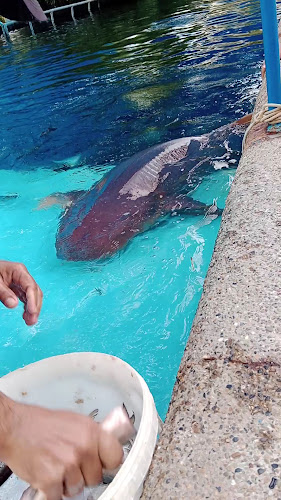
Acuario Mundo Marino
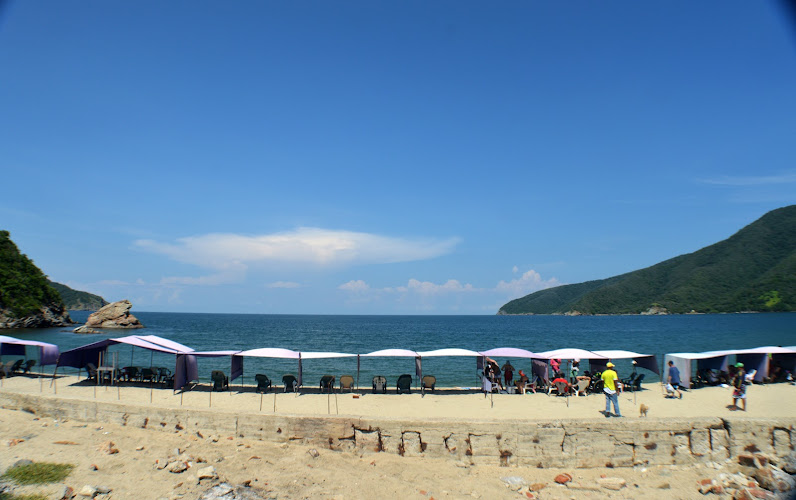
Bahía Concha Entrada
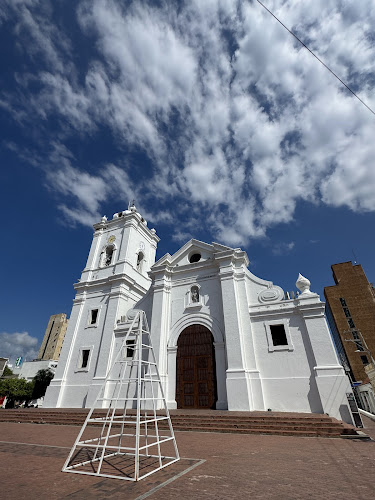
Catedral Basílica de Santa Marta
Tours & Activities
GetYourGuide provides this tour inventory. We may earn a commission if you book through it; verify current availability, prices, and terms with the provider.
Visitor Reviews
There are no reviews yet. Be the first one to write one.
Share Your Experience
Have you visited Quinta de San Pedro Alejandrino? Help other travelers by leaving a review.