

Museo del Oro Tayrona – Casa de la Aduana
About Museo del Oro Tayrona – Casa de la Aduana
Description
The Museo del Oro Tayrona - Casa de la Aduana stands as one of Colombia's most fascinating archaeological treasures, and honestly, it's a place that completely changed how I think about pre-Colombian history. Located in Santa Marta, this free museum offers travelers an incredible window into the world of the Tayrona civilization and other indigenous groups who called Colombia's Caribbean coast home long before European contact. What makes this museum particularly special is its setting in the Casa de la Aduana itself, one of the oldest colonial buildings in the Americas. The structure dates back to the 16th century and was originally used as a customs house during Spanish rule. Walking through these historic walls while learning about the indigenous people who lived here first creates this powerful juxtaposition that really hits you - the conquerors' building now serves to honor those who came before. The museum operates under the Banco de la República's network of gold museums throughout Colombia, which means you're getting world-class curation and preservation standards without paying a single peso. And let me tell you, the four galleries packed into this space contain some genuinely stunning artifacts that rival anything you'd see in major European museums charging twenty euros at the door. Each gallery takes visitors through different aspects of Tayrona life - from their sophisticated metalworking techniques to their spiritual beliefs, daily routines, and complex social structures. The Tayrona people weren't just skilled goldsmiths; they were master engineers who built terraced cities in the Sierra Nevada mountains, developed intricate trade networks, and created a society that thrived for centuries in what many would consider challenging terrain. But what really grabbed me during my visits to similar institutions is how these museums challenge the old narrative that pre-Colombian societies were somehow primitive. The craftsmanship on display here - the delicate filigree work, the ceremonial objects, the tools and jewelry - demonstrates a level of sophistication that demands respect and admiration.Key Features
The Museo del Oro Tayrona offers visitors an impressive array of experiences and amenities that make it accessible and enjoyable for pretty much anyone who walks through the doors: • Four distinct galleries showcasing thousands of years of indigenous history and culture, with particular focus on the Tayrona civilization • Bilingual exhibitions in both Spanish and English, which honestly is a godsend for international travelers who don't speak Spanish fluently • Completely free admission - no tickets, no reservations required for general entry, just show up during operating hours • Guided tours available that bring the artifacts to life with stories and historical context that you'd miss just reading the placards • Wheelchair accessible throughout, including the entrance and restrooms, plus wheelchair rental available for those who need it • Authentic pre-Colombian gold artifacts including ceremonial masks, figurines, ornaments, and tools • Ceramic pieces that showcase the artistic traditions and daily life of coastal indigenous groups • Interactive exhibits and multimedia presentations that help contextualize the artifacts within Tayrona society • Climate-controlled environment that protects both the artifacts and provides welcome relief from Santa Marta's heat • Family-friendly layout with displays that engage children without talking down to adult visitors • Historic colonial architecture that adds another layer of historical interest to your visit • Restroom facilities onsite for visitor convenience • Educational materials and information about the ongoing indigenous communities descended from these ancient peoples • Rotating special exhibitions that give repeat visitors something new to discoverBest Time to Visit
Figuring out when to visit the Museo del Oro Tayrona really depends on what kind of experience you're after, but I'll give you the straight scoop based on practical considerations. The museum tends to be quietest on weekday mornings, particularly Tuesday through Thursday between 9 AM and 11 AM. If you're someone who likes to really absorb information without crowds pressing in around you, this is your golden window. You can stand in front of displays as long as you want, read every placard, and actually hear yourself think. Weekends and Colombian public holidays bring families and local visitors, which means more crowds but also creates this lively energy that some people really enjoy. There's something nice about seeing Colombian families teaching their kids about their heritage - it reminds you that these aren't just dusty artifacts but connections to living cultures. Santa Marta's climate is hot year-round, which actually works in the museum's favor. The rainy season runs from May through November, and those afternoon downpours make the museum an ideal refuge. Nothing beats ducking into an air-conditioned museum when tropical rain is hammering the streets outside. Plus, the indoor nature of the experience means weather doesn't really affect your visit quality. The dry season from December through April brings peak tourist numbers to Santa Marta, as visitors flock to nearby Tayrona National Park and the beaches. During these months, expect the museum to see higher traffic, especially in the afternoons when beachgoers seek shade. But even during peak season, the museum rarely feels uncomfortably crowded compared to European institutions. If you're planning to take advantage of guided tours, check the schedule ahead of time as they run at specific hours. Morning tours typically have fewer participants, giving you better access to the guide for questions. Honestly though? The best time to visit is whenever you can fit it into your Santa Marta itinerary. Since admission is free, you could even split your visit across two shorter trips if the first one leaves you wanting more.How to Get There
Getting to the Museo del Oro Tayrona is refreshingly straightforward, especially if you're already staying in Santa Marta's historic center. The museum sits in the heart of the old town, right near Parque de Los Novios and other colonial-era landmarks that make this part of the city so charming. If you're staying anywhere in the historic center, you can absolutely walk there. The colonial district isn't huge, and walking lets you appreciate the architecture and street life along the way. Just keep your wits about you with valuables like you would in any tourist area - basic street smarts apply. Taxis are abundant throughout Santa Marta and remain reasonably priced for short trips within the city. Just tell the driver "Casa de la Aduana" or "Museo del Oro" and they'll know exactly where you mean. Most local taxi drivers are familiar with this landmark. If you're using a ride-sharing app, the museum appears on most mapping services, making drop-off simple. For those staying in the Rodadero beach area or other parts of greater Santa Marta, you can catch local buses that run into the historic center. The buses are cheap and give you a slice of local life, though they can be confusing for first-timers. Don't be shy about asking locals for help - most Samarios are genuinely friendly and will point you in the right direction. If you're coming from further afield - say, Cartagena or Barranquilla - you'll want to get yourself to Santa Marta first via bus or plane, then use local transport to reach the museum. Santa Marta's bus terminal and airport both have taxis that can bring you directly to the historic center. The surrounding streets have limited parking, so if you've rented a car, plan to park in a nearby lot and walk the final few blocks. The historic center's narrow colonial streets weren't exactly designed with modern traffic in mind. One tip I always share: combine your museum visit with exploration of the surrounding area. The waterfront, cathedral, and various plazas are all within easy walking distance, making it simple to fill a whole morning or afternoon in this part of town.Tips for Visiting
After spending time exploring museums throughout Colombia and talking with fellow travelers, I've picked up some practical wisdom that'll help you make the most of your visit to the Museo del Oro Tayrona. First off, bring your passport or a copy. Some museums in the Banco de la República network require ID for entry, and while policies can vary, it's better to have it than be turned away at the door. Honestly, you should be carrying ID in Colombia anyway, but this is your reminder. Photography policies at gold museums can be strict due to security concerns around the valuable artifacts. Check current rules when you arrive - some areas might allow photos without flash while others prohibit cameras entirely. Don't be that person arguing with museum staff; they're just doing their jobs. Give yourself at least 90 minutes to two hours for a thorough visit. Sure, you could rush through in 45 minutes, but what's the point? These artifacts survived centuries to tell their stories - the least we can do is slow down enough to listen. The people who crafted these pieces spent weeks or months on single items; spending an extra hour seems like fair trade. The bilingual labels are helpful, but if you really want to understand the cultural context, consider joining a guided tour. The guides bring these objects to life with stories and explanations that transform gold masks from pretty objects into windows onto entirely different worldviews. Tours are typically free or very low cost. Wear comfortable shoes. The colonial floors can be hard on feet, and you'll be standing more than you realize as you examine displays. Fashion is fine, but blistered feet will make the rest of your day miserable. Visit early in your Santa Marta stay if possible. The museum provides context that'll enrich your understanding of the region's history as you explore other sites. When you visit Tayrona National Park later and see the archaeological sites there, you'll appreciate them so much more after seeing artifacts from that civilization. The museum has restrooms, so use them before you leave - public facilities elsewhere in the historic center can be hit or miss. And speaking of practical matters, there's no restaurant onsite, so plan your meals accordingly. Luckily, the surrounding neighborhood has plenty of cafes and restaurants within a few minutes walk. Bring a light jacket or shawl if you get cold easily. The air conditioning runs strong to protect the artifacts, and after walking around in Caribbean heat, the temperature change can be jarring. If you're traveling with kids, the museum is genuinely kid-friendly, but set expectations beforehand. This isn't a hands-on children's museum - it requires looking and learning rather than touching. That said, most children find the gold objects fascinating, especially with some storytelling from parents about ancient civilizations and treasure. Consider visiting during the week rather than weekends if your schedule allows flexibility. You'll have more space to move through galleries and better opportunities to ask questions if you're on a tour. Don't rush to check off this museum as a box-ticking exercise. Sit with some of the pieces. Think about the hands that shaped them, the ceremonies they witnessed, the journeys they made. The Tayrona people developed their culture over roughly 1000 years in these coastal mountains. Their descendants still live in the Sierra Nevada today, maintaining traditions that stretch back centuries. That continuity is pretty remarkable when you think about it. Finally, remember that admission is free, which means you're experiencing world-class archaeology and anthropology without paying a cent. If you feel moved to support the museum's work, there's usually a donation box near the exit. Even small contributions help maintain these incredible collections for future generations.Key Features
- Key Features
- Best Time to Visit
- How to Get There
- Tips for Visiting
More Details
Updated March 30, 2026
Table of Contents
- Description
- Key Features
- Best Time to Visit
- How to Get There
- Tips for Visiting
- Key Highlights
- Location
- Places to Stay Near Museo del Oro Tayrona - Casa de la Aduana
- Find and Book a Tour
- Explore More Travel Guides
- Nearby Places You Might Like
- Traveler Reviews for Museo del Oro Tayrona – Casa de la Aduana
- Share Your Experience
Description
The Museo del Oro Tayrona – Casa de la Aduana stands as one of Colombia’s most fascinating archaeological treasures, and honestly, it’s a place that completely changed how I think about pre-Colombian history. Located in Santa Marta, this free museum offers travelers an incredible window into the world of the Tayrona civilization and other indigenous groups who called Colombia’s Caribbean coast home long before European contact.
What makes this museum particularly special is its setting in the Casa de la Aduana itself, one of the oldest colonial buildings in the Americas. The structure dates back to the 16th century and was originally used as a customs house during Spanish rule. Walking through these historic walls while learning about the indigenous people who lived here first creates this powerful juxtaposition that really hits you – the conquerors’ building now serves to honor those who came before.
The museum operates under the Banco de la República’s network of gold museums throughout Colombia, which means you’re getting world-class curation and preservation standards without paying a single peso. And let me tell you, the four galleries packed into this space contain some genuinely stunning artifacts that rival anything you’d see in major European museums charging twenty euros at the door.
Each gallery takes visitors through different aspects of Tayrona life – from their sophisticated metalworking techniques to their spiritual beliefs, daily routines, and complex social structures. The Tayrona people weren’t just skilled goldsmiths; they were master engineers who built terraced cities in the Sierra Nevada mountains, developed intricate trade networks, and created a society that thrived for centuries in what many would consider challenging terrain.
But what really grabbed me during my visits to similar institutions is how these museums challenge the old narrative that pre-Colombian societies were somehow primitive. The craftsmanship on display here – the delicate filigree work, the ceremonial objects, the tools and jewelry – demonstrates a level of sophistication that demands respect and admiration.
Key Features
The Museo del Oro Tayrona offers visitors an impressive array of experiences and amenities that make it accessible and enjoyable for pretty much anyone who walks through the doors:
• Four distinct galleries showcasing thousands of years of indigenous history and culture, with particular focus on the Tayrona civilization
• Bilingual exhibitions in both Spanish and English, which honestly is a godsend for international travelers who don’t speak Spanish fluently
• Completely free admission – no tickets, no reservations required for general entry, just show up during operating hours
• Guided tours available that bring the artifacts to life with stories and historical context that you’d miss just reading the placards
• Wheelchair accessible throughout, including the entrance and restrooms, plus wheelchair rental available for those who need it
• Authentic pre-Colombian gold artifacts including ceremonial masks, figurines, ornaments, and tools
• Ceramic pieces that showcase the artistic traditions and daily life of coastal indigenous groups
• Interactive exhibits and multimedia presentations that help contextualize the artifacts within Tayrona society
• Climate-controlled environment that protects both the artifacts and provides welcome relief from Santa Marta’s heat
• Family-friendly layout with displays that engage children without talking down to adult visitors
• Historic colonial architecture that adds another layer of historical interest to your visit
• Restroom facilities onsite for visitor convenience
• Educational materials and information about the ongoing indigenous communities descended from these ancient peoples
• Rotating special exhibitions that give repeat visitors something new to discover
Best Time to Visit
Figuring out when to visit the Museo del Oro Tayrona really depends on what kind of experience you’re after, but I’ll give you the straight scoop based on practical considerations.
The museum tends to be quietest on weekday mornings, particularly Tuesday through Thursday between 9 AM and 11 AM. If you’re someone who likes to really absorb information without crowds pressing in around you, this is your golden window. You can stand in front of displays as long as you want, read every placard, and actually hear yourself think.
Weekends and Colombian public holidays bring families and local visitors, which means more crowds but also creates this lively energy that some people really enjoy. There’s something nice about seeing Colombian families teaching their kids about their heritage – it reminds you that these aren’t just dusty artifacts but connections to living cultures.
Santa Marta’s climate is hot year-round, which actually works in the museum’s favor. The rainy season runs from May through November, and those afternoon downpours make the museum an ideal refuge. Nothing beats ducking into an air-conditioned museum when tropical rain is hammering the streets outside. Plus, the indoor nature of the experience means weather doesn’t really affect your visit quality.
The dry season from December through April brings peak tourist numbers to Santa Marta, as visitors flock to nearby Tayrona National Park and the beaches. During these months, expect the museum to see higher traffic, especially in the afternoons when beachgoers seek shade. But even during peak season, the museum rarely feels uncomfortably crowded compared to European institutions.
If you’re planning to take advantage of guided tours, check the schedule ahead of time as they run at specific hours. Morning tours typically have fewer participants, giving you better access to the guide for questions.
Honestly though? The best time to visit is whenever you can fit it into your Santa Marta itinerary. Since admission is free, you could even split your visit across two shorter trips if the first one leaves you wanting more.
How to Get There
Getting to the Museo del Oro Tayrona is refreshingly straightforward, especially if you’re already staying in Santa Marta’s historic center. The museum sits in the heart of the old town, right near Parque de Los Novios and other colonial-era landmarks that make this part of the city so charming.
If you’re staying anywhere in the historic center, you can absolutely walk there. The colonial district isn’t huge, and walking lets you appreciate the architecture and street life along the way. Just keep your wits about you with valuables like you would in any tourist area – basic street smarts apply.
Taxis are abundant throughout Santa Marta and remain reasonably priced for short trips within the city. Just tell the driver “Casa de la Aduana” or “Museo del Oro” and they’ll know exactly where you mean. Most local taxi drivers are familiar with this landmark. If you’re using a ride-sharing app, the museum appears on most mapping services, making drop-off simple.
For those staying in the Rodadero beach area or other parts of greater Santa Marta, you can catch local buses that run into the historic center. The buses are cheap and give you a slice of local life, though they can be confusing for first-timers. Don’t be shy about asking locals for help – most Samarios are genuinely friendly and will point you in the right direction.
If you’re coming from further afield – say, Cartagena or Barranquilla – you’ll want to get yourself to Santa Marta first via bus or plane, then use local transport to reach the museum. Santa Marta’s bus terminal and airport both have taxis that can bring you directly to the historic center.
The surrounding streets have limited parking, so if you’ve rented a car, plan to park in a nearby lot and walk the final few blocks. The historic center’s narrow colonial streets weren’t exactly designed with modern traffic in mind.
One tip I always share: combine your museum visit with exploration of the surrounding area. The waterfront, cathedral, and various plazas are all within easy walking distance, making it simple to fill a whole morning or afternoon in this part of town.
Tips for Visiting
After spending time exploring museums throughout Colombia and talking with fellow travelers, I’ve picked up some practical wisdom that’ll help you make the most of your visit to the Museo del Oro Tayrona.
First off, bring your passport or a copy. Some museums in the Banco de la República network require ID for entry, and while policies can vary, it’s better to have it than be turned away at the door. Honestly, you should be carrying ID in Colombia anyway, but this is your reminder.
Photography policies at gold museums can be strict due to security concerns around the valuable artifacts. Check current rules when you arrive – some areas might allow photos without flash while others prohibit cameras entirely. Don’t be that person arguing with museum staff; they’re just doing their jobs.
Give yourself at least 90 minutes to two hours for a thorough visit. Sure, you could rush through in 45 minutes, but what’s the point? These artifacts survived centuries to tell their stories – the least we can do is slow down enough to listen. The people who crafted these pieces spent weeks or months on single items; spending an extra hour seems like fair trade.
The bilingual labels are helpful, but if you really want to understand the cultural context, consider joining a guided tour. The guides bring these objects to life with stories and explanations that transform gold masks from pretty objects into windows onto entirely different worldviews. Tours are typically free or very low cost.
Wear comfortable shoes. The colonial floors can be hard on feet, and you’ll be standing more than you realize as you examine displays. Fashion is fine, but blistered feet will make the rest of your day miserable.
Visit early in your Santa Marta stay if possible. The museum provides context that’ll enrich your understanding of the region’s history as you explore other sites. When you visit Tayrona National Park later and see the archaeological sites there, you’ll appreciate them so much more after seeing artifacts from that civilization.
The museum has restrooms, so use them before you leave – public facilities elsewhere in the historic center can be hit or miss. And speaking of practical matters, there’s no restaurant onsite, so plan your meals accordingly. Luckily, the surrounding neighborhood has plenty of cafes and restaurants within a few minutes walk.
Bring a light jacket or shawl if you get cold easily. The air conditioning runs strong to protect the artifacts, and after walking around in Caribbean heat, the temperature change can be jarring.
If you’re traveling with kids, the museum is genuinely kid-friendly, but set expectations beforehand. This isn’t a hands-on children’s museum – it requires looking and learning rather than touching. That said, most children find the gold objects fascinating, especially with some storytelling from parents about ancient civilizations and treasure.
Consider visiting during the week rather than weekends if your schedule allows flexibility. You’ll have more space to move through galleries and better opportunities to ask questions if you’re on a tour.
Don’t rush to check off this museum as a box-ticking exercise. Sit with some of the pieces. Think about the hands that shaped them, the ceremonies they witnessed, the journeys they made. The Tayrona people developed their culture over roughly 1000 years in these coastal mountains. Their descendants still live in the Sierra Nevada today, maintaining traditions that stretch back centuries. That continuity is pretty remarkable when you think about it.
Finally, remember that admission is free, which means you’re experiencing world-class archaeology and anthropology without paying a cent. If you feel moved to support the museum’s work, there’s usually a donation box near the exit. Even small contributions help maintain these incredible collections for future generations.
Key Highlights
- Key Features
- Best Time to Visit
- How to Get There
- Tips for Visiting
Location
Places to Stay Near Museo del Oro Tayrona - Casa de la Aduana
Find and Book a Tour
Explore More Travel Guides
No reviews found! Be the first to review!
Museo del Oro Tayrona – Casa de la Aduana is a prominent museums located in Santa Marta.
Visit us at: Carrera 2 Parque Simón Bolívar, Santa Marta, Magdalena, Colombie.
Traveler Reviews for Museo del Oro Tayrona – Casa de la Aduana
There are no reviews yet. Be the first one to write one.
Have you visited Museo del Oro Tayrona – Casa de la Aduana? Help other travelers by sharing your review.
You Might Also Like
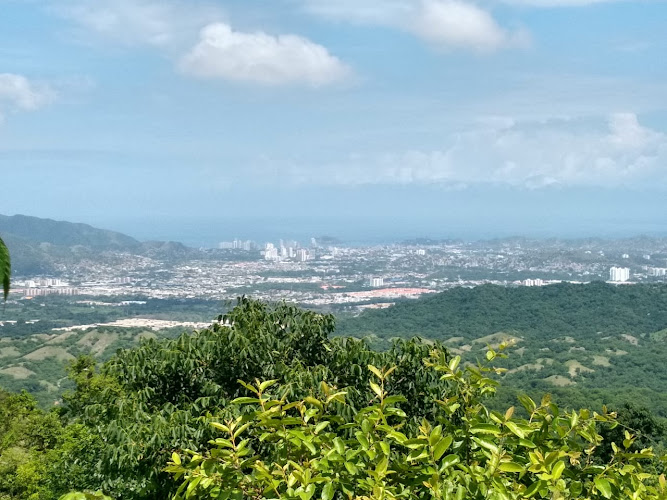
El Mirador De Santa Marta

Parque Camellón Rodrigo de Bastidas
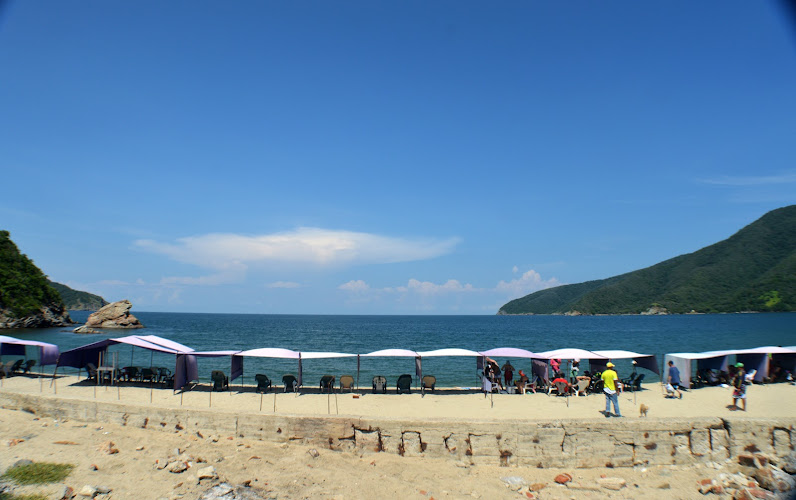
Bahía Concha Entrada
Find Accommodations Nearby
Recommended Tours & Activities
Visitor Reviews
There are no reviews yet. Be the first one to write one.
Share Your Experience
Have you visited Museo del Oro Tayrona – Casa de la Aduana? Help other travelers by leaving a review.