
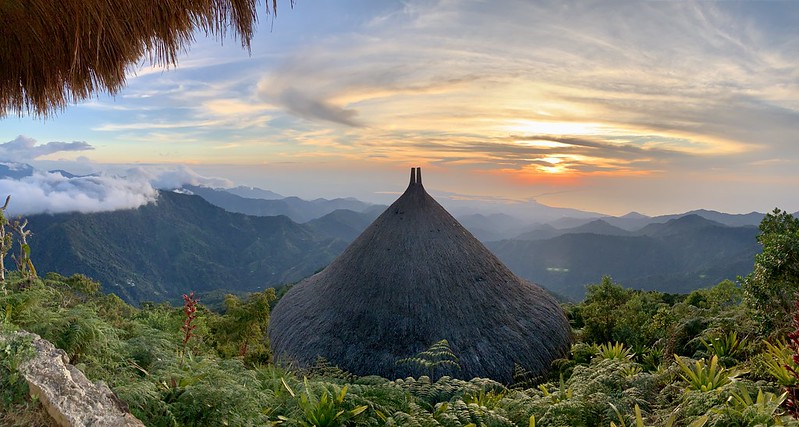
Reserva Natural El Dorado
About Reserva Natural El Dorado
Description
Reserva Natural El Dorado sits high in the Sierra Nevada de Santa Marta mountains of Colombia, and honestly, calling it just another nature preserve feels like an understatement. This place is truly special - it's one of those rare spots where you can step into a world that feels untouched by time, where the mountain mists roll through ancient forests and the soundtrack is provided by some of the planet's rarest birds. The reserve covers a significant stretch of cloud forest habitat, and I've heard from fellow travelers who've visited that the experience changes you a bit. There's something about being at that altitude, surrounded by endemic species found nowhere else on Earth, that puts things into perspective. The Colombian government and conservation organizations have worked together to protect this area, and you can feel that commitment when you're there. What makes El Dorado stand out from other nature reserves is its incredible importance for bird conservation. We're talking about a sanctuary that harbors species so rare that ornithologists travel from around the globe just for a chance glimpse. But even if you can't tell a tanager from a tody, the sheer beauty of the landscape and the peaceful atmosphere make it worth the journey up those mountain roads. The reserve operates as both a conservation area and a tourist destination, though they've managed to strike a balance that many protected areas struggle with. They welcome visitors but do so in a way that doesn't compromise the integrity of the ecosystem. And that's refreshing, really.Key Features
The reserve offers some remarkable experiences that you won't find just anywhere:- Home to over 400 bird species including numerous endemic and endangered species found only in the Sierra Nevada de Santa Marta mountains
- The Santa Marta Parakeet, a critically endangered species that birdwatchers cross continents to observe in its natural habitat
- Well-maintained hiking trails that wind through pristine cloud forest ecosystems at elevations reaching over 2,000 meters
- On-site lodge accommodations that allow visitors to wake up to dawn birding opportunities when species are most active
- Experienced local guides who know the forest intimately and can spot wildlife that untrained eyes would miss completely
- Gender-neutral and public restroom facilities that reflect the reserve's commitment to being welcoming to all visitors
- Family-friendly trail options that make the reserve accessible even for those traveling with younger children
- A truly inclusive environment that serves as a safe space for LGBTQ+ travelers - something that matters more than some people realize when planning international nature trips
- The chance to see the Santa Marta Bush-Tyrant, Santa Marta Warbler, and other species that exist nowhere else on the planet
- Night walks where you might encounter unique amphibians and nocturnal mammals found only in these mountains
- Educational programs that teach visitors about the conservation challenges facing the Sierra Nevada de Santa Marta region
- Breathtaking views across the mountain ranges when the clouds part, revealing landscapes that look like they belong in a nature documentary
Best Time to Visit
Here's where things get interesting because the "best" time really depends on what you're after. I've talked with people who swear by different seasons, and they all have valid points. The dry season runs from December through March, and this is when most visitors make the trek up to El Dorado. The weather tends to be more predictable, trails are less muddy, and you've got better chances of clear morning skies for photography. But - and this is important - cloud forests are called that for a reason. Even during dry season, expect mist, fog, and occasional rain. Pack accordingly. The wet season from April through November brings more precipitation, sure, but it also brings some advantages that hardcore nature enthusiasts appreciate. The forest comes alive with different energy. Birds are often more vocal during breeding season, which overlaps with the wetter months. The vegetation is lush, streams are full, and there are generally fewer tourists crowding the trails. Temperature-wise, you're looking at cool conditions year-round because of the elevation. Daytime temps hover around 15-20°C (59-68°F), but it drops significantly at night. I remember one traveler telling me she hadn't packed enough warm layers and spent her first evening wrapped in every piece of clothing she'd brought. For serious birdwatchers, early morning hours between 6-9 AM are crucial regardless of the season. That's when bird activity peaks. Similarly, late afternoon around 4-6 PM sees another surge in activity. The middle of the day can be quieter, which is actually perfect for hiking and exploring the forest itself. If you're planning to visit during Colombian holiday periods or peak tourist season, booking well in advance becomes essential. The reserve maintains relatively limited visitor numbers to minimize environmental impact, which means spaces fill up faster than you might expect.How to Get There
Getting to Reserva Natural El Dorado requires some planning, and the journey is part of the adventure - though maybe not always in the way you'd prefer. Most visitors start from Santa Marta, the coastal city that serves as the gateway to the Sierra Nevada mountains. From there, you're looking at roughly a 2.5 to 3-hour drive, though I've heard stories of it taking longer depending on road conditions and weather. The route takes you from sea level up to over 2,000 meters elevation, so the landscape changes dramatically as you climb. You'll need to arrange transportation, and there are a few options. Many visitors book through tour operators who include transport as part of a package deal. This takes the stress out of navigation and means you've got someone who knows these mountain roads doing the driving. Trust me, unless you're experienced with mountain driving and comfortable navigating unmarked rural roads, this is probably your best bet. If you're the independent type who prefers to rent a vehicle, make sure you get a 4x4. The roads leading to El Dorado can be rough, especially during or after rain. And honestly, some sections are steep and winding enough that you'll want a vehicle with good clearance and traction. The reserve also sometimes arranges group transportation from Santa Marta, particularly if multiple visitors are arriving on the same day. It's worth asking about this option when you make your reservation. From Bogotá, you'll first need to get to Santa Marta, either by flying (about 1.5 hours) or by bus (around 16 hours - only for the truly patient traveler). From Cartagena, it's a 4-5 hour bus ride to Santa Marta. Plan to arrive at El Dorado with enough daylight left to settle in and maybe take an evening walk. The drive itself is scenic but can be tiring, and you'll want to be rested for early morning birding the next day.Tips for Visiting
After talking with folks who've made the pilgrimage to El Dorado and reading countless accounts, I've gathered some advice that could make your visit significantly better. First off, get your tickets and accommodations sorted in advance. The reserve recommends this for good reason - they maintain strict visitor limits. During peak seasons, showing up without a reservation means you're probably not getting in. And you definitely don't want to drive three hours up a mountain only to be turned away. Layer your clothing like you're preparing for multiple seasons in one day. Mornings can be genuinely cold, especially if you're standing still while birding. As the day progresses and if the sun comes out, you might find yourself stripping down layers. Then evening rolls around and you're bundling up again. A good waterproof jacket is non-negotiable, regardless of when you visit. Bring quality binoculars if you have them. Even if you're not a birder, watching wildlife through good optics transforms the experience. The reserve might have some available to borrow, but having your own ensures you're ready whenever something interesting appears. If you're traveling with kids, know that the trails are genuinely kid-friendly, but children should be comfortable with hiking and okay with cool, potentially wet conditions. The guides are great with families, and there's something magical about watching a child spot their first exotic bird or discover a unique plant species. Pack snacks and water, though the lodge provides meals if you're staying overnight. Having energy bars or trail mix in your daypack means you can stay out on the trails longer without needing to head back. Respect the photography guidelines. Flash photography can disturb wildlife, particularly birds. And those incredible bird photos you see online? They usually require patience, skill, and sometimes specialized equipment. Don't get so focused on getting the perfect shot that you forget to actually experience the moment. The guides here aren't just folks who know where birds hang out - they're often local community members with deep knowledge of the forest. Tip them appropriately if they've enhanced your experience. It supports the local economy and recognizes the value of their expertise. Charge your electronics before arriving because power can be limited. Bring backup batteries for cameras and phones. The reserve operates sustainably, which sometimes means power availability isn't 24/7. And here's something people often overlook: adjust your expectations about comfort. This is a working nature reserve, not a resort. Accommodations are clean and functional but basic. Hot water might be limited. Wi-Fi is probably not happening. Cell service is spotty at best. But that's kind of the point, isn't it? You're here to disconnect from the everyday world and connect with something older and wilder. Finally, take the altitude seriously if you're not used to it. At over 2,000 meters, some people experience mild altitude effects. Stay hydrated, take it easy your first day, and listen to your body. The thin air affects everyone differently. The reserve represents something increasingly rare - a place where conservation and visitation coexist successfully. By visiting thoughtfully and respecting the guidelines, you're contributing to the protection of species and habitats that exist nowhere else on Earth. And that's a pretty meaningful way to spend a few days of your travels.Key Features
- Critical habitat for the endemic Santa Marta parakeet (Pyrrhura viridicata)
- Cloud forest and montane ecosystems with extensive restoration areas
- Excellent endemic and range‑restricted birdwatching opportunities
- Trails with scenic viewpoints over the Sierra Nevada de Santa Marta
- ProAves‑managed reserve with conservation and community programs
More Details
Updated March 30, 2026
Table of Contents
Description
Reserva Natural El Dorado sits high in the Sierra Nevada de Santa Marta mountains of Colombia, and honestly, calling it just another nature preserve feels like an understatement. This place is truly special – it’s one of those rare spots where you can step into a world that feels untouched by time, where the mountain mists roll through ancient forests and the soundtrack is provided by some of the planet’s rarest birds.
The reserve covers a significant stretch of cloud forest habitat, and I’ve heard from fellow travelers who’ve visited that the experience changes you a bit. There’s something about being at that altitude, surrounded by endemic species found nowhere else on Earth, that puts things into perspective. The Colombian government and conservation organizations have worked together to protect this area, and you can feel that commitment when you’re there.
What makes El Dorado stand out from other nature reserves is its incredible importance for bird conservation. We’re talking about a sanctuary that harbors species so rare that ornithologists travel from around the globe just for a chance glimpse. But even if you can’t tell a tanager from a tody, the sheer beauty of the landscape and the peaceful atmosphere make it worth the journey up those mountain roads.
The reserve operates as both a conservation area and a tourist destination, though they’ve managed to strike a balance that many protected areas struggle with. They welcome visitors but do so in a way that doesn’t compromise the integrity of the ecosystem. And that’s refreshing, really.
Key Features
The reserve offers some remarkable experiences that you won’t find just anywhere:
- Home to over 400 bird species including numerous endemic and endangered species found only in the Sierra Nevada de Santa Marta mountains
- The Santa Marta Parakeet, a critically endangered species that birdwatchers cross continents to observe in its natural habitat
- Well-maintained hiking trails that wind through pristine cloud forest ecosystems at elevations reaching over 2,000 meters
- On-site lodge accommodations that allow visitors to wake up to dawn birding opportunities when species are most active
- Experienced local guides who know the forest intimately and can spot wildlife that untrained eyes would miss completely
- Gender-neutral and public restroom facilities that reflect the reserve’s commitment to being welcoming to all visitors
- Family-friendly trail options that make the reserve accessible even for those traveling with younger children
- A truly inclusive environment that serves as a safe space for LGBTQ+ travelers – something that matters more than some people realize when planning international nature trips
- The chance to see the Santa Marta Bush-Tyrant, Santa Marta Warbler, and other species that exist nowhere else on the planet
- Night walks where you might encounter unique amphibians and nocturnal mammals found only in these mountains
- Educational programs that teach visitors about the conservation challenges facing the Sierra Nevada de Santa Marta region
- Breathtaking views across the mountain ranges when the clouds part, revealing landscapes that look like they belong in a nature documentary
Best Time to Visit
Here’s where things get interesting because the “best” time really depends on what you’re after. I’ve talked with people who swear by different seasons, and they all have valid points.
The dry season runs from December through March, and this is when most visitors make the trek up to El Dorado. The weather tends to be more predictable, trails are less muddy, and you’ve got better chances of clear morning skies for photography. But – and this is important – cloud forests are called that for a reason. Even during dry season, expect mist, fog, and occasional rain. Pack accordingly.
The wet season from April through November brings more precipitation, sure, but it also brings some advantages that hardcore nature enthusiasts appreciate. The forest comes alive with different energy. Birds are often more vocal during breeding season, which overlaps with the wetter months. The vegetation is lush, streams are full, and there are generally fewer tourists crowding the trails.
Temperature-wise, you’re looking at cool conditions year-round because of the elevation. Daytime temps hover around 15-20°C (59-68°F), but it drops significantly at night. I remember one traveler telling me she hadn’t packed enough warm layers and spent her first evening wrapped in every piece of clothing she’d brought.
For serious birdwatchers, early morning hours between 6-9 AM are crucial regardless of the season. That’s when bird activity peaks. Similarly, late afternoon around 4-6 PM sees another surge in activity. The middle of the day can be quieter, which is actually perfect for hiking and exploring the forest itself.
If you’re planning to visit during Colombian holiday periods or peak tourist season, booking well in advance becomes essential. The reserve maintains relatively limited visitor numbers to minimize environmental impact, which means spaces fill up faster than you might expect.
How to Get There
Getting to Reserva Natural El Dorado requires some planning, and the journey is part of the adventure – though maybe not always in the way you’d prefer.
Most visitors start from Santa Marta, the coastal city that serves as the gateway to the Sierra Nevada mountains. From there, you’re looking at roughly a 2.5 to 3-hour drive, though I’ve heard stories of it taking longer depending on road conditions and weather. The route takes you from sea level up to over 2,000 meters elevation, so the landscape changes dramatically as you climb.
You’ll need to arrange transportation, and there are a few options. Many visitors book through tour operators who include transport as part of a package deal. This takes the stress out of navigation and means you’ve got someone who knows these mountain roads doing the driving. Trust me, unless you’re experienced with mountain driving and comfortable navigating unmarked rural roads, this is probably your best bet.
If you’re the independent type who prefers to rent a vehicle, make sure you get a 4×4. The roads leading to El Dorado can be rough, especially during or after rain. And honestly, some sections are steep and winding enough that you’ll want a vehicle with good clearance and traction.
The reserve also sometimes arranges group transportation from Santa Marta, particularly if multiple visitors are arriving on the same day. It’s worth asking about this option when you make your reservation.
From Bogotá, you’ll first need to get to Santa Marta, either by flying (about 1.5 hours) or by bus (around 16 hours – only for the truly patient traveler). From Cartagena, it’s a 4-5 hour bus ride to Santa Marta.
Plan to arrive at El Dorado with enough daylight left to settle in and maybe take an evening walk. The drive itself is scenic but can be tiring, and you’ll want to be rested for early morning birding the next day.
Tips for Visiting
After talking with folks who’ve made the pilgrimage to El Dorado and reading countless accounts, I’ve gathered some advice that could make your visit significantly better.
First off, get your tickets and accommodations sorted in advance. The reserve recommends this for good reason – they maintain strict visitor limits. During peak seasons, showing up without a reservation means you’re probably not getting in. And you definitely don’t want to drive three hours up a mountain only to be turned away.
Layer your clothing like you’re preparing for multiple seasons in one day. Mornings can be genuinely cold, especially if you’re standing still while birding. As the day progresses and if the sun comes out, you might find yourself stripping down layers. Then evening rolls around and you’re bundling up again. A good waterproof jacket is non-negotiable, regardless of when you visit.
Bring quality binoculars if you have them. Even if you’re not a birder, watching wildlife through good optics transforms the experience. The reserve might have some available to borrow, but having your own ensures you’re ready whenever something interesting appears.
If you’re traveling with kids, know that the trails are genuinely kid-friendly, but children should be comfortable with hiking and okay with cool, potentially wet conditions. The guides are great with families, and there’s something magical about watching a child spot their first exotic bird or discover a unique plant species.
Pack snacks and water, though the lodge provides meals if you’re staying overnight. Having energy bars or trail mix in your daypack means you can stay out on the trails longer without needing to head back.
Respect the photography guidelines. Flash photography can disturb wildlife, particularly birds. And those incredible bird photos you see online? They usually require patience, skill, and sometimes specialized equipment. Don’t get so focused on getting the perfect shot that you forget to actually experience the moment.
The guides here aren’t just folks who know where birds hang out – they’re often local community members with deep knowledge of the forest. Tip them appropriately if they’ve enhanced your experience. It supports the local economy and recognizes the value of their expertise.
Charge your electronics before arriving because power can be limited. Bring backup batteries for cameras and phones. The reserve operates sustainably, which sometimes means power availability isn’t 24/7.
And here’s something people often overlook: adjust your expectations about comfort. This is a working nature reserve, not a resort. Accommodations are clean and functional but basic. Hot water might be limited. Wi-Fi is probably not happening. Cell service is spotty at best. But that’s kind of the point, isn’t it? You’re here to disconnect from the everyday world and connect with something older and wilder.
Finally, take the altitude seriously if you’re not used to it. At over 2,000 meters, some people experience mild altitude effects. Stay hydrated, take it easy your first day, and listen to your body. The thin air affects everyone differently.
The reserve represents something increasingly rare – a place where conservation and visitation coexist successfully. By visiting thoughtfully and respecting the guidelines, you’re contributing to the protection of species and habitats that exist nowhere else on Earth. And that’s a pretty meaningful way to spend a few days of your travels.
Key Highlights
- Critical habitat for the endemic Santa Marta parakeet (Pyrrhura viridicata)
- Cloud forest and montane ecosystems with extensive restoration areas
- Excellent endemic and range‑restricted birdwatching opportunities
- Trails with scenic viewpoints over the Sierra Nevada de Santa Marta
- ProAves‑managed reserve with conservation and community programs
Location
Places to Stay Near Reserva Natural El Dorado
Find and Book a Tour
Explore More Travel Guides
No reviews found! Be the first to review!
Reserva Natural El Dorado is a prominent attractions located in Santa Marta.
Visit us at: Sierra Nevada de, Santa Marta, Magdalena, Colombia.
Traveler Reviews for Reserva Natural El Dorado
There are no reviews yet. Be the first one to write one.
Have you visited Reserva Natural El Dorado? Help other travelers by sharing your review.
Nearby Attractions
You Might Also Like
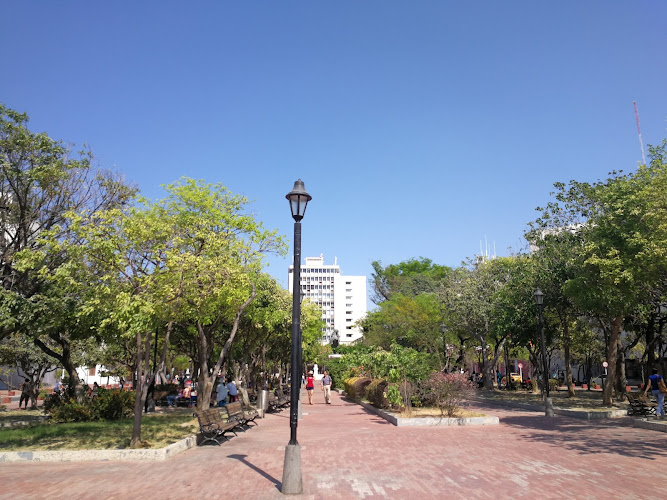
Parque Bolívar
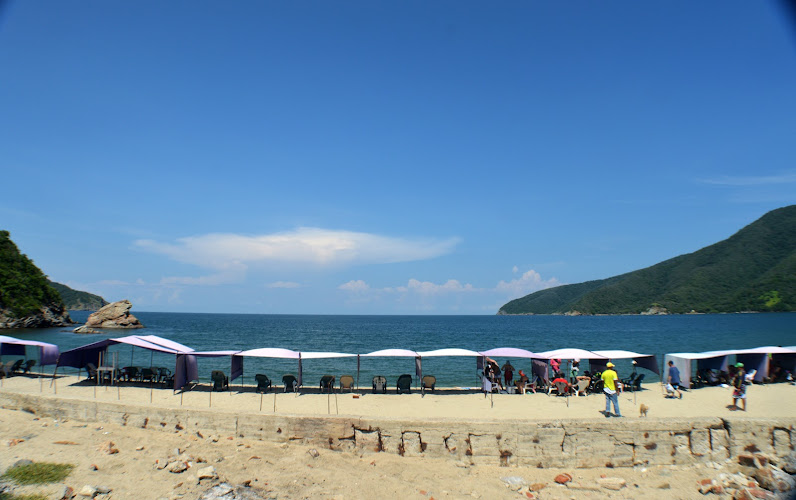
Bahía Concha Entrada

Parque Camellón Rodrigo de Bastidas
Find Accommodations Nearby
Recommended Tours & Activities
Visitor Reviews
There are no reviews yet. Be the first one to write one.
Share Your Experience
Have you visited Reserva Natural El Dorado? Help other travelers by leaving a review.