
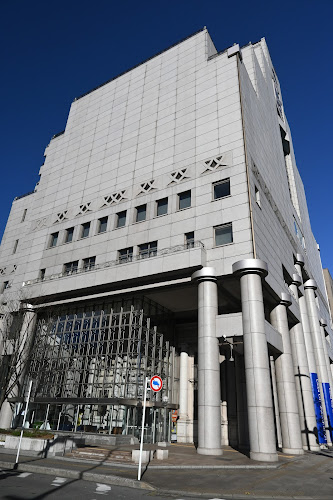
Chiba City Museum of Art
About Chiba City Museum of Art
Description
The Chiba City Museum of Art is one of those places that feels both approachable and quietly impressive at the same time. It’s not trying to overwhelm you with endless galleries or impossible-to-digest collections. Instead, it offers a thoughtful balance between traditional Japanese works and modern or contemporary art from both Japan and abroad. You’ll find yourself moving from exquisitely detailed ukiyo-e woodblock prints to bold, experimental pieces created after 1945, and that contrast is part of what makes the museum so engaging. It’s like flipping between centuries in a matter of steps.
Now, to be fair, not every visitor walks away blown away. Some people expect bigger, flashier exhibits and might feel underwhelmed by the scale. But if you’re the kind of traveler who values depth over size, you’ll probably appreciate the museum’s curation. Personally, I’ve always felt that smaller museums like this give you space to breathe and actually connect with the art instead of rushing through. And because the museum also highlights works connected to the Bōsō region, you get a real sense of place—something uniquely tied to Chiba itself rather than just a generic “art museum” experience.
The building itself is worth a mention too. It’s housed partly in a renovated historical structure, which gives the space a character you don’t always expect in a city museum. It’s modern and clean, but there’s also a sense of continuity with the past. Families often stop by because it’s a welcoming spot for kids, and the layout makes it easy to navigate without feeling lost or overwhelmed. For me, that’s a win—art should be accessible, not intimidating.
Key Features
- Rotating exhibitions featuring both Japanese and international artists
- Strong focus on ukiyo-e prints and Japanese painting traditions
- Collection of contemporary works created after 1945
- Special emphasis on art connected to the Bōsō region of Chiba
- Family-friendly environment with facilities for children
- Wheelchair accessible entrance, restrooms, and parking
- On-site restaurant and restrooms for convenience
- On-site parking available for visitors
One of the things I really like is how the museum balances its permanent collection with temporary exhibitions. You never quite know what you’re going to get, which makes repeat visits worthwhile. And the accessibility features are a big plus—wheelchair users can navigate comfortably, though it’s worth noting that not every single space is equipped with accessible seating. Still, compared to many older museums in Japan, this one makes a real effort to be inclusive.
Best Time to Visit
Timing your visit can make a big difference. Weekends tend to be busier, especially when there’s a special exhibition running, so if you prefer a quieter atmosphere, aim for a weekday morning. I once went on a rainy Tuesday, and honestly, it was perfect. The galleries were calm, and I could linger in front of pieces without feeling like I was in someone’s way. Plus, rainy days pair beautifully with museum visits—it’s cozy and contemplative.
Spring and autumn are particularly nice times to go, since you can pair your museum visit with a stroll through Chiba’s parks or even a short trip to the bay. Summer can be hot and humid, so ducking into the museum’s air-conditioned galleries is a welcome break. Winter has its charm too, especially if you’re the type who enjoys art as an escape from the cold. Honestly, there’s no “bad” time to visit—it just depends on the mood you’re after.
How to Get There
Reaching the museum is pretty straightforward. It’s located in central Chiba, so if you’re coming from Tokyo, you can hop on a JR line and be there in under an hour. From the nearest station, it’s a short walk, and the route is easy enough to follow even if you’re not fluent in Japanese. I’d suggest using public transport rather than driving unless you really want the convenience of on-site parking. Traffic in the area can be a bit of a headache, especially on weekends.
If you’re already exploring Chiba city, the museum is conveniently placed near shops and restaurants, so you can easily make a half-day plan that combines art, food, and maybe a little shopping. That’s one of the things I enjoy about it—it’s not tucked away in some remote spot; it’s right there in the flow of the city.
Tips for Visiting
Here are a few things I’ve learned from my own visits and from chatting with other travelers:
- Check the exhibition schedule in advance. The rotating shows can be the highlight of your visit, and you don’t want to miss something special just because you didn’t plan ahead.
- Give yourself at least two hours. It’s not a massive museum, but if you want to really enjoy the works without rushing, plan for a leisurely pace.
- Consider visiting with kids. The museum is surprisingly child-friendly, and younger visitors often enjoy the bold colors and shapes of modern art.
- Bring a notebook or sketchpad. I’ve seen plenty of visitors doodling or jotting down thoughts, and it’s a great way to make the experience more personal.
- Don’t skip the café or restaurant. It’s a nice spot to reflect on what you’ve seen, and sometimes the food is themed around current exhibitions.
- Photography rules vary. Some exhibitions allow photos, others don’t—so always check the signs before snapping away.
One last thought: don’t rush. This isn’t the Louvre, and that’s a good thing. You don’t need to tick off a list of must-sees. Instead, let yourself wander, pause where you feel drawn, and maybe even circle back to a piece that caught your attention. I’ve had moments where a painting didn’t strike me at first, but when I returned to it later, I noticed something entirely new. That’s the beauty of a museum like this—it rewards slow looking and curiosity.
Key Features
- Rotating exhibitions featuring both Japanese and international artists
- Strong focus on ukiyo-e prints and Japanese painting traditions
- Collection of contemporary works created after 1945
- Special emphasis on art connected to the Bōsō region of Chiba
- Family-friendly environment with facilities for children
- Wheelchair accessible entrance, restrooms, and parking
- On-site restaurant and restrooms for convenience
- On-site parking available for visitors
More Details
Updated October 1, 2025
Table of Contents
Description
The Chiba City Museum of Art is one of those places that feels both approachable and quietly impressive at the same time. It’s not trying to overwhelm you with endless galleries or impossible-to-digest collections. Instead, it offers a thoughtful balance between traditional Japanese works and modern or contemporary art from both Japan and abroad. You’ll find yourself moving from exquisitely detailed ukiyo-e woodblock prints to bold, experimental pieces created after 1945, and that contrast is part of what makes the museum so engaging. It’s like flipping between centuries in a matter of steps.
Now, to be fair, not every visitor walks away blown away. Some people expect bigger, flashier exhibits and might feel underwhelmed by the scale. But if you’re the kind of traveler who values depth over size, you’ll probably appreciate the museum’s curation. Personally, I’ve always felt that smaller museums like this give you space to breathe and actually connect with the art instead of rushing through. And because the museum also highlights works connected to the Bōsō region, you get a real sense of place—something uniquely tied to Chiba itself rather than just a generic “art museum” experience.
The building itself is worth a mention too. It’s housed partly in a renovated historical structure, which gives the space a character you don’t always expect in a city museum. It’s modern and clean, but there’s also a sense of continuity with the past. Families often stop by because it’s a welcoming spot for kids, and the layout makes it easy to navigate without feeling lost or overwhelmed. For me, that’s a win—art should be accessible, not intimidating.
Key Features
- Rotating exhibitions featuring both Japanese and international artists
- Strong focus on ukiyo-e prints and Japanese painting traditions
- Collection of contemporary works created after 1945
- Special emphasis on art connected to the Bōsō region of Chiba
- Family-friendly environment with facilities for children
- Wheelchair accessible entrance, restrooms, and parking
- On-site restaurant and restrooms for convenience
- On-site parking available for visitors
One of the things I really like is how the museum balances its permanent collection with temporary exhibitions. You never quite know what you’re going to get, which makes repeat visits worthwhile. And the accessibility features are a big plus—wheelchair users can navigate comfortably, though it’s worth noting that not every single space is equipped with accessible seating. Still, compared to many older museums in Japan, this one makes a real effort to be inclusive.
Best Time to Visit
Timing your visit can make a big difference. Weekends tend to be busier, especially when there’s a special exhibition running, so if you prefer a quieter atmosphere, aim for a weekday morning. I once went on a rainy Tuesday, and honestly, it was perfect. The galleries were calm, and I could linger in front of pieces without feeling like I was in someone’s way. Plus, rainy days pair beautifully with museum visits—it’s cozy and contemplative.
Spring and autumn are particularly nice times to go, since you can pair your museum visit with a stroll through Chiba’s parks or even a short trip to the bay. Summer can be hot and humid, so ducking into the museum’s air-conditioned galleries is a welcome break. Winter has its charm too, especially if you’re the type who enjoys art as an escape from the cold. Honestly, there’s no “bad” time to visit—it just depends on the mood you’re after.
How to Get There
Reaching the museum is pretty straightforward. It’s located in central Chiba, so if you’re coming from Tokyo, you can hop on a JR line and be there in under an hour. From the nearest station, it’s a short walk, and the route is easy enough to follow even if you’re not fluent in Japanese. I’d suggest using public transport rather than driving unless you really want the convenience of on-site parking. Traffic in the area can be a bit of a headache, especially on weekends.
If you’re already exploring Chiba city, the museum is conveniently placed near shops and restaurants, so you can easily make a half-day plan that combines art, food, and maybe a little shopping. That’s one of the things I enjoy about it—it’s not tucked away in some remote spot; it’s right there in the flow of the city.
Tips for Visiting
Here are a few things I’ve learned from my own visits and from chatting with other travelers:
- Check the exhibition schedule in advance. The rotating shows can be the highlight of your visit, and you don’t want to miss something special just because you didn’t plan ahead.
- Give yourself at least two hours. It’s not a massive museum, but if you want to really enjoy the works without rushing, plan for a leisurely pace.
- Consider visiting with kids. The museum is surprisingly child-friendly, and younger visitors often enjoy the bold colors and shapes of modern art.
- Bring a notebook or sketchpad. I’ve seen plenty of visitors doodling or jotting down thoughts, and it’s a great way to make the experience more personal.
- Don’t skip the café or restaurant. It’s a nice spot to reflect on what you’ve seen, and sometimes the food is themed around current exhibitions.
- Photography rules vary. Some exhibitions allow photos, others don’t—so always check the signs before snapping away.
One last thought: don’t rush. This isn’t the Louvre, and that’s a good thing. You don’t need to tick off a list of must-sees. Instead, let yourself wander, pause where you feel drawn, and maybe even circle back to a piece that caught your attention. I’ve had moments where a painting didn’t strike me at first, but when I returned to it later, I noticed something entirely new. That’s the beauty of a museum like this—it rewards slow looking and curiosity.
Key Highlights
- Rotating exhibitions featuring both Japanese and international artists
- Strong focus on ukiyo-e prints and Japanese painting traditions
- Collection of contemporary works created after 1945
- Special emphasis on art connected to the Bōsō region of Chiba
- Family-friendly environment with facilities for children
- Wheelchair accessible entrance, restrooms, and parking
- On-site restaurant and restrooms for convenience
- On-site parking available for visitors
Location
Places to Stay Near Chiba City Museum of Art
Find and Book a Tour
Explore More Travel Guides
No reviews found! Be the first to review!
Traveler Reviews for Chiba City Museum of Art
There are no reviews yet. Be the first one to write one.
Have you visited Chiba City Museum of Art? Help other travelers by sharing your review.
You Might Also Like
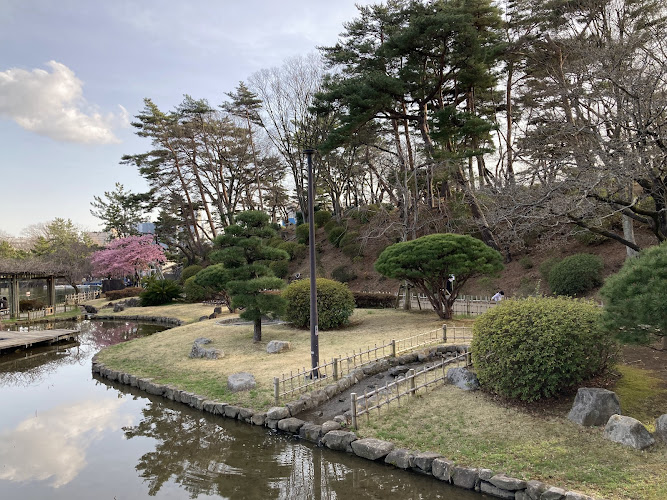
Chiba Park

Marines Museum
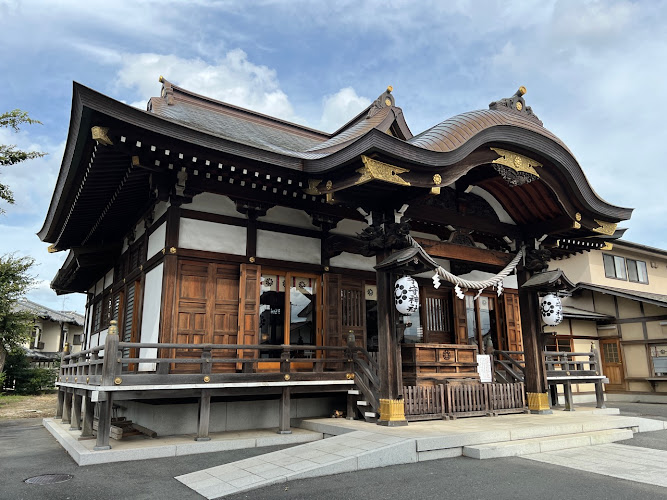
Komamori Shrine
Find Accommodations Nearby
Recommended Tours & Activities
Visitor Reviews
There are no reviews yet. Be the first one to write one.
Share Your Experience
Have you visited Chiba City Museum of Art? Help other travelers by leaving a review.