
Centro storico di Perugia
About Centro storico di Perugia
Centro Storico di Perugia is the kind of historic center that rewards people who slow down, look up, and wander the small side alleys instead of chasing a checklist. Sitting on a steep hill above the Umbrian countryside, it’s the compact, medieval heart of Perugia, the regional capital and one of Italy’s most important university cities.
Below is a practical, detail-rich guide to understanding and exploring Perugia’s centro storico—how it’s laid out, what not to miss, and the small logistics details that make a big difference on the ground.
---
Why Perugia’s Historic Center Is Special
Perugia is a fortified hilltop city with roots going back to the Etruscans and Romans; the current center reads mostly as a 13th–14th-century town, with stone palaces, narrow lanes, and sweeping views over the Tiber valley.
A few high-level things that define the centro storico:
- Hilltop layout: The core sits on a high ridge, so you’ll constantly move up and down short, steep streets and stairways. This creates constant viewpoints over Umbria but can be tiring if you don’t plan your routes.
- University energy: Perugia hosts the University of Perugia (founded 1308) and the University for Foreigners, which keeps the old center full of students, language learners, and long-stay visitors, not just short-term sightseeing tours.
- Events city: Major events like Umbria Jazz and Eurochocolate regularly spill through the historic center’s streets and squares, changing the feel of the city for a week at a time.
---
Orientation: The Key Axes of the Centro Storico
You can think of the historic center as a rough spine with a few crucial nodes.
Corso Vannucci: The Main “Living Room”
Corso Vannucci is the pedestrian main street of the centro storico, running along the ridge. It’s lined with cafés, historic buildings, and shops, and it’s where you feel Perugia’s everyday life most strongly. Review
- Great for evening passeggiata (strolling).
- Easy access to major sights like Palazzo dei Priori and the Galleria Nazionale dell’Umbria along the way. Magazine
Piazza IV Novembre & Fontana Maggiore: The Heart of the City
Halfway along Corso Vannucci, you reach Piazza IV Novembre, the city’s main square and the emotional center of the historic district. Reflections
Around this square you’ll find:
- Fontana Maggiore – a 13th-century stone fountain (c. 1254–1278) decorated with carved panels illustrating months of the year, zodiac signs, and biblical scenes. Umbria
- Perugia Cathedral (Cattedrale di San Lorenzo) – the main church overlooking the piazza.
- Palazzo dei Priori – the monumental Gothic town hall stretching along Corso Vannucci.
Piazza IV Novembre is also built over the site of the ancient Roman forum, so you’re literally standing where the city’s public life has played out for roughly two millennia. Reflections
Rocca Paolina & the Underground City
At the southern end of the historic ridge lies Rocca Paolina, a 16th-century fortress whose interior now works as an underground pedestrian passageway.
- Inside, you walk through vaulted brick streets, stairways, and fragments of earlier houses, essentially an “underground quarter” built into the rock.
- Escalators run through the Rocca, linking the lower modern part of the city with the historic acropolis above—hugely useful if you’re arriving from parking or public transport.
---
Major Sights Inside the Historic Center
Palazzo dei Priori & Galleria Nazionale dell’Umbria
Palazzo dei Priori is one of Italy’s most important Gothic civic buildings, dominating Corso Vannucci and part of Piazza IV Novembre. It has served as the seat of the city’s medieval government and still houses municipal offices today.
On the upper floors you’ll find the Galleria Nazionale dell’Umbria, the region’s flagship art museum. Magazine
- Collection focuses on Umbrian painting from the 13th to 19th centuries, with a strong emphasis on the 14th–16th centuries.
- Includes works by artists such as Perugino, Pinturicchio, and Piero della Francesca, giving a clear overview of how Umbrian art evolved. Magazine
- The building itself—its stairways, halls, and views back over the city—is as much part of the experience as the paintings.
If you only visit one museum in Perugia’s centro storico, this is the one that best explains the region’s artistic DNA.
Fontana Maggiore: Reading a Medieval Story in Stone
The Fontana Maggiore is more than a pretty fountain: it’s a medieval “book” in sculpted marble. Umbria
- Built between 1254 and 1278, fed by an aqueduct that once brought water from Mount Pacciano. Umbria
- Its two basins and central bronze bowl are decorated with reliefs that depict:
- Agricultural labors of the months
- Zodiac signs
- Scenes from the Bible and fables
A practical tip: walk a full circle around the fountain and photograph the panels in sequence. Later, you can zoom in and actually “read” the cycle calmly, rather than trying to decode it in the middle of the square.
Rocca Paolina: Fortress, Tunnel, and Time Capsule
The Rocca Paolina area can feel confusing at first because it isn’t just a single building; it’s a network of internal streets, walls, and escalators carved into what was once a papal fortress.
- Historically, the fortress was built over a prior neighborhood; much of that earlier fabric survives as subterranean passageways.
- Today, it functions as:
- A pedestrian corridor between lower and upper town
- A gateway into the center for people arriving via car parks or buses
- An atmospheric place to walk during hot midday hours or on rainy days
If mobility is a concern, this is one of the gentlest routes up to the centro storico thanks to the integrated escalator system.
---
Everyday Life in the Historic Center
A Working, Lived-In City
Unlike some Italian centers that feel dominated by short-stay tourism, Perugia’s old town is still clearly a lived-in student and administrative capital.
- Expect:
- Students moving between classes and language schools.
- Residents using small neighborhood shops and bars, especially on side streets off Corso Vannucci.
- Regular demonstrations, markets, and civic events in the main squares.
This mix keeps prices and opening hours more balanced than in ultra-touristed destinations. You’ll still find high-end bars on the main drag, but step a street or two away and you’ll see everyday bakeries and small eateries used by locals and long-term residents.
Festivals That Transform the Center
Two recurring events significantly change the feel of the centro storico:
- Umbria Jazz – A major jazz festival held mainly in July, with concerts spread between indoor theaters and outdoor stages in and around the historic center.
- Eurochocolate – A chocolate-focused festival that brings stalls, tastings, and crowds into the streets and squares, historically concentrated in the old town.
During these periods you should expect:
- Higher accommodation prices and more limited availability.
- Concert noise late into the evening in central areas.
- A completely different street atmosphere—great if you enjoy festivals, potentially overwhelming if you were hoping for a quiet hill town.
Always check current dates; events schedules can shift over time. (If you’re reading this far in the future, confirm details with the official Perugia tourism office.)
---
Getting Into and Around the Historic Center
ZTL: Limited Traffic Zone
Perugia’s centro storico is largely a ZTL (Zona a Traffico Limitato). For most visitors, that means: don’t plan to drive right into the old streets.
- Cameras monitor access points.
- Unauthorized entry generally results in fines.
- The safest approach is to park in designated car parks outside the walls and continue on foot, by escalator, or via public transport.
Escalators & Minimetrò
Perugia uses a combination of escalators and the Minimetrò to connect lower districts and car parks with the acropolis.
Key points:
- The Minimetrò is a small, automatic light rail line linking the western suburbs and Pian di Massiano (with a large free car park) to the historic center.
- There are seven stops, including Pincetto, which sits near the upper town; the line also connects to Fontivegge railway station. on the Road
- Tickets are typically time-based (for example, 70-minute singles, plus multi-trip options) and sold from machines at stations.
- From several lower entry points, covered escalator systems carry you up towards Rocca Paolina and the centro storico, offering a low-effort alternative to steep climbs.
For travelers with mobility concerns, these systems are one of the main reasons Perugia’s hilltop center is more accessible than its topography suggests.
---
Practical Tips for Exploring the Centro Storico
How Much Time Do You Need?
Realistically:
- Half a day gives you a walk along Corso Vannucci, a stop at Piazza IV Novembre and Fontana Maggiore, a quick pass through Rocca Paolina, and a café stop with views.
- A full day lets you:
- Visit Galleria Nazionale dell’Umbria properly. Magazine
- Explore the underground routes of Rocca Paolina.
- Wander lesser-known alleys and viewpoints off the main spine.
Those staying longer in Perugia often use the historic center as a base for day trips to places like Assisi, Gubbio, or Lake Trasimeno, all commonly recommended from Perugia. Tuscany
When to Go
Broad trends, which you should always cross-check against current climate and event data:
- Spring and autumn usually offer the most comfortable combination of temperatures and crowd levels in central Italy.
- Summer can be warm in a stone hill town; using Rocca Paolina’s interior and shaded alleys strategically helps.
If you’re sensitive to crowds, avoid the core dates of Umbria Jazz and Eurochocolate or stay just outside the tightest part of the centro storico.
Inclusivity & Accessibility Notes
Key Features
- Medieval and Renaissance architecture including Palazzo dei Priori
- Panoramic viewpoints over the Umbrian countryside
- Narrow cobbled alleys and historic stairways (ottimi per wandering)
- Cultural institutions: National Gallery of Umbria and historic baptistery
- Year-round events such as Umbria Jazz and local markets
Nearby Attractions
You Might Also Like
Abbazia di San Pietro
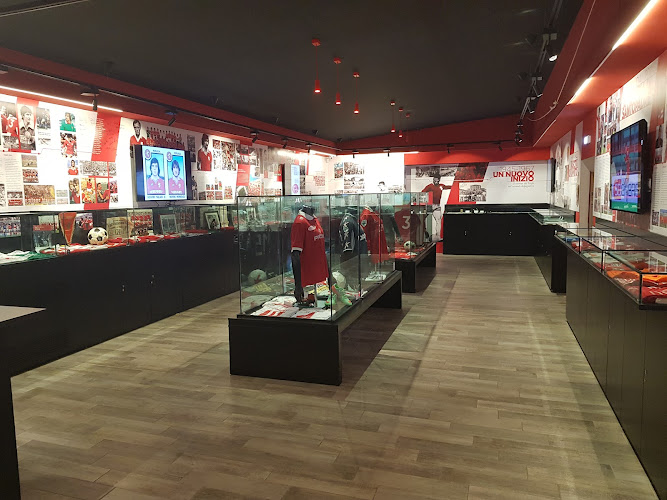
AC Perugia Calcio Museum
Acquedotto medievale di Perugia
Tours & Activities
GetYourGuide provides this tour inventory. We may earn a commission if you book through it; verify current availability, prices, and terms with the provider.
Visitor Reviews
There are no reviews yet. Be the first one to write one.
Share Your Experience
Have you visited Centro storico di Perugia? Help other travelers by leaving a review.