
Casablanca
About Casablanca
Key Features
More Details
Updated April 15, 2024
## Casablanca, Morocco: A Practical City Guide to Morocco’s Atlantic Powerhouse
Casablanca is Morocco’s largest city and economic engine, home to more than three million residents in the city proper and over four million across the wider urban area. Set on the Atlantic coast, it’s a working port city first and a tourist destination second—which is exactly what makes it interesting. You’re stepping into a place where finance, trade, migration, street markets, and modern mega-projects all sit next to historic mosques and Art Deco façades.
This guide focuses on how Casablanca actually works today: how to move around, where to focus your time, and what to know about safety, etiquette, and inclusivity before you go.
—
## Orienting Yourself in Casablanca
Casablanca sits on Morocco’s central Atlantic coast, in the Casablanca-Settat region, spread across low-lying coastal plains. It functions as:
– Economic and business capital of Morocco, with a large share of national industry, banking, and exports concentrated here.
– Chief Atlantic port, handling a major portion of Morocco’s commercial shipping.
– Transport hub, anchored by Mohammed V International Airport and the Casa Voyageurs railway station, which connects to the national ONCF rail network.
For visitors, that translates into good transport links, a relatively cosmopolitan feel, and a city that’s busier on weekdays than weekends.
—
## Essential Things to See and Do in Casablanca
### Hassan II Mosque: Casablanca’s Landmark
The Hassan II Mosque is Casablanca’s defining sight and its main tourist attraction. Built partly over the Atlantic, it’s one of the largest mosques in the world and the second-largest in Africa.
Key practical points:
– Guided tours only for non-Muslim visitors. Entry is via timed guided tours rather than free wandering; most sources describe prices typically in the range of about 120–200 MAD per adult (roughly US$12–20), depending on tour type and season. Travel
– What to wear. Standard mosque etiquette applies: shoulders and legs covered; headscarves for women are recommended by many tour providers even if not always strictly enforced. Travel
– Accessibility. The vast surrounding plaza is flat and paved; however, internal access may involve stairs and crowding during busy tour slots. If accessibility is important, confirm current arrangements when you book.
> Outdated info to ignore: Older guidebooks and blogs sometimes quote lower fixed ticket prices; these have risen over the last few years and can vary by provider, so always check the latest rate when booking. Travel
Even if you don’t go inside, walking the seafront promenade around the mosque gives you wide Atlantic views and a sense of Casablanca’s scale.
—
### Old Medina & United Nations Square: Everyday City Life
Casablanca’s Old Medina is relatively compact compared with Fez or Marrakech, but it’s still useful for grounding yourself in daily life—produce stalls, small shops, and modest street food. Travellers describe it as more of a local market than a polished tourist souk, with cheap vegetables and a lively night market atmosphere.
Just outside the medina walls, United Nations Square (Place des Nations Unies) acts as a hinge between old and new city, served by the tram and surrounded by modern buildings. Hotel Group It’s a practical orientation point and an easy place to catch the tram deeper into town.
—
### Habous Quarter (New Medina)
South-east of the historical centre, the Habous Quarter (often called the “New Medina”) was laid out during the French protectorate, blending Moorish and European planning. It’s known for arcaded streets, small mosques, traditional bakeries, and shops selling books, leather, and handicrafts.
Compared with the Old Medina, streets here are wider and more orderly, which many visitors find easier for a first introduction to Moroccan markets and everyday shopping.
—
### Corniche Ain Diab & the Atlantic Coast
For sea air and open horizons, head to the Corniche Ain Diab, a long waterfront strip west of the city centre with beach access, cafés, hotels, and nightlife. Travel guides describe it as one of Casablanca’s key leisure districts and a classic place for an evening stroll or sunset drink.
Water quality and beach conditions can vary; this is more of an urban seafront than a pristine resort, but it’s good for walking, sea views, and watching local families and groups enjoy the promenade.
—
### Mohammed V Square and Art Deco Casablanca
Casablanca’s downtown core is one of North Africa’s important Art Deco and Neo-Moorish cityscapes. The best starting point is Mohammed V Square:
– Established in 1916 as the administrative square of the French “new city.”
– Surrounded by major public buildings (courthouse, former city hall/“Wilaya”, central post office, Bank Al-Maghrib, French consulate) featuring Neo-Moorish and Art Deco façades.
– Renovated in 2020 with a new Grand Theatre on the western edge and a relocated circular fountain, preserving the square’s role as the symbolic “heart” of the city.
From here you can walk along Boulevard Mohammed V, where preserved buildings such as the former Shell building and the Maret building show classic 1930s Art Deco and mixed Neo-Moorish styles.
Nearby, Arab League Park and the former Sacré-Cœur church (now a cultural venue) add another layer of early-20th-century architecture and green space. Hotel Group
> Outdated info to ignore: Some older material still refers to Mohammed V Square by colonial names such as “Place de France” or highlights a now-relocated equestrian statue. The current layout includes the Grand Theatre and a modernised fountain system instead.
—
## Getting In and Around Casablanca
### From the Airport to the City
Casablanca’s Mohammed V International Airport is the country’s main international gateway. Rail and road links connect it with the city:
– Train (ONCF): Hourly trains run from the airport to Casa Voyageurs station; the journey takes about 35 minutes, with tickets in the 14–30 MAD range depending on class.
– Shuttle/transfer services: Dedicated shuttles and private transfers also link the airport to Casa Voyageurs and central hotels, typically in the 30–35 minute range in normal traffic.
Casa Voyageurs itself is the main national rail hub, operating since 1923 and now modernised as a key ONCF node. Casablanca Airport
> Forward-looking change: Morocco has approved a major rail expansion, including high-speed lines linking Rabat, Casablanca, Marrakech and beyond by around 2030, which should cut journey times significantly once completed. Timelines on large infrastructure projects often shift, so check for current status if you’re planning far ahead.
### Trams, Busways, and Taxis
As of 2024, the Casablanca Tramway network consists of four lines (T1–T4) with around 74 km of track and 110 stops, forming the backbone of urban public transport. There is also a Busway system with two lines (BW1–BW2) operating as high-capacity bus rapid transit.
Practical fare info:
– Recent traveller reports mention single tram rides costing roughly 6–8 MAD, with multi-trip tickets and passes available (e.g. weekly or monthly).
– Tickets can be bought at machines at tram stops; dedicated Casa Tramway offices also sell and reload cards.
> Outdated info to ignore: Many older blogs still state that Casablanca has only “two tram lines.” That was true when the network opened; it has since expanded to four lines plus two Busway routes.
Petits taxis and app-based taxis also operate widely. As everywhere, agree the fare or ensure the meter is on before riding.
—
## Climate and When to Go
Casablanca has a Mediterranean climate moderated by the Atlantic: mild, wet winters and warm, generally dry summers.
Recent climate summaries give a good practical range:
– Typical winter daytime temperatures sit around 17–20°C, with cooler evenings and most of the year’s rainfall between roughly November and March.
– Summer brings warm, often dry weather; average highs in August are around 26–27°C, noticeably cooler than inland cities thanks to the ocean.
Because of this moderation, Casablanca works as a year-round city stop. For travellers who dislike intense heat while walking city streets, late spring and early autumn are especially comfortable.
—
## Safety, Etiquette, and Inclusivity
### General Safety
Recent safety guides describe Casablanca as generally safe, with violent crime against visitors uncommon, but with petty theft in crowded areas a recurring issue. Desert Trips
Practical steps:
– Keep valuables secured in markets, on trams, and around busy squares.
– Avoid poorly lit or deserted areas at night, particularly in and around some older districts. Desert Trips
– On the Corniche and beaches, keep an eye on bags and phones while you’re in the water. Hathaway Travel Protection
### Dress and Public Behaviour
Morocco is a majority-Muslim country with conservative social norms:
– Travel advisories recommend dressing modestly—shoulders and legs roughly to the knee covered—especially around religious sites and in traditional neighbourhoods.
– Public displays of affection between couples are widely discouraged; several official advisories explicitly recommend avoiding kissing or close physical contact in public.
These expectations apply to all visitors regardless of background and are especially important during Ramadan.
### LGBTQ+ Travellers
Here it’s important to be explicit and factual:
Table of Contents
Key Highlights
Casablanca
Location
Places to Stay Near Casablanca
Find and Book a Tour
Explore More Travel Guides
No reviews found! Be the first to review!
Traveler Reviews for Casablanca
There are no reviews yet. Be the first one to write one.
Have you visited Casablanca? Help other travelers by sharing your review.
You Might Also Like

Sacred Heart Cathedral
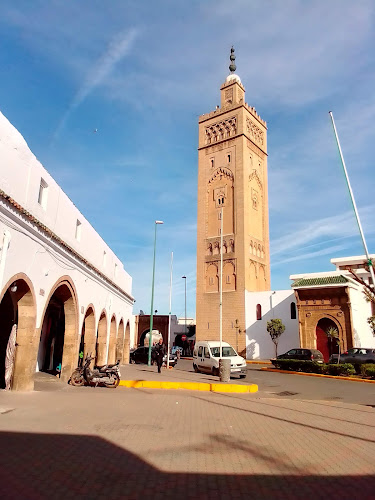
Mosquée habous

Church of Notre Dame of Lourdes
Find Accommodations Nearby
Recommended Tours & Activities
Visitor Reviews
There are no reviews yet. Be the first one to write one.
Share Your Experience
Have you visited Casablanca? Help other travelers by leaving a review.