

Caesaraugusta Roman Baths Museum
About Caesaraugusta Roman Baths Museum
Description
The Caesaraugusta Roman Baths Museum is a compact archaeological museum that drops travelers straight into daily life in Roman Zaragoza — the city Romans called Caesaraugusta. Expect an intimate, underground space built over the public baths, where well-preserved remains and an engaging audiovisual presentation stitch together a story of heat, steam, conversation, and civic pride two millennia old. It’s not a sprawling labyrinth of galleries; think concise, well-edited, and focused on quality over quantity. And that’s exactly why many visitors come away surprised at how much they learned in a short time.
What this museum offers, in a nutshell, is context. Standing a few steps above the frigidarium or looking across the footprint of a porticoed pool, you can trace the classic Roman bathing circuit — warm-up in the tepidarium, sweat it out in the caldarium, plunge into the frigidarium — and start to picture the social and cultural heartbeat of the city of Caesaraugusta. Public bathing in Roman times was not just personal hygiene; it was exercise, networking, gossip, deals, politics. The museum provides a tangible connection to all that, allowing visitors to read an inscription here, study heating ducts there, and then let the short film pull each detail into focus.
Signage is clear and helpful, with concise explanations that keep you moving. The atmosphere is quiet, the lighting low and purposeful. There’s glass flooring in places to protect the remains of the public baths while still giving close-up views of drains, foundations, and the hypocaust heating system. It’s very much an archaeological site turned museum, so don’t expect the density of artifacts you’d find in big art museums; the star here is the site itself. The audiovisual presentation (typically offered with Spanish audio and English support via captions or handouts) helps non-specialists follow the Roman bathing sequence and understand the aedile’s role — the magistrate who oversaw public buildings like these termas. If the English options aren’t obvious on the day you visit, just ask. The staff are used to that question.
A quick aside, because it helps set expectations: on a winter afternoon with the famous cierzo wind howling through Zaragoza’s streets, this writer ducked into the baths museum to warm up and ended up spending nearly 45 minutes tracing tiny details in the masonry. It’s that kind of space — compact enough to digest in one go, but layered enough to reward a patient gaze. Families often appreciate that balance; kids can follow the route through the baths like a mini quest, and the models and video keep them engaged without overstaying their attention spans.
For travelers planning a broader dive into Roman Zaragoza, the baths museum is one of four Roman museums in the Caesaraugusta route, alongside the Forum Museum, the River Port Museum, and the Theatre Museum. A multi-site ticket is usually the smart play; it spreads context across multiple places and turns a one-off visit into a comprehensive experience of the city’s Roman past. If time is tight, pairing the baths with the theatre or forum gives a strong contrast between everyday life and public spectacle.
One more practical note that visitors always ask: can you still bathe here? No — these are archaeological remains, not thermal baths you can dip into. The museum offers a glimpse into the ancient city, not a spa day. But it does deliver the next best thing: a close look at how Roman citizens used architecture and engineering to create public comfort and community. The remains of a large porticoed pool, latrine areas, and the recognizable warm-cold-hot sequence form a kind of open-book lesson in Roman bathing culture.
Key Features
- Archaeological remains of Roman baths: See structural traces of the caldarium, tepidarium, and frigidarium, plus evidence of the hypocaust heating system and drain channels.
- Porticoed pool area: The footprint of a porticoed pool highlights how swimmers and loungers used the space, a social core for the public baths of Caesaraugusta.
- Latrine and hygiene insights: Displays explain Roman sanitation and the social etiquette around bathing — practical and surprisingly relatable.
- Engaging audiovisual presentation: A concise, well-produced film ties the site together; typically with Spanish audio and English support (subtitles or handouts). Ask staff for language options.
- Clear, bilingual-friendly signage: Explanations are straightforward and informative, enhancing the visitor experience without overwhelming with jargon.
- Compact, focused layout: A concise museum in Zaragoza designed for depth, not breadth — easy to see in 25–45 minutes.
- Part of the Caesaraugusta route: Combine with the Forum, River Port, and Theatre for a broader picture of Roman Zaragoza in Aragon.
- Kid-friendly approach: Interactive models and a clear bathing circuit make it a good pick for families; the short visit time helps too.
- Photography policy: Non-flash photography is generally acceptable; check on-site signage for any restricted areas.
- Accessibility: Wheelchair accessible entrance and restroom. Note: there is no wheelchair-designated parking lot at the museum; plan drop-offs or nearby garages.
- Visitor amenities: Restroom available; no on-site restaurant. Plenty of food options in the Old Town nearby.
Best Time to Visit
Zaragoza’s weather has personality. Summers get hot (honestly, quite hot at midday), winters can be crisp with that infamous cierzo wind cutting through. Spring and autumn are the sweet spot for gentle temperatures and comfortable walking. If you’re visiting in midsummer, consider timing this stop for early afternoon — the museum’s interior stays pleasantly cool and makes a perfect heat escape between outdoor sights.
As for crowds, weekends and local holidays bring more visitors across all Roman museums. Mornings or late afternoons on weekdays tend to be quieter, and you’ll have more lingering room by the glass walkways. If you plan to visit multiple Roman sites with a combined ticket, spreading them across the day works well: start with the Forum Museum for a big-picture introduction, dive into the baths museum around midday, and save the Theatre Museum for late afternoon when the light outside softens.
Keep in mind that many museums in Spain operate split schedules on some days (closing for a midday break). The baths museum sometimes follows that rhythm too. To avoid showing up to locked doors, check same-day hours before you go or confirm at a neighboring site in the Caesaraugusta route. Flexibility helps, especially if you’re piecing together a day-by-day Zaragoza plan that includes the Basilica del Pilar, La Seo, and a tapas run through El Tubo.
Rainy day? Go. The museum is underground and the audiovisual exhibition hits differently when it’s cozy inside and damp outside. On a windy day, it’s downright bliss to step into the calm of cool stone and quiet narration.
How to Get There
The museum is located in Zaragoza’s atmospheric Old Town, within easy walking distance of the Basilica del Pilar and La Seo Cathedral. If you’re already exploring the historic center, think of it as a short, pleasant stroll from the main squares and riverfront.
On public transit, Zaragoza’s central tram line and multiple bus routes serve the Old Town area efficiently. Ride to the stops closest to the Basilica or the historic walls and continue on foot — you’ll pick up signs for the Roman museums along the way. Taxis and ride-hailing services can drop you near the pedestrianized core; it’s then a brief walk to the baths museum entrance.
Arriving by train to Zaragoza-Delicias? Figure on a 15–25 minute ride by tram or bus to the center, depending on time of day. If you’re traveling with kids or mobility gear, taxis from the station can be surprisingly cost-effective and save a transfer.
Driving in? A friendly caution: parking in the Old Town can be tight. Street spaces turn over slowly and restrictions vary. Aim for a public garage around the city center and walk in. There is no dedicated wheelchair-accessible parking lot at the museum, so the best move is to use a nearby garage with accessible spots, then take a relatively flat route across the historic core. If you’re visiting multiple Roman archaeological sites in Zaragoza, one central parking choice usually covers the whole day’s plan.
Tips for Visiting
- Pair it wisely: The baths museum shines when combined with at least one other Caesaraugusta site. The Theatre Museum adds wow-factor architecture; the Forum Museum adds civic context; the River Port underscores how trade flowed into the Roman city.
- Look for the combined ticket: Ask about the Caesaraugusta route pass, which typically covers all four Roman museums. It’s a money saver and makes hopping between sites smoother.
- Budget your time: Most visitors spend 25–45 minutes here. To do the full Roman route comfortably, plan 2.5–3.5 hours across the day.
- Ask for English support: The audiovisual presentation is often Spanish-led with English captions or handouts. If you don’t see the English materials, request them at the desk.
- Photography etiquette: Non-flash photos are usually fine, but watch for signs indicating sensitive areas. The glass floors can reflect — tilt your camera or step slightly aside to reduce glare.
- Dress smart for glass walkways: Wear shoes with decent grip. Those glass sections are safe, of course, but slick soles and camera distractions can make for clumsy moments.
- No food or drinks inside: Finish your coffee before entering. If hunger strikes after, you’re in luck — Old Town Zaragoza has endless tapas options within a few blocks.
- Accessibility notes: The museum features a wheelchair accessible entrance and restroom. Lighting is intentionally low in some zones to protect archaeological remains; take your time adjusting between spaces.
- Kids’ mini-mission: Challenge them to map the Roman bathing circuit — warm room, hot room, then cold plunge — and ask which room they’d choose first. It turns observation into a game.
- Guided tours: Occasional guided visits may be scheduled, typically in Spanish. If that’s important to you, ask at the counter or check with local tourism offices earlier in the day. Otherwise, the self-guided route and audiovisual piece work well.
- Plan for a split schedule: On certain days, the museum may close midday. If you’re building a day-by-day itinerary in Zaragoza, slot the baths between other nearby stops so you can pivot if necessary.
- Context boosts enjoyment: A quick read about Augustus and the founding of Caesaraugusta adds color. You’ll better appreciate how these public baths served a growing Roman city in Aragon, entwined with politics, commerce, and daily ritual.
- Photography idea: Capture the layering — modern Zaragoza above, ancient city below. A wide shot over the porticoed pool or the heating channels tells that story in a single frame.
- Weather-smart planning: In summer heat, tuck the baths into the hottest part of your day; in winter wind, use it as a warm, quiet interlude between outdoor sights.
- Don’t expect a spa: This is a museum of public baths, not a functioning thermal complex. No hot springs, no swimming pools you can enter. But the swimming pool they built, the remains, that’s the magic: it shows the scale of Roman ambition and civic design.
- Combine with food nearby: There’s no restaurant inside, but you’re close to Zaragoza’s classic tapas lanes. A bite after the museum pairs nicely with discussing what surprised you most about Roman life.
- Respect the site: The archaeological remains are delicate. Stay on marked paths and resist the urge to lean on ancient brickwork for that perfect selfie.
- If you only have an hour in Roman Zaragoza: Do the baths museum plus a quick look at the theatre. You’ll come away with intimate daily life and big public spectacle — a solid contrast in minimal time.
- Build a Roman-themed day: Morning at the Forum Museum to frame the city’s political center, lunch in the Old Town, early afternoon in the Caesaraugusta Roman Baths Museum, late afternoon at the Theatre Museum, and sunset stroll by the river. That’s the Caesaraugusta route, made practical.
The museum in Zaragoza is small, yes. But it’s honestly the good kind of small — the sort that respects your time and still delivers depth. It offers visitors a clear, well-organized narrative of Roman bathing, peppered with clever details like the aedile’s oversight, porticoed design choices, and the ways heating systems shaped the social rooms. If you’re drawn to history and archaeology or just curious how ancient cities worked on an everyday level, the Caesaraugusta Roman Baths Museum offers that rare, quietly powerful experience: a direct line from Roman times to your own, right under your feet.
Key Features
- In situ remains of a Roman public bath including a 9.7 m porticoed bathing pool
- Well-preserved latrines and circulation areas illustrating bath routines
- Subterranean, atmospheric setting beneath Zaragoza’s old town
- Interpretive panels explaining Roman bathing rituals and site history
- Part of the Caesaraugusta archaeological route linking forum, theatre and river port
More Details
Updated November 2, 2025
Table of Contents
Description
The Caesaraugusta Roman Baths Museum is a compact archaeological museum that drops travelers straight into daily life in Roman Zaragoza — the city Romans called Caesaraugusta. Expect an intimate, underground space built over the public baths, where well-preserved remains and an engaging audiovisual presentation stitch together a story of heat, steam, conversation, and civic pride two millennia old. It’s not a sprawling labyrinth of galleries; think concise, well-edited, and focused on quality over quantity. And that’s exactly why many visitors come away surprised at how much they learned in a short time.
What this museum offers, in a nutshell, is context. Standing a few steps above the frigidarium or looking across the footprint of a porticoed pool, you can trace the classic Roman bathing circuit — warm-up in the tepidarium, sweat it out in the caldarium, plunge into the frigidarium — and start to picture the social and cultural heartbeat of the city of Caesaraugusta. Public bathing in Roman times was not just personal hygiene; it was exercise, networking, gossip, deals, politics. The museum provides a tangible connection to all that, allowing visitors to read an inscription here, study heating ducts there, and then let the short film pull each detail into focus.
Signage is clear and helpful, with concise explanations that keep you moving. The atmosphere is quiet, the lighting low and purposeful. There’s glass flooring in places to protect the remains of the public baths while still giving close-up views of drains, foundations, and the hypocaust heating system. It’s very much an archaeological site turned museum, so don’t expect the density of artifacts you’d find in big art museums; the star here is the site itself. The audiovisual presentation (typically offered with Spanish audio and English support via captions or handouts) helps non-specialists follow the Roman bathing sequence and understand the aedile’s role — the magistrate who oversaw public buildings like these termas. If the English options aren’t obvious on the day you visit, just ask. The staff are used to that question.
A quick aside, because it helps set expectations: on a winter afternoon with the famous cierzo wind howling through Zaragoza’s streets, this writer ducked into the baths museum to warm up and ended up spending nearly 45 minutes tracing tiny details in the masonry. It’s that kind of space — compact enough to digest in one go, but layered enough to reward a patient gaze. Families often appreciate that balance; kids can follow the route through the baths like a mini quest, and the models and video keep them engaged without overstaying their attention spans.
For travelers planning a broader dive into Roman Zaragoza, the baths museum is one of four Roman museums in the Caesaraugusta route, alongside the Forum Museum, the River Port Museum, and the Theatre Museum. A multi-site ticket is usually the smart play; it spreads context across multiple places and turns a one-off visit into a comprehensive experience of the city’s Roman past. If time is tight, pairing the baths with the theatre or forum gives a strong contrast between everyday life and public spectacle.
One more practical note that visitors always ask: can you still bathe here? No — these are archaeological remains, not thermal baths you can dip into. The museum offers a glimpse into the ancient city, not a spa day. But it does deliver the next best thing: a close look at how Roman citizens used architecture and engineering to create public comfort and community. The remains of a large porticoed pool, latrine areas, and the recognizable warm-cold-hot sequence form a kind of open-book lesson in Roman bathing culture.
Key Features
- Archaeological remains of Roman baths: See structural traces of the caldarium, tepidarium, and frigidarium, plus evidence of the hypocaust heating system and drain channels.
- Porticoed pool area: The footprint of a porticoed pool highlights how swimmers and loungers used the space, a social core for the public baths of Caesaraugusta.
- Latrine and hygiene insights: Displays explain Roman sanitation and the social etiquette around bathing — practical and surprisingly relatable.
- Engaging audiovisual presentation: A concise, well-produced film ties the site together; typically with Spanish audio and English support (subtitles or handouts). Ask staff for language options.
- Clear, bilingual-friendly signage: Explanations are straightforward and informative, enhancing the visitor experience without overwhelming with jargon.
- Compact, focused layout: A concise museum in Zaragoza designed for depth, not breadth — easy to see in 25–45 minutes.
- Part of the Caesaraugusta route: Combine with the Forum, River Port, and Theatre for a broader picture of Roman Zaragoza in Aragon.
- Kid-friendly approach: Interactive models and a clear bathing circuit make it a good pick for families; the short visit time helps too.
- Photography policy: Non-flash photography is generally acceptable; check on-site signage for any restricted areas.
- Accessibility: Wheelchair accessible entrance and restroom. Note: there is no wheelchair-designated parking lot at the museum; plan drop-offs or nearby garages.
- Visitor amenities: Restroom available; no on-site restaurant. Plenty of food options in the Old Town nearby.
Best Time to Visit
Zaragoza’s weather has personality. Summers get hot (honestly, quite hot at midday), winters can be crisp with that infamous cierzo wind cutting through. Spring and autumn are the sweet spot for gentle temperatures and comfortable walking. If you’re visiting in midsummer, consider timing this stop for early afternoon — the museum’s interior stays pleasantly cool and makes a perfect heat escape between outdoor sights.
As for crowds, weekends and local holidays bring more visitors across all Roman museums. Mornings or late afternoons on weekdays tend to be quieter, and you’ll have more lingering room by the glass walkways. If you plan to visit multiple Roman sites with a combined ticket, spreading them across the day works well: start with the Forum Museum for a big-picture introduction, dive into the baths museum around midday, and save the Theatre Museum for late afternoon when the light outside softens.
Keep in mind that many museums in Spain operate split schedules on some days (closing for a midday break). The baths museum sometimes follows that rhythm too. To avoid showing up to locked doors, check same-day hours before you go or confirm at a neighboring site in the Caesaraugusta route. Flexibility helps, especially if you’re piecing together a day-by-day Zaragoza plan that includes the Basilica del Pilar, La Seo, and a tapas run through El Tubo.
Rainy day? Go. The museum is underground and the audiovisual exhibition hits differently when it’s cozy inside and damp outside. On a windy day, it’s downright bliss to step into the calm of cool stone and quiet narration.
How to Get There
The museum is located in Zaragoza’s atmospheric Old Town, within easy walking distance of the Basilica del Pilar and La Seo Cathedral. If you’re already exploring the historic center, think of it as a short, pleasant stroll from the main squares and riverfront.
On public transit, Zaragoza’s central tram line and multiple bus routes serve the Old Town area efficiently. Ride to the stops closest to the Basilica or the historic walls and continue on foot — you’ll pick up signs for the Roman museums along the way. Taxis and ride-hailing services can drop you near the pedestrianized core; it’s then a brief walk to the baths museum entrance.
Arriving by train to Zaragoza-Delicias? Figure on a 15–25 minute ride by tram or bus to the center, depending on time of day. If you’re traveling with kids or mobility gear, taxis from the station can be surprisingly cost-effective and save a transfer.
Driving in? A friendly caution: parking in the Old Town can be tight. Street spaces turn over slowly and restrictions vary. Aim for a public garage around the city center and walk in. There is no dedicated wheelchair-accessible parking lot at the museum, so the best move is to use a nearby garage with accessible spots, then take a relatively flat route across the historic core. If you’re visiting multiple Roman archaeological sites in Zaragoza, one central parking choice usually covers the whole day’s plan.
Tips for Visiting
- Pair it wisely: The baths museum shines when combined with at least one other Caesaraugusta site. The Theatre Museum adds wow-factor architecture; the Forum Museum adds civic context; the River Port underscores how trade flowed into the Roman city.
- Look for the combined ticket: Ask about the Caesaraugusta route pass, which typically covers all four Roman museums. It’s a money saver and makes hopping between sites smoother.
- Budget your time: Most visitors spend 25–45 minutes here. To do the full Roman route comfortably, plan 2.5–3.5 hours across the day.
- Ask for English support: The audiovisual presentation is often Spanish-led with English captions or handouts. If you don’t see the English materials, request them at the desk.
- Photography etiquette: Non-flash photos are usually fine, but watch for signs indicating sensitive areas. The glass floors can reflect — tilt your camera or step slightly aside to reduce glare.
- Dress smart for glass walkways: Wear shoes with decent grip. Those glass sections are safe, of course, but slick soles and camera distractions can make for clumsy moments.
- No food or drinks inside: Finish your coffee before entering. If hunger strikes after, you’re in luck — Old Town Zaragoza has endless tapas options within a few blocks.
- Accessibility notes: The museum features a wheelchair accessible entrance and restroom. Lighting is intentionally low in some zones to protect archaeological remains; take your time adjusting between spaces.
- Kids’ mini-mission: Challenge them to map the Roman bathing circuit — warm room, hot room, then cold plunge — and ask which room they’d choose first. It turns observation into a game.
- Guided tours: Occasional guided visits may be scheduled, typically in Spanish. If that’s important to you, ask at the counter or check with local tourism offices earlier in the day. Otherwise, the self-guided route and audiovisual piece work well.
- Plan for a split schedule: On certain days, the museum may close midday. If you’re building a day-by-day itinerary in Zaragoza, slot the baths between other nearby stops so you can pivot if necessary.
- Context boosts enjoyment: A quick read about Augustus and the founding of Caesaraugusta adds color. You’ll better appreciate how these public baths served a growing Roman city in Aragon, entwined with politics, commerce, and daily ritual.
- Photography idea: Capture the layering — modern Zaragoza above, ancient city below. A wide shot over the porticoed pool or the heating channels tells that story in a single frame.
- Weather-smart planning: In summer heat, tuck the baths into the hottest part of your day; in winter wind, use it as a warm, quiet interlude between outdoor sights.
- Don’t expect a spa: This is a museum of public baths, not a functioning thermal complex. No hot springs, no swimming pools you can enter. But the swimming pool they built, the remains, that’s the magic: it shows the scale of Roman ambition and civic design.
- Combine with food nearby: There’s no restaurant inside, but you’re close to Zaragoza’s classic tapas lanes. A bite after the museum pairs nicely with discussing what surprised you most about Roman life.
- Respect the site: The archaeological remains are delicate. Stay on marked paths and resist the urge to lean on ancient brickwork for that perfect selfie.
- If you only have an hour in Roman Zaragoza: Do the baths museum plus a quick look at the theatre. You’ll come away with intimate daily life and big public spectacle — a solid contrast in minimal time.
- Build a Roman-themed day: Morning at the Forum Museum to frame the city’s political center, lunch in the Old Town, early afternoon in the Caesaraugusta Roman Baths Museum, late afternoon at the Theatre Museum, and sunset stroll by the river. That’s the Caesaraugusta route, made practical.
The museum in Zaragoza is small, yes. But it’s honestly the good kind of small — the sort that respects your time and still delivers depth. It offers visitors a clear, well-organized narrative of Roman bathing, peppered with clever details like the aedile’s oversight, porticoed design choices, and the ways heating systems shaped the social rooms. If you’re drawn to history and archaeology or just curious how ancient cities worked on an everyday level, the Caesaraugusta Roman Baths Museum offers that rare, quietly powerful experience: a direct line from Roman times to your own, right under your feet.
Key Highlights
- In situ remains of a Roman public bath including a 9.7 m porticoed bathing pool
- Well-preserved latrines and circulation areas illustrating bath routines
- Subterranean, atmospheric setting beneath Zaragoza’s old town
- Interpretive panels explaining Roman bathing rituals and site history
- Part of the Caesaraugusta archaeological route linking forum, theatre and river port
Location
Places to Stay Near Caesaraugusta Roman Baths Museum
Find and Book a Tour
Explore More Travel Guides
No reviews found! Be the first to review!
Traveler Reviews for Caesaraugusta Roman Baths Museum
There are no reviews yet. Be the first one to write one.
Have you visited Caesaraugusta Roman Baths Museum? Help other travelers by sharing your review.
Nearby Attractions
You Might Also Like

Aljafería Palace
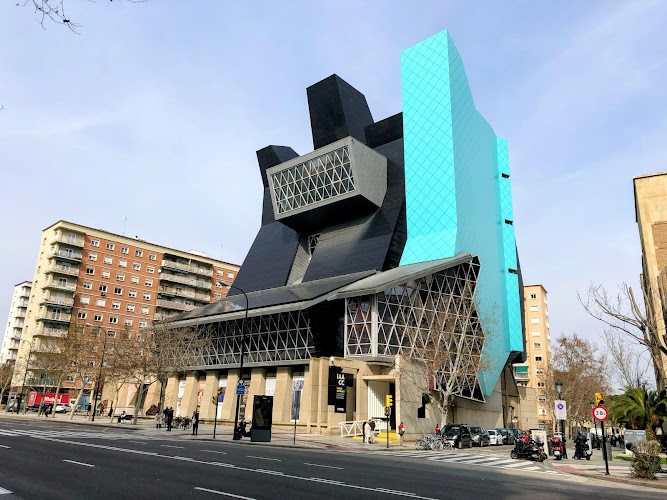
IAACC Pablo Serrano

Escuela Museo de Origami Zaragoza (EMOZ)
Find Accommodations Nearby
Recommended Tours & Activities
Visitor Reviews
There are no reviews yet. Be the first one to write one.
Share Your Experience
Have you visited Caesaraugusta Roman Baths Museum? Help other travelers by leaving a review.