

Caesaraugusta River Harbor Museum
About Caesaraugusta River Harbor Museum
Description
The Caesaraugusta River Harbor Museum is one of those places that quietly surprises you. Tucked away in the heart of Zaragoza’s old quarter, it’s not just another museum—it’s a journey back nearly two thousand years to when this city was a bustling Roman port. The museum stands over the remnants of the ancient harbor of Caesaraugusta, the Roman name for Zaragoza, and it’s part of a fascinating network of archaeological sites that reveal how deeply Roman culture shaped the city’s identity. What’s really striking is how seamlessly the museum blends modern presentation with ancient ruins. You walk through glass walkways suspended above excavated docks, storage areas, and even parts of the old river channel, and you can practically imagine the creak of wooden ships unloading goods from distant corners of the empire.
It’s not an enormous museum, and that’s part of its charm. You don’t feel overwhelmed or rushed; you can take your time to absorb the atmosphere, the dim lighting, the subtle sound effects of water and trade echoing through the space. There’s a calmness here, a kind of reverence for the past that feels genuine. Some visitors might expect flashy displays or interactive screens at every turn, but the museum’s strength lies in its authenticity. The exhibits are straightforward, yet thoughtfully curated, with models and reconstructions that help you visualize what life along the Ebro River might have looked like two millennia ago. For those who love history, archaeology, or just the feeling of standing somewhere ancient, it’s an absolute gem. And even if you’re not a history buff, you’ll find the experience strangely grounding—like a quiet conversation with time itself.
Key Features
- Authentic Roman ruins: The museum is built directly over the remains of Caesaraugusta’s ancient river port, offering visitors an up-close look at the original stone docks and infrastructure.
- Immersive atmosphere: Subtle lighting and sound effects recreate the ambiance of a Roman harbor, making the visit feel more like an experience than a simple exhibit.
- Educational exhibits: Informative panels, scale models, and multimedia presentations explain how the harbor functioned as a vital trade hub during the Roman Empire.
- Part of a museum network: The River Harbor Museum is one of four archaeological museums in Zaragoza dedicated to Caesaraugusta’s Roman heritage, including the Forum, Theater, and Public Baths.
- Accessibility: The museum offers wheelchair-accessible entrances and restrooms, ensuring that most visitors can explore comfortably.
- Family-friendly: Its manageable size and engaging displays make it a good stop for families traveling with children.
- Modern design meets ancient history: The architectural contrast between glass, steel, and ancient stone creates a visually striking environment.
- Audio guides available: Visitors can use audio guides in multiple languages for a deeper understanding of the site’s history.
- Central location: Situated in Zaragoza’s historic core, it’s easy to combine a visit here with nearby attractions, cafés, and plazas.
Personally, what I love most about this museum is how it doesn’t try too hard. It doesn’t overwhelm you with digital gimmicks or endless text panels. Instead, it lets the ruins speak for themselves. I remember standing there, staring at the old stone channel that once carried the river’s flow, and thinking how many hands had worked those docks, how much life had passed through that space. It’s humbling, honestly. You realize that this city has been a crossroads for centuries, and this museum captures that continuity beautifully.
Best Time to Visit
If you ask locals, they’ll tell you Zaragoza is best explored in spring or autumn, and I tend to agree. The weather is mild, the light is golden, and you can stroll through the old town without breaking a sweat. Visiting the Caesaraugusta River Harbor Museum during these seasons means fewer crowds and more time to linger over the exhibits. Summer can get quite warm, though the museum itself stays cool inside, so it’s not unbearable. Winter, on the other hand, has its own quiet charm—fewer tourists, shorter lines, and a cozy atmosphere that makes the underground ruins feel even more mysterious.
Weekdays are generally less busy than weekends, and mornings tend to be the calmest time of day. I’ve popped in just after opening on a Tuesday before, and it felt like I had the whole place to myself. That’s when you really notice the details—the texture of the ancient stones, the faint echo of your footsteps, the way the lighting changes as you move through the space. If you’re planning a broader Roman-themed day, you can easily pair your visit with the nearby Forum Museum or the Theater Museum, both within walking distance. It’s like piecing together a puzzle of ancient Zaragoza, one site at a time.
How to Get There
The Caesaraugusta River Harbor Museum sits right in the heart of Zaragoza’s old quarter, so it’s easy to find once you’re in the city center. If you’re staying anywhere near the Basilica del Pilar or the Ebro River, you can reach it on foot in just a few minutes. Walking really is the best way to explore this part of Zaragoza—the narrow streets, the mix of old and new architecture, the smell of coffee drifting from nearby cafés—it all adds to the experience.
For those coming from farther out, the city’s public transport system is efficient and straightforward. Several bus lines stop nearby, and taxis or ride-share services can drop you off right at the entrance. If you’re driving, parking in the old town can be tricky, so I’d suggest leaving your car in one of the larger parking lots on the outskirts and walking in. It’s worth it, trust me. The museum’s location makes it perfect for combining with other attractions—after your visit, you can wander to the riverbank, grab a bite at a local tapas bar, or simply sit in a plaza and watch the world go by. That’s the beauty of Zaragoza: everything feels connected, both physically and historically.
Tips for Visiting
Here’s where a bit of insider knowledge can make your visit smoother and more enjoyable. First off, give yourself enough time—an hour is usually plenty to explore the museum thoroughly without feeling rushed. But don’t just breeze through. Pause, look closely, and imagine what this place must have been like when ships arrived daily with goods and people from across the Roman world. It’s those little mental time-travel moments that make the visit special.
Wear comfortable shoes, because even though the museum isn’t huge, you’ll probably end up walking around the old town before or after. The floors inside are smooth and accessible, which is great if you’re traveling with kids or older family members. Speaking of which, children often find the models and reconstructions fascinating—it’s not every day they get to see a real Roman harbor. If you’re traveling with little ones, bring a snack for afterward, since there’s no restaurant inside, though plenty of cafés are nearby.
Photography is allowed (without flash), and honestly, the lighting makes for some beautiful shots. Just be mindful of others while snapping photos. I’d also recommend checking if there are any temporary exhibitions or guided tours happening during your visit—they sometimes host special events that dive deeper into specific aspects of Roman life, like trade or engineering. Those can be real eye-openers.
Accessibility-wise, the museum does a good job. There are ramps and elevators for wheelchair users, and restrooms are adapted as well. The only minor inconvenience is the lack of a dedicated accessible parking area right at the entrance, but nearby options make it manageable. If you rely on public transport or taxis, it’s not an issue at all.
And one last tip—don’t rush off right after your visit. Step outside and take a moment in the small plaza nearby. The contrast between the ancient ruins below and the lively modern city above is striking. I remember standing there once, hearing church bells ring while thinking about Roman traders shouting orders in Latin centuries ago. It’s that kind of place—quietly profound, layered with history, and full of small moments that stick with you long after you’ve left.
So, if you’re planning a trip to Zaragoza and want to experience something that connects you directly with the city’s roots, the Caesaraugusta River Harbor Museum is absolutely worth your time. It’s not flashy, but it’s real—and that authenticity is what makes it unforgettable. Plus, you’ll leave with a deeper appreciation for how this ancient Roman settlement evolved into the Zaragoza you see today. And honestly, isn’t that what travel is all about? Discovering the stories that lie just beneath the surface.
Key Features
- Key Features
- Best Time to Visit
- How to Get There
- Tips for Visiting
More Details
Updated November 6, 2025
Table of Contents
Description
The Caesaraugusta River Harbor Museum is one of those places that quietly surprises you. Tucked away in the heart of Zaragoza’s old quarter, it’s not just another museum—it’s a journey back nearly two thousand years to when this city was a bustling Roman port. The museum stands over the remnants of the ancient harbor of Caesaraugusta, the Roman name for Zaragoza, and it’s part of a fascinating network of archaeological sites that reveal how deeply Roman culture shaped the city’s identity. What’s really striking is how seamlessly the museum blends modern presentation with ancient ruins. You walk through glass walkways suspended above excavated docks, storage areas, and even parts of the old river channel, and you can practically imagine the creak of wooden ships unloading goods from distant corners of the empire.
It’s not an enormous museum, and that’s part of its charm. You don’t feel overwhelmed or rushed; you can take your time to absorb the atmosphere, the dim lighting, the subtle sound effects of water and trade echoing through the space. There’s a calmness here, a kind of reverence for the past that feels genuine. Some visitors might expect flashy displays or interactive screens at every turn, but the museum’s strength lies in its authenticity. The exhibits are straightforward, yet thoughtfully curated, with models and reconstructions that help you visualize what life along the Ebro River might have looked like two millennia ago. For those who love history, archaeology, or just the feeling of standing somewhere ancient, it’s an absolute gem. And even if you’re not a history buff, you’ll find the experience strangely grounding—like a quiet conversation with time itself.
Key Features
- Authentic Roman ruins: The museum is built directly over the remains of Caesaraugusta’s ancient river port, offering visitors an up-close look at the original stone docks and infrastructure.
- Immersive atmosphere: Subtle lighting and sound effects recreate the ambiance of a Roman harbor, making the visit feel more like an experience than a simple exhibit.
- Educational exhibits: Informative panels, scale models, and multimedia presentations explain how the harbor functioned as a vital trade hub during the Roman Empire.
- Part of a museum network: The River Harbor Museum is one of four archaeological museums in Zaragoza dedicated to Caesaraugusta’s Roman heritage, including the Forum, Theater, and Public Baths.
- Accessibility: The museum offers wheelchair-accessible entrances and restrooms, ensuring that most visitors can explore comfortably.
- Family-friendly: Its manageable size and engaging displays make it a good stop for families traveling with children.
- Modern design meets ancient history: The architectural contrast between glass, steel, and ancient stone creates a visually striking environment.
- Audio guides available: Visitors can use audio guides in multiple languages for a deeper understanding of the site’s history.
- Central location: Situated in Zaragoza’s historic core, it’s easy to combine a visit here with nearby attractions, cafés, and plazas.
Personally, what I love most about this museum is how it doesn’t try too hard. It doesn’t overwhelm you with digital gimmicks or endless text panels. Instead, it lets the ruins speak for themselves. I remember standing there, staring at the old stone channel that once carried the river’s flow, and thinking how many hands had worked those docks, how much life had passed through that space. It’s humbling, honestly. You realize that this city has been a crossroads for centuries, and this museum captures that continuity beautifully.
Best Time to Visit
If you ask locals, they’ll tell you Zaragoza is best explored in spring or autumn, and I tend to agree. The weather is mild, the light is golden, and you can stroll through the old town without breaking a sweat. Visiting the Caesaraugusta River Harbor Museum during these seasons means fewer crowds and more time to linger over the exhibits. Summer can get quite warm, though the museum itself stays cool inside, so it’s not unbearable. Winter, on the other hand, has its own quiet charm—fewer tourists, shorter lines, and a cozy atmosphere that makes the underground ruins feel even more mysterious.
Weekdays are generally less busy than weekends, and mornings tend to be the calmest time of day. I’ve popped in just after opening on a Tuesday before, and it felt like I had the whole place to myself. That’s when you really notice the details—the texture of the ancient stones, the faint echo of your footsteps, the way the lighting changes as you move through the space. If you’re planning a broader Roman-themed day, you can easily pair your visit with the nearby Forum Museum or the Theater Museum, both within walking distance. It’s like piecing together a puzzle of ancient Zaragoza, one site at a time.
How to Get There
The Caesaraugusta River Harbor Museum sits right in the heart of Zaragoza’s old quarter, so it’s easy to find once you’re in the city center. If you’re staying anywhere near the Basilica del Pilar or the Ebro River, you can reach it on foot in just a few minutes. Walking really is the best way to explore this part of Zaragoza—the narrow streets, the mix of old and new architecture, the smell of coffee drifting from nearby cafés—it all adds to the experience.
For those coming from farther out, the city’s public transport system is efficient and straightforward. Several bus lines stop nearby, and taxis or ride-share services can drop you off right at the entrance. If you’re driving, parking in the old town can be tricky, so I’d suggest leaving your car in one of the larger parking lots on the outskirts and walking in. It’s worth it, trust me. The museum’s location makes it perfect for combining with other attractions—after your visit, you can wander to the riverbank, grab a bite at a local tapas bar, or simply sit in a plaza and watch the world go by. That’s the beauty of Zaragoza: everything feels connected, both physically and historically.
Tips for Visiting
Here’s where a bit of insider knowledge can make your visit smoother and more enjoyable. First off, give yourself enough time—an hour is usually plenty to explore the museum thoroughly without feeling rushed. But don’t just breeze through. Pause, look closely, and imagine what this place must have been like when ships arrived daily with goods and people from across the Roman world. It’s those little mental time-travel moments that make the visit special.
Wear comfortable shoes, because even though the museum isn’t huge, you’ll probably end up walking around the old town before or after. The floors inside are smooth and accessible, which is great if you’re traveling with kids or older family members. Speaking of which, children often find the models and reconstructions fascinating—it’s not every day they get to see a real Roman harbor. If you’re traveling with little ones, bring a snack for afterward, since there’s no restaurant inside, though plenty of cafés are nearby.
Photography is allowed (without flash), and honestly, the lighting makes for some beautiful shots. Just be mindful of others while snapping photos. I’d also recommend checking if there are any temporary exhibitions or guided tours happening during your visit—they sometimes host special events that dive deeper into specific aspects of Roman life, like trade or engineering. Those can be real eye-openers.
Accessibility-wise, the museum does a good job. There are ramps and elevators for wheelchair users, and restrooms are adapted as well. The only minor inconvenience is the lack of a dedicated accessible parking area right at the entrance, but nearby options make it manageable. If you rely on public transport or taxis, it’s not an issue at all.
And one last tip—don’t rush off right after your visit. Step outside and take a moment in the small plaza nearby. The contrast between the ancient ruins below and the lively modern city above is striking. I remember standing there once, hearing church bells ring while thinking about Roman traders shouting orders in Latin centuries ago. It’s that kind of place—quietly profound, layered with history, and full of small moments that stick with you long after you’ve left.
So, if you’re planning a trip to Zaragoza and want to experience something that connects you directly with the city’s roots, the Caesaraugusta River Harbor Museum is absolutely worth your time. It’s not flashy, but it’s real—and that authenticity is what makes it unforgettable. Plus, you’ll leave with a deeper appreciation for how this ancient Roman settlement evolved into the Zaragoza you see today. And honestly, isn’t that what travel is all about? Discovering the stories that lie just beneath the surface.
Key Highlights
- Key Features
- Best Time to Visit
- How to Get There
- Tips for Visiting
Location
Places to Stay Near Caesaraugusta River Harbor Museum
Find and Book a Tour
Explore More Travel Guides
No reviews found! Be the first to review!
Traveler Reviews for Caesaraugusta River Harbor Museum
There are no reviews yet. Be the first one to write one.
Have you visited Caesaraugusta River Harbor Museum? Help other travelers by sharing your review.
You Might Also Like

Caesaraugusta Roman Baths Museum
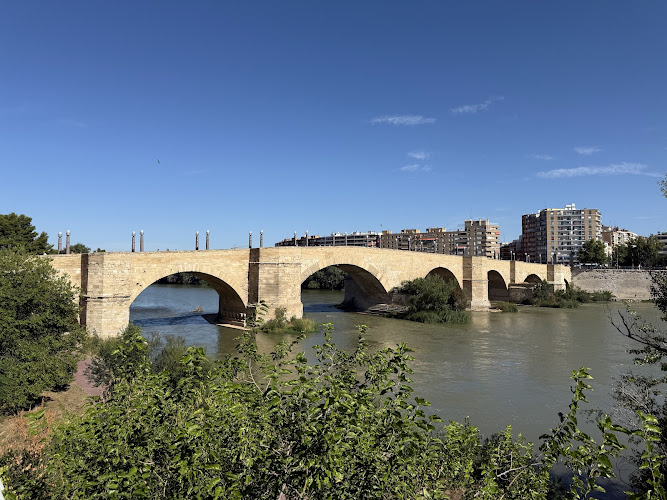
Stone Bridge

Fuente de la Hispanidad
Find Accommodations Nearby
Recommended Tours & Activities
Visitor Reviews
There are no reviews yet. Be the first one to write one.
Share Your Experience
Have you visited Caesaraugusta River Harbor Museum? Help other travelers by leaving a review.