
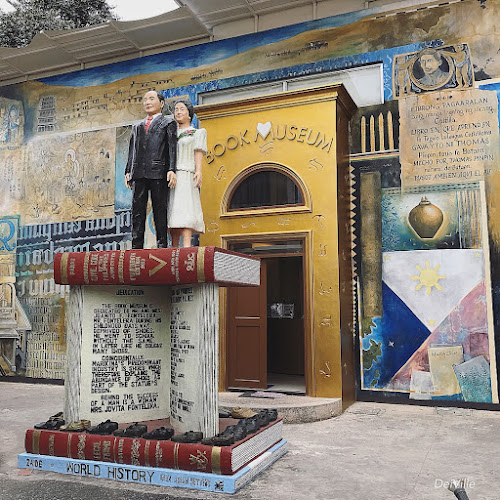
Book Museum cum Ethnology Center
About Book Museum cum Ethnology Center
Description
The Book Museum cum Ethnology Center stands as one of those genuinely unexpected discoveries that makes you question why more museums don't dare to be this unconventional. This isn't your typical stuffy institution where you whisper and tiptoe around glass cases. Instead, visitors encounter an eclectic collection that somehow manages to marry international literary treasures with regional ethnographic artifacts in a way that actually works. What makes this place truly memorable—and honestly a bit unusual—is the James Dean-themed café that's part of the experience. Yes, you read that right. Somewhere between examining ancient manuscripts and traditional cultural objects, you can grab a coffee surrounded by memorabilia of the iconic American actor. It's quirky, sure, but that's precisely the point. The museum doesn't take itself too seriously, which is refreshing in a world where cultural institutions often feel inaccessible or overly academic. I've visited dozens of museums across different countries, and I can tell you that the ones that stick in your memory are rarely the conventional ones. The Book Museum cum Ethnology Center falls squarely into that memorable category. It's the kind of place where you might start out skeptical about the seemingly random combination of exhibits, but leave with a genuine appreciation for how interconnected human culture and storytelling really are. The collection itself spans an impressive range of materials. Books from various corners of the globe sit alongside traditional tools, textiles, and ceremonial objects that tell the story of local heritage. For travelers who've grown weary of seeing the same predictable exhibits, this museum offers something genuinely different. The curation feels personal rather than institutional, as if someone with genuinely diverse interests decided to share their passions with the public.Key Features
When planning your visit, you'll want to know what actually sets this place apart from other museums you might've already crossed off your list. Here's what makes the Book Museum cum Ethnology Center worth your time:- International Book Collection: The museum houses rare and unique books from countries you'd expect and some you definitely wouldn't. These aren't just dusty old volumes sitting behind glass—they're displayed in ways that highlight their cultural significance and artistic merit.
- Regional Ethnographic Artifacts: Traditional objects that showcase local cultural heritage, including textiles, tools, and ceremonial items that provide genuine insight into the area's history and traditions.
- James Dean-Themed Café: An unexpectedly delightful space where you can take a break surrounded by classic Hollywood memorabilia. It's an odd pairing with the rest of the museum, but somehow it creates a conversation starter and gives the whole place character.
- Wheelchair Accessible Facilities: The museum has made genuine efforts to ensure accessibility, including wheelchair-accessible restrooms and pathways throughout the exhibition spaces.
- Family-Friendly Environment: Unlike some museums where you spend half your time shushing children, this one actually welcomes younger visitors with exhibits that can engage different age groups.
- Onsite Services: Staff members are available throughout your visit, which matters more than you might think when you're exploring unfamiliar cultural artifacts and want context or explanations.
- Compact Yet Comprehensive: You won't need to dedicate an entire day here, which is perfect for travelers balancing multiple activities. Most visitors can thoroughly explore the collection in a couple of hours.
Best Time to Visit
Timing can make or break a museum experience, and this applies just as much to smaller institutions as it does to major galleries. Based on visitor patterns and practical considerations, weekday mornings tend to offer the most comfortable browsing experience. You'll have more space to linger over exhibits that catch your interest without feeling rushed by crowds behind you. The museum sees heavier foot traffic during weekends and holidays, which isn't surprising but worth considering if you're someone who prefers a more contemplative pace. And honestly? Some exhibits—particularly the book collections—deserve that quiet contemplation. There's something about examining handwritten manuscripts or vintage publications that demands a bit of solitude. If you're traveling during peak tourist season, consider visiting right when they open. Early arrivals typically enjoy the exhibits before tour groups arrive, and you'll have better opportunities to engage with staff members who can share additional context about specific pieces. I learned this the hard way at another museum when I showed up midday during high season and could barely see the exhibits through the sea of people. Weather doesn't particularly matter since this is an indoor attraction, which makes it an excellent backup plan if outdoor activities get rained out. But that also means it becomes everyone else's backup plan during inclement weather. Keep that in mind. One thing the museum recommends—and I'd second this—is getting tickets in advance when possible. It helps them manage visitor numbers and ensures you won't show up only to find they've reached capacity for the day. Nothing ruins a travel itinerary quite like discovering your planned activity is fully booked.How to Get There
Getting to the Book Museum cum Ethnology Center requires a bit of planning, but it's definitely manageable for independent travelers. The museum's location makes it accessible by various transportation methods, though some work better than others depending on where you're staying. For those relying on public transportation, local buses typically serve the area, though you'll want to research current routes and schedules since these can change. Ask at your accommodation for the most up-to-date information—hotel staff usually know the practical details better than outdated guidebooks or generic travel websites. Taxis and ride-sharing services offer the most straightforward option, particularly if you're traveling with others and can split the cost. Simply showing the driver the museum's name should work, though having the address written down in the local language never hurts. I've been in too many situations where pronunciation issues led to confusion, so being prepared with written information saves hassle. If you're driving yourself, parking availability becomes the main consideration. The area around the museum does have parking options, but spaces can fill up during busier periods. Arriving earlier in the day typically makes parking easier. For travelers who enjoy walking and the museum is within reasonable distance from your accommodation, the journey itself can become part of the experience. You'll get a better feel for the local neighborhood and might stumble across other interesting spots along the way.Tips for Visiting
After hearing from numerous travelers who've experienced this museum, certain practical tips emerge that can significantly improve your visit. These aren't the obvious suggestions you'd find anywhere—these are the details that matter once you're actually there. First, allocate more time than you initially think you'll need. Even though the museum isn't enormous, the variety of exhibits means you'll likely find yourself lingering longer than expected. Rushing through defeats the purpose, especially with the book collections that reward closer examination. The café deserves a genuine visit, not just a quick bathroom break. Whether you're a James Dean fan or not, the space offers a quirky intermission that lets the previous exhibits sink in before you continue. Plus, museum fatigue is real, and a coffee break can refresh your attention span. Bring questions for the staff. The onsite services aren't just there for emergencies—they're a resource that many visitors underutilize. Staff members often know fascinating background stories about specific artifacts that aren't on the display cards. Photography policies vary, so check before snapping pictures. Some museums allow personal photography but prohibit flash or tripods. Knowing the rules beforehand prevents awkward situations or missed photo opportunities. Families with children should take advantage of the kid-friendly atmosphere, but still maintain reasonable supervision. The museum welcomes younger visitors, which doesn't mean it's a playground. Finding the balance helps everyone enjoy their experience. Comfortable footwear matters, even though you're indoors. You'll be standing and walking more than you realize, and sore feet can cut visits short. This seems obvious but people forget it constantly. Consider visiting the museum earlier in your trip rather than at the end. The ethnographic exhibits provide cultural context that can enhance your appreciation of the region as you explore further. Understanding traditional crafts or historical practices makes subsequent experiences richer. Don't skip exhibits that don't immediately grab you. Part of this museum's charm lies in its unexpected combinations. The juxtaposition of international books with local artifacts creates connections you might not anticipate. Give each section a chance before moving on. Check if any special exhibitions or events are happening during your visit. Smaller museums often host temporary displays or cultural programs that add extra dimension to the standard collection. Finally, manage your expectations appropriately. This isn't the Louvre or the Smithsonian. It's a specialized collection with personality and heart. Appreciating it for what it is—rather than comparing it to major institutions—leads to a much more satisfying experience. Sometimes the most memorable travel moments come from these distinctive, slightly unconventional places that reflect genuine passion rather than massive budgets.Key Features
- Extensive private collection of books including limited editions and rare publications
- Ethnographic artifacts and souvenirs from over 200 countries and islands
- Intimate, house-like museum setting with personal stories behind exhibits
- Guided or staff-led insights into the collector’s travels and acquisitions
- Located in Marikina — easy to combine with local neighborhoods and shoe museum visits
More Details
Updated January 18, 2026
Table of Contents
Description
The Book Museum cum Ethnology Center stands as one of those genuinely unexpected discoveries that makes you question why more museums don’t dare to be this unconventional. This isn’t your typical stuffy institution where you whisper and tiptoe around glass cases. Instead, visitors encounter an eclectic collection that somehow manages to marry international literary treasures with regional ethnographic artifacts in a way that actually works.
What makes this place truly memorable—and honestly a bit unusual—is the James Dean-themed café that’s part of the experience. Yes, you read that right. Somewhere between examining ancient manuscripts and traditional cultural objects, you can grab a coffee surrounded by memorabilia of the iconic American actor. It’s quirky, sure, but that’s precisely the point. The museum doesn’t take itself too seriously, which is refreshing in a world where cultural institutions often feel inaccessible or overly academic.
I’ve visited dozens of museums across different countries, and I can tell you that the ones that stick in your memory are rarely the conventional ones. The Book Museum cum Ethnology Center falls squarely into that memorable category. It’s the kind of place where you might start out skeptical about the seemingly random combination of exhibits, but leave with a genuine appreciation for how interconnected human culture and storytelling really are.
The collection itself spans an impressive range of materials. Books from various corners of the globe sit alongside traditional tools, textiles, and ceremonial objects that tell the story of local heritage. For travelers who’ve grown weary of seeing the same predictable exhibits, this museum offers something genuinely different. The curation feels personal rather than institutional, as if someone with genuinely diverse interests decided to share their passions with the public.
Key Features
When planning your visit, you’ll want to know what actually sets this place apart from other museums you might’ve already crossed off your list. Here’s what makes the Book Museum cum Ethnology Center worth your time:
- International Book Collection: The museum houses rare and unique books from countries you’d expect and some you definitely wouldn’t. These aren’t just dusty old volumes sitting behind glass—they’re displayed in ways that highlight their cultural significance and artistic merit.
- Regional Ethnographic Artifacts: Traditional objects that showcase local cultural heritage, including textiles, tools, and ceremonial items that provide genuine insight into the area’s history and traditions.
- James Dean-Themed Café: An unexpectedly delightful space where you can take a break surrounded by classic Hollywood memorabilia. It’s an odd pairing with the rest of the museum, but somehow it creates a conversation starter and gives the whole place character.
- Wheelchair Accessible Facilities: The museum has made genuine efforts to ensure accessibility, including wheelchair-accessible restrooms and pathways throughout the exhibition spaces.
- Family-Friendly Environment: Unlike some museums where you spend half your time shushing children, this one actually welcomes younger visitors with exhibits that can engage different age groups.
- Onsite Services: Staff members are available throughout your visit, which matters more than you might think when you’re exploring unfamiliar cultural artifacts and want context or explanations.
- Compact Yet Comprehensive: You won’t need to dedicate an entire day here, which is perfect for travelers balancing multiple activities. Most visitors can thoroughly explore the collection in a couple of hours.
Best Time to Visit
Timing can make or break a museum experience, and this applies just as much to smaller institutions as it does to major galleries. Based on visitor patterns and practical considerations, weekday mornings tend to offer the most comfortable browsing experience. You’ll have more space to linger over exhibits that catch your interest without feeling rushed by crowds behind you.
The museum sees heavier foot traffic during weekends and holidays, which isn’t surprising but worth considering if you’re someone who prefers a more contemplative pace. And honestly? Some exhibits—particularly the book collections—deserve that quiet contemplation. There’s something about examining handwritten manuscripts or vintage publications that demands a bit of solitude.
If you’re traveling during peak tourist season, consider visiting right when they open. Early arrivals typically enjoy the exhibits before tour groups arrive, and you’ll have better opportunities to engage with staff members who can share additional context about specific pieces. I learned this the hard way at another museum when I showed up midday during high season and could barely see the exhibits through the sea of people.
Weather doesn’t particularly matter since this is an indoor attraction, which makes it an excellent backup plan if outdoor activities get rained out. But that also means it becomes everyone else’s backup plan during inclement weather. Keep that in mind.
One thing the museum recommends—and I’d second this—is getting tickets in advance when possible. It helps them manage visitor numbers and ensures you won’t show up only to find they’ve reached capacity for the day. Nothing ruins a travel itinerary quite like discovering your planned activity is fully booked.
How to Get There
Getting to the Book Museum cum Ethnology Center requires a bit of planning, but it’s definitely manageable for independent travelers. The museum’s location makes it accessible by various transportation methods, though some work better than others depending on where you’re staying.
For those relying on public transportation, local buses typically serve the area, though you’ll want to research current routes and schedules since these can change. Ask at your accommodation for the most up-to-date information—hotel staff usually know the practical details better than outdated guidebooks or generic travel websites.
Taxis and ride-sharing services offer the most straightforward option, particularly if you’re traveling with others and can split the cost. Simply showing the driver the museum’s name should work, though having the address written down in the local language never hurts. I’ve been in too many situations where pronunciation issues led to confusion, so being prepared with written information saves hassle.
If you’re driving yourself, parking availability becomes the main consideration. The area around the museum does have parking options, but spaces can fill up during busier periods. Arriving earlier in the day typically makes parking easier.
For travelers who enjoy walking and the museum is within reasonable distance from your accommodation, the journey itself can become part of the experience. You’ll get a better feel for the local neighborhood and might stumble across other interesting spots along the way.
Tips for Visiting
After hearing from numerous travelers who’ve experienced this museum, certain practical tips emerge that can significantly improve your visit. These aren’t the obvious suggestions you’d find anywhere—these are the details that matter once you’re actually there.
First, allocate more time than you initially think you’ll need. Even though the museum isn’t enormous, the variety of exhibits means you’ll likely find yourself lingering longer than expected. Rushing through defeats the purpose, especially with the book collections that reward closer examination.
The café deserves a genuine visit, not just a quick bathroom break. Whether you’re a James Dean fan or not, the space offers a quirky intermission that lets the previous exhibits sink in before you continue. Plus, museum fatigue is real, and a coffee break can refresh your attention span.
Bring questions for the staff. The onsite services aren’t just there for emergencies—they’re a resource that many visitors underutilize. Staff members often know fascinating background stories about specific artifacts that aren’t on the display cards.
Photography policies vary, so check before snapping pictures. Some museums allow personal photography but prohibit flash or tripods. Knowing the rules beforehand prevents awkward situations or missed photo opportunities.
Families with children should take advantage of the kid-friendly atmosphere, but still maintain reasonable supervision. The museum welcomes younger visitors, which doesn’t mean it’s a playground. Finding the balance helps everyone enjoy their experience.
Comfortable footwear matters, even though you’re indoors. You’ll be standing and walking more than you realize, and sore feet can cut visits short. This seems obvious but people forget it constantly.
Consider visiting the museum earlier in your trip rather than at the end. The ethnographic exhibits provide cultural context that can enhance your appreciation of the region as you explore further. Understanding traditional crafts or historical practices makes subsequent experiences richer.
Don’t skip exhibits that don’t immediately grab you. Part of this museum’s charm lies in its unexpected combinations. The juxtaposition of international books with local artifacts creates connections you might not anticipate. Give each section a chance before moving on.
Check if any special exhibitions or events are happening during your visit. Smaller museums often host temporary displays or cultural programs that add extra dimension to the standard collection.
Finally, manage your expectations appropriately. This isn’t the Louvre or the Smithsonian. It’s a specialized collection with personality and heart. Appreciating it for what it is—rather than comparing it to major institutions—leads to a much more satisfying experience. Sometimes the most memorable travel moments come from these distinctive, slightly unconventional places that reflect genuine passion rather than massive budgets.
Key Highlights
- Extensive private collection of books including limited editions and rare publications
- Ethnographic artifacts and souvenirs from over 200 countries and islands
- Intimate, house-like museum setting with personal stories behind exhibits
- Guided or staff-led insights into the collector’s travels and acquisitions
- Located in Marikina — easy to combine with local neighborhoods and shoe museum visits
Location
Places to Stay Near Book Museum cum Ethnology Center
Find and Book a Tour
Explore More Travel Guides
No reviews found! Be the first to review!
Traveler Reviews for Book Museum cum Ethnology Center
There are no reviews yet. Be the first one to write one.
Have you visited Book Museum cum Ethnology Center? Help other travelers by sharing your review.
Nearby Attractions
You Might Also Like
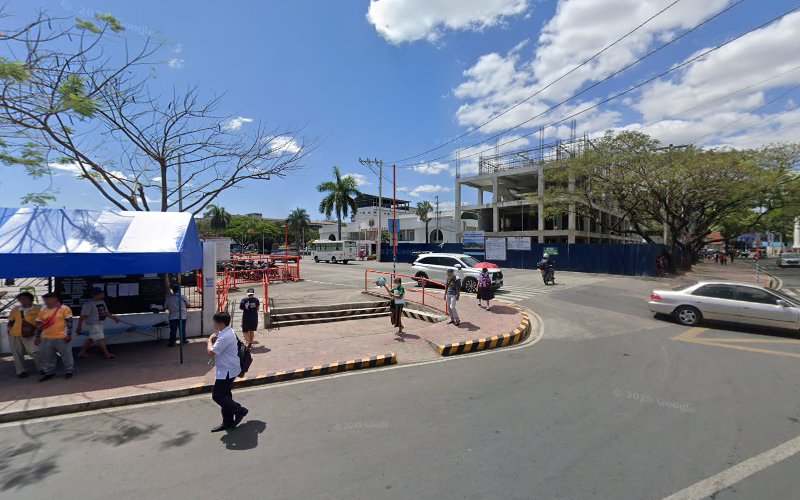
Marikina City Hall of Justice Mini Park

Marikina Freedom Park
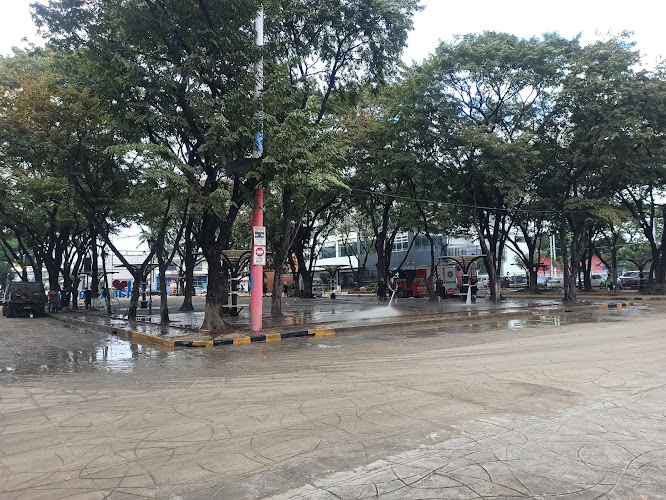
Marikina - 영도 ( Yeongdo ) Friendship Park
Find Accommodations Nearby
Recommended Tours & Activities
Visitor Reviews
There are no reviews yet. Be the first one to write one.
Share Your Experience
Have you visited Book Museum cum Ethnology Center? Help other travelers by leaving a review.