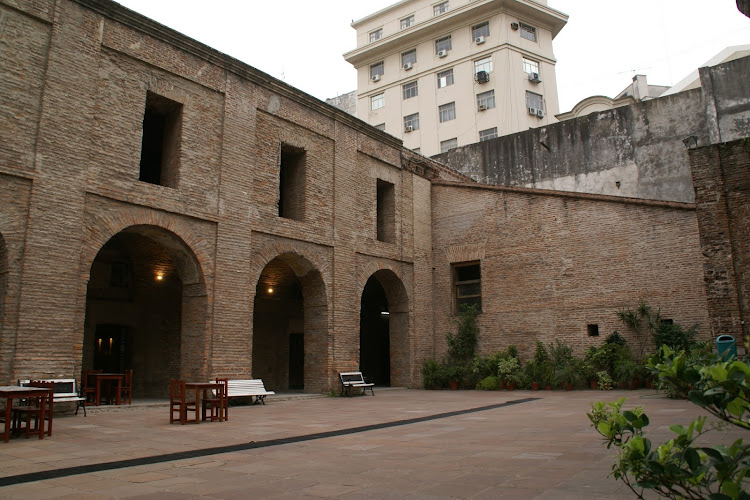
Block of the Lights Historical-Cultural Complex
About Block of the Lights Historical-Cultural Complex
Description
The Block of the Lights Historical-Cultural Complex represents one of those places where history literally runs beneath your feet. This isn't your typical museum where you shuffle past glass cases and plaques - though there's plenty of fascinating artifacts to discover. What makes this place genuinely remarkable is how it transforms an entire city block of colonial-era buildings into an immersive journey through centuries of cultural heritage. I've always been fascinated by places that refuse to be just one thing, and this complex certainly delivers on that front. Above ground, visitors explore beautifully preserved churches, missions, and administrative buildings that once formed the heart of colonial governance and religious life. But the real surprise - and honestly, what drew me in initially - lies underground. An extensive network of tunnels and caves weaves beneath the historic structures, creating this almost surreal experience where you're walking through layers of time. The complex manages to be both a national museum and a living cultural center, which is harder to pull off than it sounds. During any given visit, travelers might stumble upon live performances ranging from traditional folk music to contemporary artistic expressions. These aren't staged tourist shows either - they're genuine cultural events that locals actually attend, which gives the whole experience an authenticity you don't always find at major tourist attractions. What struck me most when researching this destination was how it bridges the gap between being a serious historical landmark and remaining accessible to families with kids. That's a tricky balance, but the designers clearly put thought into making the experience engaging without dumbing down the historical significance.Key Features
The Block of the Lights offers visitors a comprehensive cultural experience with several standout features: • Underground tunnel system - An intricate network of subterranean passages and natural caves that served various purposes throughout history, from storage to rumored escape routes during colonial times • Colonial-era architecture - Multiple preserved buildings including churches and administrative offices that showcase architectural styles from different historical periods • Live cultural performances - Regular events featuring traditional and contemporary artistic expressions, giving visitors insight into both historical and modern cultural traditions • Interactive exhibits - Museum displays that go beyond passive viewing, allowing visitors to engage with historical narratives in meaningful ways • Multi-building exploration - The entire city block serves as the exhibition space, creating a sense of discovery as you move between different structures • Family-friendly facilities - Well-maintained restrooms and wheelchair accessible entrances and facilities throughout the complex • Guided tour options - Expert-led tours that reveal stories and details easily missed during self-guided visits • Photography opportunities - Stunning architectural details and atmospheric underground spaces that appeal to both casual smartphone photographers and serious enthusiastsBest Time to Visit
Timing your visit to the Block of the Lights can significantly impact your experience, and I'd argue it matters more here than at many other historical sites. The complex welcomes visitors year-round, but certain periods offer distinct advantages. For those interested in catching live performances - which honestly adds so much to the overall experience - checking the cultural calendar before planning your trip makes sense. Many of the most compelling events happen during festival seasons when the complex becomes a hub for traditional celebrations and artistic gatherings. These periods can get crowded, sure, but the energy and authenticity of the performances make dealing with a few extra people worthwhile. Weekday mornings tend to be quieter, especially if you're visiting outside peak tourist season. There's something special about exploring those underground tunnels when they're less congested. The cooler temperatures underground remain fairly constant throughout the year, which is a blessing during hot months. But that also means bringing a light jacket even on warm days - the temperature drop as you descend into the cave network can catch unprepared visitors off guard. If you're traveling with children, weekend visits often coincide with special programming designed for younger audiences. The complex does a decent job of making history engaging for kids without resorting to gimmicky approaches. However, weekends naturally attract more families, so patience becomes essential. Late afternoons offer particularly beautiful lighting for photographing the colonial architecture, especially during golden hour when the sun casts warm tones across the historic facades. And honestly, there's something almost magical about emerging from the underground tunnels as daylight starts to fade. One thing worth mentioning - and this comes from reading countless visitor experiences - rainy days aren't necessarily bad for visiting. Much of the complex provides shelter, and the tunnels remain completely unaffected by weather. Some travelers actually prefer the atmospheric quality that overcast skies bring to the historic buildings.How to Get There
Getting to the Block of the Lights is relatively straightforward, particularly since it occupies an entire city block in a central urban location. The complex's prominence as a major cultural landmark means most transportation options will get you reasonably close. For travelers relying on public transportation, this is genuinely one of the more accessible major attractions. Local bus routes service the area frequently, and many visitors find this the most economical approach. The transit system in the surrounding area is well-developed, and drivers generally understand when tourists ask for directions to this landmark - it's well-known enough that language barriers become less problematic. Taxis and ride-sharing services offer door-to-door convenience, which makes sense if you're traveling with young children or have mobility considerations. Despite the complex having wheelchair accessible facilities, getting there comfortably matters too. The additional cost compared to public transit might be worth it depending on your circumstances. Walking to the complex from nearby hotels or other attractions is entirely feasible for those staying in the city center. The surrounding neighborhood has its own charm, and the pedestrian routes are generally safe and well-maintained. I always enjoy approaching historical sites on foot when possible - it gives you a better sense of how the landmark fits into the urban landscape. Parking can be challenging if you're driving. Street parking exists but fills quickly, especially during peak visiting hours and event days. Several paid parking facilities operate within walking distance, though they don't come cheap. Honestly, unless you're planning to visit multiple destinations outside the city center on the same day, driving yourself probably creates more headaches than it solves. Some travelers arrange their visit as part of organized tours, which handle all transportation logistics. This approach works particularly well for first-time visitors who want historical context provided throughout their experience. But it does limit your flexibility in terms of how long you spend exploring different areas of the complex.Tips for Visiting
After diving deep into what makes the Block of the Lights tick, here are some practical insights that can genuinely improve your experience. Wear comfortable walking shoes - and I can't stress this enough. You'll be covering significant ground both above and below street level, often on uneven surfaces. Those tunnel floors weren't exactly designed with modern footwear in mind. I've heard too many stories of visitors cutting their exploration short because their fashionable sandals weren't up to the task. Bring layers of clothing regardless of the season. The temperature difference between the surface buildings and underground areas can be surprising. What feels comfortable while exploring a colonial church might leave you shivering twenty minutes later in the cave network. A light jacket or sweater that fits in your bag solves this problem easily. Plan to spend at least three hours if you want to do the complex justice. Many visitors underestimate how much there is to see and end up feeling rushed. The place rewards taking your time, reading the informational displays, and actually absorbing the historical significance rather than just checking boxes on a tourist itinerary. Photography is generally permitted, but flash photography might be restricted in certain areas to preserve artifacts. Check the current policies when you arrive. The atmospheric lighting in the tunnels can be challenging for photography, so adjusting your phone or camera settings beforehand helps. And honestly, sometimes it's worth just experiencing moments rather than constantly viewing them through a screen. If live performances interest you - which they absolutely should - verify the schedule before visiting. These events don't happen every day, and they genuinely elevate the experience beyond a standard museum visit. Some performances require separate tickets or have limited capacity, so planning ahead prevents disappointment. Consider hiring a guide for at least part of your visit. While the complex is certainly navigable independently, knowledgeable guides share stories and historical details that aren't readily apparent from signage alone. Even just an hour with a good guide can transform your understanding of what you're seeing. The complex is indeed family-friendly, but managing young children in the underground areas requires extra attention. The tunnels can feel confining, and keeping track of energetic kids in dimly lit spaces creates challenges. That doesn't mean you shouldn't bring children - many families have wonderful experiences here - but realistic expectations help. Restroom facilities exist throughout the complex and meet accessibility standards, but knowing their locations before exploring the more remote areas of the tunnel system saves awkward situations. Grab a map when you arrive and note these practical details. Visit on an empty stomach because you'll want to save room for local cuisine after your visit. The surrounding neighborhood offers excellent dining options, and there's something satisfying about discussing what you've just experienced over a good meal. The complex itself has limited food options, so planning to eat before or after makes sense. Finally, approach your visit with curiosity rather than just treating it as another tourist obligation. The Block of the Lights reveals more to those who engage genuinely with its stories and spaces. Ask questions, read the historical accounts, and let yourself be transported across the centuries. That's when places like this truly come alive.Key Features
- San Ignacio Church and colonial-era architecture
- Underground tunnels, crypts and archaeological remains
- Cloistered courtyards and period woodwork
- Permanent and rotating historical-cultural exhibitions
- Location in Monserrat close to major civic sites
More Details
Updated January 18, 2026
Table of Contents
- Description
- Key Features
- Best Time to Visit
- How to Get There
- Tips for Visiting
- Key Highlights
- Location
- Places to Stay Near Block of the Lights Historical-Cultural Complex
- Find and Book a Tour
- Explore More Travel Guides
- Nearby Places You Might Like
- Traveler Reviews for Block of the Lights Historical-Cultural Complex
- Share Your Experience
Description
The Block of the Lights Historical-Cultural Complex represents one of those places where history literally runs beneath your feet. This isn’t your typical museum where you shuffle past glass cases and plaques – though there’s plenty of fascinating artifacts to discover. What makes this place genuinely remarkable is how it transforms an entire city block of colonial-era buildings into an immersive journey through centuries of cultural heritage.
I’ve always been fascinated by places that refuse to be just one thing, and this complex certainly delivers on that front. Above ground, visitors explore beautifully preserved churches, missions, and administrative buildings that once formed the heart of colonial governance and religious life. But the real surprise – and honestly, what drew me in initially – lies underground. An extensive network of tunnels and caves weaves beneath the historic structures, creating this almost surreal experience where you’re walking through layers of time.
The complex manages to be both a national museum and a living cultural center, which is harder to pull off than it sounds. During any given visit, travelers might stumble upon live performances ranging from traditional folk music to contemporary artistic expressions. These aren’t staged tourist shows either – they’re genuine cultural events that locals actually attend, which gives the whole experience an authenticity you don’t always find at major tourist attractions.
What struck me most when researching this destination was how it bridges the gap between being a serious historical landmark and remaining accessible to families with kids. That’s a tricky balance, but the designers clearly put thought into making the experience engaging without dumbing down the historical significance.
Key Features
The Block of the Lights offers visitors a comprehensive cultural experience with several standout features:
• Underground tunnel system – An intricate network of subterranean passages and natural caves that served various purposes throughout history, from storage to rumored escape routes during colonial times
• Colonial-era architecture – Multiple preserved buildings including churches and administrative offices that showcase architectural styles from different historical periods
• Live cultural performances – Regular events featuring traditional and contemporary artistic expressions, giving visitors insight into both historical and modern cultural traditions
• Interactive exhibits – Museum displays that go beyond passive viewing, allowing visitors to engage with historical narratives in meaningful ways
• Multi-building exploration – The entire city block serves as the exhibition space, creating a sense of discovery as you move between different structures
• Family-friendly facilities – Well-maintained restrooms and wheelchair accessible entrances and facilities throughout the complex
• Guided tour options – Expert-led tours that reveal stories and details easily missed during self-guided visits
• Photography opportunities – Stunning architectural details and atmospheric underground spaces that appeal to both casual smartphone photographers and serious enthusiasts
Best Time to Visit
Timing your visit to the Block of the Lights can significantly impact your experience, and I’d argue it matters more here than at many other historical sites. The complex welcomes visitors year-round, but certain periods offer distinct advantages.
For those interested in catching live performances – which honestly adds so much to the overall experience – checking the cultural calendar before planning your trip makes sense. Many of the most compelling events happen during festival seasons when the complex becomes a hub for traditional celebrations and artistic gatherings. These periods can get crowded, sure, but the energy and authenticity of the performances make dealing with a few extra people worthwhile.
Weekday mornings tend to be quieter, especially if you’re visiting outside peak tourist season. There’s something special about exploring those underground tunnels when they’re less congested. The cooler temperatures underground remain fairly constant throughout the year, which is a blessing during hot months. But that also means bringing a light jacket even on warm days – the temperature drop as you descend into the cave network can catch unprepared visitors off guard.
If you’re traveling with children, weekend visits often coincide with special programming designed for younger audiences. The complex does a decent job of making history engaging for kids without resorting to gimmicky approaches. However, weekends naturally attract more families, so patience becomes essential.
Late afternoons offer particularly beautiful lighting for photographing the colonial architecture, especially during golden hour when the sun casts warm tones across the historic facades. And honestly, there’s something almost magical about emerging from the underground tunnels as daylight starts to fade.
One thing worth mentioning – and this comes from reading countless visitor experiences – rainy days aren’t necessarily bad for visiting. Much of the complex provides shelter, and the tunnels remain completely unaffected by weather. Some travelers actually prefer the atmospheric quality that overcast skies bring to the historic buildings.
How to Get There
Getting to the Block of the Lights is relatively straightforward, particularly since it occupies an entire city block in a central urban location. The complex’s prominence as a major cultural landmark means most transportation options will get you reasonably close.
For travelers relying on public transportation, this is genuinely one of the more accessible major attractions. Local bus routes service the area frequently, and many visitors find this the most economical approach. The transit system in the surrounding area is well-developed, and drivers generally understand when tourists ask for directions to this landmark – it’s well-known enough that language barriers become less problematic.
Taxis and ride-sharing services offer door-to-door convenience, which makes sense if you’re traveling with young children or have mobility considerations. Despite the complex having wheelchair accessible facilities, getting there comfortably matters too. The additional cost compared to public transit might be worth it depending on your circumstances.
Walking to the complex from nearby hotels or other attractions is entirely feasible for those staying in the city center. The surrounding neighborhood has its own charm, and the pedestrian routes are generally safe and well-maintained. I always enjoy approaching historical sites on foot when possible – it gives you a better sense of how the landmark fits into the urban landscape.
Parking can be challenging if you’re driving. Street parking exists but fills quickly, especially during peak visiting hours and event days. Several paid parking facilities operate within walking distance, though they don’t come cheap. Honestly, unless you’re planning to visit multiple destinations outside the city center on the same day, driving yourself probably creates more headaches than it solves.
Some travelers arrange their visit as part of organized tours, which handle all transportation logistics. This approach works particularly well for first-time visitors who want historical context provided throughout their experience. But it does limit your flexibility in terms of how long you spend exploring different areas of the complex.
Tips for Visiting
After diving deep into what makes the Block of the Lights tick, here are some practical insights that can genuinely improve your experience.
Wear comfortable walking shoes – and I can’t stress this enough. You’ll be covering significant ground both above and below street level, often on uneven surfaces. Those tunnel floors weren’t exactly designed with modern footwear in mind. I’ve heard too many stories of visitors cutting their exploration short because their fashionable sandals weren’t up to the task.
Bring layers of clothing regardless of the season. The temperature difference between the surface buildings and underground areas can be surprising. What feels comfortable while exploring a colonial church might leave you shivering twenty minutes later in the cave network. A light jacket or sweater that fits in your bag solves this problem easily.
Plan to spend at least three hours if you want to do the complex justice. Many visitors underestimate how much there is to see and end up feeling rushed. The place rewards taking your time, reading the informational displays, and actually absorbing the historical significance rather than just checking boxes on a tourist itinerary.
Photography is generally permitted, but flash photography might be restricted in certain areas to preserve artifacts. Check the current policies when you arrive. The atmospheric lighting in the tunnels can be challenging for photography, so adjusting your phone or camera settings beforehand helps. And honestly, sometimes it’s worth just experiencing moments rather than constantly viewing them through a screen.
If live performances interest you – which they absolutely should – verify the schedule before visiting. These events don’t happen every day, and they genuinely elevate the experience beyond a standard museum visit. Some performances require separate tickets or have limited capacity, so planning ahead prevents disappointment.
Consider hiring a guide for at least part of your visit. While the complex is certainly navigable independently, knowledgeable guides share stories and historical details that aren’t readily apparent from signage alone. Even just an hour with a good guide can transform your understanding of what you’re seeing.
The complex is indeed family-friendly, but managing young children in the underground areas requires extra attention. The tunnels can feel confining, and keeping track of energetic kids in dimly lit spaces creates challenges. That doesn’t mean you shouldn’t bring children – many families have wonderful experiences here – but realistic expectations help.
Restroom facilities exist throughout the complex and meet accessibility standards, but knowing their locations before exploring the more remote areas of the tunnel system saves awkward situations. Grab a map when you arrive and note these practical details.
Visit on an empty stomach because you’ll want to save room for local cuisine after your visit. The surrounding neighborhood offers excellent dining options, and there’s something satisfying about discussing what you’ve just experienced over a good meal. The complex itself has limited food options, so planning to eat before or after makes sense.
Finally, approach your visit with curiosity rather than just treating it as another tourist obligation. The Block of the Lights reveals more to those who engage genuinely with its stories and spaces. Ask questions, read the historical accounts, and let yourself be transported across the centuries. That’s when places like this truly come alive.

Key Highlights
- San Ignacio Church and colonial-era architecture
- Underground tunnels, crypts and archaeological remains
- Cloistered courtyards and period woodwork
- Permanent and rotating historical-cultural exhibitions
- Location in Monserrat close to major civic sites
Location
Places to Stay Near Block of the Lights Historical-Cultural Complex
Find and Book a Tour
Explore More Travel Guides
No reviews found! Be the first to review!
Traveler Reviews for Block of the Lights Historical-Cultural Complex
There are no reviews yet. Be the first one to write one.
Have you visited Block of the Lights Historical-Cultural Complex? Help other travelers by sharing your review.
Nearby Attractions
Find Accommodations Nearby
Recommended Tours & Activities
Visitor Reviews
There are no reviews yet. Be the first one to write one.
Share Your Experience
Have you visited Block of the Lights Historical-Cultural Complex? Help other travelers by leaving a review.