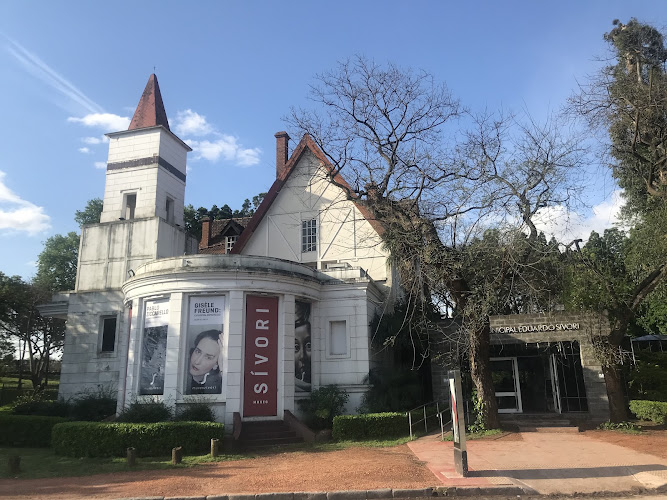
About Museo Sívori

Description

The Museo Sívori stands as one of Buenos Aires' most intriguing cultural destinations, though it doesn't always get the spotlight it deserves. Named after Eduardo Sívori, Argentina's first plastic artist to embrace European impressionism, this museum dedicates itself entirely to showcasing Argentine artistic talent from the 19th century through today. And honestly? That focus makes all the difference. Located within the expansive Parque Tres de Febrero in the Palermo neighborhood, this institution has been collecting and displaying works since its founding in 1938. But don't let the traditional museum label fool you—this place has evolved into something far more dynamic than dusty galleries with velvet ropes. The museum underwent significant renovations that transformed it into a contemporary space where historical works coexist beautifully with cutting-edge installations. What strikes visitors immediately is how the museum grounds itself in Argentine identity. You won't find European masters here competing for attention. Instead, every canvas, sculpture, and installation comes from artists who either were born in Argentina or made the country their creative home. This singular focus creates an authentic journey through the nation's artistic evolution, something that's become increasingly rare as museums chase international blockbuster exhibitions. The building itself integrates with the surrounding park environment in ways that larger, more formal museums simply can't match. Natural light floods through modern architectural elements, and the sculpture garden blurs the line between indoor and outdoor exhibition spaces. I've always felt that art breathes differently when it's not trapped entirely within four walls, and the Museo Sívori seems to understand this instinctively.

Key Features

The museum offers several distinctive elements that separate it from Buenos Aires' other cultural institutions:
  • A permanent collection featuring over 4,000 works spanning painting, sculpture, drawing, engraving, and new media formats created by Argentine artists
  • Rotating temporary exhibitions that highlight contemporary creators and emerging artistic movements within Argentina's current scene
  • An outdoor sculpture garden where substantial three-dimensional works interact with natural landscaping and the park setting
  • Live performance programming that extends the museum's reach beyond static visual arts into music, dance, and experimental presentations
  • An on-site cafe and restaurant where visitors can extend their cultural experience over coffee or a meal surrounded by creative atmosphere
  • Complete wheelchair accessibility throughout the facility, including adapted restrooms and barrier-free exhibition spaces
  • Gender-neutral restroom facilities that reflect modern inclusive practices
  • Complimentary Wi-Fi access throughout the museum grounds for visitors who want to research artists or share their experience in real-time
  • Educational programming specifically designed for children and families, making sophisticated art accessible to younger audiences
  • A focus on works that document Argentina's social and political history through artistic interpretation rather than textbook narratives

Best Time to Visit

Timing your visit to the Museo Sívori requires thinking about both weather and crowd patterns. Since a significant portion of the experience happens outdoors in the sculpture garden, spring (September through November) and autumn (March through May) offer the most comfortable temperatures for wandering between installations. Buenos Aires summers can get brutally hot, and standing in direct sunlight while contemplating a bronze sculpture loses its appeal quickly when you're sweating through your shirt. Weekday mornings, particularly Tuesday through Thursday, tend to be quietest. You'll have more space to absorb the work without navigating around tour groups or families. But here's where I'll offer a contrary opinion—sometimes museums feel more alive with a bit of energy around them. Weekend afternoons bring local families who genuinely engage with the art, and overhearing a parent explain a painting to their curious child often provides insights professional audio guides miss. The museum occasionally hosts special evening events featuring live performances or exhibition openings. These after-hours experiences transform the space entirely, creating an atmosphere that daytime visits can't replicate. If you're in Buenos Aires for an extended stay, checking the event calendar and planning a return visit for one of these occasions is worth the effort. Winter visits (June through August) shouldn't be dismissed entirely. The indoor galleries are climate-controlled, and if you dress appropriately, the sculpture garden takes on a different character under grey skies. Plus, tourist numbers drop significantly during these months, meaning you might have entire galleries practically to yourself. Avoid visiting on Mondays when many museums in Buenos Aires close for weekly maintenance. Also be aware that Argentine public holidays can either mean closure or unexpectedly large crowds—check ahead if your travel coincides with national celebrations.

How to Get There

Getting to the Museo Sívori is straightforward, though first-time visitors sometimes get confused by the park's size. The museum sits within Parque Tres de Febrero, which locals often call "Bosques de Palermo." This massive green space contains multiple attractions, so simply arriving at "the park" doesn't quite cut it. The Subte (Buenos Aires metro) offers the most reliable public transportation option. Take Line D to Palermo station, then either walk approximately 20 minutes through pleasant neighborhoods, or catch a local bus for the remaining distance. The walk isn't difficult, but if you've already spent the day sightseeing, those extra blocks can feel longer than they look on a map. Multiple bus lines service the park area, including routes 10, 34, 37, 59, 60, 64, 93, 95, 102, 108, 118, 128, 130, and 152. But Buenos Aires buses can intimidate visitors unfamiliar with the system. The routes don't always follow intuitive paths, and drivers won't necessarily announce stops. Taxis and ride-sharing services like Uber or Cabify work well for direct access, especially if you're traveling with companions to split the cost. Tell the driver "Museo Sívori en Palermo" rather than just the street address, as local landmarks often communicate more clearly than formal addresses in Buenos Aires. For those renting bicycles, the Ecobici bike-share system has stations throughout Palermo, and cycling through the park to reach the museum makes for a genuinely pleasant approach. The area features dedicated bike paths, though weekend afternoons see heavy recreational traffic.

Tips for Visiting

Walking into any museum works better with some practical knowledge, and the Museo Sívori has its particular quirks worth knowing beforehand. First, don't rush through this place. Too many visitors treat it as a quick checkbox on their Buenos Aires itinerary, spending maybe 45 minutes before moving on. The collection deserves at least two hours of attention, more if you're genuinely interested in Latin American art. The sculpture garden alone can absorb an hour if you actually look at the works rather than just photographing them for Instagram. Bring a light jacket even during warm weather. The indoor galleries maintain cool temperatures for artwork preservation, creating a noticeable contrast when you've just come from the sunny sculpture garden. That temperature fluctuation catches people off guard more often than you'd think. The on-site cafe serves surprisingly decent food—not just museum-quality coffee and pastries, but actual meals. Consider timing your visit to include lunch here. The outdoor seating area provides views of both the park and selected sculptures, creating an experience that extends your cultural immersion beyond simply viewing exhibitions. Photography is generally permitted in most areas, but flash photography damages artwork and is typically prohibited. Check specific exhibition rules, as temporary shows sometimes restrict photography entirely based on artist preferences or loan agreements. And please, actually look at the art with your eyes before deciding whether it needs to be on your camera roll. If you're traveling with children, the museum provides activity materials designed to keep younger visitors engaged. These aren't just simple coloring sheets—they're thoughtfully designed educational tools that encourage kids to observe carefully and think creatively about what they're seeing. The museum shop stocks books, prints, and artist-made objects that go beyond typical tourist merchandise. If you're looking for a meaningful souvenir that actually connects to Argentine culture, spending time browsing here beats buying another mass-produced trinket from a street vendor. Weather can change quickly in Buenos Aires. If rain threatens and you're planning to spend significant time in the sculpture garden, having an umbrella or rain jacket in your bag prevents the miserable experience of getting soaked far from your hotel. Finally, admission prices are extremely reasonable by international museum standards, but having exact change or small bills makes entry smoother. Credit cards are accepted, but electronic systems occasionally have connectivity issues. The Museo Sívori might not carry the international recognition of Buenos Aires' larger museums, but that's precisely what makes it valuable for travelers seeking authentic cultural experiences beyond the standard tourist circuit. This is where Argentine art tells its own story on its own terms.

Key Features

  • Collection of ~4,200 works emphasizing 20th-century Argentine art
  • Historic house setting within Parque Tres de Febrero (Rosedal area)
  • Sculpture patio and pleasant garden views
  • Rotating temporary exhibitions of contemporary Argentine artists
  • Specialized library and archival resources for research

More Details

Updated January 18, 2026

Description

The Museo Sívori stands as one of Buenos Aires’ most intriguing cultural destinations, though it doesn’t always get the spotlight it deserves. Named after Eduardo Sívori, Argentina’s first plastic artist to embrace European impressionism, this museum dedicates itself entirely to showcasing Argentine artistic talent from the 19th century through today. And honestly? That focus makes all the difference.

Located within the expansive Parque Tres de Febrero in the Palermo neighborhood, this institution has been collecting and displaying works since its founding in 1938. But don’t let the traditional museum label fool you—this place has evolved into something far more dynamic than dusty galleries with velvet ropes. The museum underwent significant renovations that transformed it into a contemporary space where historical works coexist beautifully with cutting-edge installations.

What strikes visitors immediately is how the museum grounds itself in Argentine identity. You won’t find European masters here competing for attention. Instead, every canvas, sculpture, and installation comes from artists who either were born in Argentina or made the country their creative home. This singular focus creates an authentic journey through the nation’s artistic evolution, something that’s become increasingly rare as museums chase international blockbuster exhibitions.

The building itself integrates with the surrounding park environment in ways that larger, more formal museums simply can’t match. Natural light floods through modern architectural elements, and the sculpture garden blurs the line between indoor and outdoor exhibition spaces. I’ve always felt that art breathes differently when it’s not trapped entirely within four walls, and the Museo Sívori seems to understand this instinctively.

Key Features

The museum offers several distinctive elements that separate it from Buenos Aires’ other cultural institutions:

  • A permanent collection featuring over 4,000 works spanning painting, sculpture, drawing, engraving, and new media formats created by Argentine artists
  • Rotating temporary exhibitions that highlight contemporary creators and emerging artistic movements within Argentina’s current scene
  • An outdoor sculpture garden where substantial three-dimensional works interact with natural landscaping and the park setting
  • Live performance programming that extends the museum’s reach beyond static visual arts into music, dance, and experimental presentations
  • An on-site cafe and restaurant where visitors can extend their cultural experience over coffee or a meal surrounded by creative atmosphere
  • Complete wheelchair accessibility throughout the facility, including adapted restrooms and barrier-free exhibition spaces
  • Gender-neutral restroom facilities that reflect modern inclusive practices
  • Complimentary Wi-Fi access throughout the museum grounds for visitors who want to research artists or share their experience in real-time
  • Educational programming specifically designed for children and families, making sophisticated art accessible to younger audiences
  • A focus on works that document Argentina’s social and political history through artistic interpretation rather than textbook narratives

Best Time to Visit

Timing your visit to the Museo Sívori requires thinking about both weather and crowd patterns. Since a significant portion of the experience happens outdoors in the sculpture garden, spring (September through November) and autumn (March through May) offer the most comfortable temperatures for wandering between installations. Buenos Aires summers can get brutally hot, and standing in direct sunlight while contemplating a bronze sculpture loses its appeal quickly when you’re sweating through your shirt.

Weekday mornings, particularly Tuesday through Thursday, tend to be quietest. You’ll have more space to absorb the work without navigating around tour groups or families. But here’s where I’ll offer a contrary opinion—sometimes museums feel more alive with a bit of energy around them. Weekend afternoons bring local families who genuinely engage with the art, and overhearing a parent explain a painting to their curious child often provides insights professional audio guides miss.

The museum occasionally hosts special evening events featuring live performances or exhibition openings. These after-hours experiences transform the space entirely, creating an atmosphere that daytime visits can’t replicate. If you’re in Buenos Aires for an extended stay, checking the event calendar and planning a return visit for one of these occasions is worth the effort.

Winter visits (June through August) shouldn’t be dismissed entirely. The indoor galleries are climate-controlled, and if you dress appropriately, the sculpture garden takes on a different character under grey skies. Plus, tourist numbers drop significantly during these months, meaning you might have entire galleries practically to yourself.

Avoid visiting on Mondays when many museums in Buenos Aires close for weekly maintenance. Also be aware that Argentine public holidays can either mean closure or unexpectedly large crowds—check ahead if your travel coincides with national celebrations.

How to Get There

Getting to the Museo Sívori is straightforward, though first-time visitors sometimes get confused by the park’s size. The museum sits within Parque Tres de Febrero, which locals often call “Bosques de Palermo.” This massive green space contains multiple attractions, so simply arriving at “the park” doesn’t quite cut it.

The Subte (Buenos Aires metro) offers the most reliable public transportation option. Take Line D to Palermo station, then either walk approximately 20 minutes through pleasant neighborhoods, or catch a local bus for the remaining distance. The walk isn’t difficult, but if you’ve already spent the day sightseeing, those extra blocks can feel longer than they look on a map.

Multiple bus lines service the park area, including routes 10, 34, 37, 59, 60, 64, 93, 95, 102, 108, 118, 128, 130, and 152. But Buenos Aires buses can intimidate visitors unfamiliar with the system. The routes don’t always follow intuitive paths, and drivers won’t necessarily announce stops.

Taxis and ride-sharing services like Uber or Cabify work well for direct access, especially if you’re traveling with companions to split the cost. Tell the driver “Museo Sívori en Palermo” rather than just the street address, as local landmarks often communicate more clearly than formal addresses in Buenos Aires.

For those renting bicycles, the Ecobici bike-share system has stations throughout Palermo, and cycling through the park to reach the museum makes for a genuinely pleasant approach. The area features dedicated bike paths, though weekend afternoons see heavy recreational traffic.

Tips for Visiting

Walking into any museum works better with some practical knowledge, and the Museo Sívori has its particular quirks worth knowing beforehand.

First, don’t rush through this place. Too many visitors treat it as a quick checkbox on their Buenos Aires itinerary, spending maybe 45 minutes before moving on. The collection deserves at least two hours of attention, more if you’re genuinely interested in Latin American art. The sculpture garden alone can absorb an hour if you actually look at the works rather than just photographing them for Instagram.

Bring a light jacket even during warm weather. The indoor galleries maintain cool temperatures for artwork preservation, creating a noticeable contrast when you’ve just come from the sunny sculpture garden. That temperature fluctuation catches people off guard more often than you’d think.

The on-site cafe serves surprisingly decent food—not just museum-quality coffee and pastries, but actual meals. Consider timing your visit to include lunch here. The outdoor seating area provides views of both the park and selected sculptures, creating an experience that extends your cultural immersion beyond simply viewing exhibitions.

Photography is generally permitted in most areas, but flash photography damages artwork and is typically prohibited. Check specific exhibition rules, as temporary shows sometimes restrict photography entirely based on artist preferences or loan agreements. And please, actually look at the art with your eyes before deciding whether it needs to be on your camera roll.

If you’re traveling with children, the museum provides activity materials designed to keep younger visitors engaged. These aren’t just simple coloring sheets—they’re thoughtfully designed educational tools that encourage kids to observe carefully and think creatively about what they’re seeing.

The museum shop stocks books, prints, and artist-made objects that go beyond typical tourist merchandise. If you’re looking for a meaningful souvenir that actually connects to Argentine culture, spending time browsing here beats buying another mass-produced trinket from a street vendor.

Weather can change quickly in Buenos Aires. If rain threatens and you’re planning to spend significant time in the sculpture garden, having an umbrella or rain jacket in your bag prevents the miserable experience of getting soaked far from your hotel.

Finally, admission prices are extremely reasonable by international museum standards, but having exact change or small bills makes entry smoother. Credit cards are accepted, but electronic systems occasionally have connectivity issues.

The Museo Sívori might not carry the international recognition of Buenos Aires’ larger museums, but that’s precisely what makes it valuable for travelers seeking authentic cultural experiences beyond the standard tourist circuit. This is where Argentine art tells its own story on its own terms.

Key Highlights

  • Collection of ~4,200 works emphasizing 20th-century Argentine art
  • Historic house setting within Parque Tres de Febrero (Rosedal area)
  • Sculpture patio and pleasant garden views
  • Rotating temporary exhibitions of contemporary Argentine artists
  • Specialized library and archival resources for research

Location

Places to Stay Near Museo Sívori

Find and Book a Tour

Explore More Travel Guides

No reviews found! Be the first to review!

Traveler Reviews for Museo Sívori

There are no reviews yet. Be the first one to write one.

Share Your Experience

Have you visited Museo Sívori? Help other travelers by sharing your review.

Nearby Attractions

Rosedal (El Rosedal) - rose garden in Parque Tres de Febrero Planetario Galileo Galilei (Buenos Aires Planetarium) Japanese Gardens (Jardín Japonés)

Find Accommodations Nearby

Recommended Tours & Activities

Visitor Reviews

There are no reviews yet. Be the first one to write one.

Share Your Experience

Have you visited Museo Sívori? Help other travelers by leaving a review.