

River Plate Museum
About River Plate Museum
Description
The River Plate Museum stands as one of South America's most impressive football institutions, dedicated entirely to celebrating the rich history and legendary achievements of Club Atlético River Plate. This isn't your typical dusty sports museum crammed into a corner of a stadium - we're talking about a massive, contemporary space that rivals some of the best football museums you'll find anywhere in the world. And honestly, even if you're not particularly passionate about football, there's something genuinely captivating about walking through a place that holds so much cultural significance for millions of Argentines. Located within the Estadio Monumental, the museum occupies a spacious facility where every corner seems to tell a different story about one of Argentina's most successful football clubs. You'll find yourself surrounded by an extensive collection of trophies, jerseys, photographs, and memorabilia that chronicle over a century of footballing excellence. The layout is modern and thoughtfully designed, making it easy to navigate through different eras of the club's history without feeling overwhelmed. What makes this museum particularly special is how it manages to capture the emotional connection between River Plate and its supporters - something that goes way beyond just the sport itself. The exhibits showcase everything from the club's founding in 1901 through its golden ages, including those famous Libertadores victories and countless domestic titles. You'll see personal items belonging to legendary players, vintage equipment that looks almost primitive compared to today's gear, and interactive displays that bring the club's greatest moments back to life. The museum does an excellent job of presenting River Plate's story within the broader context of Argentine football and culture. After all, this is the club that produced Diego Maradona during his early years, along with countless other players who went on to achieve international stardom. Walking through these halls, you get a real sense of why football isn't just a game in Argentina - it's practically a religion.Key Features
The River Plate Museum offers visitors an impressive array of attractions and amenities that make for a comprehensive experience: • An extensive trophy room displaying the club's numerous championships, including multiple Copa Libertadores titles and Argentine league championships that showcase River's dominance in South American football • Original jerseys worn by legendary players during historic matches, including some pieces that date back decades and represent pivotal moments in the club's history • Interactive multimedia exhibits featuring match footage, player interviews, and documentary material that brings the club's greatest achievements to life in engaging ways • Detailed historical timelines and photographic exhibitions documenting the evolution of River Plate from its humble beginnings through its transformation into one of the continent's most respected institutions • Live performance capabilities that occasionally host special events, presentations, and gatherings for supporters and visitors • Full wheelchair accessibility throughout the facility, including adapted restrooms and dedicated parking areas that ensure everyone can enjoy the experience • An onsite restaurant where you can grab a meal or snack while discussing what you've seen, though I'd recommend checking reviews before committing to eating there • Changing facilities for families with young children, making it convenient for parents traveling with little ones • A well-stocked gift shop offering official merchandise, books, and souvenirs for those wanting to take home a piece of River Plate history • Climate-controlled exhibition spaces that protect valuable artifacts while keeping visitors comfortable regardless of Buenos Aires' sometimes unpredictable weatherBest Time to Visit
Timing your visit to the River Plate Museum requires a bit of strategic thinking if you want to maximize your experience. The museum typically sees its heaviest crowds on weekends, particularly Sunday afternoons when Argentine families often make museum visits part of their leisure activities. But honestly, the busiest times are usually tied to the football calendar itself. If River Plate has a home match scheduled, you'll find the area absolutely packed with fans hours before kickoff. While this creates an incredible atmosphere that's worth experiencing if you're into that sort of energy, it's not ideal if you want a contemplative museum visit. The excitement is palpable, sure, but you might find yourself competing for space and struggling to properly appreciate the exhibits. Weekday mornings, especially Tuesday through Thursday between 10 AM and noon, tend to offer the most relaxed visiting conditions. You'll have plenty of room to explore at your own pace, take photos without crowds in the background, and really absorb the information presented in each exhibit. The museum staff also seems more available for questions during these quieter periods. Weather-wise, Buenos Aires experiences distinct seasons, and since the museum is entirely indoors, any time of year works fine from a comfort perspective. However, the Argentine football season runs from August through May, which coincides with spring, summer, and fall in the Southern Hemisphere. Visiting during the season adds context to your museum experience - you might even catch a match if you plan ahead. Tourist seasons do impact crowds, with December through February bringing more international visitors. These summer months in Argentina see increased tourism overall, so expect moderately higher visitor numbers. March through June offers a sweet spot with pleasant weather and fewer tourists, though you're still within the football season. One thing worth mentioning: if you're hoping to combine your museum visit with a stadium tour, check the schedule carefully. Tours sometimes get canceled or rescheduled on match days, and trust me, nothing's more frustrating than showing up with plans only to find out you can't access half of what you wanted to see.How to Get There
Getting to the River Plate Museum isn't particularly complicated, though Buenos Aires traffic can throw you a curveball if you're not prepared. The museum sits within the Monumental stadium complex in the Belgrano neighborhood, which is north of the city center and generally considered a safe, middle-class area. If you're staying in central Buenos Aires, the subway system - called the Subte - offers a reasonably efficient option. You'll want to take Line D and get off at Congreso de Tucumán station, though be aware that from there you're still looking at about a 15-minute walk or a short bus ride. Many visitors find it easier to combine the Subte with a taxi or rideshare for the final stretch. Speaking of taxis and rideshares, apps like Uber and Cabify work well in Buenos Aires and provide a straightforward way to reach the museum from wherever you're staying. Just input the destination and you're set. The ride from downtown typically takes 20-30 minutes depending on traffic, though rush hour can easily double that time. Buenos Aires traffic is no joke, and porteños aren't exactly known for their patience behind the wheel. Public buses - called colectivos - crisscross the city in seemingly infinite routes, and several lines stop near the stadium. Numbers 28, 37, 42, and 130 all serve the area, but honestly, Buenos Aires's bus system can be intimidating for visitors. The routes are complex, drivers don't always announce stops, and you'll need a SUBE card loaded with credit. If you're comfortable navigating local transit systems, go for it, but don't feel bad about choosing a simpler option. Driving yourself is possible, and the museum offers paid parking on site. But parking in Buenos Aires presents its own challenges - local drivers are aggressive, streets aren't always well-marked, and if you're not used to Argentine driving culture, the experience might stress you out more than it's worth. On match days, forget about it entirely - parking becomes nearly impossible. Many tour operators in Buenos Aires offer packages that include the River Plate Museum along with other attractions, and transportation is handled for you. This removes the navigation stress entirely, though you'll pay a premium and have less flexibility with your schedule.Tips for Visiting
Getting the most out of your River Plate Museum experience requires some insider knowledge that guidebooks don't always share. First and foremost, buy your tickets in advance online. I can't stress this enough - while you can sometimes purchase tickets at the door, advance booking guarantees entry and often saves time dealing with queues. Plus, some combination packages that include stadium tours are only available through advance purchase. Budget at least two hours for a thorough visit, maybe three if you're a serious football fan who wants to read every placard and watch all the video content. Rushing through defeats the purpose, and you'll miss details that make the experience worthwhile. I've seen people try to blast through in 45 minutes, and they inevitably look disappointed afterward. Photography is generally permitted throughout the museum, which is great for capturing memories and those Instagram-worthy shots. However, flash photography might be restricted in certain areas to protect sensitive artifacts, so pay attention to signage. And honestly, take some time to actually experience exhibits instead of viewing everything through your phone screen - it makes a difference. The onsite restaurant provides convenience, but portions tend toward stadium-size pricing without stadium-day excitement. You might find better value eating before or after your visit at one of the many restaurants in Belgrano. The neighborhood has excellent parrillas (steakhouses) and cafes within walking distance that offer more authentic Buenos Aires dining experiences. If you're visiting with kids, the museum is genuinely family-friendly with interactive elements that keep younger visitors engaged. The changing tables show thoughtfulness toward families, which isn't always common in Argentine cultural institutions. That said, weekday visits work better for families since weekends can get hectic with larger crowds. Don't skip the gift shop, even if you're not usually a souvenir person. They stock some genuinely unique items including books about Argentine football history that you won't find elsewhere, plus quality merchandise that surpasses typical tourist trap offerings. Just be prepared for prices that reflect the official nature of the products. Language-wise, most signage includes English translations alongside Spanish, though staff members vary in their English proficiency. A translation app on your phone helps bridge any communication gaps, and honestly, making an effort with basic Spanish phrases goes a long way with Argentine hospitality. Check the museum's social media or website before visiting for any special exhibitions or events that might coincide with your trip. They occasionally host temporary exhibits, player appearances, or anniversary celebrations that could enhance your experience beyond the permanent collection. Finally, consider combining your museum visit with exploring Belgrano itself. This neighborhood doesn't typically make it onto tourist itineraries, but it offers a genuine slice of Buenos Aires life without the tourist crowds of San Telmo or Palermo. The nearby streets feature beautiful architecture, local shops, and an authentic neighborhood atmosphere that provides valuable context for understanding the community connection to River Plate.Key Features
- Key Features
- Best Time to Visit
- How to Get There
- Tips for Visiting
More Details
Updated January 5, 2026
Table of Contents
Description
The River Plate Museum stands as one of South America’s most impressive football institutions, dedicated entirely to celebrating the rich history and legendary achievements of Club Atlético River Plate. This isn’t your typical dusty sports museum crammed into a corner of a stadium – we’re talking about a massive, contemporary space that rivals some of the best football museums you’ll find anywhere in the world. And honestly, even if you’re not particularly passionate about football, there’s something genuinely captivating about walking through a place that holds so much cultural significance for millions of Argentines.
Located within the Estadio Monumental, the museum occupies a spacious facility where every corner seems to tell a different story about one of Argentina’s most successful football clubs. You’ll find yourself surrounded by an extensive collection of trophies, jerseys, photographs, and memorabilia that chronicle over a century of footballing excellence. The layout is modern and thoughtfully designed, making it easy to navigate through different eras of the club’s history without feeling overwhelmed.
What makes this museum particularly special is how it manages to capture the emotional connection between River Plate and its supporters – something that goes way beyond just the sport itself. The exhibits showcase everything from the club’s founding in 1901 through its golden ages, including those famous Libertadores victories and countless domestic titles. You’ll see personal items belonging to legendary players, vintage equipment that looks almost primitive compared to today’s gear, and interactive displays that bring the club’s greatest moments back to life.
The museum does an excellent job of presenting River Plate’s story within the broader context of Argentine football and culture. After all, this is the club that produced Diego Maradona during his early years, along with countless other players who went on to achieve international stardom. Walking through these halls, you get a real sense of why football isn’t just a game in Argentina – it’s practically a religion.
Key Features
The River Plate Museum offers visitors an impressive array of attractions and amenities that make for a comprehensive experience:
• An extensive trophy room displaying the club’s numerous championships, including multiple Copa Libertadores titles and Argentine league championships that showcase River’s dominance in South American football
• Original jerseys worn by legendary players during historic matches, including some pieces that date back decades and represent pivotal moments in the club’s history
• Interactive multimedia exhibits featuring match footage, player interviews, and documentary material that brings the club’s greatest achievements to life in engaging ways
• Detailed historical timelines and photographic exhibitions documenting the evolution of River Plate from its humble beginnings through its transformation into one of the continent’s most respected institutions
• Live performance capabilities that occasionally host special events, presentations, and gatherings for supporters and visitors
• Full wheelchair accessibility throughout the facility, including adapted restrooms and dedicated parking areas that ensure everyone can enjoy the experience
• An onsite restaurant where you can grab a meal or snack while discussing what you’ve seen, though I’d recommend checking reviews before committing to eating there
• Changing facilities for families with young children, making it convenient for parents traveling with little ones
• A well-stocked gift shop offering official merchandise, books, and souvenirs for those wanting to take home a piece of River Plate history
• Climate-controlled exhibition spaces that protect valuable artifacts while keeping visitors comfortable regardless of Buenos Aires’ sometimes unpredictable weather
Best Time to Visit
Timing your visit to the River Plate Museum requires a bit of strategic thinking if you want to maximize your experience. The museum typically sees its heaviest crowds on weekends, particularly Sunday afternoons when Argentine families often make museum visits part of their leisure activities. But honestly, the busiest times are usually tied to the football calendar itself.
If River Plate has a home match scheduled, you’ll find the area absolutely packed with fans hours before kickoff. While this creates an incredible atmosphere that’s worth experiencing if you’re into that sort of energy, it’s not ideal if you want a contemplative museum visit. The excitement is palpable, sure, but you might find yourself competing for space and struggling to properly appreciate the exhibits.
Weekday mornings, especially Tuesday through Thursday between 10 AM and noon, tend to offer the most relaxed visiting conditions. You’ll have plenty of room to explore at your own pace, take photos without crowds in the background, and really absorb the information presented in each exhibit. The museum staff also seems more available for questions during these quieter periods.
Weather-wise, Buenos Aires experiences distinct seasons, and since the museum is entirely indoors, any time of year works fine from a comfort perspective. However, the Argentine football season runs from August through May, which coincides with spring, summer, and fall in the Southern Hemisphere. Visiting during the season adds context to your museum experience – you might even catch a match if you plan ahead.
Tourist seasons do impact crowds, with December through February bringing more international visitors. These summer months in Argentina see increased tourism overall, so expect moderately higher visitor numbers. March through June offers a sweet spot with pleasant weather and fewer tourists, though you’re still within the football season.
One thing worth mentioning: if you’re hoping to combine your museum visit with a stadium tour, check the schedule carefully. Tours sometimes get canceled or rescheduled on match days, and trust me, nothing’s more frustrating than showing up with plans only to find out you can’t access half of what you wanted to see.
How to Get There
Getting to the River Plate Museum isn’t particularly complicated, though Buenos Aires traffic can throw you a curveball if you’re not prepared. The museum sits within the Monumental stadium complex in the Belgrano neighborhood, which is north of the city center and generally considered a safe, middle-class area.
If you’re staying in central Buenos Aires, the subway system – called the Subte – offers a reasonably efficient option. You’ll want to take Line D and get off at Congreso de Tucumán station, though be aware that from there you’re still looking at about a 15-minute walk or a short bus ride. Many visitors find it easier to combine the Subte with a taxi or rideshare for the final stretch.
Speaking of taxis and rideshares, apps like Uber and Cabify work well in Buenos Aires and provide a straightforward way to reach the museum from wherever you’re staying. Just input the destination and you’re set. The ride from downtown typically takes 20-30 minutes depending on traffic, though rush hour can easily double that time. Buenos Aires traffic is no joke, and porteños aren’t exactly known for their patience behind the wheel.
Public buses – called colectivos – crisscross the city in seemingly infinite routes, and several lines stop near the stadium. Numbers 28, 37, 42, and 130 all serve the area, but honestly, Buenos Aires’s bus system can be intimidating for visitors. The routes are complex, drivers don’t always announce stops, and you’ll need a SUBE card loaded with credit. If you’re comfortable navigating local transit systems, go for it, but don’t feel bad about choosing a simpler option.
Driving yourself is possible, and the museum offers paid parking on site. But parking in Buenos Aires presents its own challenges – local drivers are aggressive, streets aren’t always well-marked, and if you’re not used to Argentine driving culture, the experience might stress you out more than it’s worth. On match days, forget about it entirely – parking becomes nearly impossible.
Many tour operators in Buenos Aires offer packages that include the River Plate Museum along with other attractions, and transportation is handled for you. This removes the navigation stress entirely, though you’ll pay a premium and have less flexibility with your schedule.
Tips for Visiting
Getting the most out of your River Plate Museum experience requires some insider knowledge that guidebooks don’t always share. First and foremost, buy your tickets in advance online. I can’t stress this enough – while you can sometimes purchase tickets at the door, advance booking guarantees entry and often saves time dealing with queues. Plus, some combination packages that include stadium tours are only available through advance purchase.
Budget at least two hours for a thorough visit, maybe three if you’re a serious football fan who wants to read every placard and watch all the video content. Rushing through defeats the purpose, and you’ll miss details that make the experience worthwhile. I’ve seen people try to blast through in 45 minutes, and they inevitably look disappointed afterward.
Photography is generally permitted throughout the museum, which is great for capturing memories and those Instagram-worthy shots. However, flash photography might be restricted in certain areas to protect sensitive artifacts, so pay attention to signage. And honestly, take some time to actually experience exhibits instead of viewing everything through your phone screen – it makes a difference.
The onsite restaurant provides convenience, but portions tend toward stadium-size pricing without stadium-day excitement. You might find better value eating before or after your visit at one of the many restaurants in Belgrano. The neighborhood has excellent parrillas (steakhouses) and cafes within walking distance that offer more authentic Buenos Aires dining experiences.
If you’re visiting with kids, the museum is genuinely family-friendly with interactive elements that keep younger visitors engaged. The changing tables show thoughtfulness toward families, which isn’t always common in Argentine cultural institutions. That said, weekday visits work better for families since weekends can get hectic with larger crowds.
Don’t skip the gift shop, even if you’re not usually a souvenir person. They stock some genuinely unique items including books about Argentine football history that you won’t find elsewhere, plus quality merchandise that surpasses typical tourist trap offerings. Just be prepared for prices that reflect the official nature of the products.
Language-wise, most signage includes English translations alongside Spanish, though staff members vary in their English proficiency. A translation app on your phone helps bridge any communication gaps, and honestly, making an effort with basic Spanish phrases goes a long way with Argentine hospitality.
Check the museum’s social media or website before visiting for any special exhibitions or events that might coincide with your trip. They occasionally host temporary exhibits, player appearances, or anniversary celebrations that could enhance your experience beyond the permanent collection.
Finally, consider combining your museum visit with exploring Belgrano itself. This neighborhood doesn’t typically make it onto tourist itineraries, but it offers a genuine slice of Buenos Aires life without the tourist crowds of San Telmo or Palermo. The nearby streets feature beautiful architecture, local shops, and an authentic neighborhood atmosphere that provides valuable context for understanding the community connection to River Plate.
Key Highlights
- Key Features
- Best Time to Visit
- How to Get There
- Tips for Visiting
Location
Places to Stay Near River Plate Museum
Find and Book a Tour
Explore More Travel Guides
No reviews found! Be the first to review!
Traveler Reviews for River Plate Museum
There are no reviews yet. Be the first one to write one.
Have you visited River Plate Museum? Help other travelers by sharing your review.
You Might Also Like

Parroquia Nuestra Señora de los Remedios

Monument of General Manuel Belgrano
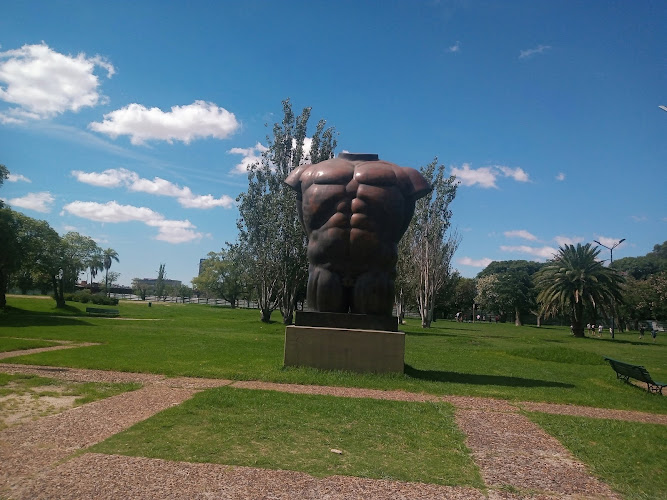
Parque Thays
Find Accommodations Nearby
Recommended Tours & Activities
Visitor Reviews
There are no reviews yet. Be the first one to write one.
Share Your Experience
Have you visited River Plate Museum? Help other travelers by leaving a review.