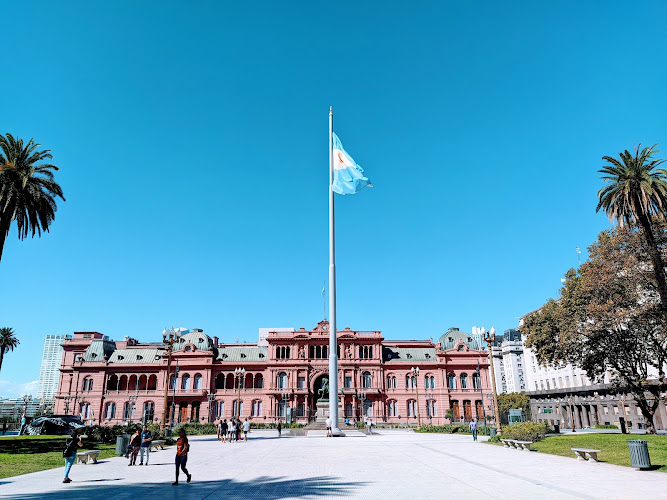
Casa Rosada
About Casa Rosada
Description
The Casa Rosada stands as one of Buenos Aires' most recognizable landmarks, and honestly, there's something almost surreal about seeing this pink palace in person for the first time. The distinctive rose-colored facade isn't just for show – it's become the symbol of Argentine presidential power and political history stretching back generations. This isn't your typical government building that tourists walk past without a second glance. The Casa Rosada invites visitors inside to explore the corridors of power where some of South America's most dramatic political moments unfolded. Located on the eastern side of Plaza de Mayo, this federal government office serves as the executive mansion and workplace of the President of Argentina. The palace has witnessed everything from military coups to the passionate speeches of Eva Perón from its famous balcony. When travelers stand in the plaza looking up at those iconic balconies, they're literally standing where history was made and continues to unfold today. The building itself represents a fascinating blend of architectural styles that somehow work together despite their differences. You'll notice Italian and French influences throughout the structure, which makes sense given Argentina's strong European heritage. But what really captivates most visitors is that unusual pink color. Some say it resulted from mixing ox blood with white paint in the 19th century, while others claim President Sarmiento chose the shade to blend the colors of Argentina's two main political parties. Whatever the real story – and locals will give you different versions – the result is unmistakable. What makes Casa Rosada particularly special for travelers is the accessibility. Unlike many presidential offices around the world that remain firmly closed to the public, this one opens its doors for guided tours that take visitors through rooms where actual governmental work happens. You're not just looking at a pretty building from the outside; you're walking through the same halls where presidents have made decisions affecting millions of lives.Key Features
The Casa Rosada offers visitors several remarkable elements that make it worth carving out time in any Buenos Aires itinerary:- The Famous Balcony: This is where Eva Perón addressed massive crowds and where current presidents still appear during significant moments. Standing beneath it gives you chills when you think about the historic speeches delivered from that exact spot.
- The Museum of the Casa Rosada: Located in the basement levels, this museum displays presidential artifacts, historical documents, and remnants of previous fortifications that once stood on this site. The archaeological remains are particularly fascinating for history enthusiasts.
- The Pink Facade: Those distinctive rose-hued walls photograph beautifully at different times of day. The color shifts subtly depending on the lighting, ranging from soft pastel to deeper coral tones.
- Presidential Gallery: Portraits and information about every Argentine president line certain corridors, offering a visual timeline of the nation's leadership from independence to present day.
- The White Hall: This elegant reception room features stunning crystal chandeliers and serves as the backdrop for official ceremonies and diplomatic receptions.
- Architectural Details: The building incorporates elements from different periods, including parts of the old fort and customs house that previously occupied the site. These historical layers add depth to your visit.
- Wheelchair Accessibility: The Casa Rosada has made genuine efforts to accommodate visitors with mobility challenges, featuring accessible entrances, parking, and restrooms throughout the premises.
- The North and South Towers: These distinctive architectural features cap each end of the building and create that instantly recognizable silhouette against the Buenos Aires skyline.
Best Time to Visit
Timing your visit to Casa Rosada requires a bit of planning because it's not open every single day like some tourist attractions. The guided tours typically run on Saturdays, Sundays, and national holidays, though schedules can change based on governmental activities and events. I learned this the hard way on my first attempt to visit when I showed up on a Wednesday afternoon only to find the tours weren't operating. The ideal time to visit is during the South American autumn and spring – that's March through May or September through November. Buenos Aires summers can be brutally hot, and standing in line or walking through non-air-conditioned historical rooms becomes uncomfortable quickly. Winter isn't terrible, but you'll want to bundle up a bit more than you might expect. Getting there early matters. Tours have limited capacity and they distribute tickets on a first-come basis. Arriving about 30 to 45 minutes before the scheduled tour time gives you a better shot at securing your spot. Weekend mornings tend to be slightly less crowded than afternoons, though both fill up during peak tourist season. And here's something many guidebooks don't mention – try to avoid visiting during major political demonstrations or protests. Plaza de Mayo serves as the traditional gathering point for political movements, and while these events are generally peaceful, they can result in restricted access to the building or canceled tours. Check local news before heading out. The lighting for photography enthusiasts works best in the late morning or early afternoon when natural light hits the pink facade at flattering angles. Golden hour before sunset also creates gorgeous photo opportunities, though you might not be able to tour the interior at that time.How to Get There
Buenos Aires makes reaching Casa Rosada relatively straightforward thanks to the city's extensive public transportation network. The palace sits in the Monserrat neighborhood, right in the historic heart of the city. The subway system offers the easiest option for most travelers. Take the A Line to Plaza de Mayo station, and you'll emerge practically at the building's doorstep. The D Line also works, with the Catedral station just a short walk away. Both options cost significantly less than taxi rides and avoid the notorious Buenos Aires traffic that can turn a 15-minute drive into a 45-minute ordeal. Multiple bus lines serve the area surrounding Plaza de Mayo, including routes 6, 7, 23, 28, 29, 50, 56, 59, 64, 91, 93, 111, 126, 130, and 143. But honestly, navigating the bus system as a tourist can feel overwhelming if you're not familiar with Buenos Aires. The subway provides more straightforward navigation. Taxi or rideshare services like Uber work perfectly fine if you prefer door-to-door service. Just tell the driver "Casa Rosada" or "Plaza de Mayo" and they'll know exactly where to go. Traffic conditions will determine your travel time, so build in extra minutes if you're trying to catch a specific tour time. Many travelers find themselves within walking distance since Casa Rosada sits near other major attractions like the Metropolitan Cathedral and Cabildo. If you're staying anywhere in San Telmo, Retiro, or Puerto Madero neighborhoods, the walk takes 15 to 30 minutes depending on your exact starting point. Parking is available nearby for those renting cars, including accessible parking spots for visitors with disabilities. However, parking in this area can be expensive and spaces fill quickly, especially on weekends when tours operate.Tips for Visiting
Bring your passport or identification. Security at Casa Rosada is understandably tight given it's an active government building, and you won't get past the entrance without proper ID. Don't assume a photo of your passport on your phone will work – they want the actual document. Tours are conducted in Spanish, though sometimes English guides are available. If you don't speak Spanish and want to fully understand the historical context, consider hiring a private guide or joining an organized tour group that includes Casa Rosada in their itinerary with English-speaking guides. Photography rules can be a bit inconsistent. Generally, photos are allowed in most areas, but certain rooms or during specific governmental activities might restrict cameras. Pay attention to what your guide says and respect any posted signs. Flash photography is typically prohibited to protect historical artifacts and artwork. The tours last approximately 90 minutes, sometimes stretching to two hours if the group asks lots of questions or moves slowly. Wear comfortable shoes because you'll be standing and walking throughout. And there's quite a bit of standing while guides explain various rooms and historical events. Restrooms are available inside the building, which is convenient since you might be there for a couple hours between waiting and touring. Take advantage of them before the tour starts rather than having to excuse yourself midway through. Security screening resembles airport security – you'll walk through metal detectors and bags get X-rayed. Don't bring large backpacks, sharp objects, or anything that might raise security concerns. A small purse or daypack should pass inspection without issues. The museum in the basement is included with your tour ticket and deserves at least 20 to 30 minutes of exploration time. Many visitors rush through it to see the main building, but some of the most interesting historical artifacts are actually down there. Combine your Casa Rosada visit with exploring Plaza de Mayo and the surrounding historic district. The Metropolitan Cathedral, Cabildo, and various cafes and restaurants are all within easy walking distance. Making a half-day adventure of this area gives you better value for your time than rushing just to see one building. Check the official schedule before making plans. Government functions, state visits, or special events can result in tour cancellations with little advance notice. Having a backup plan for that time slot prevents disappointment if tours aren't operating when you arrive. And finally, take time to simply stand in Plaza de Mayo and absorb the atmosphere. This plaza has been the epicenter of Argentine political life for centuries. The Madres de Plaza de Mayo still gather here every Thursday afternoon, maintaining their decades-long vigil for disappeared loved ones from the military dictatorship. Witnessing this living history adds profound context to your Casa Rosada visit.Key Features
- Iconic pink neoclassical façade overlooking Plaza de Mayo
- Guided tours of presidential offices, ceremonial halls and the Museo de la Casa de Gobierno
- Historic balcony famously used for presidential addresses
- Rich interior decoration: frescoes, period furniture and political memorabilia
- Central location near other historic sites and public transit
More Details
Updated January 5, 2026
Table of Contents
Description
The Casa Rosada stands as one of Buenos Aires’ most recognizable landmarks, and honestly, there’s something almost surreal about seeing this pink palace in person for the first time. The distinctive rose-colored facade isn’t just for show – it’s become the symbol of Argentine presidential power and political history stretching back generations. This isn’t your typical government building that tourists walk past without a second glance. The Casa Rosada invites visitors inside to explore the corridors of power where some of South America’s most dramatic political moments unfolded.
Located on the eastern side of Plaza de Mayo, this federal government office serves as the executive mansion and workplace of the President of Argentina. The palace has witnessed everything from military coups to the passionate speeches of Eva Perón from its famous balcony. When travelers stand in the plaza looking up at those iconic balconies, they’re literally standing where history was made and continues to unfold today.
The building itself represents a fascinating blend of architectural styles that somehow work together despite their differences. You’ll notice Italian and French influences throughout the structure, which makes sense given Argentina’s strong European heritage. But what really captivates most visitors is that unusual pink color. Some say it resulted from mixing ox blood with white paint in the 19th century, while others claim President Sarmiento chose the shade to blend the colors of Argentina’s two main political parties. Whatever the real story – and locals will give you different versions – the result is unmistakable.
What makes Casa Rosada particularly special for travelers is the accessibility. Unlike many presidential offices around the world that remain firmly closed to the public, this one opens its doors for guided tours that take visitors through rooms where actual governmental work happens. You’re not just looking at a pretty building from the outside; you’re walking through the same halls where presidents have made decisions affecting millions of lives.
Key Features
The Casa Rosada offers visitors several remarkable elements that make it worth carving out time in any Buenos Aires itinerary:
- The Famous Balcony: This is where Eva Perón addressed massive crowds and where current presidents still appear during significant moments. Standing beneath it gives you chills when you think about the historic speeches delivered from that exact spot.
- The Museum of the Casa Rosada: Located in the basement levels, this museum displays presidential artifacts, historical documents, and remnants of previous fortifications that once stood on this site. The archaeological remains are particularly fascinating for history enthusiasts.
- The Pink Facade: Those distinctive rose-hued walls photograph beautifully at different times of day. The color shifts subtly depending on the lighting, ranging from soft pastel to deeper coral tones.
- Presidential Gallery: Portraits and information about every Argentine president line certain corridors, offering a visual timeline of the nation’s leadership from independence to present day.
- The White Hall: This elegant reception room features stunning crystal chandeliers and serves as the backdrop for official ceremonies and diplomatic receptions.
- Architectural Details: The building incorporates elements from different periods, including parts of the old fort and customs house that previously occupied the site. These historical layers add depth to your visit.
- Wheelchair Accessibility: The Casa Rosada has made genuine efforts to accommodate visitors with mobility challenges, featuring accessible entrances, parking, and restrooms throughout the premises.
- The North and South Towers: These distinctive architectural features cap each end of the building and create that instantly recognizable silhouette against the Buenos Aires skyline.
Best Time to Visit
Timing your visit to Casa Rosada requires a bit of planning because it’s not open every single day like some tourist attractions. The guided tours typically run on Saturdays, Sundays, and national holidays, though schedules can change based on governmental activities and events. I learned this the hard way on my first attempt to visit when I showed up on a Wednesday afternoon only to find the tours weren’t operating.
The ideal time to visit is during the South American autumn and spring – that’s March through May or September through November. Buenos Aires summers can be brutally hot, and standing in line or walking through non-air-conditioned historical rooms becomes uncomfortable quickly. Winter isn’t terrible, but you’ll want to bundle up a bit more than you might expect.
Getting there early matters. Tours have limited capacity and they distribute tickets on a first-come basis. Arriving about 30 to 45 minutes before the scheduled tour time gives you a better shot at securing your spot. Weekend mornings tend to be slightly less crowded than afternoons, though both fill up during peak tourist season.
And here’s something many guidebooks don’t mention – try to avoid visiting during major political demonstrations or protests. Plaza de Mayo serves as the traditional gathering point for political movements, and while these events are generally peaceful, they can result in restricted access to the building or canceled tours. Check local news before heading out.
The lighting for photography enthusiasts works best in the late morning or early afternoon when natural light hits the pink facade at flattering angles. Golden hour before sunset also creates gorgeous photo opportunities, though you might not be able to tour the interior at that time.
How to Get There
Buenos Aires makes reaching Casa Rosada relatively straightforward thanks to the city’s extensive public transportation network. The palace sits in the Monserrat neighborhood, right in the historic heart of the city.
The subway system offers the easiest option for most travelers. Take the A Line to Plaza de Mayo station, and you’ll emerge practically at the building’s doorstep. The D Line also works, with the Catedral station just a short walk away. Both options cost significantly less than taxi rides and avoid the notorious Buenos Aires traffic that can turn a 15-minute drive into a 45-minute ordeal.
Multiple bus lines serve the area surrounding Plaza de Mayo, including routes 6, 7, 23, 28, 29, 50, 56, 59, 64, 91, 93, 111, 126, 130, and 143. But honestly, navigating the bus system as a tourist can feel overwhelming if you’re not familiar with Buenos Aires. The subway provides more straightforward navigation.
Taxi or rideshare services like Uber work perfectly fine if you prefer door-to-door service. Just tell the driver “Casa Rosada” or “Plaza de Mayo” and they’ll know exactly where to go. Traffic conditions will determine your travel time, so build in extra minutes if you’re trying to catch a specific tour time.
Many travelers find themselves within walking distance since Casa Rosada sits near other major attractions like the Metropolitan Cathedral and Cabildo. If you’re staying anywhere in San Telmo, Retiro, or Puerto Madero neighborhoods, the walk takes 15 to 30 minutes depending on your exact starting point.
Parking is available nearby for those renting cars, including accessible parking spots for visitors with disabilities. However, parking in this area can be expensive and spaces fill quickly, especially on weekends when tours operate.
Tips for Visiting
Bring your passport or identification. Security at Casa Rosada is understandably tight given it’s an active government building, and you won’t get past the entrance without proper ID. Don’t assume a photo of your passport on your phone will work – they want the actual document.
Tours are conducted in Spanish, though sometimes English guides are available. If you don’t speak Spanish and want to fully understand the historical context, consider hiring a private guide or joining an organized tour group that includes Casa Rosada in their itinerary with English-speaking guides.
Photography rules can be a bit inconsistent. Generally, photos are allowed in most areas, but certain rooms or during specific governmental activities might restrict cameras. Pay attention to what your guide says and respect any posted signs. Flash photography is typically prohibited to protect historical artifacts and artwork.
The tours last approximately 90 minutes, sometimes stretching to two hours if the group asks lots of questions or moves slowly. Wear comfortable shoes because you’ll be standing and walking throughout. And there’s quite a bit of standing while guides explain various rooms and historical events.
Restrooms are available inside the building, which is convenient since you might be there for a couple hours between waiting and touring. Take advantage of them before the tour starts rather than having to excuse yourself midway through.
Security screening resembles airport security – you’ll walk through metal detectors and bags get X-rayed. Don’t bring large backpacks, sharp objects, or anything that might raise security concerns. A small purse or daypack should pass inspection without issues.
The museum in the basement is included with your tour ticket and deserves at least 20 to 30 minutes of exploration time. Many visitors rush through it to see the main building, but some of the most interesting historical artifacts are actually down there.
Combine your Casa Rosada visit with exploring Plaza de Mayo and the surrounding historic district. The Metropolitan Cathedral, Cabildo, and various cafes and restaurants are all within easy walking distance. Making a half-day adventure of this area gives you better value for your time than rushing just to see one building.
Check the official schedule before making plans. Government functions, state visits, or special events can result in tour cancellations with little advance notice. Having a backup plan for that time slot prevents disappointment if tours aren’t operating when you arrive.
And finally, take time to simply stand in Plaza de Mayo and absorb the atmosphere. This plaza has been the epicenter of Argentine political life for centuries. The Madres de Plaza de Mayo still gather here every Thursday afternoon, maintaining their decades-long vigil for disappeared loved ones from the military dictatorship. Witnessing this living history adds profound context to your Casa Rosada visit.

Key Highlights
- Iconic pink neoclassical façade overlooking Plaza de Mayo
- Guided tours of presidential offices, ceremonial halls and the Museo de la Casa de Gobierno
- Historic balcony famously used for presidential addresses
- Rich interior decoration: frescoes, period furniture and political memorabilia
- Central location near other historic sites and public transit
Location
Places to Stay Near Casa Rosada
Find and Book a Tour
Explore More Travel Guides
No reviews found! Be the first to review!
Traveler Reviews for Casa Rosada
There are no reviews yet. Be the first one to write one.
Have you visited Casa Rosada? Help other travelers by sharing your review.
Nearby Attractions
Find Accommodations Nearby
Recommended Tours & Activities
Visitor Reviews
There are no reviews yet. Be the first one to write one.
Share Your Experience
Have you visited Casa Rosada? Help other travelers by leaving a review.