

Arco del Deán
About Arco del Deán
Description
Arco del Deán in Zaragoza is the kind of landmark that sneaks up on travelers—in the best way. Tucked into the Old Town’s web of stone lanes near the Cathedral of the Savior (La Seo), this graceful archway bridges the street like a whispered connection between eras. Historically, the arch linked the Casa del Deán (the Dean’s House) with La Seo, creating a sheltered passage for clergy. Today, it’s a rare chance to stand inside a living fragment of medieval Zaragoza and feel, for a minute or two, how the city once moved and breathed.
Architecturally, the arch is a small but meaningful conversation between Gothic and Mudéjar styles. Its pointed form, delicate tracery, and carved stone details speak Gothic, while the geometric accents and brickwork nod to Mudéjar—the unique blend of Christian and Islamic artistry that defines so much of Aragon’s rich architectural heritage. Stand back on Calle del Deán and the eye naturally traces the silhouette upward, along the façade of the former Dean’s residence with its ornate windows and heraldic hints, then across the archway’s passage and back toward La Seo’s magnificent exterior. It’s not a loud monument. It’s quietly confident, like a page left unturned that invites your curiosity.
What makes Arco del Deán so satisfying for travelers is that it’s both an attraction and a moment. A pause. Walk under the arch and the street sound softens; footsteps echo; bells from La Seo drift in and out on the breeze. The archway serves as a gateway between two corners of Zaragoza’s Casco Antiguo, and it doubles as a quick masterclass in the city’s layered history: Roman roots, Islamic influence, Christian power, and the everyday life that runs through it all. There’s no ticket line here, no hectic rush. Just stone, shadow, and time.
Visitors often pair Arco del Deán with a tour of La Seo, and that pairing works perfectly. La Seo’s cathedral museum and tapestries are among Spain’s finest collections, while the cathedral exterior offers one of the country’s most emblematic Mudéjar façades. With that in mind, Arco del Deán feels like a prelude—a subtle preface before the grand chapters in Zaragoza’s story: the co-cathedral arrangement with the Basilica del Pilar (yes, Zaragoza has two cathedrals), the nearby Roman forum remains, the Ebro riverbanks, and the Aljafería Palace further west. This neighborhood concentrates centuries of architecture into a walkable radius, which is exactly why a short stop under the arch hits so well.
To set expectations, the arch itself is modest in size. Some travelers come expecting a towering monument and find instead a highly photogenic, human-scaled passage that rewards attention to detail: the lines of the masonry, the ribs of the vault, the interplay of light and shadow in late afternoon. The best experiences happen when visitors let the arch be what it is—an intimate historical landmark—rather than what it isn’t. Occasional maintenance or scaffolding can appear from time to time (stone ages and the city cares for it), and during major events and processions you might share the view with more people than usual. But most days, a few minutes of patience leads to a beautifully calm scene.
Zaragoza is famous for more than one miracle, and while Arco del Deán isn’t the subject of those stories, it sits near the heart of them. The Basilica del Pilar by the Ebro recounts the apparition of the Virgin to St. James, and the city’s identity is interlaced with pilgrimage and celebration, especially every October during Fiestas del Pilar. That context gives the arch an extra layer—this is where religious and civic power literally crossed paths above the street. A small bridge, yes; but a meaningful one.
On a personal note, the first time this writer wandered through Arco del Deán, late light was turning the stone honey-gold and a guitarist somewhere in the distance kept losing and finding the same chord. Tiny details—like the faint scent of nearby cafés and the way the cobbles hold the day’s heat—made the arch feel more like a living room than a monument. The memory stuck, the way unplanned travel moments do. And that’s the charm here: it’s simple, real, and distinctly Zaragoza.
Key Features
- Gothic-Mudéjar synthesis: a pointed arch and ribbed elements married with geometric accents that reflect Aragon’s blended heritage.
- Historic passage: originally created to connect the Casa del Deán (Dean’s House) directly with La Seo, symbolizing church authority and privacy.
- Photogenic angles: shoot from the southwest side for depth; look up for tracery and vault lines; return at night for soft illumination shots.
- Proximity to La Seo: steps from the Cathedral of the Savior of Zaragoza, making it an effortless add-on to a cathedral visit.
- Old Town setting: set along Calle del Deán in the Casco Antiguo, surrounded by Roman-era sites, cafés, and artisan shops.
- Free and open-air: no entry fee, no turnstile—simply walk under and linger as long as you like.
- Kid-friendly stop: an easy, short visit; kids can spot carvings and patterns without museum fatigue.
- Wheelchair-friendly approach: the passage is level, though cobblestones can be bumpy; there’s no dedicated accessible parking adjacent.
- Soundscape and shade: a naturally shaded spot with gentle acoustics; bells from La Seo often add atmosphere.
- Night lighting: tasteful evening illumination makes for moody, cinematic photos.
- Part of classic itineraries: fits into walking routes connecting Plaza del Pilar, La Seo, the Roman forum, and onward toward Aljafería.
- Authentic scale: a modest-size landmark with outsized character; best appreciated up close and unhurried.
Best Time to Visit
Arco del Deán works any time of day, but the mood changes in ways photographers will love. Early morning brings calm streets and cool tones on the stone, perfect for a tripod and a few long exposures while the city wakes. Late afternoon and the golden hour add warm highlights that smooth the textures across the arch and Casa del Deán façade. After dusk, the ambient lighting casts soft shadows that emphasize the vault and curve for a more dramatic frame. In short: plan two visits if you can—one by day and one by night—and you’ll come away with distinct impressions.
Seasonally, Zaragoza’s semi-arid climate means hot summers, mild shoulder seasons, and crisp winters with the occasional Cierzo wind. For most travelers, spring and autumn hit the sweet spot: pleasant walking weather, fewer temperature extremes, and great light. October gets lively due to Fiestas del Pilar, which fills the nearby squares with events and processions. It’s atmospheric and very local, but also busier, so arrive early if you want clear shots under the arch. Winter is underrated—cool air, fewer visitors, and that particular winter sunshine that carves out clean shadows for noir-style photos. Summer works too; just plan for a morning or late-evening stroll to dodge the midday heat.
Weekdays are generally quieter than weekends. If your schedule only allows a Saturday or Sunday, aim for early morning. Holy Week processions, cultural parades, or special cathedral events occasionally bring extra foot traffic. The upside is the added soundtrack—choirs, brass, drums—that makes the arch feel like a front-row seat to Zaragoza’s cultural calendar.
How to Get There
Arco del Deán sits in Zaragoza’s Old Town, a few steps from La Seo. If you’re already exploring Plaza del Pilar and the Cathedral of the Savior, you’re essentially there: head toward La Seo’s façade and follow the narrow lanes along the cathedral perimeter until you reach Calle del Deán. It’s a short, scenic meander—exactly the kind of walk Old Town is made for.
On foot: Most travelers approach from Plaza del Pilar, combining a visit to the Basilica del Pilar with La Seo and the arch. The stroll between Plaza del Pilar and the arch is only a few minutes, and the route is surrounded by cafés, local bakeries, and photo stops. It’s an easy win on any Zaragoza itinerary.
By public transport: Zaragoza’s tram and bus network drops you near the Old Town core. Alight at stops around Plaza del Pilar or the central arteries of the Casco and walk the final blocks into the pedestrian-friendly lanes. Exact routes vary by day and time, so check local timetables at your hotel or the nearest stop. As a rule of thumb, once you’re within sight of the Basilica del Pilar or La Seo, the arch is a very short walk away.
From the main train station: Zaragoza-Delicias station is a quick taxi or rideshare away from the Old Town. Expect around 15–20 minutes depending on traffic. If using public transit, choose a bus or tram heading to the historic center and plan for a brief walk at the end.
By car: Old Town streets are narrow and often restricted to local traffic. It’s simplest to park in a public garage near Plaza del Pilar or around Mercado Central and continue on foot. There’s no dedicated parking at the arch and no curbside pull-up, which honestly keeps the space calm and walkable.
Wheelchair users will find the approach to Arco del Deán generally manageable, with level passage beneath the arch. Cobblestones can add a bumpy texture to the ride, and while entrances to the area are accessible, there isn’t an on-site accessible parking bay immediately adjacent. Consider drop-offs at the edges of the pedestrian zone or taxi access points near the main squares, then proceed on the shortest path to Calle del Deán.
Tips for Visiting
- Pair it with La Seo: Visiting the Cathedral of the Savior and its museum brings the arch’s original purpose into focus. Seeing both back-to-back makes the story click.
- Photography playbook: Try three angles—(1) step back on Calle del Deán and frame the arch with the cathedral’s façade, (2) stand directly beneath to capture the vault, and (3) shoot from the opposite side for a layered street view. Return at night for soft glow.
- Mind the cobbles: Comfortable shoes help on Zaragoza’s historic lanes. The approach is short but uneven.
- Come twice if you can: Daytime reveals detail in the carvings; evening adds atmosphere. Two quick stops, two different moods.
- Short and sweet: Plan 10–15 minutes for the arch itself, then linger longer if you enjoy architectural details and people-watching.
- Respect the setting: This is an active residential and ecclesiastical area. Keep voices low during services and watch for procession routes or ceremonial closures.
- Facilities nearby: There’s no on-site restroom or ticket office (it’s a free, open-air landmark). Cafés and restaurants around La Seo and Plaza del Pilar cover the essentials.
- Kid-friendly stop: Children enjoy spotting patterns and shields on the façade. Keep an eye out for bikes or occasional service vehicles threading the lanes.
- Accessibility notes: Wheelchair access under the arch is level. Without designated nearby parking, plan drop-offs at accessible points on the edge of the pedestrian zone.
- Weather-smart choices: Zaragoza is one of Spain’s drier cities, but the Cierzo wind can blow in cooler months. In summer, aim for morning shade or the softer evening light.
- Combine the big hitters: Build an easy loop—Basilica del Pilar, Plaza del Pilar, La Seo, Arco del Deán, the Roman forum museum—and, time permitting, taxi to Aljafería.
- Guided context: A local walking tour adds depth to what you’re seeing, especially the Gothic-Mudéjar thread that runs from La Seo to smaller corners like the arch.
- Festivals and processions: During Holy Week and Fiestas del Pilar, the area is extra atmospheric; arrive early for photos and expect denser crowds.
- A calm pause: If the city feels busy, use the arch as a micro-retreat. Lean into the shade, listen for bells, then step back out refreshed.
Is Zaragoza worth a visit for an archway alone? Of course not—and that’s the point. Arco del Deán shines because it’s a seamless piece of a greater whole. In a compact area, travelers encounter a co-cathedral city with one foot in Gothic grace, another in Mudéjar rhythm, and both planted firmly in daily life. Stop under the arch and look up. Then go on to La Seo and beyond. The bigger Zaragoza story is right there, unfolding a few steps at a time.
One more practical note from experience: The arch rewards attention. Slow down, even if only for sixty seconds. Let the eyes adjust to the contrast of shadow and light, trace the curve, find a carving you missed at first glance. That’s when Arco del Deán moves from a quick photo stop to a real memory. And in a city where history is often grand and public, this small, elegant passage feels personal—almost like Zaragoza letting you in on a quiet secret.
Key Features
- 13th-century Gothic arch connecting the Dean’s house to La Seo
- Mudejar decorative elements reflecting Zaragoza’s blended heritage
- Intimate location within Zaragoza’s Casco Antiguo, ideal for walking tours
- Photogenic composition with cobbled street framing and historic façades
- Proximity to La Seo Cathedral and other major Old Town sites
More Details
Updated November 2, 2025
Table of Contents
Description
Arco del Deán in Zaragoza is the kind of landmark that sneaks up on travelers—in the best way. Tucked into the Old Town’s web of stone lanes near the Cathedral of the Savior (La Seo), this graceful archway bridges the street like a whispered connection between eras. Historically, the arch linked the Casa del Deán (the Dean’s House) with La Seo, creating a sheltered passage for clergy. Today, it’s a rare chance to stand inside a living fragment of medieval Zaragoza and feel, for a minute or two, how the city once moved and breathed.
Architecturally, the arch is a small but meaningful conversation between Gothic and Mudéjar styles. Its pointed form, delicate tracery, and carved stone details speak Gothic, while the geometric accents and brickwork nod to Mudéjar—the unique blend of Christian and Islamic artistry that defines so much of Aragon’s rich architectural heritage. Stand back on Calle del Deán and the eye naturally traces the silhouette upward, along the façade of the former Dean’s residence with its ornate windows and heraldic hints, then across the archway’s passage and back toward La Seo’s magnificent exterior. It’s not a loud monument. It’s quietly confident, like a page left unturned that invites your curiosity.
What makes Arco del Deán so satisfying for travelers is that it’s both an attraction and a moment. A pause. Walk under the arch and the street sound softens; footsteps echo; bells from La Seo drift in and out on the breeze. The archway serves as a gateway between two corners of Zaragoza’s Casco Antiguo, and it doubles as a quick masterclass in the city’s layered history: Roman roots, Islamic influence, Christian power, and the everyday life that runs through it all. There’s no ticket line here, no hectic rush. Just stone, shadow, and time.
Visitors often pair Arco del Deán with a tour of La Seo, and that pairing works perfectly. La Seo’s cathedral museum and tapestries are among Spain’s finest collections, while the cathedral exterior offers one of the country’s most emblematic Mudéjar façades. With that in mind, Arco del Deán feels like a prelude—a subtle preface before the grand chapters in Zaragoza’s story: the co-cathedral arrangement with the Basilica del Pilar (yes, Zaragoza has two cathedrals), the nearby Roman forum remains, the Ebro riverbanks, and the Aljafería Palace further west. This neighborhood concentrates centuries of architecture into a walkable radius, which is exactly why a short stop under the arch hits so well.
To set expectations, the arch itself is modest in size. Some travelers come expecting a towering monument and find instead a highly photogenic, human-scaled passage that rewards attention to detail: the lines of the masonry, the ribs of the vault, the interplay of light and shadow in late afternoon. The best experiences happen when visitors let the arch be what it is—an intimate historical landmark—rather than what it isn’t. Occasional maintenance or scaffolding can appear from time to time (stone ages and the city cares for it), and during major events and processions you might share the view with more people than usual. But most days, a few minutes of patience leads to a beautifully calm scene.
Zaragoza is famous for more than one miracle, and while Arco del Deán isn’t the subject of those stories, it sits near the heart of them. The Basilica del Pilar by the Ebro recounts the apparition of the Virgin to St. James, and the city’s identity is interlaced with pilgrimage and celebration, especially every October during Fiestas del Pilar. That context gives the arch an extra layer—this is where religious and civic power literally crossed paths above the street. A small bridge, yes; but a meaningful one.
On a personal note, the first time this writer wandered through Arco del Deán, late light was turning the stone honey-gold and a guitarist somewhere in the distance kept losing and finding the same chord. Tiny details—like the faint scent of nearby cafés and the way the cobbles hold the day’s heat—made the arch feel more like a living room than a monument. The memory stuck, the way unplanned travel moments do. And that’s the charm here: it’s simple, real, and distinctly Zaragoza.
Key Features
- Gothic-Mudéjar synthesis: a pointed arch and ribbed elements married with geometric accents that reflect Aragon’s blended heritage.
- Historic passage: originally created to connect the Casa del Deán (Dean’s House) directly with La Seo, symbolizing church authority and privacy.
- Photogenic angles: shoot from the southwest side for depth; look up for tracery and vault lines; return at night for soft illumination shots.
- Proximity to La Seo: steps from the Cathedral of the Savior of Zaragoza, making it an effortless add-on to a cathedral visit.
- Old Town setting: set along Calle del Deán in the Casco Antiguo, surrounded by Roman-era sites, cafés, and artisan shops.
- Free and open-air: no entry fee, no turnstile—simply walk under and linger as long as you like.
- Kid-friendly stop: an easy, short visit; kids can spot carvings and patterns without museum fatigue.
- Wheelchair-friendly approach: the passage is level, though cobblestones can be bumpy; there’s no dedicated accessible parking adjacent.
- Soundscape and shade: a naturally shaded spot with gentle acoustics; bells from La Seo often add atmosphere.
- Night lighting: tasteful evening illumination makes for moody, cinematic photos.
- Part of classic itineraries: fits into walking routes connecting Plaza del Pilar, La Seo, the Roman forum, and onward toward Aljafería.
- Authentic scale: a modest-size landmark with outsized character; best appreciated up close and unhurried.
Best Time to Visit
Arco del Deán works any time of day, but the mood changes in ways photographers will love. Early morning brings calm streets and cool tones on the stone, perfect for a tripod and a few long exposures while the city wakes. Late afternoon and the golden hour add warm highlights that smooth the textures across the arch and Casa del Deán façade. After dusk, the ambient lighting casts soft shadows that emphasize the vault and curve for a more dramatic frame. In short: plan two visits if you can—one by day and one by night—and you’ll come away with distinct impressions.
Seasonally, Zaragoza’s semi-arid climate means hot summers, mild shoulder seasons, and crisp winters with the occasional Cierzo wind. For most travelers, spring and autumn hit the sweet spot: pleasant walking weather, fewer temperature extremes, and great light. October gets lively due to Fiestas del Pilar, which fills the nearby squares with events and processions. It’s atmospheric and very local, but also busier, so arrive early if you want clear shots under the arch. Winter is underrated—cool air, fewer visitors, and that particular winter sunshine that carves out clean shadows for noir-style photos. Summer works too; just plan for a morning or late-evening stroll to dodge the midday heat.
Weekdays are generally quieter than weekends. If your schedule only allows a Saturday or Sunday, aim for early morning. Holy Week processions, cultural parades, or special cathedral events occasionally bring extra foot traffic. The upside is the added soundtrack—choirs, brass, drums—that makes the arch feel like a front-row seat to Zaragoza’s cultural calendar.
How to Get There
Arco del Deán sits in Zaragoza’s Old Town, a few steps from La Seo. If you’re already exploring Plaza del Pilar and the Cathedral of the Savior, you’re essentially there: head toward La Seo’s façade and follow the narrow lanes along the cathedral perimeter until you reach Calle del Deán. It’s a short, scenic meander—exactly the kind of walk Old Town is made for.
On foot: Most travelers approach from Plaza del Pilar, combining a visit to the Basilica del Pilar with La Seo and the arch. The stroll between Plaza del Pilar and the arch is only a few minutes, and the route is surrounded by cafés, local bakeries, and photo stops. It’s an easy win on any Zaragoza itinerary.
By public transport: Zaragoza’s tram and bus network drops you near the Old Town core. Alight at stops around Plaza del Pilar or the central arteries of the Casco and walk the final blocks into the pedestrian-friendly lanes. Exact routes vary by day and time, so check local timetables at your hotel or the nearest stop. As a rule of thumb, once you’re within sight of the Basilica del Pilar or La Seo, the arch is a very short walk away.
From the main train station: Zaragoza-Delicias station is a quick taxi or rideshare away from the Old Town. Expect around 15–20 minutes depending on traffic. If using public transit, choose a bus or tram heading to the historic center and plan for a brief walk at the end.
By car: Old Town streets are narrow and often restricted to local traffic. It’s simplest to park in a public garage near Plaza del Pilar or around Mercado Central and continue on foot. There’s no dedicated parking at the arch and no curbside pull-up, which honestly keeps the space calm and walkable.
Wheelchair users will find the approach to Arco del Deán generally manageable, with level passage beneath the arch. Cobblestones can add a bumpy texture to the ride, and while entrances to the area are accessible, there isn’t an on-site accessible parking bay immediately adjacent. Consider drop-offs at the edges of the pedestrian zone or taxi access points near the main squares, then proceed on the shortest path to Calle del Deán.
Tips for Visiting
- Pair it with La Seo: Visiting the Cathedral of the Savior and its museum brings the arch’s original purpose into focus. Seeing both back-to-back makes the story click.
- Photography playbook: Try three angles—(1) step back on Calle del Deán and frame the arch with the cathedral’s façade, (2) stand directly beneath to capture the vault, and (3) shoot from the opposite side for a layered street view. Return at night for soft glow.
- Mind the cobbles: Comfortable shoes help on Zaragoza’s historic lanes. The approach is short but uneven.
- Come twice if you can: Daytime reveals detail in the carvings; evening adds atmosphere. Two quick stops, two different moods.
- Short and sweet: Plan 10–15 minutes for the arch itself, then linger longer if you enjoy architectural details and people-watching.
- Respect the setting: This is an active residential and ecclesiastical area. Keep voices low during services and watch for procession routes or ceremonial closures.
- Facilities nearby: There’s no on-site restroom or ticket office (it’s a free, open-air landmark). Cafés and restaurants around La Seo and Plaza del Pilar cover the essentials.
- Kid-friendly stop: Children enjoy spotting patterns and shields on the façade. Keep an eye out for bikes or occasional service vehicles threading the lanes.
- Accessibility notes: Wheelchair access under the arch is level. Without designated nearby parking, plan drop-offs at accessible points on the edge of the pedestrian zone.
- Weather-smart choices: Zaragoza is one of Spain’s drier cities, but the Cierzo wind can blow in cooler months. In summer, aim for morning shade or the softer evening light.
- Combine the big hitters: Build an easy loop—Basilica del Pilar, Plaza del Pilar, La Seo, Arco del Deán, the Roman forum museum—and, time permitting, taxi to Aljafería.
- Guided context: A local walking tour adds depth to what you’re seeing, especially the Gothic-Mudéjar thread that runs from La Seo to smaller corners like the arch.
- Festivals and processions: During Holy Week and Fiestas del Pilar, the area is extra atmospheric; arrive early for photos and expect denser crowds.
- A calm pause: If the city feels busy, use the arch as a micro-retreat. Lean into the shade, listen for bells, then step back out refreshed.
Is Zaragoza worth a visit for an archway alone? Of course not—and that’s the point. Arco del Deán shines because it’s a seamless piece of a greater whole. In a compact area, travelers encounter a co-cathedral city with one foot in Gothic grace, another in Mudéjar rhythm, and both planted firmly in daily life. Stop under the arch and look up. Then go on to La Seo and beyond. The bigger Zaragoza story is right there, unfolding a few steps at a time.
One more practical note from experience: The arch rewards attention. Slow down, even if only for sixty seconds. Let the eyes adjust to the contrast of shadow and light, trace the curve, find a carving you missed at first glance. That’s when Arco del Deán moves from a quick photo stop to a real memory. And in a city where history is often grand and public, this small, elegant passage feels personal—almost like Zaragoza letting you in on a quiet secret.
Key Highlights
- 13th-century Gothic arch connecting the Dean’s house to La Seo
- Mudejar decorative elements reflecting Zaragoza’s blended heritage
- Intimate location within Zaragoza’s Casco Antiguo, ideal for walking tours
- Photogenic composition with cobbled street framing and historic façades
- Proximity to La Seo Cathedral and other major Old Town sites
Location
Places to Stay Near Arco del Deán
Find and Book a Tour
Explore More Travel Guides
No reviews found! Be the first to review!
Traveler Reviews for Arco del Deán
There are no reviews yet. Be the first one to write one.
Have you visited Arco del Deán? Help other travelers by sharing your review.
Nearby Attractions
You Might Also Like
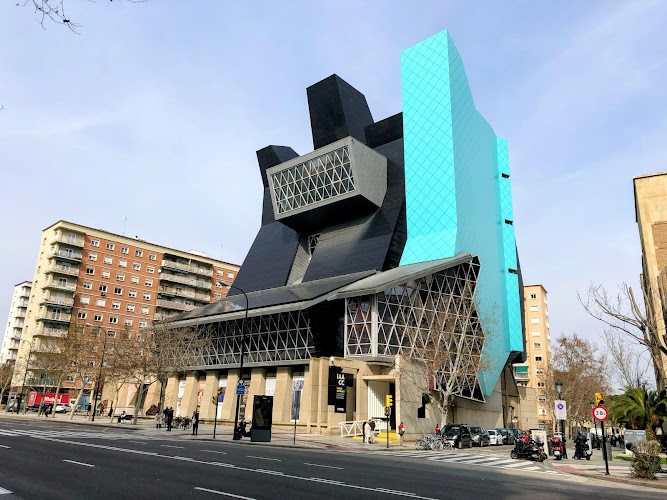
IAACC Pablo Serrano

Sala de Exposiciones La Lonja
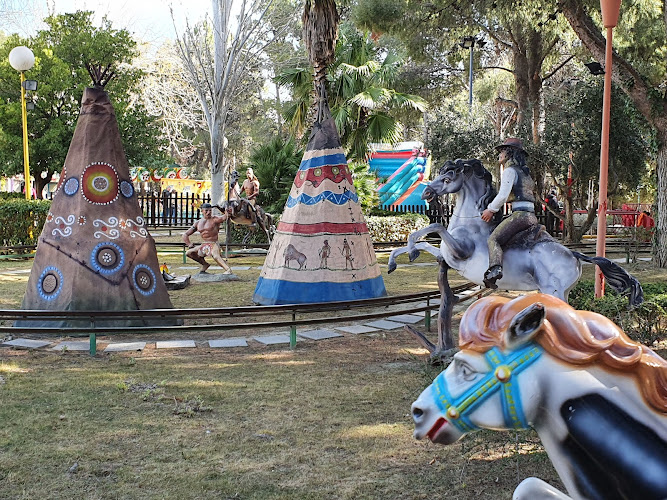
Zaragoza Amusement Park
Find Accommodations Nearby
Recommended Tours & Activities
Visitor Reviews
There are no reviews yet. Be the first one to write one.
Share Your Experience
Have you visited Arco del Deán? Help other travelers by leaving a review.