 Real Journey Travels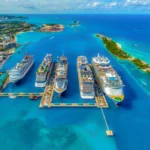
Last modified August 17, 2026
Planning a trip to Nassau sometimes feels like trying to pick the best seashell on the beach—there’s just so much to choose from. From pastel colonial streets and lively markets to the sparkling waters around Paradise Island, Nassau has this easygoing rhythm that pulls you right in. This 7-day Nassau itinerary lays out how to spend a week exploring the island’s culture, food, and beaches—plus a few hidden gems you might not expect.
You’ll find out where locals go for the freshest conch salad, discover the best times to visit iconic spots like the Queen’s Staircase, and get ideas for balancing relaxation and adventure all week long. I’ve spent years hopping between Caribbean islands, and Nassau still stands out as a favorite blend of tropical charm and local soul.
Key Takeaways
- Get practical tips for planning a smooth Nassau getaway
- Find trusted picks for stays, food, and must-see attractions
- Discover easy ways to experience real Bahamian culture
Essential Nassau Travel Planning

A trip to Nassau takes a bit of planning—choosing the right season, figuring out how to get there, and understanding the local culture all make a difference. Even simple choices—like when you book your flight or how you carry money—can save time, reduce stress, and help you enjoy more of the Bahamas.
When to Visit Nassau
Nassau’s tropical climate means sunshine most of the year, but timing still matters. The best weather usually rolls in from December through April, when humidity drops and temperatures hover near 80°F. That’s also high season, so hotels cost more and beaches get crowded.
Want to save? Try traveling between May and early November. It’s quieter and easier on the wallet, though it does overlap with hurricane season. Always check the forecast before you go and consider travel insurance in case storms pop up.
Summer brings big events like the Junkanoo Summer Festival, with street parades, drums, and wild costumes. I like early December for visits—the air feels festive but the crowds haven’t arrived yet.
How to Get to Nassau
Most folks land at Lynden Pindling International Airport (NAS), about 10 miles west of downtown Nassau. Direct flights from big U.S. cities like Miami, Atlanta, and New York make it easy. From the airport, a taxi or shuttle gets you to your hotel in about 20 minutes.
If you’re in the region already, you might come by cruise ship. The Nassau Cruise Port sits in the city center, just steps from Bay Street’s shops and cafés. I once hopped off a cruise here for the day—it’s easy to see the highlights on foot.
You don’t really need a car for short stays, but if you’re planning to explore further or take day trips, you’ll find car rentals at the airport. Keep in mind, Bahamians drive on the left side of the road—takes a little getting used to if you’re from the U.S.
Currency, Language, and Safety Tips
Nassau uses the Bahamian Dollar (BSD), worth the same as the U.S. dollar. Both are accepted everywhere, so you can mix cash without worrying about exchange. Keep small bills handy for tips, taxis, or the Straw Market downtown.
English is the official language, spoken with a laid-back island accent. Locals are friendly and polite, often greeting you before chatting—take a second to say hello first, and you’ll get a warmer response.
Common sense helps with safety. Stick to well-lit spots at night, keep your stuff secure, and use marked taxis. I keep digital copies of my ID and travel plans on my phone, just in case. Nassau’s generally safe, but staying aware makes travel smoother.
Where to Stay in Nassau

Nassau’s charm really comes out in its neighborhoods—each area has its own beat. Cable Beach glows with calm turquoise water and sleek resorts, Downtown buzzes with color and history, and Paradise Island feels like a giant playground for families. Whether you want boutique style, luxury, or something simple, there’s a spot for you.
Best Areas for First-Time Visitors
If it’s your first Nassau trip, start with Cable Beach. The long white-sand shore is lined with well-run hotels, lively bars, and casual diners serving cracked conch and fresh grouper. The water stays shallow and calm—great for a swim after breakfast.
I remember strolling from my hotel to the Baha Bay Waterpark one afternoon—kids laughing, waves rolling softly. That kind of easygoing energy is what brings people back. You can move between fancy resorts and roadside shacks in minutes.
Downtown Nassau feels different. Pastel colonial buildings, small galleries, and the famous Straw Market set the scene. It’s a good pick if you like walking to everything. Lots of travelers find it handy to browse cozy hotel deals there, since options range from hostels to polished waterfront stays.
Boutique Shops and Unique Accommodations
If you’re into small, personal places, check out boutique stays in Downtown Nassau or near Love Beach. These spots blend comfort and culture in a way the big resorts just can’t. You might wake up to the smell of fresh coffee from a family-run café next door or chat with artists selling woven baskets outside.
One of my favorite afternoons was spent browsing boutique shops tucked along narrow lanes—handmade jewelry, linen dresses, and wooden crafts that feel genuinely Bahamian. These cozy stays often have small courtyards, open-air kitchens, or hammocks under the palms.
Some restored colonial lofts once used as studios now serve as artsy rentals. Expect bright interiors, old wood beams, and that lived-in warmth you don’t get from big-brand hotels.
Family-Friendly Resorts and All-Inclusive Options
Traveling with kids? Paradise Island is hard to beat. The mega-resorts there have waterparks, aquariums, and miles of beach to keep everyone busy. Atlantis is basically a small city—with slides, aquariums, and even marine life classes.
You can buy a day pass if you’re not staying there, but families often book a few nights for the convenience. I’ve watched kids squeal down the lazy river while parents sipped cold drinks under umbrellas. It’s busy, but somehow it works.
For something quieter, Cable Beach also has all-inclusive resorts with meals and kids’ activities built in. Makes it easier to just relax and soak up the Bahamian sun.
Day-by-Day Nassau Itinerary
This itinerary guides you through the lively heart of New Providence Island, from pastel colonial streets and local art to white-sand beaches and island flavors. You’ll blend relaxation with exploration—visiting coral reefs, historic landmarks, and quiet outer cays you can only reach by boat.
Day 1: Downtown Nassau Landmarks & Culture
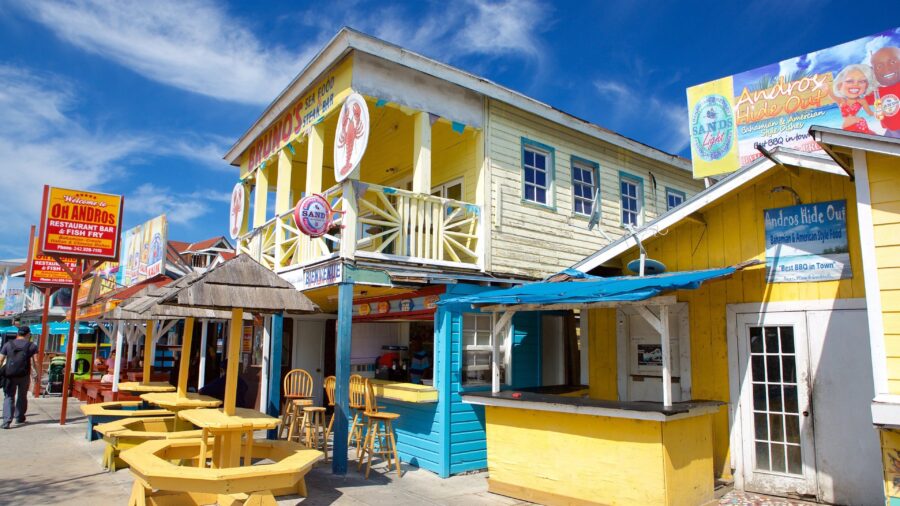
Start by wandering through Parliament Square, where pink government buildings line up in neat colonial order. The square feels like a painting from the 19th century. Just a short walk away is the Queen’s Staircase, carved into limestone by enslaved people in the 1700s—humbling but incredible to see up close.
Climb up to Fort Fincastle for harbor views; the cannons still point toward the turquoise waters. Later, stroll along Bay Street, Nassau’s main drag packed with shops, cafés, and bright murals.
If you’re into local crafts, the Straw Market is fun to browse. You can haggle a bit (politely!) for woven bags or conch shell jewelry. End your night at Arawak Cay, or The Fish Fry, where locals hang out for grilled snapper and cold Kalik beer.
Day 2: Cable Beach Relaxation & Water Sports
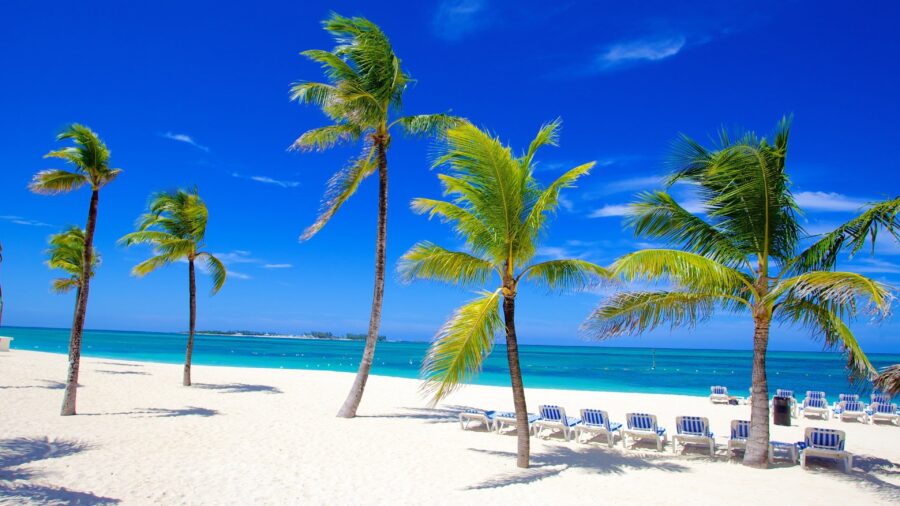
Head to Cable Beach early before the crowds. The sand feels almost powdery, and the water glows an unreal blue. Resorts line this bay, but each section has its own feel—some quiet, some lively with music and vendors.
Try jet skiing or rent a paddleboard if you want some action. The nearby coral reef makes for easy snorkeling too. I once ended up swimming with a stingray there—startling, but honestly amazing.
When you’re hungry, grab conch fritters from a beach hut or stop at a bar for a Bahama Mama. As the sun sets, the sky turns pink and orange—perfect for a slow walk along the water.
Day 3: Exploring Paradise Island & Aquarium Wonders

Cross the bridge to Paradise Island, famous for its resorts, gardens, and Marina Village. Even if you’re not staying at Atlantis, spend time exploring its marine habitats. The huge aquarium called The Dig is packed with sharks, rays, and bright tropical fish.
Walk over to Cabbage Beach—it’s busy, but gorgeous. The current can get strong, so stay near shore. Between swims, wander through markets by the marina or check out art boutiques tucked behind the main strip.
There’s something relaxing about the hum of golf carts and boat engines here. For dinner, try a spot with harbor views; Mad Traveller’s itinerary recommends Carmine’s of Nassau for Italian food with ocean breezes.
Day 4: Rose Island Escape & Snorkeling Adventures

Hop on a boat to Rose Island—only 25 minutes away but a world apart. You’ll trade crowds for quiet beaches and vivid coral reef snorkeling with tangs and parrotfish. Most tours include snorkel gear and a casual barbecue lunch right on the sand.
What I love about Rose Island is you can still see Nassau on the horizon, but it feels far away. If the tide’s right, you might spot a curious sea turtle. The beaches here have a way of making hours disappear fast.
Wrap up your day back in Nassau with a relaxed dinner along the Marina or Bay Street, then maybe catch live music at a local bar.
Day 5: Island Hopping—Exuma Cays and Swimming Pigs
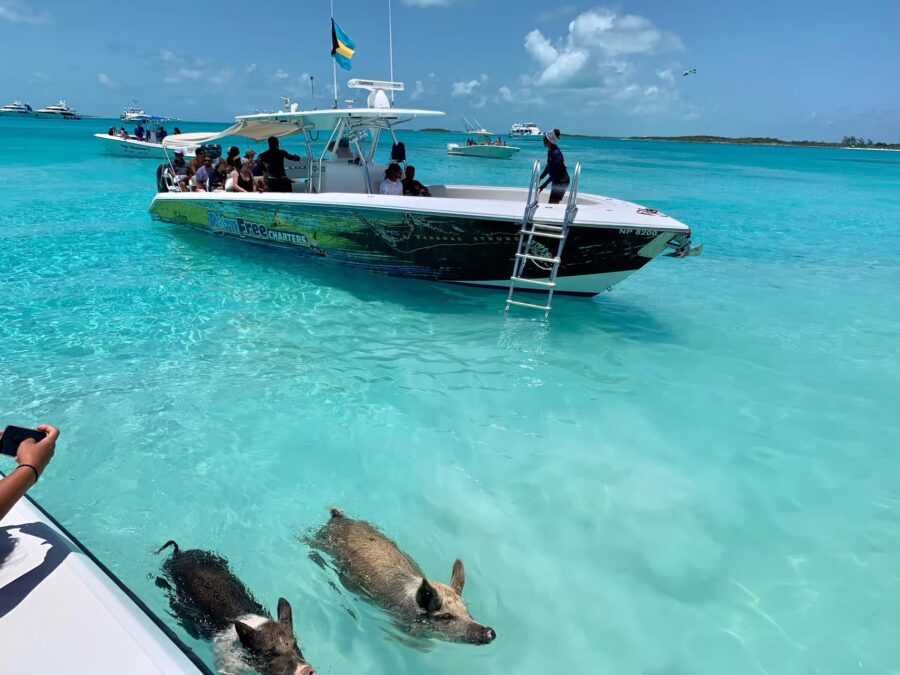
This one’s worth waking up early for. The Exuma Cays sit to the south, reachable by speedboat day trip. Most tours stop at Pig Beach, home to those playful swimming pigs you’ve seen on Instagram. It’s touristy, sure, but it’s honestly fun watching them paddle over.
Between stops, boats usually anchor near shallow sandbars where the water is glass-clear. You might visit Allen’s Cay to feed iguanas or snorkel over a plane wreck half-buried in coral. Bring reef-safe sunscreen—you’ll be in and out of the water all day.
I always end that trip salty, sunburned, and smiling—maybe that’s the best way to experience the Bahamas.
Day 6: Harbour Island and Pink Sand Beach Exploration
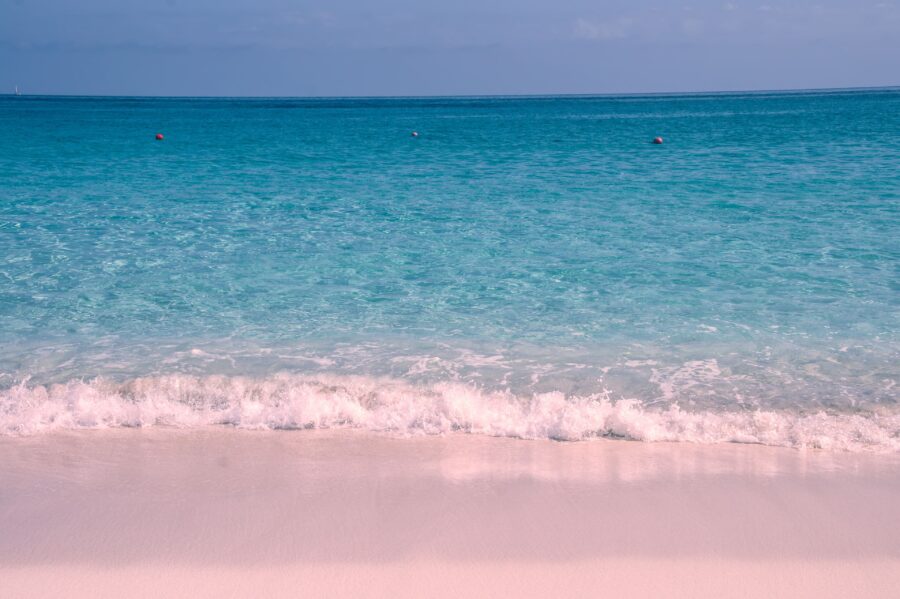
Hop on the early ferry or catch a quick flight to Harbour Island, home of the famous three-mile Pink Sand Beach. The color’s not a trick of the light—tiny crushed shells mix with the white sand, giving it a soft blush. Take off your shoes and wander the whole stretch; somehow, the sand stays cool even under the midday sun.
Drop by Dunmore Town, a charming village with pastel cottages and quiet, shady lanes. If you slow down, locals might wave or stop for a quick chat. Renting a golf cart makes it easy to zip between the beach, marina, and little shops.
Lunch at a seaside café just feels right here—most spots serve fresh grouper or conch salad with a squeeze of lime. The easy pace really lets you soak up island life.
Day 7: Shopping, Local Markets & Hidden Gems
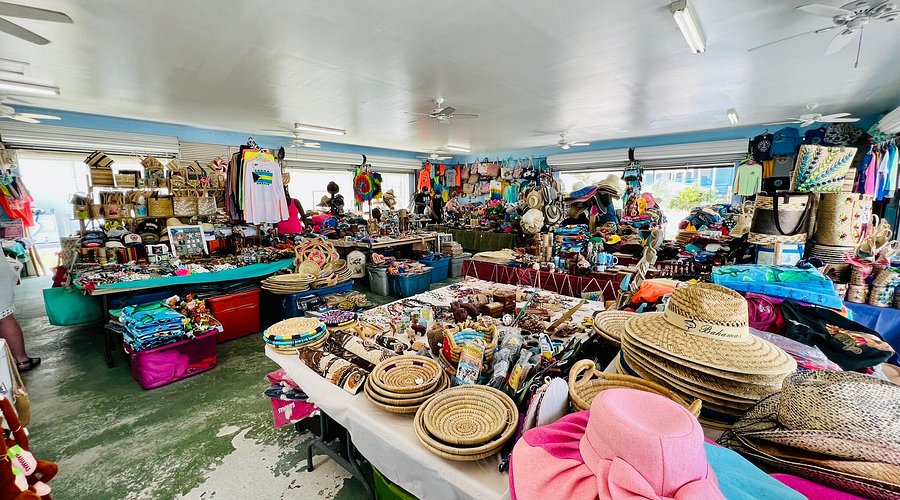
For your last day, explore Nassau however you like. Return to Bay Street for souvenirs or browse the Straw Market if you missed anything. Art lovers might want to check out the National Art Gallery of The Bahamas, tucked inside a restored old mansion.
Meander down side streets dotted with tiny galleries and coffee shops—most tourists never find these. Locals might tip you off to hidden craft stalls or bakeries selling guava duff. If you’ve got a bit of time left, take the ferry to Blue Lagoon for one last swim in those ridiculously clear turquoise waters (as tr4vel.org’s Nassau itinerary mentions).
Finish your trip with grilled seafood at Arawak Cay, jerk spices in the air, and waves breaking just out of sight.
Top Nassau Experiences You Can’t Miss
Nassau offers a world of marine life, bright coral walls, and sleepy island escapes where time just slows down. The best memories usually happen when you swap the lounge chair for a day in the water or a quick trip to a nearby cay. That’s when you really see the Bahamas outside the resort bubble.
Snorkeling & Coral Reefs
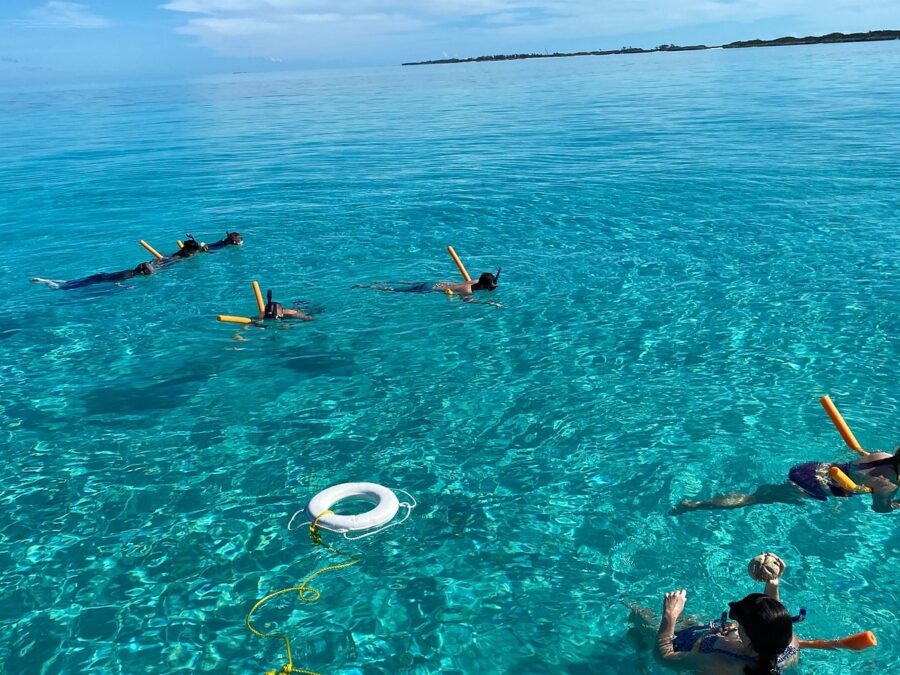
If you bring only one thing to Nassau, make it your snorkel gear. The water’s so clear you can watch the sand ripple below. I still remember floating over a reef near Rose Island and spotting a parrotfish as big as a loaf of bread. The coral gardens burst with color, and turtles just glide by like they own the place.
Small-group snorkeling tours let you jump between reefs, each teeming with angelfish and yellowtail snapper. You can book tours and attractions ahead of time, which helps if you’re visiting during the busy season.
For something quieter, just grab a mask and explore near Cable Beach or Goodman’s Bay. No boat needed, and you might lose track of time floating over the shallow reefs. Don’t forget reef-safe sunscreen—locals take protecting these spots seriously.
Unique Wildlife Encounters
You’ll get close to wildlife here in a way that feels rare. Swim with friendly nurse sharks at Compass Cay or hand-feed rays in the shallows off Blue Lagoon Island. I hesitated my first time, but once you’re in, you realize how calm these animals are. They just glide by, totally unfazed.
Tours to Compass Cay and Staniel Cay often stop where stingrays brush against your legs. It’s hard not to laugh at how gentle they are. Some tours even mix in snorkeling around coral heads packed with damselfish.
If you’d rather stay dry, visit Ardastra Gardens to watch flamingos march in perfect rhythm. Still, getting in the water gives you a real sense of why the locals care so much about protecting marine life. Seeing sharks up close, “fear” turns into “respect.”
Island Hopping Day Trips
Leaving the main island is honestly one of the best parts of any Nassau trip. A quick boat ride brings you to the Exuma Cays, where you’ll meet the famous swimming pigs at Big Major Cay, snorkel through Thunderball Grotto, and stroll the pink sands of Harbour Island.
Every cay has its own vibe. At Staniel Cay, pastel houses dot the docks, and locals wave from golf carts like you’ve been friends for years. Harbour Island moves at a slower pace—grab some conch fritters, chat with the fishermen, and you’ll get why people never want to leave.
Pack a dry bag and a sense of adventure. These trips can be long, but they show you the real Bahamas: calm turquoise bays, boat crews full of stories, and that quiet hum of island life that lingers even after you’re home.
Discovering Bahamian Cuisine and Culture
Food and culture are the heartbeat of Nassau. You’ll taste the sea in every conch bite, feel the island’s warmth in street eats, and hear centuries of heritage in the music and local traditions still alive today.
Must-Try Bahamian Dishes
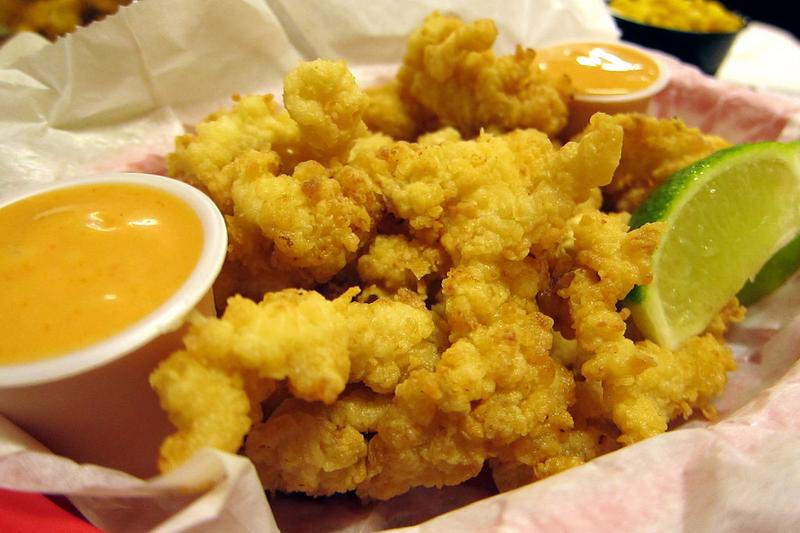
If you only try two things, go for conch salad and cracked conch. Conch salad is a bright mix of raw conch, lime, tomato, green pepper, and onion—think ceviche, but with a tropical twist. Cracked conch is breaded and fried, tender inside, crispy outside. Locals joke it’s their fried chicken, and honestly, that’s not far off.
Pair your meal with peas ‘n’ rice, a Bahamian staple that pops up everywhere. It’s earthy, comforting, and full of pigeon peas, onions, and salt pork. You might spot stewed fish, guava duff (a sweet roll with guava filling), or Johnny cake, a dense bread perfect for soaking up sauce.
Places like Bahamian Cookin’ and Twin Brothers turn these into simple, soulful meals. For more ideas, the Caribbean Focus Travel 7-day Nassau itinerary mentions conch chowder and local desserts that round out the comfort food scene.
| Dish | What to Expect | Best Place to Try |
|---|---|---|
| Conch Salad | Fresh, tangy seafood mix | Fish Fry stands |
| Cracked Conch | Fried and crispy | Arawak Cay restaurants |
| Peas ‘n’ Rice | Savory side dish | Local homes, smaller cafes |
Local Food Markets and Arawak Cay

Nassau’s Arawak Cay, better known as the Fish Fry, brings everyone together over plates stacked with seafood. You’ll smell frying oil, lime, and grilled fish before you even arrive. Every shack has its own spin on conch fritters or grilled snapper, and it’s worth sampling a few before you pick a favorite.
For a more everyday slice of island life, wander through farmers markets near Potter’s Cay Dock. You’ll spot jars of homemade pepper sauce, sweet plantains, and fresh lobster on ice. Vendors usually offer a taste if you ask nicely. Sometimes you’ll catch them chatting in rhythmic Bahamian patois—it’s half the fun just listening in.
Cultural Spots and Events
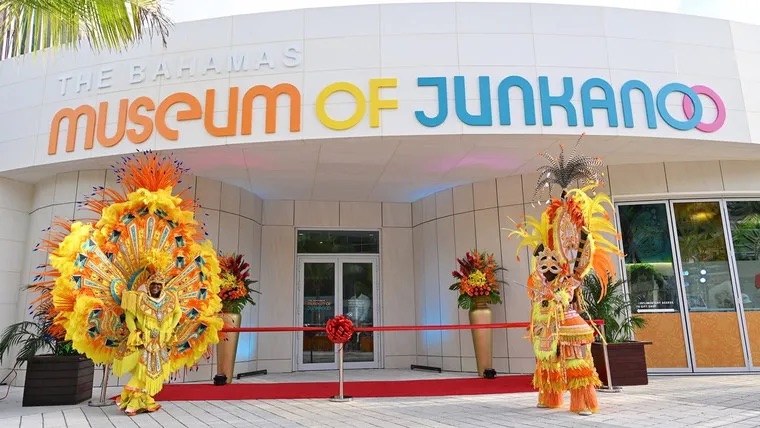
Bahamian culture bursts out in music, art, and festivals. You’ll see it, hear it, and taste it—sometimes all at once. At the Junkanoo Museum or during the real Junkanoo Festival, bright feathered costumes dance to the beat of goatskin drums and brass horns. If you’re here in late December or early January, don’t miss it—the energy is unreal.
Downtown Nassau Straw Market is a classic spot for handwoven hats and bags. The market’s been around forever, and chatting with vendors gives you a peek at island life beyond the resorts.
For a slower pace, check out the National Art Gallery of The Bahamas, where colonial architecture meets bold local art. Add in street murals and outdoor music jams, and you get a sense of Bahamian culture—rooted in tradition but buzzing with color and life.
Nassau Tips for Seamless Exploration
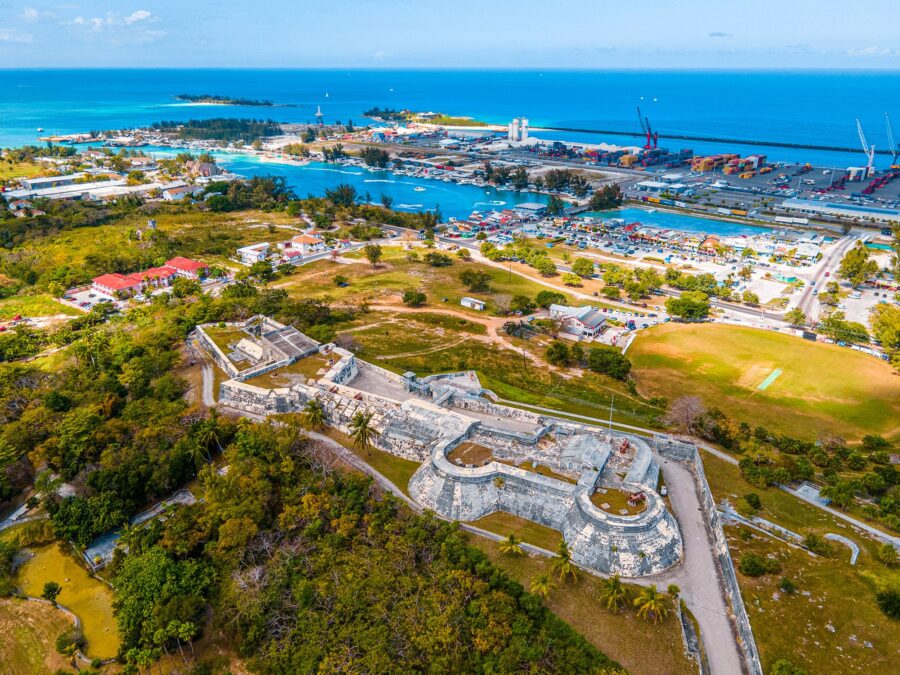
Nassau greets you with warm people, salty breezes, and streets splashed in color. To make the most of your visit, focus on easy transportation, mindful shopping, and travel habits that help keep the island beautiful for everyone who comes after.
Transport and Getting Around
Taxis cluster outside the airport and hotels, but they’re not cheap—always agree on the price before you get in. If you want to go beyond downtown, the local jitneys are your best bet. These small buses zip around Nassau for just a few bucks and give you a real taste of local life. I once spent an afternoon chatting with a driver who pointed out hidden beaches most visitors miss.
For short hops around Bay Street or Paradise Island, walking works just fine. Traffic’s slow, and pastel buildings make every stroll a photo op. If you like independence, you can rent a car—just remember, they drive on the left. Packing smart travel gear like a fold-up duffel or light rain jacket makes getting around less of a hassle when the weather turns.
Shopping Local: Markets and Souvenirs
Bay Street is Nassau’s shopping heartbeat. You’ll find duty-free shops, local craft stalls, and colorful markets. For real Bahamian handiwork, head to the Straw Market, where artisans weave hats and bags from palm straw. Bargaining’s expected—take your time, chat with the vendors, and you’ll leave with more than souvenirs; you’ll have stories too.
I still remember buying a set of handwoven coasters from a woman who’d been there twenty years. She told me each weave pattern came from her grandmother. Those little connections make the things you bring home matter more. For edible gifts, grab some local jam or Bahamian pepper sauce—they pack easy and taste like sunshine.
Eco-Friendly and Responsible Travel
Respect for the island really matters here. Nassau’s coral reefs look stunning, but they’re delicate—so grab reef-safe sunscreen and don’t touch the marine life while snorkeling. If you’re heading out on a boat, pick operators who actually care about conservation and won’t feed wild animals.
Little things make a difference—bring your own water bottle, skip the plastic straws, and walk when you can instead of hopping in a cab. Locals genuinely notice when visitors care. Staying at hotels that recycle or use solar power helps too. The Bahamas shines because of its clean beaches and clear water, and honestly, keeping it that way is on all of us.
Frequently Asked Questions
A week in Nassau lets you soak up lively culture, peaceful beaches, and a bit of everything old and new. One minute you’re wandering through history carved in limestone, the next you’re diving into turquoise water with colorful fish and friendly folks.
What are the top attractions to include for a week-long stay in Nassau?
You’ll want a mix—historic sites, beaches, and a taste of island life. I always start at the u003cstrongu003eQueen’s Staircaseu003c/strongu003e, built back in the late 1700s, then wander up to u003cstrongu003eFort Fincastleu003c/strongu003e for a peek at Nassau’s colonial roots.u003cbru003eu003cbru003eIf you’re after a buzzier vibe, stroll down u003cstrongu003eBay Streetu003c/strongu003e for the shops and the Straw Market. Set aside a day for Atlantis Paradise Island, where you’ve got family-friendly spots like u003cemu003eAquaventure Water Parku003c/emu003e and u003cemu003eDolphin Cayu003c/emu003e (the u003ca href=u0022https://mad-traveller.com/itinary/nassau-the-bahamas-7-day-itinerary/u0022u003eMad Traveller itinerary for Nassauu003c/au003e covers these well). End your day with sunset at u003cstrongu003eCable Beachu003c/strongu003e—it’s as good as everyone says.
What is the recommended balance between relaxation and adventure when planning a week in Nassau?
I’d say go for a pretty even split—half relaxation, half activity. Spend time lounging on the beach, enjoy slow breakfasts, maybe read under a palm. But Nassau’s got a way of pulling you into adventure, so save a few days for snorkeling or hopping between islands.u003cbru003eu003cbru003eTry a day trip to u003cstrongu003eBlue Lagoon Islandu003c/strongu003e or catch a boat to u003cstrongu003eRose Islandu003c/strongu003e—swim, snorkel, and grab some fresh conch salad for lunch. If you follow something like u003ca href=u0022https://travelermania.com/itinaries/nassau-the-bahamas-7-day-itinerary/u0022u003eTravelerMania’s Nassau itineraryu003c/au003e, it feels just right—you’re never rushing, but you’re not missing out either.
If you wander off the main roads, you’ll stumble onto quieter spots like u003cstrongu003eClifton Heritage National Parku003c/strongu003e. Here, you can snorkel past underwater sculptures and pick up some Bahamian history. It feels peaceful and never really gets crowded.u003cbru003eu003cbru003eWant a slice of local life? Drop by u003cstrongu003eArawak Cayu003c/strongu003e—locals just call it u003cemu003eThe Fish Fryu003c/emu003e. The conch fritters? Absolutely the real thing. Don’t bother dressing up; it’s laid-back and noisy in a way that just works. There’s also the u003cstrongu003eGraycliff Hotelu003c/strongu003e, which hides a tiny chocolate factory and a cigar-rolling room inside. It’s old-school Nassau—refined but still warm and welcoming.


