
Last modified February 9, 2026
A lot of travelers ask if they really have to leave the city to catch Iceland’s famous aurora borealis. You can see the northern lights from downtown Reykjavik, but you’ll have a much better shot if you head for darker areas in or just outside the city center. All those streetlights and glowing windows can make it tricky to spot the aurora in the busiest parts of town.
But here’s the thing: Reykjavik actually has a handful of spots where you can watch the aurora without traveling far from your hotel. Parks, waterfronts, and some higher ground offer darker skies but still keep you close to the city comforts.
Let’s get into where you should go in and around Reykjavik if you want to maximize your chances of catching this wild natural show. I’ll share the best viewing spots, when to go, and a few tips for a successful aurora hunt.
Key Takeaways
- Yes, you can see the northern lights in downtown Reykjavik, but you’ll get a better view in darker spots away from city lights
- The best season is late September through April, with the 2025-2026 solar maximum expected to bring some of the brightest displays
- Top places like Grotta Lighthouse and Oskjuhlid Hill are easy to reach from the city center and usually offer solid viewing conditions
Can You See the Northern Lights from Downtown Reykjavik?
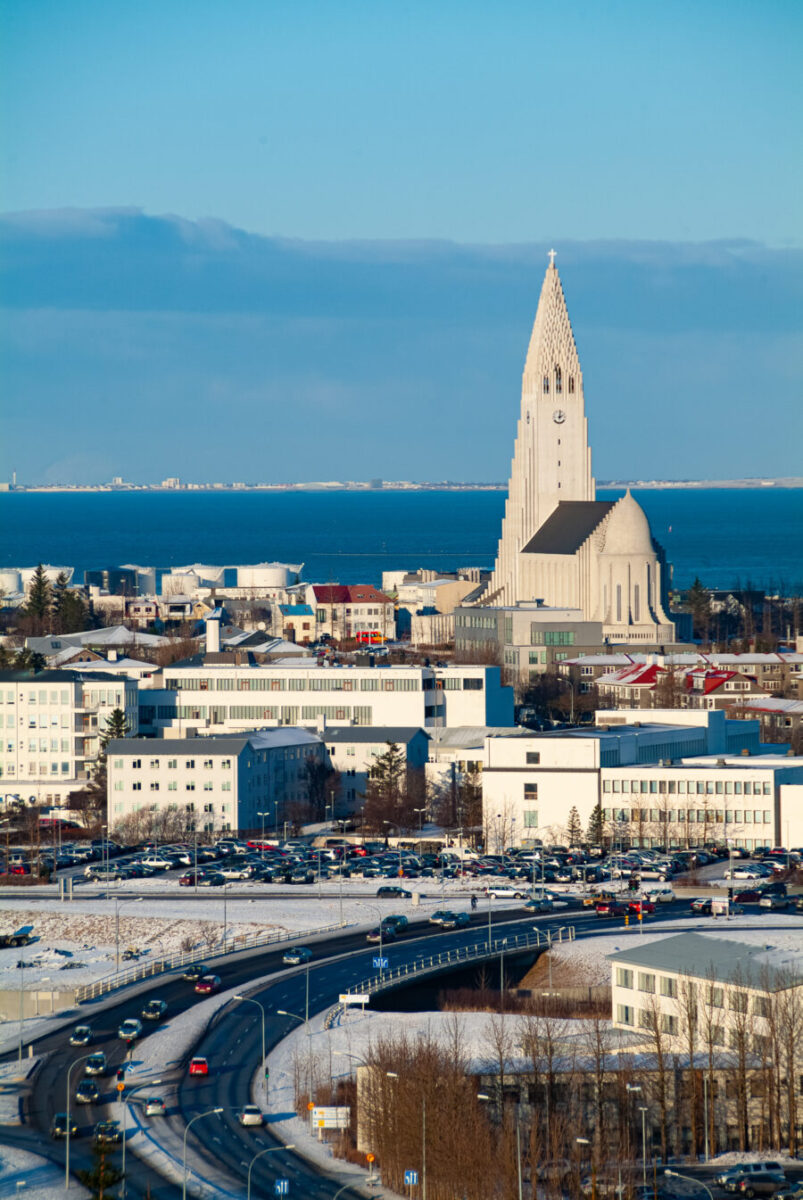
You can spot the northern lights from downtown Reykjavik, though the city’s light pollution makes it tougher than in darker areas. Your odds depend on how strong the aurora is and whether the sky stays clear that night.
How Light Pollution Affects Aurora Visibility
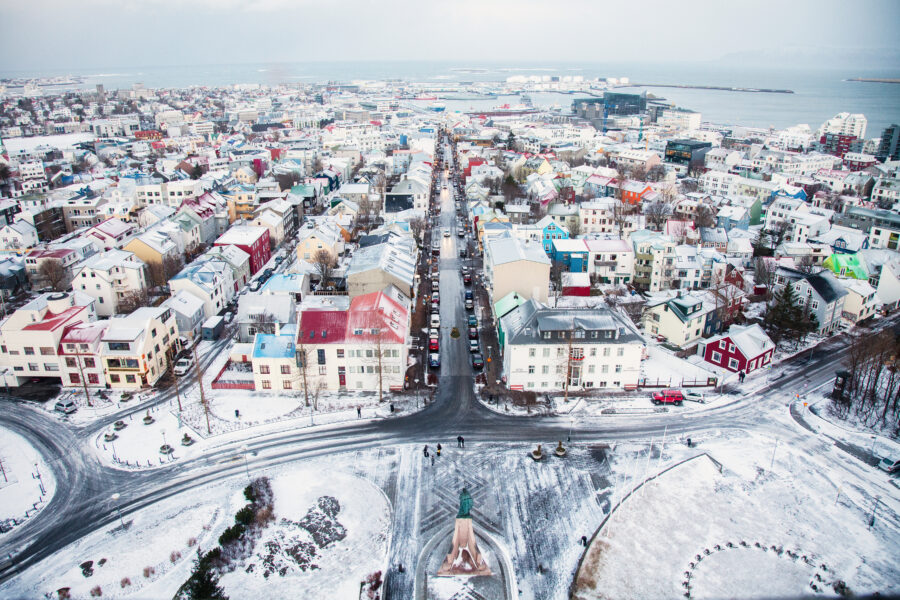
Streetlights, buildings, and shop windows in downtown Reykjavik cast a glow over the night sky, which washes out faint auroras and makes them tough—or sometimes impossible—to see.
If the aurora is weak or just average, you probably won’t see it from the city center. The city lights simply overpower everything but the brightest displays. But when solar activity gets intense and the aurora really kicks off, it can shine through the urban glow and show up even on Reykjavik’s busiest streets.
Picture it like this: a strong aurora looks like glowing green curtains rippling across the sky, but a weak one might just be a subtle glow near the horizon. Downtown Reykjavik blocks out all but the most dramatic shows.
Typical Conditions in Downtown Reykjavik
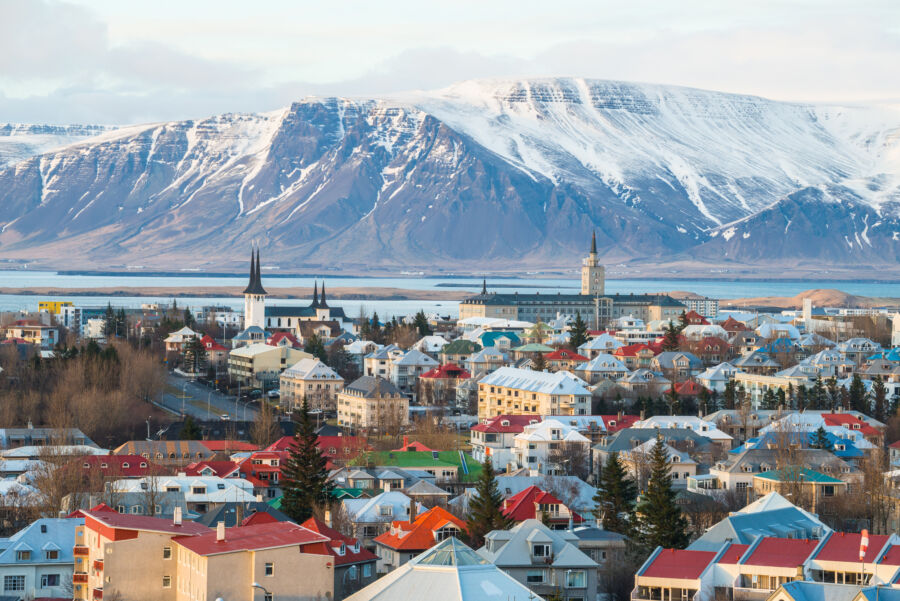
The city center sits at sea level, surrounded by buildings that block chunks of the sky. You’re never far from a hotel, restaurant, or streetlamp that stays on all night. Even the harbor has security lights that mess with your night vision.
If the aurora forecast is low (KP index under 3), don’t expect to see anything from downtown. With moderate activity (KP 3-4), you might catch a faint greenish glow if you look north from a darker spot. When things really heat up (KP 5 or more), you can sometimes see the lights right from Laugavegur, the main shopping street.
If you’re downtown, your best move is to head for the waterfront where fewer buildings block your view.
What to Expect in Terms of Brightness and Frequency
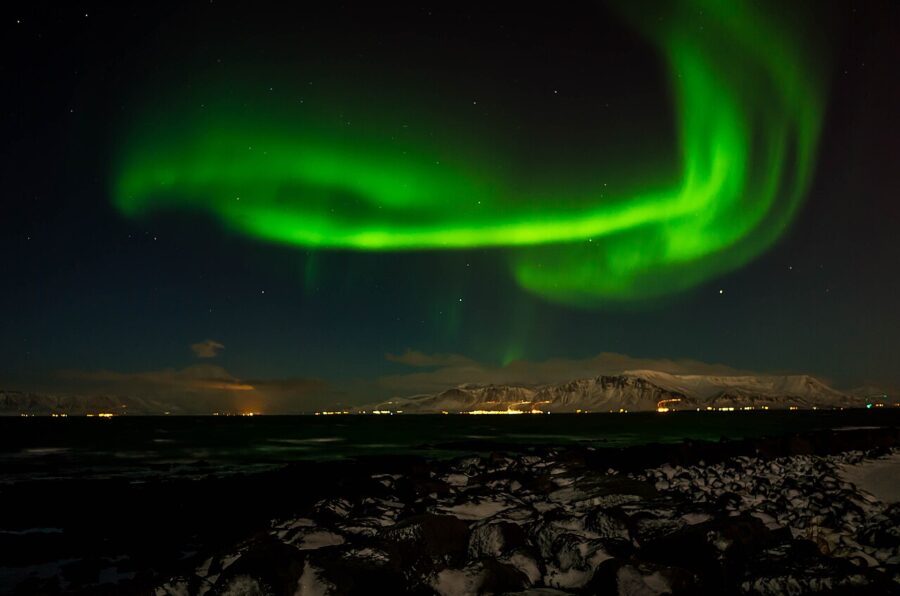
If you keep an eye on the sky from downtown Reykjavik during winter, you might see the northern lights two or three times a month. That’s a lot less than what you’d catch outside the city.
The auroras you do spot will look dimmer and less colorful. Your eyes need real darkness to catch those rich greens and rare reds. What shows up as a vibrant dance in a dark spot might just look like a pale, grayish glow from downtown.
Strong displays help a lot. During big solar storms, the lights get bright enough to show color, even with city lights around. But you’ll miss out on all the subtle, beautiful displays that need real darkness.
Best Places to See the Northern Lights Within Reykjavik
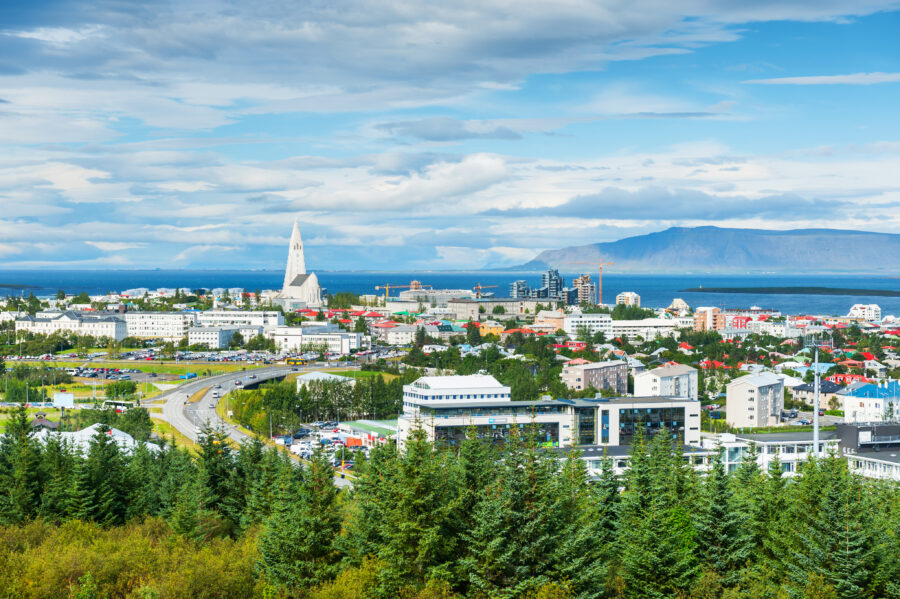
Light pollution dims the aurora in downtown Reykjavik, but a few places inside the city limits give you a better shot. The best spots sit on the edges of town, where streetlights fade and you get a clear view of the northern sky—all without leaving the capital.
Grótta Lighthouse and Seltjarnarnes Peninsula
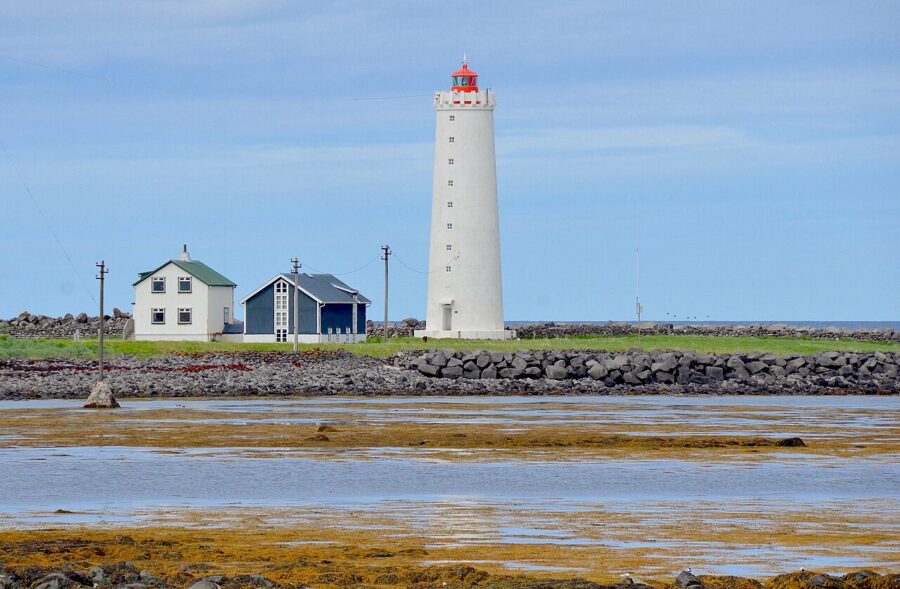
Grótta Lighthouse stands at the far west end of the Seltjarnarnes Peninsula, about 20 minutes from downtown. It’s one of the most popular places to try for the northern lights in Reykjavik, since it’s just far enough from the city glow to get some real darkness.
You can catch a city bus to Grótta in the early evening, but you’ll need to walk back if you stay late since buses stop running. The walk back to the harbor takes about an hour. The lighthouse sits on a little island, and you can only cross the path at low tide.
The area around Grótta gives you wide-open views of the sky over the ocean. If the aurora is strong, you’ll see it reflected in the water. But, to be honest, this spot gets crowded now. It’s even labeled “Northern Lights View Point” on Google Maps, so expect company if the forecast looks good.
If Grótta feels too busy, try other dark spots along Reykjavik’s northern shore, heading east toward the suburbs.
Öskjuhlíð Hill and Perlan
Öskjuhlíð is a wooded hill above the city, with the Perlan museum perched on top. The height gives you a better vantage point, above some of the city lights.
Walking paths wind through the small forest, and the trees help block out streetlights. You can park near Perlan and wander a bit to find a darker spot. The south side of the hill usually feels darker than the side facing downtown.
Perlan itself has some viewing potential from its grounds, but the building’s lights can hurt your night vision. If you walk away from the structure, you’ll get better conditions. The area is easy to reach by car, with plenty of parking.
Sun Voyager Sculpture and Waterfront
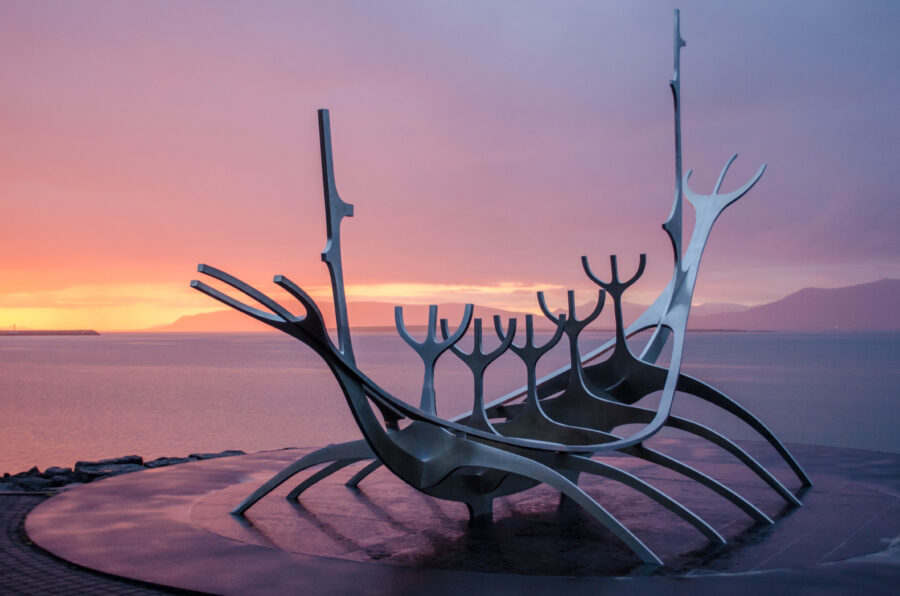
The Sun Voyager sculpture sits right on the waterfront, facing north over Faxaflói Bay. It’s smack in the middle of downtown, so you’ll only catch the northern lights here when they’re really strong.
But it’s convenient—if you’re staying downtown and the lights suddenly show up, you can get there fast. The sculpture also looks great in aurora photos.
Try to block direct light sources, like lampposts, with your body or something nearby. Your eyes need time to adjust, which is tough with all the street lights. Still, if the aurora is intense, you’ll see it even here.
Klambratún Park and Other Urban Spots
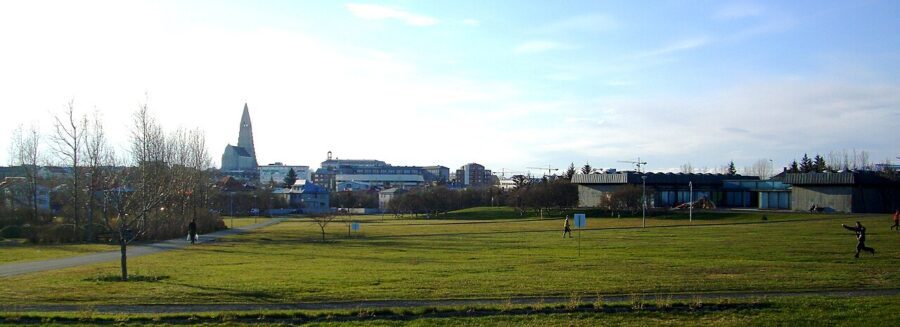
Klambratún Park sits in a residential area and feels surprisingly dark compared to the rest of downtown. The open fields have fewer lights, so your eyes can adjust a bit.
Other options include the Hallgrímskirkja church grounds and the Þúfa art installation by the harbor. They’re not perfect for aurora watching, but they’ll do in a pinch if the lights appear unexpectedly.
Lake Elliðavatn, on the eastern edge of the city, offers darker conditions than central spots. The water reflects the lights during strong activity. If you want the darkest skies close to Reykjavik, head for Heiðmörk nature reserve just outside the city.
Top Viewing Locations Near Reykjavik
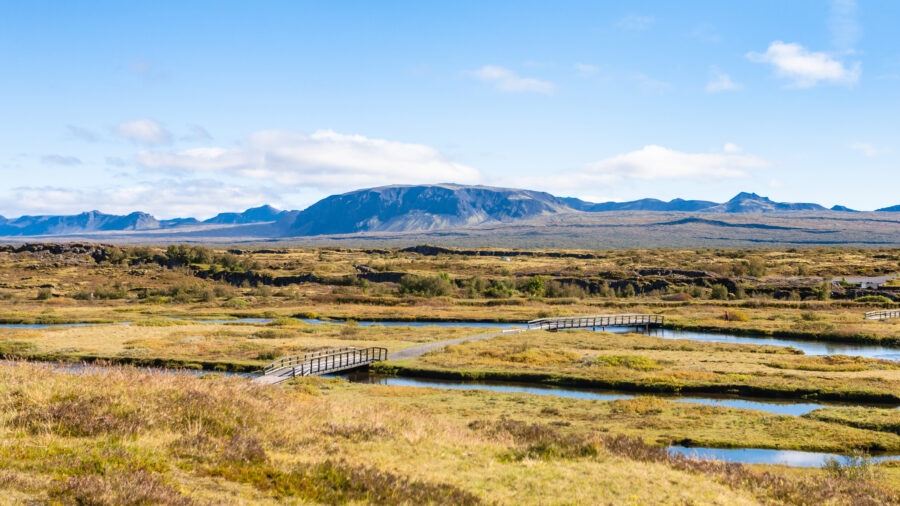
Drive just 20 to 45 minutes outside Reykjavik, and you’ll find darker skies and much better viewing at nature reserves, national parks, and coastal spots. These places are still easy to reach but have way less light pollution.
Heiðmörk Nature Reserve and Lake Hvaleyrarvatn
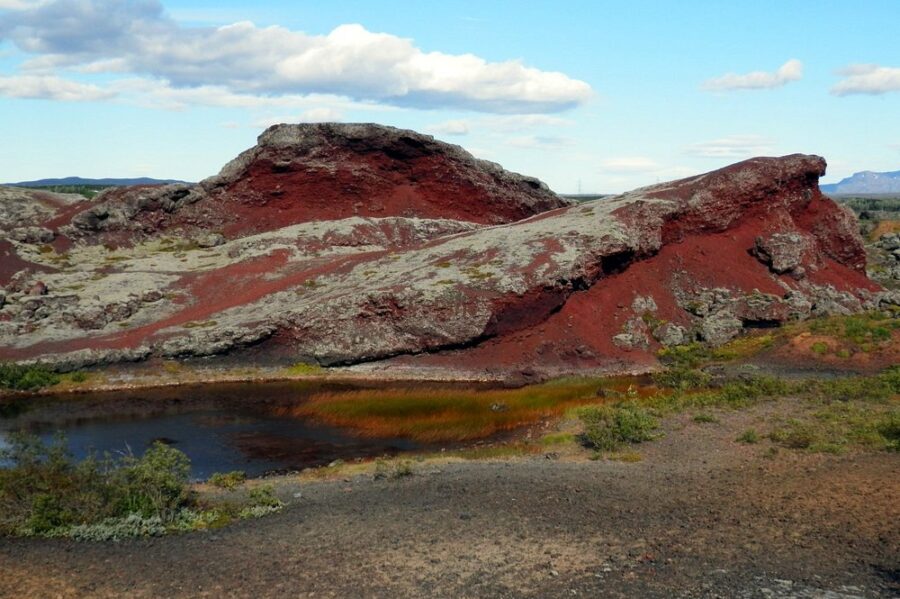
Heiðmörk nature reserve lies about 20 minutes southeast of downtown Reykjavik and offers a quick escape from city lights. The reserve covers about 3,000 hectares of forest and lava fields, so you can spread out and find your own spot.
Lake Hvaleyrarvatn, near Hafnarfjörður, sits inside the reserve. Trees around the lake block out stray light from nearby neighborhoods. You can walk the 2km path around the lake during the day to scout a good spot for later.
Best features:
- Free parking and easy access
- Trees cut down on city lights
- Safe walking paths at night
- Calm water for aurora reflections
Heiðmörk is a practical choice if you want to stay close to Reykjavik but need darker skies.
Þingvellir National Park
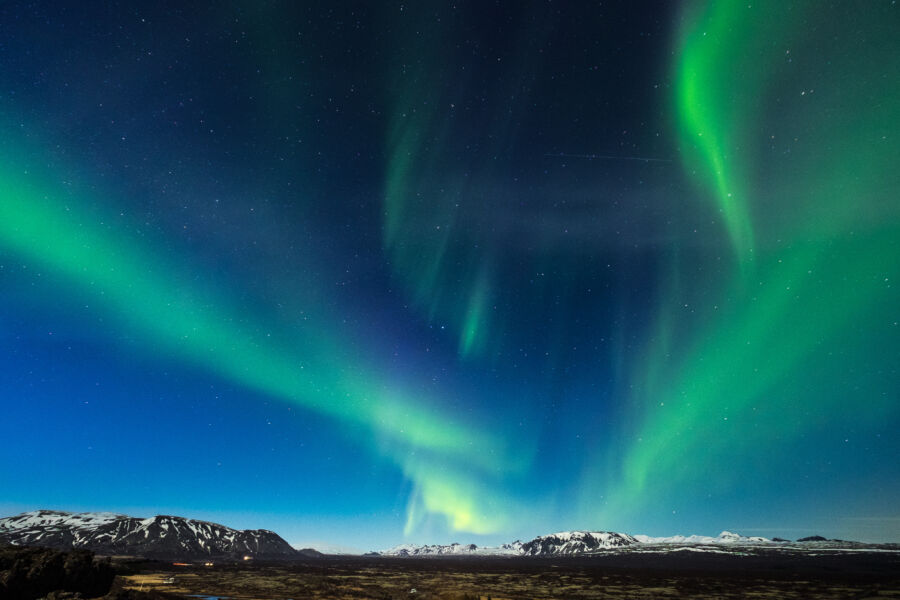
Þingvellir (or Thingvellir) sits 45 minutes northeast of Reykjavik, right on the Golden Circle. This UNESCO World Heritage site, where the North American and Eurasian tectonic plates meet, has a dramatic rift valley landscape.
With huge lava fields and almost no artificial lighting, Thingvellir is a solid aurora viewing spot. Lots of tour operators end their northern lights trips here because the dark skies and open views make it easy to see the aurora in any direction.
You’ll find several parking areas throughout the park. The main visitor center lot gives access to viewing platforms over Þingvallavatn lake. Honestly, any pull-off along the park roads works since light pollution basically disappears once you’re inside the park.
Standing here, where Iceland’s first parliament met in 930 AD, and watching the aurora overhead—there’s something extra special about that.
Kleifarvatn Lake and Surrounding Areas
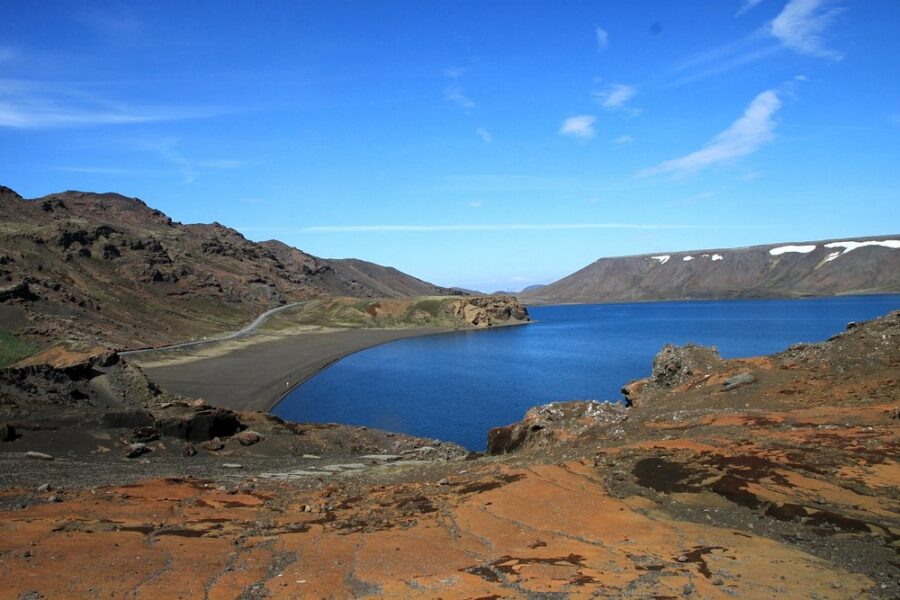
Lake Kleifarvatn, on the Reykjanes Peninsula, is about 30 minutes south of Reykjavik. It’s one of the biggest and deepest lakes in southern Iceland, set in a volcanic region between tectonic plates.
The black sand beaches around Kleifarvatn make for dramatic photos with the aurora. The lake stretches for kilometers, so you won’t feel crowded even if others show up.
Why Kleifarvatn is great:
- Hardly any traffic at night
- No towns or streetlights nearby
- Several access points along Route 42
- Striking volcanic scenery
The area feels restless—after a big earthquake in 2000, part of the lake actually drained for a while. Watching green lights dance above this landscape is pretty unforgettable.
Exploring Viðey Island and Coastal Spots
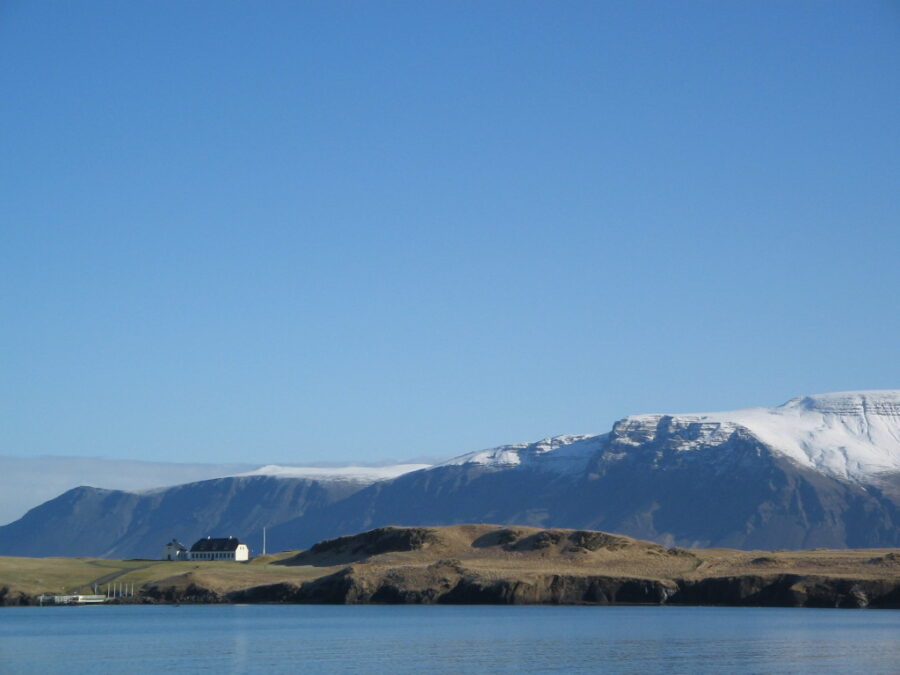
Viðey Island sits just off Reykjavik’s coast, and you can get there with a short ferry ride from Skarfabakki or Harpa. With no permanent residents and barely any lighting, it’s a surprisingly good aurora spot that doesn’t require leaving the city behind.
The ferry runs until evening during winter, and you can plan your return for a few hours later. Yoko Ono’s Imagine Peace Tower lights up sometimes, but most of the island stays dark enough for aurora viewing along the paths.
Back on the mainland, Grótta lighthouse on the Seltjarnarnes Peninsula is another good coastal choice. You can drive there in five minutes or walk for about an hour from downtown. The rocky shore and lighthouse make for great photos if the aurora shows up.
The Kvika footbath near Grótta lets you soak your feet in warm water while you wait—though only your feet, so bring warm clothes for the rest of you.
Northern Lights Tours from Reykjavik
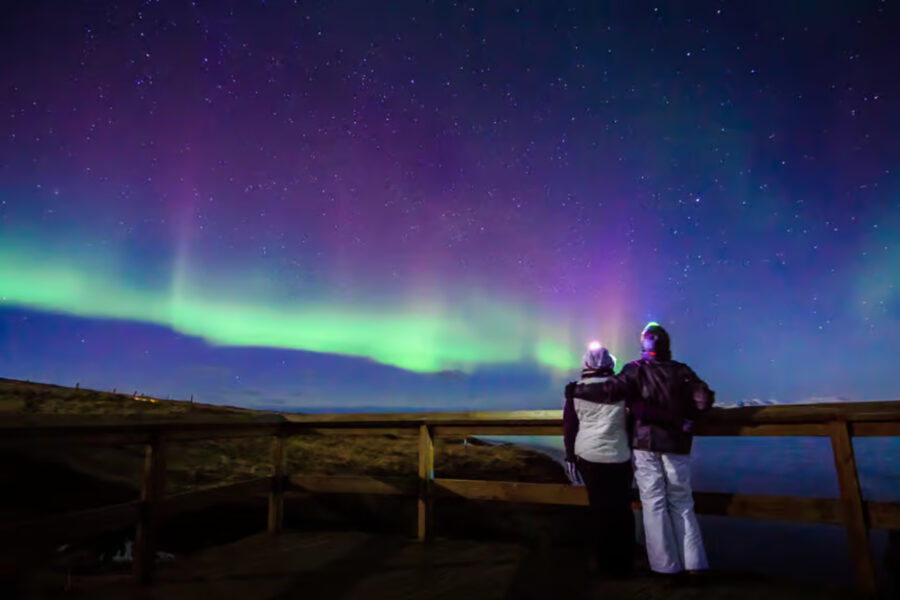
Tour companies run nightly trips from Reykjavik during aurora season, usually from September through April. Most tours last three to four hours and include hotel pickup, expert guides who watch real-time forecasts, and a ride out to darker spots beyond the city.
What to Expect on a Northern Lights Tour
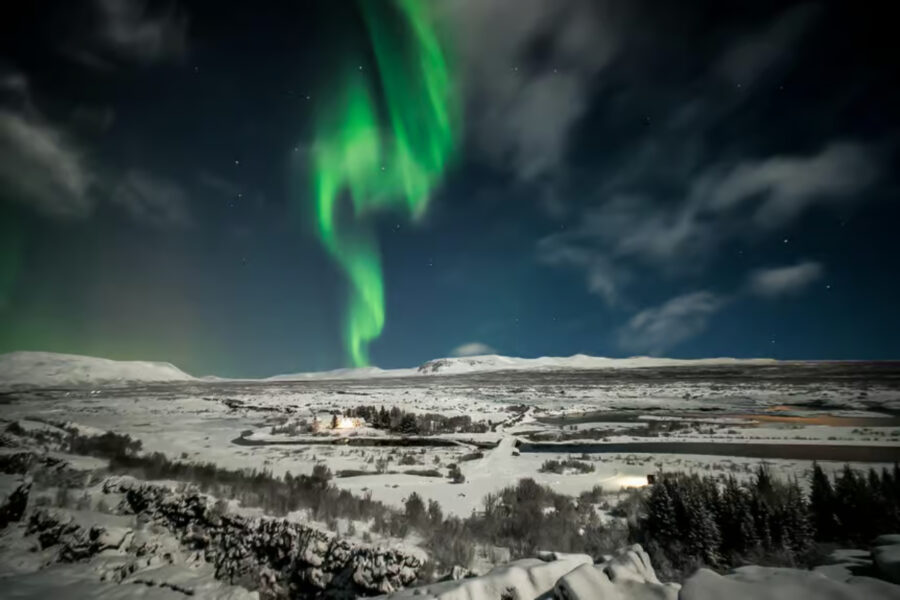
Your guide will pick you up from your hotel between 8:30 and 9:00 PM. Then you’ll drive out of Reykjavik to places with minimal light pollution and (hopefully) clear skies.
Guides keep an eye on the weather and solar activity all evening. They know which locations look best that night. You’ll get hot chocolate or coffee to help you stay warm.
Most tours in Iceland hand out wool blankets, and some even offer pro photography services. Group sizes vary—a minibus might have 12 people, while a big coach can carry up to 50. If the aurora doesn’t show, many companies let you rebook for free.
The whole thing takes about three to four hours, though the actual time at viewing spots depends on the weather and how active the aurora gets.
Boat Cruises and Unique Excursions

Boat tours give you a fresh perspective on the northern lights over Faxaflói Bay. These cruises leave from Reykjavik’s Old Harbour and head out past the city’s light pollution. The sea can get pretty rough, so these tours really suit people who don’t get seasick.
Super jeep tours are a bit more exclusive, taking just 8-14 people. These jeeps go off the beaten path into the highlands—places big buses just can’t reach. Sure, you’ll pay extra for this type of Reykjavik northern lights tour, but the smaller group and flexibility might be worth it if you want something more personal.
Some tour operators mix in other activities with northern lights viewing. You might end up soaking in a geothermal pool or stopping by a landmark or two on the way out.
Choosing Between Self-Drive and Guided Tours
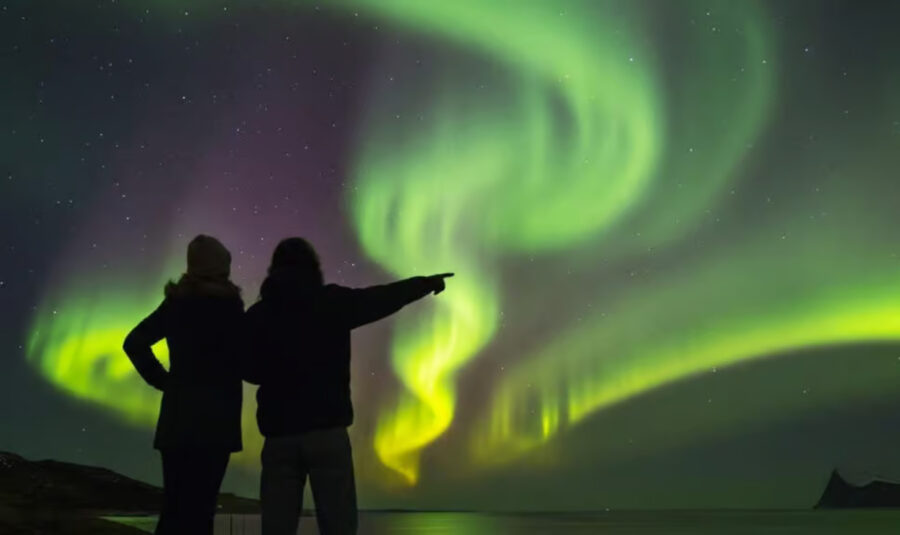
Guided northern lights tours take the stress out of the whole experience. The guide plans the route, checks the forecasts, and basically lets you just enjoy the moment. If you’re not familiar with Icelandic roads or don’t want to deal with winter driving, this is the way to go.
Self-driving means total freedom. You can book a rental car and head out whenever the forecast looks promising—no schedules, just your own pace. But you’ll have to do your own research, keep an eye on the weather, and handle nighttime driving on icy roads.
The cost difference can add up. Guided tours from Reykjavik usually cost $50-100 per person. If you self-drive, you’ll pay for the car, gas, and parking. Solo travelers usually save with a tour, but groups of three or more often come out ahead by renting a car.
When and How to Maximize Your Chances
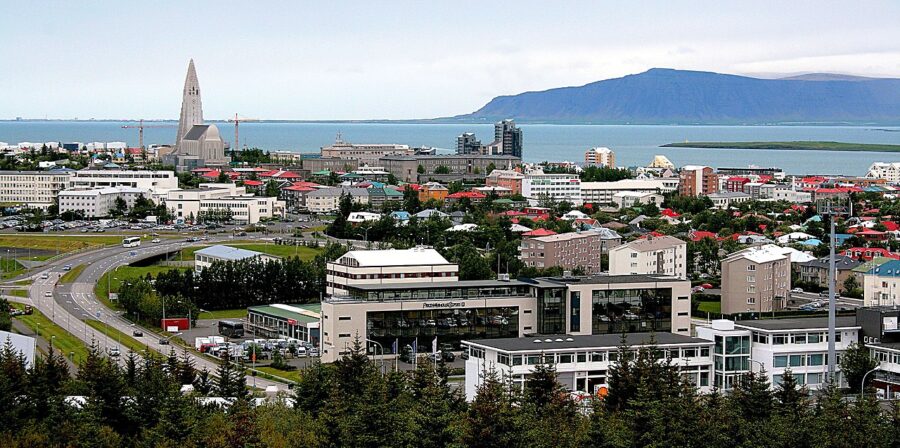
Catching the northern lights from downtown Reykjavik really depends on timing, solar activity, and the weather. The best window is late August through April, with peak activity between 21:00 and 01:00. But honestly, clear skies and strong solar storms matter more than the calendar.
Best Time of Year and Night for Aurora Viewing
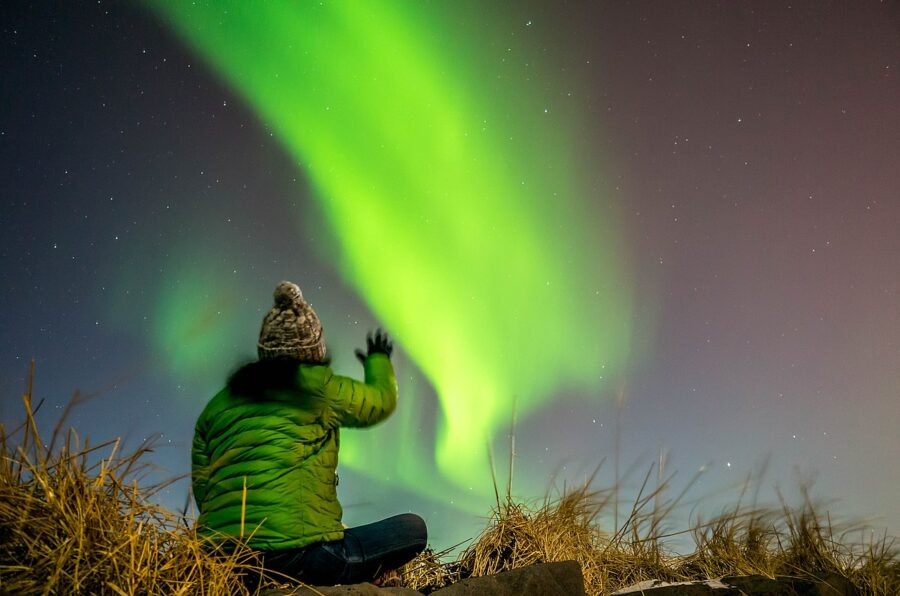
You can spot the aurora borealis in Iceland from late August to mid-April, when the nights get dark enough for the lights to appear.
October, November, February, and March usually bring the strongest displays. December and January have the longest nights, but they’re often cloudier. If you’re planning a trip just for the northern lights, shoulder seasons offer a nice mix of darkness and clearer skies.
Your best shot is between 21:00 and 01:00, though sometimes the lights show up earlier or later. Locals have seen auroras as early as 20:00 in September and as late as 03:00 in March, so it’s worth glancing up throughout the evening.
Don’t stress too much about the moon. A full moon brightens the sky, but you can still see a good aurora display if it’s strong enough.
Solar Activity and Aurora Forecast Tools
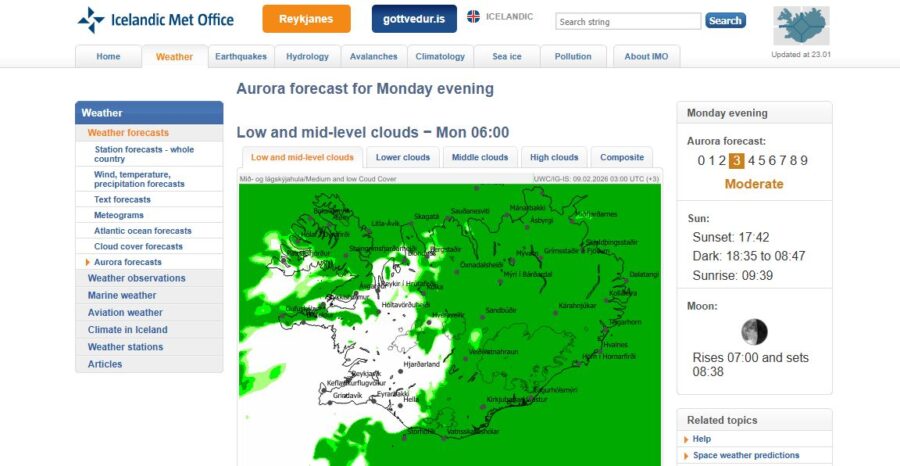
The northern lights happen because charged particles from the sun hit Earth’s atmosphere. More solar activity brings stronger auroras.
Most people in Iceland rely on the Icelandic Met Office aurora forecast—it’s the go-to tool. This forecast shows two things: cloud cover and aurora activity levels.
The activity scale runs from 0 to 9. Even a 2 can be enough if the sky is clear. A 4 or 5 is fantastic, and anything higher is rare but unforgettable.
A lot of people get tripped up by the forecast map: the green areas show clouds, not auroras. You want to see white, which means clear skies. The forecast updates hourly, so check it a few times during the night.
Tips for Clear Skies and Weather
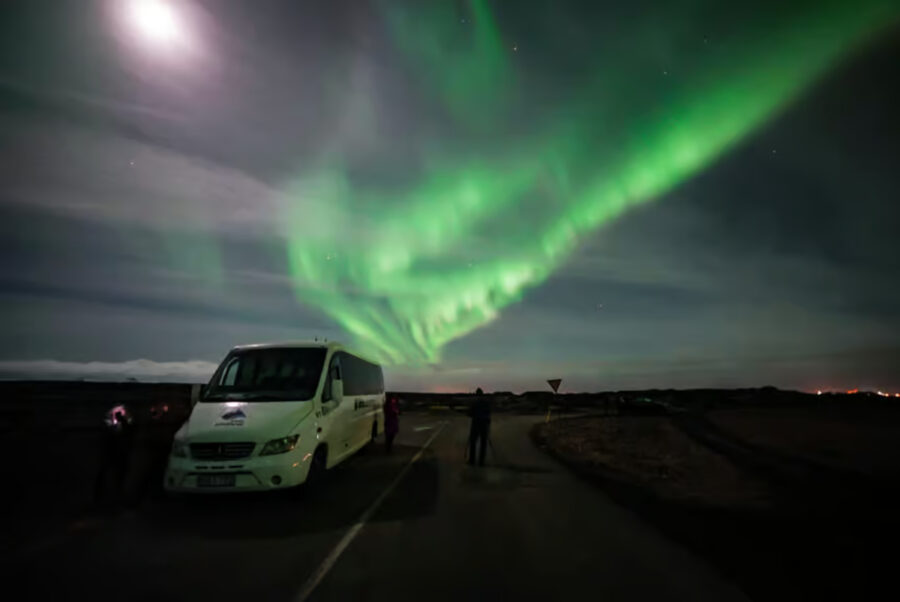
Clouds are your biggest enemy in Reykjavik. Solar activity means nothing if the sky’s covered.
Icelandic weather changes fast. A cloudy evening might clear up in an hour—or the other way around. Patience really helps more than perfect planning.
If Reykjavik is cloudy but another area looks clear, just drive toward the open sky. Sometimes a quick 20-minute drive is all it takes. Thingvellir National Park (about 45 minutes) and Mosfellsheiði (20 minutes) are both solid options.
Wind can actually save the day by blowing clouds away, opening up the sky for a few minutes. But it also makes waiting outside a bit brutal, so definitely dress warmer than you think you’ll need.
Seasons of Strong Aurora Activity (Solar Maximum Years)
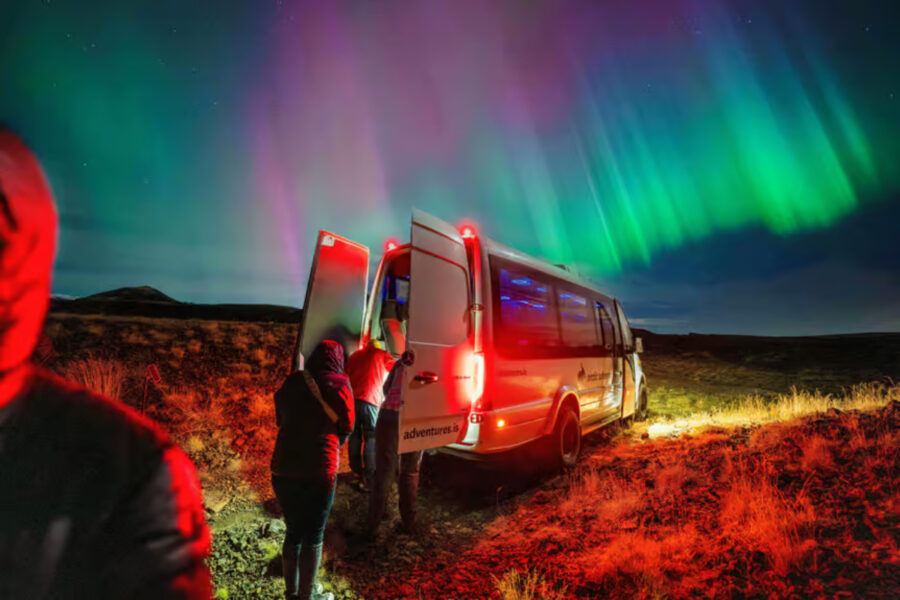
The sun goes through an 11-year cycle. During solar maximum years, auroras show up more often and look even more intense.
Right now, we’re in a pretty good period for northern lights. The solar cycle peaked in 2024-2025, so 2026 still has strong activity. You’ll notice higher Kp index numbers and more frequent shows.
But honestly, even during solar minimums, Iceland still gets plenty of auroras. The lights don’t just vanish—they just show up a bit less often. I wouldn’t cancel a trip just because it’s not peak solar maximum.
Essential Tips for Photographing the Northern Lights
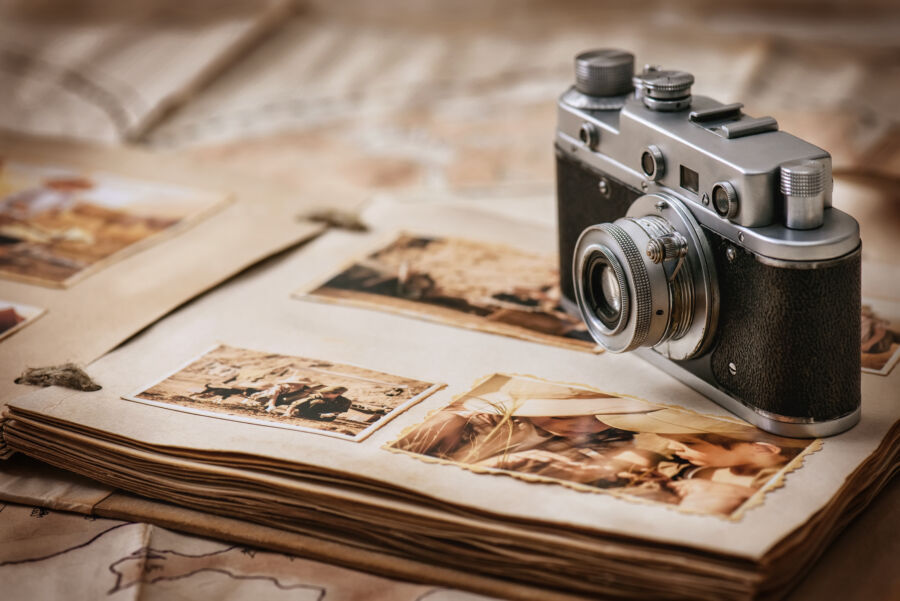
Getting crisp, colorful shots of the aurora means finding the right spot, bringing the right gear, and dialing in your camera settings. You’ll want to escape the city lights, use decent equipment, and frame Iceland’s landscapes with the aurora above.
Best Spots for Northern Lights Photography
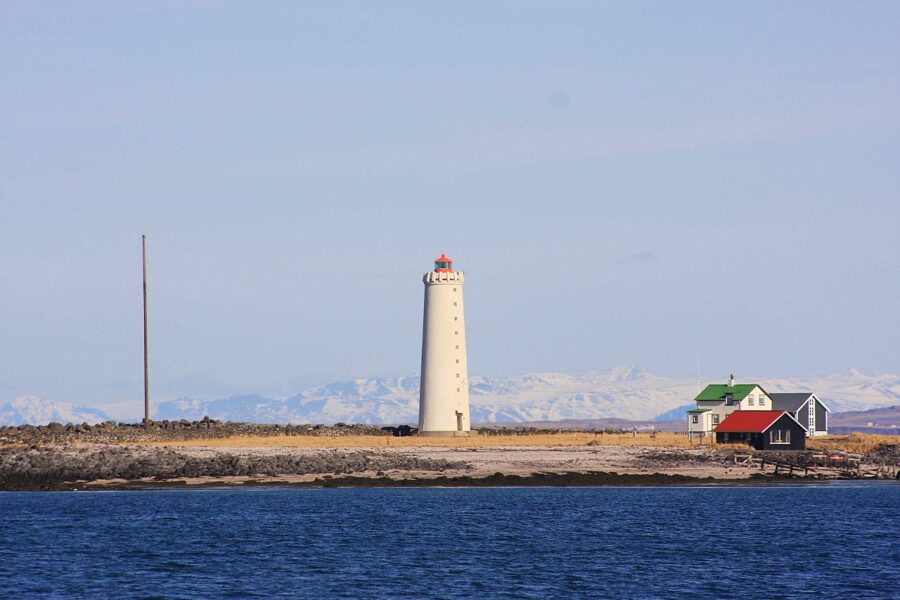
Downtown Reykjavik just has too much light pollution for great aurora photos. You’ll need to drive at least 15-20 minutes out of the city for truly dark skies.
Grótta Lighthouse sits on the edge of Seltjarnarnes, making it one of the closest dark spots to downtown. The lighthouse is a cool foreground, and you can sometimes catch reflections in the tidal pools. Just know it gets busy with tour groups.
Perlan has nice views from Oskjuhlid hill, but the building lights can mess with your shots. Walk farther down the hill if you try this spot to avoid too much artificial light.
For the best photos, drive out to places like Thingvellir National Park (about 40 minutes away) or the southern coast. You’ll get dramatic scenery and less light pollution. Always check the cloud cover before heading out—perfect aurora activity won’t help if you’re under a thick blanket of clouds.
Camera Settings and Gear Recommendations
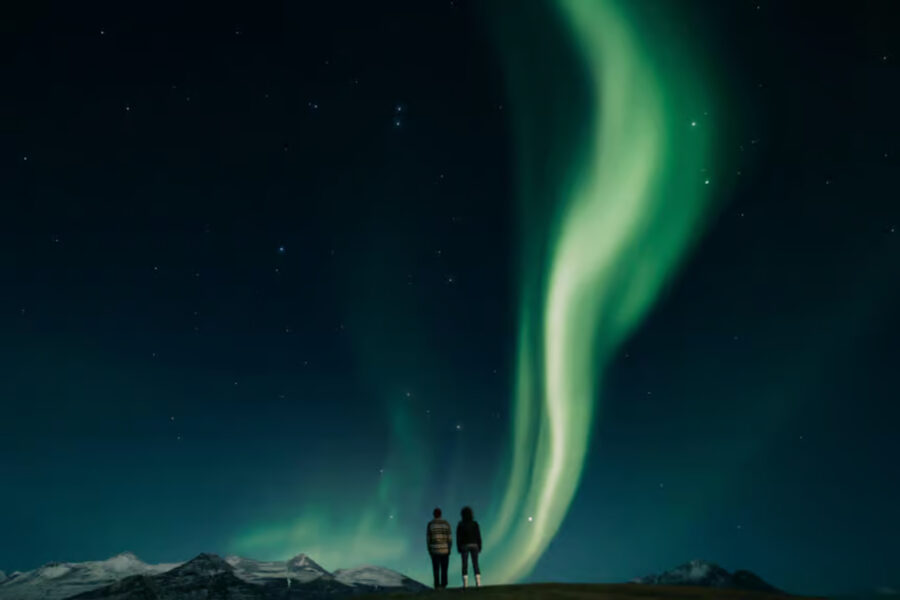
Start with an aperture of f/2.8 or wider if your lens allows. Set your ISO between 3200 and 8000, depending on how bright the aurora is. Shutter speed usually falls somewhere between 1 and 12 seconds, depending on how fast the lights move.
A DSLR or mirrorless camera gives you the manual controls you’ll need. People like the Nikon D850, Canon EOS R5, or Sony Alpha a7 IV, but honestly, the lens is more important than the camera body. Wide-angle lenses (14-24mm) are perfect for getting both the sky and the landscape.
Don’t forget a sturdy tripod. Icelandic wind can knock over lightweight tripods. Bring a remote shutter release or just use your camera’s timer to avoid shaking the camera during long exposures.
Essential Gear Checklist:
- Full-frame or mirrorless camera with solid ISO performance
- Wide-angle lens, f/2.8 or lower
- Heavy-duty tripod
- Remote shutter release
- Extra batteries (the cold drains them fast)
- Headlamp with a red light mode
Keep your spare batteries in an inside pocket close to your body. The cold drains them way faster than you’d expect.
Capturing Iconic Reykjavik Landmarks with the Aurora
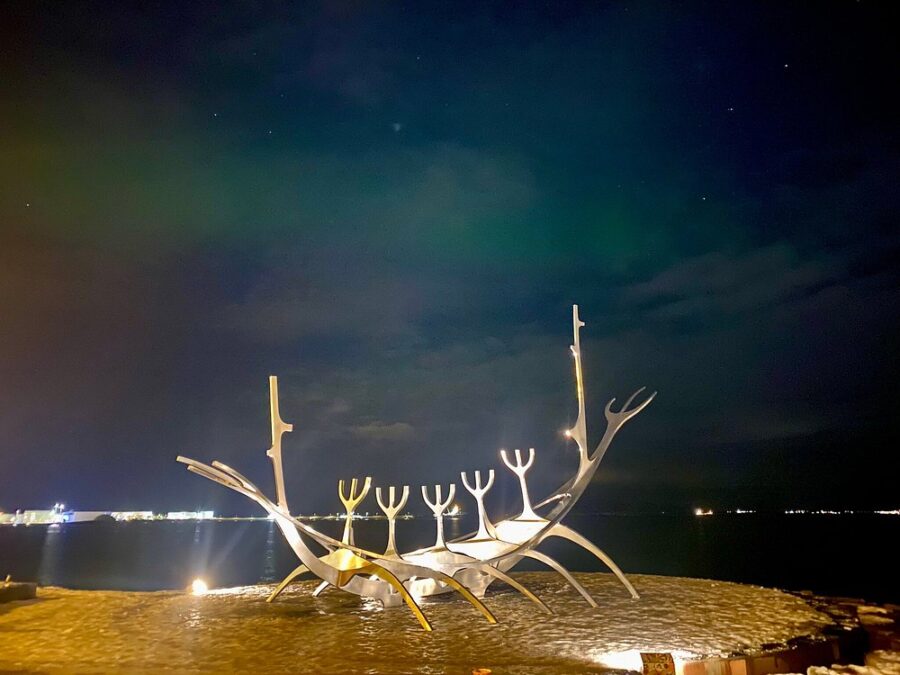
Photographing the northern lights over Reykjavik’s landmarks takes a bit of planning and luck. Hallgrimskirkja church can work as a foreground if you shoot from the east, but you’ll still deal with some city light.
The Sun Voyager sculpture makes for interesting shots, but streetlights nearby often wash out faint auroras. Wait for a strong display (Kp index 3 or higher) if you want to shoot here.
Try to place the landmark in the lower third of your frame, leaving room for the aurora overhead. Use manual focus and focus about a third into the scene to keep both the landmark and the sky sharp.
If the aurora is weak, your camera might pick up colors your eyes can’t see. Take a few test shots every so often—you might be surprised by what shows up. Sometimes what looks like a faint gray glow turns into bright green or purple in your images.
Show up early to set up your shot before it’s fully dark. It’ll help you nail the focus and composition while you can still see the landscape.
Northern Lights Exhibitions and Educational Attractions

If the weather isn’t playing along or you want to learn more about the aurora, Reykjavik has some great indoor options. You can check out interactive exhibits explaining the science, watch stunning aurora footage, and dig into the myths surrounding this wild natural phenomenon.
Aurora Reykjavik: The Northern Lights Center
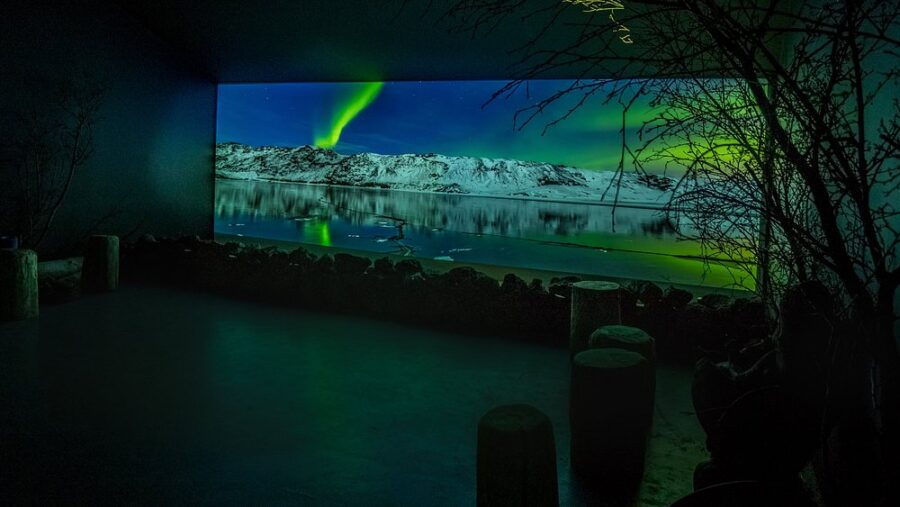
You’ll find Aurora Reykjavik in the Grandi District, close to the old harbor. It’s Iceland’s original museum all about the northern lights, and you can experience the aurora any time of year, no matter what’s happening outside.
Inside, the exhibits mix science with storytelling through touch screens and immersive displays. You’ll see how solar activity creates the lights and why Iceland is such a prime spot for viewing. There’s a 30-minute timelapse film with breathtaking aurora footage from all over the country.
One cool thing: they have a photography simulator so you can practice your camera settings before heading out for the real thing. The staff are helpful with tips and can explain how to read aurora forecasts—it’s a solid first stop if you’re planning to chase the lights.
Perlan’s Áróra Show and Observation Deck
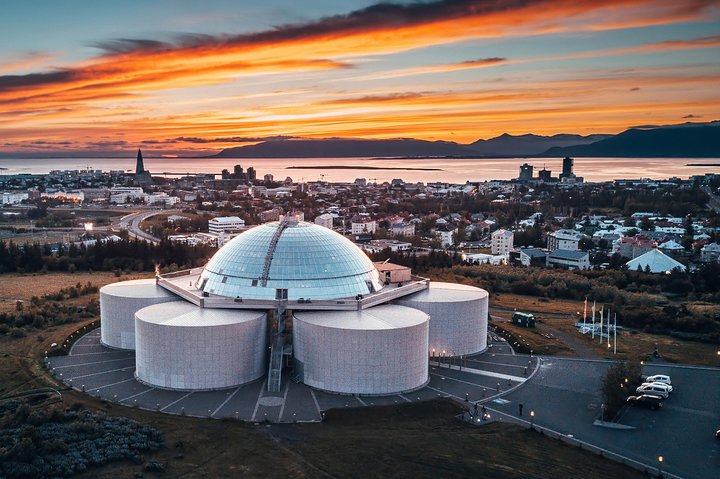
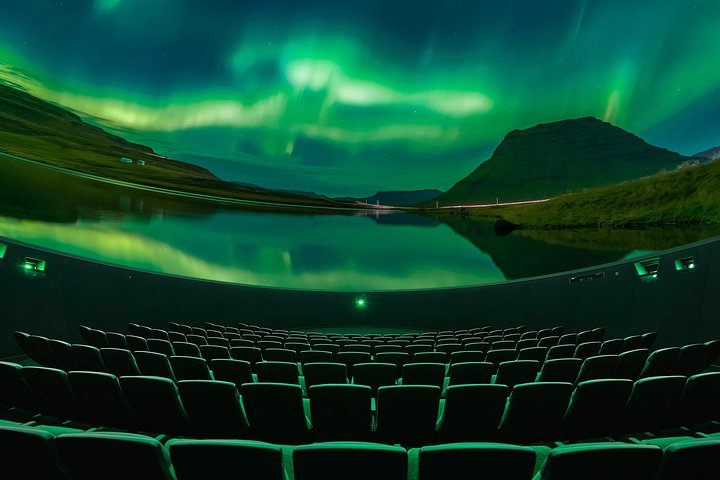
Perlan sits up on Oskjuhlid Hill and has a planetarium with an advanced northern lights show in 8K. The Áróra experience takes you beyond Earth to explore auroras on other planets—a pretty neat cosmic angle.
The show mixes science and visual storytelling, following the sun’s energy all the way to the lights above Iceland. They even weave in old Icelandic folklore, tying together science and tradition.
After the show, you can step out onto Perlan’s 360-degree observation deck for panoramic city views. On clear nights, you can sometimes catch the northern lights from here, though city lights still get in the way a bit.
Other Engaging Aurora Experiences
Some Reykjavik tour companies add an educational twist to their northern lights trips. These guides usually give you a quick lesson on how auroras form and share photography tips before heading out to darker spots.
A few companies offer a “northern lights guarantee”—if you don’t see the aurora on your first tour, you can join another one for free. That takes some of the pressure off and recognizes just how unpredictable the lights can be.
Nearby Hidden Gems for Aurora Chasing

Get just outside Reykjavik’s glow and you’ll find places where darkness and accessibility meet—local favorites that most tourists miss.
Lake Hvaleyrarvatn and Peaceful Getaways
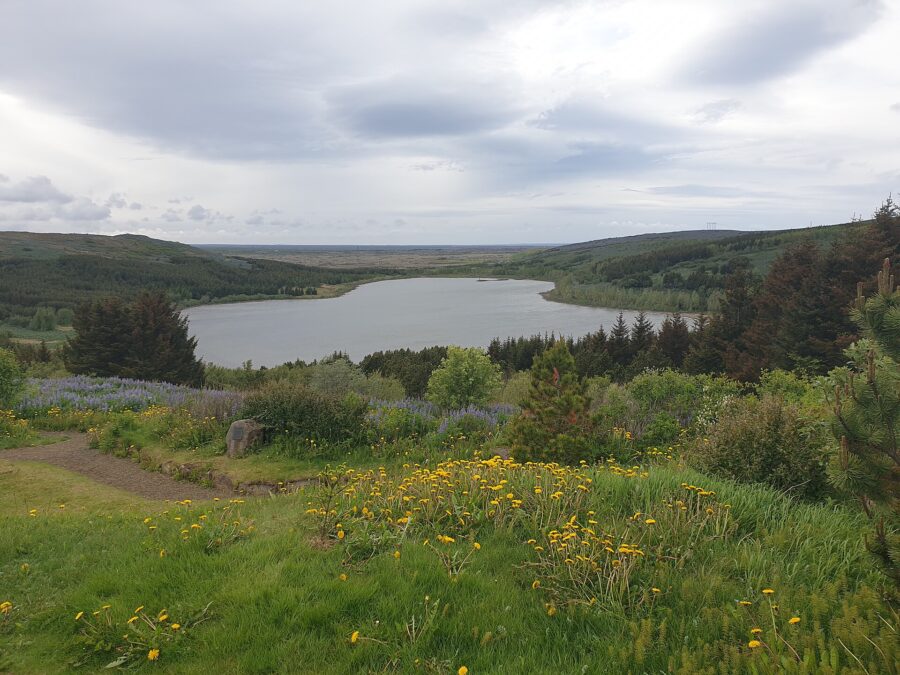
Lake Hvaleyrarvatn lies about 20 minutes south of Reykjavik, between Hafnarfjörður and the coast. It gives you a proper dark horizon without driving way out into the countryside.
There’s hardly any light pollution here compared to the city. The open sky over the lake faces north, which is exactly what you want when the aurora shows up. Parking’s easy, and it stays pretty quiet even during busy aurora season.
The land around the lake is flat and easy to walk at night. You won’t be tripping over lava rocks in the dark like at some other spots. Local photographers love this place because you can catch the lights reflecting on the water—something you just can’t do downtown.
Raufarhólshellir Lava Tunnel Adventures
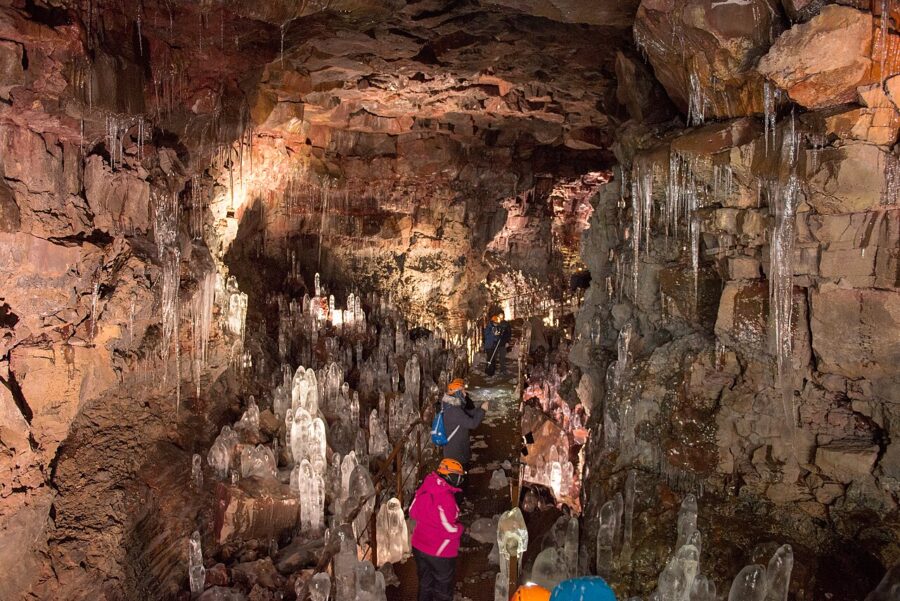
Raufarhólshellir lava tunnel sits about a half hour from Reykjavik, right off Route 39. You’ll need to join a guided tour if you want to go inside during the day, but once night falls, the area turns into a pretty fantastic spot for chasing the aurora.
The lava fields around Raufarhólshellir get seriously dark, and the sky feels huge overhead. Standing on this 5,200-year-old volcanic ground just adds a wild, almost otherworldly vibe. The terrain’s rough, so don’t forget sturdy boots and a headlamp—you’ll thank yourself later.
This spot hits a sweet balance: you’re far enough from the city lights to actually see the sky, but it’s still an easy drive back if the weather decides not to cooperate. Hardly any trees grow here, so you get a clear shot at the northern horizon. Just keep an eye on the forecast—Icelandic weather can turn on a dime.
Frequently Asked Questions
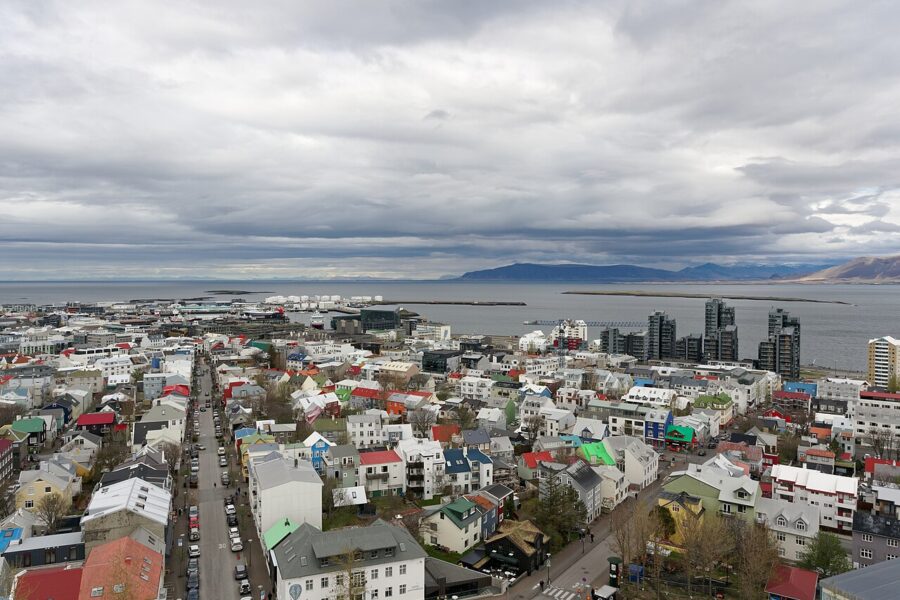
Northern Lights season in Reykjavik runs from late August through April, but you’ll find the best odds between October and March when the nights really stretch out. Your chances in the city depend on how active the sun is, how much cloud cover you’re dealing with, and whether you can escape those pesky streetlights.
What months offer the best chances of viewing the Northern Lights in Reykjavik?
If you’re hoping for the Northern Lights in Reykjavik, October through March is your prime window. Those months offer the longest, darkest nights and usually more stable weather.
September and April can surprise you with a good show too, though the nights are shorter. Forget about May through July—midnight sun keeps the sky way too bright for any aurora action.
Is it possible to observe the Aurora Borealis from within Reykjavik’s urban areas?
You can spot the Northern Lights from downtown Reykjavik, but honestly, it’s not the best place for it. All that city light drowns out the weaker displays.
When the solar activity really cranks up and the sky’s clear, the aurora can get bright enough to cut through the glow. Try to find a spot where buildings or trees block out direct lamplight.
The waterfront near Sun Voyager or the area in front of Hallgrimskirkja sometimes work if you’re desperate, but you’re definitely fighting against the odds.
How does the visibility of the Northern Lights in Reykjavik vary throughout the year?
In summer, you won’t see the lights at all—it’s just too bright. As autumn creeps in and the days get shorter, your chances start to improve. By December and January, you’ve got long, dark nights—sometimes up to 20 hours—so that’s prime time.
Of course, that doesn’t guarantee a show every night. By March, the darkness starts slipping away again, and your window narrows as spring returns.
What are the optimal viewing conditions for spotting the Northern Lights in Iceland’s capital?
You need three things: clear skies, strong solar activity, and real darkness. Check the Icelandic Met Office or Aurora Forecast for up-to-date info.
Clouds—especially those high, thin-looking ones—can block the aurora completely. Solar activity gets measured on the Kp index; if it’s above 2 or 3, you’ve got a shot from darker spots around the city. Higher Kp? Sometimes you’ll see them even downtown.
During what hours of the day is witnessing the Northern Lights most likely in Reykjavik?
Usually, the magic happens between 9 PM and 2 AM, when the sky’s darkest and solar activity seems to ramp up. But honestly, the aurora does what it wants.
People have caught it as early as 7 PM or as late as 4 AM in the dead of winter. You’ll need some patience—sometimes the lights stick around for hours, other nights they just flash by for a few minutes and vanish.
Where can one find the most ideal viewing spots for the Northern Lights in the vicinity of Reykjavik?
Grótta lighthouse sits at the western tip of the Seltjarnarnes peninsula and draws a lot of people, especially when the aurora forecast looks promising. You can catch a bus most of the way there if you head out in the early evening, though you’ll probably have company.
If you want darker skies, try the northern shore of Reykjavik. It’s a bit farther from downtown, and the suburbs block out more of that city light—always a plus when you’re chasing the aurora.
Perlan, along with other hilltop spots around the city, gives you a nice bit of elevation. The trees and buildings below help block out some of that annoying streetlight glare, which honestly makes a big difference.


