
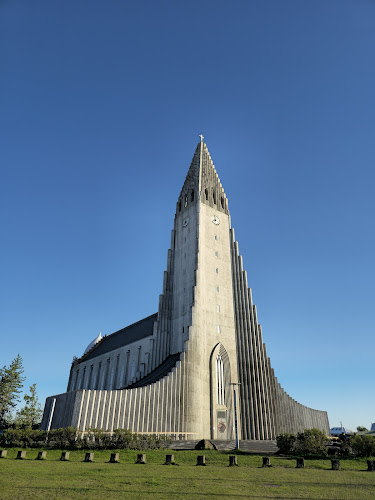
Hallgrimskirkja
About Hallgrimskirkja
Description
Hallgrímskirkja is one of those places that sticks with you long after you’ve flown home. Standing tall above Reykjavík’s skyline, this Lutheran church is more than just a religious site—it’s a symbol of Iceland’s spirit, resilience, and creativity. Designed in 1937 by Guðjón Samúelsson, the state architect of Iceland, its construction stretched over four decades before being completed and consecrated in 1986. The design was inspired by Iceland’s own natural wonders—those striking basalt lava columns you see around the island. It’s almost as if the church grew right out of the volcanic earth itself.
Now, I’ll be honest—when I first saw Hallgrímskirkja from a distance, I thought it looked a bit like a rocket ready to launch into the sky. And in a way, that’s exactly what it feels like when you’re standing beneath it—like you’re about to be transported somewhere else entirely. The tower rises 73 meters high, making it one of the tallest structures in Iceland, and from the top, the view of Reykjavík is just jaw-dropping. You can see the colorful rooftops, the harbor, and on a clear day, even the distant mountains and sea. It’s one of those moments where you just stop and breathe it all in.
Inside, the atmosphere is calm and minimalistic—no heavy ornamentation or gold leaf, just clean lines and soft light filtering through tall windows. It’s peaceful in a way that feels deeply Icelandic. And even if you’re not religious, there’s something grounding about being there. The church is named after Hallgrímur Pétursson, one of Iceland’s most beloved poets and clergymen, known for his Passion Hymns. You can almost feel that poetic spirit in the air.
Of course, like any major attraction, it’s not without its critics. Some say it’s too stark or too modern, but personally, I think that’s part of its charm. It doesn’t try to imitate the grand cathedrals of Europe—it’s uniquely Icelandic, bold, and unapologetically different. And that’s what makes it special.
Key Features
- Iconic Design: The church’s architecture was inspired by Iceland’s basalt lava formations, giving it a dramatic, otherworldly appearance.
- Observation Tower: A 73-meter-high tower offering panoramic views of Reykjavík and the surrounding landscape—perfect for photographers and dreamers alike.
- Pipe Organ: Inside, a massive 15-meter-tall pipe organ with over 5,000 pipes fills the space with powerful, resonant sound during concerts.
- Accessibility: Fully wheelchair accessible, with both the entrance and parking designed for easy access.
- Free Parking: Convenient free parking nearby, which is a small blessing in central Reykjavík.
- Central Location: Situated right in the heart of Reykjavík, making it easy to include in any walking tour of the city.
- Cultural Significance: Named after Hallgrímur Pétursson, one of Iceland’s most important literary figures.
Best Time to Visit
Honestly, there isn’t a bad time to visit Hallgrímskirkja—it just depends on what kind of experience you’re after. If you want those crisp, clear views from the tower, summer (June to August) is your best bet. The long daylight hours mean you can visit late into the evening, and the city below glows with color. But if you’re like me and love a bit of drama, winter adds a completely different vibe. Snow dusts the steps, the air is sharp, and sometimes, if you’re lucky, you might even catch the Northern Lights flickering above the spire. It’s pure magic.
Autumn and spring are quieter, which can make for a more contemplative visit. The crowds thin out, and you can take your time exploring without feeling rushed. I once visited in early May—there were just a handful of people inside, and the organist happened to be rehearsing. The sound filled the entire space, and I swear, it gave me goosebumps. So, don’t just think about the weather—think about the kind of moment you want to have there.
How to Get There
Getting to Hallgrímskirkja is easy, even if you’re not familiar with Reykjavík. The church sits right in the city center, and you can spot it from almost anywhere—it’s that tall. If you’re staying downtown, it’s probably a 10- to 15-minute walk from most hotels. The streets leading up to it are lined with cozy cafés, art shops, and bakeries, so take your time and enjoy the stroll. I usually grab a coffee from one of the nearby cafés before heading up—it just feels right.
If you’re driving, there’s free parking available near the church, which is a rare treat in Reykjavík. Public transportation is also reliable; several bus routes stop close by. And if you’re doing one of those hop-on-hop-off bus tours, Hallgrímskirkja is always one of the main stops. Just remember, the tower elevator can get busy during peak hours, so if you can, go early in the morning or later in the afternoon to avoid the crowds.
Tips for Visiting
Here’s the thing about visiting Hallgrímskirkja—it’s not just about snapping a few photos and leaving. It’s about slowing down and really feeling the place. So here are a few tips from someone who’s been there more than once:
- Go early or late: The light in Iceland changes constantly, and sunrise or sunset gives the church a golden glow that’s just stunning. Plus, fewer people.
- Take the elevator: Don’t skip the tower! The small fee is worth every króna for that panoramic view of Reykjavík’s colorful rooftops.
- Listen for live music: If you’re lucky, you might catch an organ concert or rehearsal. The acoustics are phenomenal—it’s like the building itself is singing.
- Dress for the weather: Reykjavík’s weather can turn on a dime, so bring a jacket even if it looks sunny. The wind up at the tower can be fierce.
- Be respectful: It’s still an active place of worship, so keep voices low and avoid flash photography during services.
- Explore the area: After your visit, wander down Skólavörðustígur street—it’s full of local boutiques, galleries, and spots for a good Icelandic hot chocolate.
And one more thing—don’t rush. Hallgrímskirkja isn’t just another stop on a checklist. It’s a place that rewards you for taking your time. Whether you’re standing in the shadow of its tower or gazing out over the city from above, you’ll feel that quiet, powerful connection between Iceland’s nature, art, and faith. It’s one of those rare spots where architecture, landscape, and emotion come together perfectly. And trust me, once you’ve seen Reykjavík from that height, you’ll understand why this church is more than just a landmark—it’s the heart of the city.
Key Features
- Key Features
- Best Time to Visit
- How to Get There
- Tips for Visiting
Tours & Activities
GetYourGuide provides this tour inventory. We may earn a commission if you book through it; verify current availability, prices, and terms with the provider.
Visitor Reviews
There are no reviews yet. Be the first one to write one.
Share Your Experience
Have you visited Hallgrimskirkja? Help other travelers by leaving a review.