
Last modified August 17, 2026
Ever stood outside and felt like the whole universe opened up above you? That’s the kind of jaw-dropping moment you’ll get in Europe’s dark sky parks.
These places aren’t just a little darker—they’re protected havens where light pollution barely gets a look-in, making them some of the best spots anywhere for unforgettable stargazing.
Maybe you’re after that bucket-list Milky Way moment, or maybe you just want a quiet night with a sky full of stars. Either way, there’s real magic here.
You don’t need to know your Orion from your elbow—just bring some curiosity, a warm drink, and maybe a hat if it’s chilly. I’ve spent more nights than I can count staring up from France to Scandinavia, and honestly, nothing else compares.
Key Takeaways
- Europe’s dark sky parks deliver some of the clearest, wildest skies you’ll ever see.
- Every spot has its own vibe and celestial highlights.
- A few easy tricks can upgrade your stargazing trip.
What Are Dark Sky Parks and Reserves?
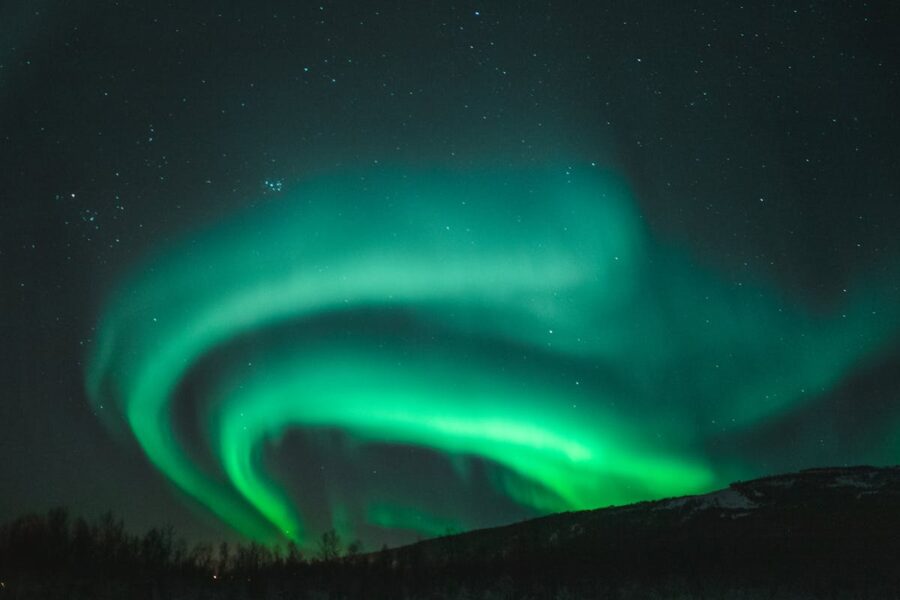
You might not expect it, but Europe’s got plenty of places set aside just for stargazing. These aren’t your average countryside fields—official bodies have recognized them because they keep the night sky safe from city lights. The difference? It’s like switching from a blurry photo to a crystal-clear one.
Definition and Classification
A Dark Sky Park is usually a national park or nature reserve where they’ve kept artificial light has been kept to a minimum. That means you see the stars, not just a faint glow.
Then you’ve got Dark Sky Reserves—think bigger, covering wide swathes of land, sometimes with little communities tucked inside. Here’s a quick cheat sheet:
| Term | Typical Size | Key Focus |
|---|---|---|
| Dark Sky Park | Parks, forests | Public access for stargazing |
| Dark Sky Reserve | 700+ sq km (435+ sq mi) | Buffer zones + core areas |
| Dark Sky Sanctuary | Remote spots | Extreme darkness |
You’ll also bump into names like International Dark Sky Places (an umbrella term) and Starlight Reserves, which are similar but have a different stamp of approval. I’ll admit, I was confused by these at first, too. The main thing? All of them exist to keep the night sky as dark as possible.
International Dark Sky Association’s Role
The International Dark Sky Association (IDA) runs the show for these designations. If a park wants that Dark Sky badge, they’ve got to jump through some serious hoops—proving their skies are truly dark, using smart lighting, and running education programs.
I once chatted with a ranger in Wales who told me how everyone pitched in—swapping out streetlights, handing out info, even hosting free telescope nights. That’s the IDA’s goal: not just a patch of darkness, but a whole community that cares.
DarkSky International checks up on these places, so nobody’s coasting on old glory. If a park lets its skies get brighter, it risks losing the title. Honestly, it’s a bit like the Michelin Guide, but for stargazing.
Preserving the Night Sky
Light pollution is everywhere now. Most people in Europe can’t even spot the Milky Way from their backyard—how wild is that? Dark Sky Parks and Reserves act as little islands of darkness in a sea of city glow.
When you finally step into a true Dark Sky Sanctuary, you’ll spot star clusters you never even knew existed. Wildlife loves it too—lots of animals need true dark for hunting, sleeping, or migrating. For me, the best part is watching someone see a real night sky for the first time. It’s pure magic.
Take Scotland’s Galloway Forest—locals and rangers work hard to keep it dark. So when you visit, you’re not just getting a killer view; you’re helping keep the sky safe for everyone after you. That’s worth a detour, isn’t it?
Benefits of Stargazing in Europe’s Dark Sky Parks
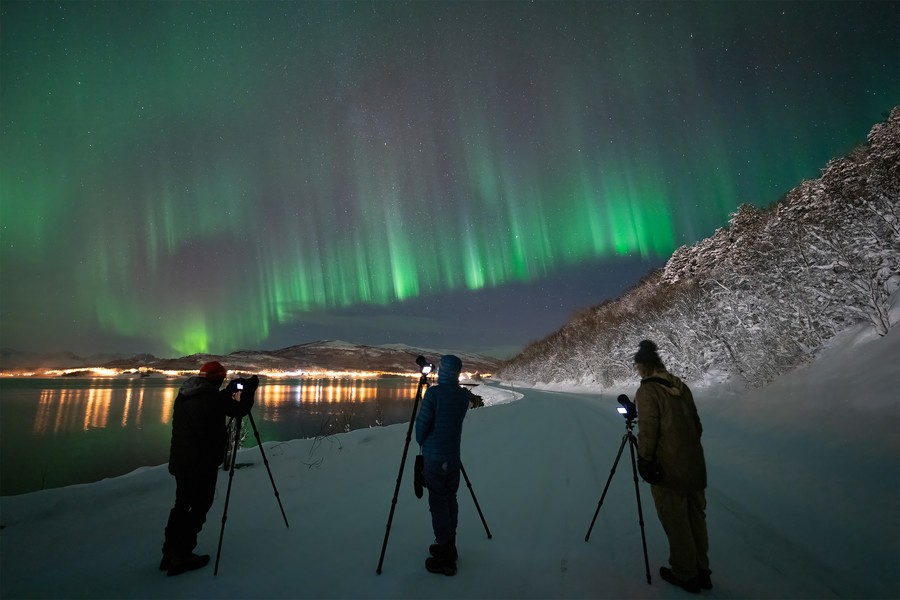
Heading to a dark sky park isn’t just about looking up. You get to explore wild landscapes, spot rare wildlife, and join a travel trend that’s making nighttime the new prime time. It’s a whole experience, not just a glance at the stars.
Natural Beauty and Landscapes
Most dark sky parks sit in what they call “areas of outstanding natural beauty.” And honestly, it’s not just hype. You get crystal-clear views of the Milky Way, constellations, and sometimes a meteor or two. But don’t forget to look around—the land itself is gorgeous.
From the rugged Scottish hills to the rolling meadows of Northumberland, each sanctuary feels untouched, almost ancient. I once spent a freezing night in southern Spain, huddled under old trees, and it was so quiet I could hear my breath.
You start noticing tiny details: the smell of pine, a stream gurgling nearby, and the total lack of city noise. Makes you realize how much we tune out back home.
Wildlife and Tranquillity
Wildlife thrives here, thanks to the low light. On my first stargazing trip, I watched owls swoop overhead and caught a glimpse of a fox sneaking through the grass.
There’s a deep calm at night in these places. No traffic, no neon, just the occasional hoot or a river in the distance. If you’re craving peace or just a break from the digital grind, this is the antidote.
You don’t need to be a wildlife expert. Just sit quietly, let the night settle in, and see what shows up. Sometimes, the best moments are the ones you didn’t plan.
Promoting Astrotourism
Astrotourism is booming. Europe’s dark sky parks are at the center of it, drawing travelers who want real adventure after dark.
Tour operators now offer guided night hikes, telescope sessions, and even astronomy workshops. It’s a bit like stepping back in time to when everyone knew the sky by heart. Some parks have UNESCO biosphere status, which just adds to the appeal.
Top Dark Sky Parks in Western Europe
If you’re chasing stars, a few spots in Western Europe deliver. You don’t need to be an astronomer—just someone who wants a break from city lights and a front-row seat to the cosmos.
Galloway Forest Park, Scotland

Let’s be real: Galloway Forest Park is legendary for stargazing in the UK. Tucked away in southwest Scotland, it became the UK’s first Dark Sky Park. On a clear night, the stars just pour across the sky—it still blows my mind every time.
Most folks head for the Scottish Dark Sky Observatory (being rebuilt after a fire as of 2024), but there are plenty of other spots like Clatteringshaws or Kirroughtree where you can just park, lie back, and look up. No fancy gear needed—just your own eyes and maybe a blanket.
One October night, I saw the Milky Way so clearly it almost didn’t feel real. And if you get cold, locals are always up for a chat and a cup of tea.
Bodmin Moor Dark Sky Landscape, Cornwall
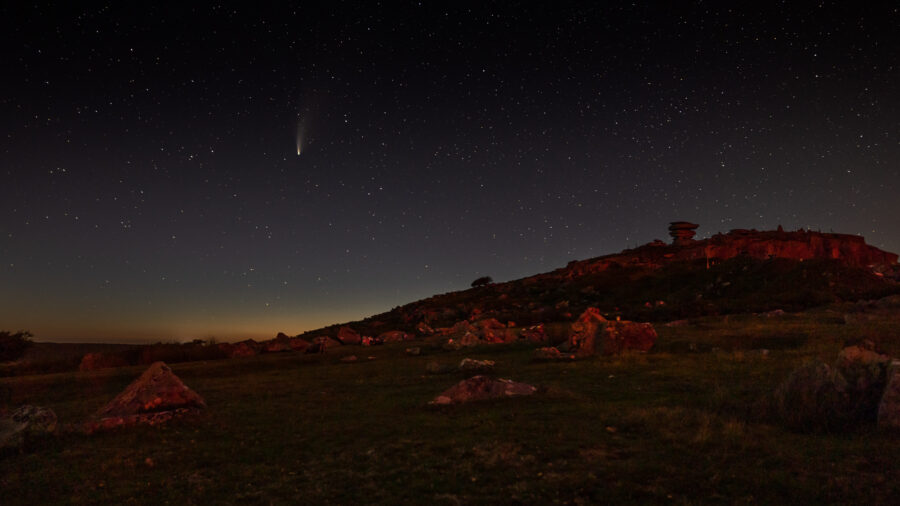
Bodmin Moor in Cornwall is a bit of a secret. Most people come for the coast or Cornish pasties and miss out on the crazy-dark skies up on the moor.
Bodmin got official Dark Sky status, and the best views are near Minions or Colliford Lake. Even during the busy season, you can find yourself alone with just the sheep and Orion overhead.
Bring a torch (yep, that’s a flashlight in the UK) and layer up. There’s something special about stargazing in such an ancient, wild place—plus, sheep make surprisingly good company.
Brecon Beacons, Wales

Brecon Beacons isn’t just rolling hills and castles. Once the sun sets, the park reveals a whole new side—a sky packed with stars. They take their Dark Sky Reserve status seriously here.
Central Brecon Beacons are prime stargazing territory, especially around Usk Reservoir or Llyn y Fan Fach. I once stumbled into a group at Pont ar Daf car park—everyone swapping stories and binoculars, just soaking in the night.
Bring something dry to sit on and a flask of hot chocolate. Waterproof shoes are a must (Wales loves rain), and you’ll be set for meteor showers or just a peaceful, star-filled night.
Bükk National Park, Hungary

Hungary might be a bit east of what most call Western Europe, but Bükk National Park deserves a shout. Near Miskolc and Eger, it’s got dramatic limestone peaks, endless fir forests, and some of the darkest skies you’ll find without flying halfway around the world.
If you’re in Budapest, it’s a couple of hours by car—doable for a night or weekend. Pack a picnic, bring some local wine, and settle in for a sky full of stars. I once met a group of amateur astronomers here who let me peek at Saturn’s rings through their telescope, and honestly, I’ll never forget it.
You can camp or stay in charming guesthouses nearby. The hospitality in Hungarian villages just adds to the whole experience.
See Related: Hidden Mountain Towns in Europe That Rival the Alps (But Cost Half as Much)
Stargazing Destinations in Southern Europe
Southern Europe is packed with places where the night sky looks unreal. From tiny villages to wild mountain parks, each spot has its personality, but the stars always steal the show.
Alqueva Dark Sky Reserve, Portugal

If you’re looking for the ultimate stargazing spot, Alqueva Dark Sky Reserve in Portugal should be on your radar. It’s in the Alentejo region, far from city lights, where time seems to slow down. The skies here grabbed the world’s first “Starlight Tourism Destination” label, which sounds fancy, but just means you’re in for a treat.
Villages like Monsaraz and Mourão dot the area, offering cozy guesthouses and even some farm stays that double as astronomy hubs. Most nights, the only sounds you’ll hear are owls or your footsteps. Observatories and night safaris here let you use serious telescopes to spot planets, nebulae, and lunar craters.
Here’s a quick list of what you might catch:
- Milky Way—crazy clear, almost every night
- Orion Nebula and star clusters, no telescope required
- Meteor showers that most people never even notice
If you’d rather just lie back with a glass of Alentejo wine while the constellations drift by, this is the place. Trust me, you won’t want to leave.
Aenos National Park, Greece
Aenos National Park isn’t just about Greek mountains and forests; once the sun dips, that’s when the real magic sneaks in. High up on Kefalonia island, you can breathe in crisp air scented faintly with wild pine, and you’ll see the Ionian Sea stretch out forever.
Most people tackle the high trails during the day, but the best memories come after dusk. The lucky ones stick around for the celestial show.
I’ll never forget my first night there, sprawled on a picnic blanket, realizing how rare real darkness is—especially if you’re used to city lights. You’ll probably have the place mostly to yourself, too. The stars just go on and on. Sometimes, if you glance at the horizon, you’ll spot tiny boats blinking in the blue distance, almost lost out there.
Here’s what I’d suggest:
- Bring more layers than you think you’ll need, even in July.
- Pack a red-filtered flashlight—your eyes will thank you later.
- The drive’s a bit twisty and rough, but trust me, the skies are worth it.
Don’t head home hungry. Those local tavernas nearby? Perfect for grilled fish and fresh bread after a night under the stars.
Tuscany, Italy

Sure, everyone gushes about Tuscany’s vineyards and hills, but hardly anyone talks about the nighttime magic. Just slip away from Florence or Siena—one of those little villages will do—and suddenly, you’re standing in a painter’s fantasy, with constellations overhead.
The night air here feels gentle, sometimes even scented with wild herbs if you’re lucky and it’s early summer. The hills do a great job of blocking out city glare. I’m a sucker for a hilltop agriturismo—a farm stay—where you can watch the Milky Way sweep across the sky. Sometimes there’s a fire, maybe even a friendly dog who decides to keep you company.
Why stargazing in Tuscany stands out:
- Wide-open fields—no trees or mountains in the way
- Hosts with stories—locals love sharing star legends
- Local wine—honestly, it just fits the scene
If you’re a romantic or just want a different Italian memory, lying under a Tuscan sky with someone special is the kind of thing you’ll remember for years.
Unique Dark Sky Sites in the Iberian Peninsula
Stargazing in the Iberian Peninsula just hits different. The skies stay crisp and clear, with almost no light pollution, and the landscapes are way more varied than you’d expect. From tiny Spanish villages to volcanic islands way off the coast, you’ll stumble on some unforgettable spots for catching the Milky Way.
Albanyà, Spain
Albanyà isn’t on most people’s radar, and honestly, that’s part of what makes it so special. The village hides out in the Catalan Pyrenees, and thanks to its official Dark Sky certification, nothing messes with your view.
On my last trip, I saw more stars than I ever did camping as a kid in southern France. The village’s observatory welcomes visitors, and real astronomers run the night sessions. They’ll show you Saturn’s rings or distant galaxies—whatever’s up that night.
Summers here stay dry, so the skies rarely disappoint. If you want to mix astronomy with a peaceful escape, Albanyà nails it. The August stargazing camps are especially friendly and low-key. You don’t need to know anything; just show up and enjoy.
La Palma & Canary Islands

La Palma isn’t just another Canary Island—it’s “La Isla Bonita,” and for stargazers, it’s a dream. Because it’s so far from mainland Spain, you get these pitch-dark skies that almost feel unreal if you’re used to urban glow.
From most spots on La Palma, you’ll spot the Milky Way without any gear. Local laws keep the night environment protected; streetlights stay dim, and hotels use special low lighting. If you care about places that truly value the night sky, this is your spot.
I’d try to visit during one of the stargazing festivals. There’s something about sharing the sky with a bunch of fellow night owls that makes it even more memorable.
Roque de los Muchachos Observatory
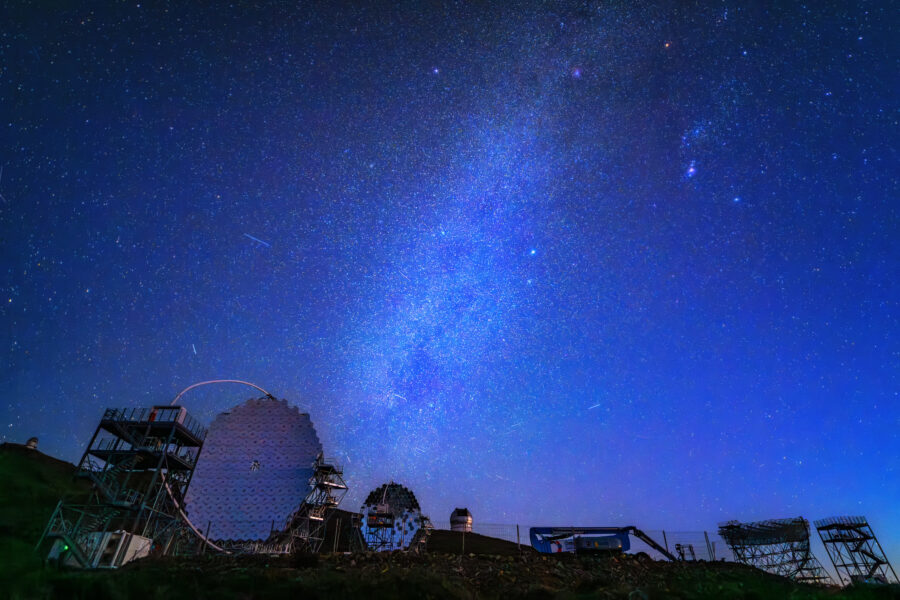
For the true astro-nerds (or just the curious), Roque de los Muchachos Observatory sits high above the clouds on La Palma’s peaks. The telescopes here rank among the world’s best. Honestly, it feels like you’ve landed on another planet. Even in July, the air is thin and chilly, but the views? Just wow.
Astronomers from all over the globe come here for research. You can book guided tours as a visitor, and sometimes a resident scientist will give a quick talk. On a clear night, you’ll see deeper into space than you ever thought possible.
Bring a solid jacket and maybe a thermos of hot chocolate—the weather up there doesn’t mess around. Roque de los Muchachos is where science, nature, and wonder all meet, literally above the clouds.
Notable Central and Northern European Dark Sky Parks
Central and Northern Europe have some underrated stargazing gems. Germany and Hungary both keep their night skies protected, so even beginners can get that “wow” moment.
Westhavelland Nature Park, Germany

Westhavelland Nature Park is honestly one of my top picks for stargazing. Even though it’s just a couple of hours from Berlin, it feels like you’re in another world. This was Germany’s first “Dark Sky Park”—not a small feat.
You’ll find sprawling meadows, lakes, and practically zero streetlights once the sun sets. Guided tours and workshops make it easy for anyone, even if you don’t own a telescope or know what you’re looking at. Locals are genuinely friendly and will help you spot planets or satellites, or just encourage you to lie back and soak in the Milky Way.
Late summer and early fall work best—fewer bugs, mild nights, and the stars almost feel close enough to touch. Don’t forget a blanket and something warm to drink.
Eifel National Park, Germany

Eifel National Park is a bit of a secret star-spotter’s paradise. It sits in western Germany, close to Belgium, with deep forests and huge open spaces—perfect for stargazing. It gets incredibly quiet at night, almost eerily so.
The “Sternenpark Eifel” initiative means you’ll find stargazing platforms and even fixed binoculars for anyone to use. Night walks are a thing—sometimes a bit spooky, honestly. Locals call the night sky “naturally dark” here, and they mean it.
You don’t need to be a hardcore astronomer to enjoy it. Bring your kids, or just come for that first glimpse of Saturn’s rings—Eifel delivers. Pack a red-light headlamp so you don’t blind yourself or anyone else.
Hortobágy National Park, Hungary
Hungary might not jump to mind for stargazing, but Hortobágy National Park will change your mind. The park’s endless grasslands (“puszta”) make the horizon stretch forever, and since it’s far from big towns, the skies go jet-black.
What stands out here is how welcoming everyone is. Amateur astronomers set up huge telescopes for public stargazing events, and you can join a night walk or just flop down in the grass and let your eyes adjust.
Maybe you’ll spot the Andromeda Galaxy, or just lose count of the meteors. Either way, you’ll leave with a new sense of just how big the universe is. And if you get cold, you’ll probably find a campfire or two—folks out here know how to make you feel at home.
See Related: Eco-Friendly Overnight Train Routes Europe: Hidden Journeys for Sustainable Travel This Year
Dark Sky Parks in The Nordic Countries
Northern Europe is a goldmine for clear, dark skies. You’ll catch the Milky Way in places where most folks barely see a handful of stars.
Møn & Nyord, Denmark
If you’re ever in Denmark and want to see a true “blanket of stars,” you need to check out Møn and Nyord. These islands earned international recognition for their dedication to protecting the night sky—a rare feat in our light-flooded world.
Both islands hold the Dark Sky Park title, and locals work hard to shield outdoor lights and keep businesses in line. Standing near Møns Klint, those chalk-white cliffs, I thought I’d never seen sharper stars. The sky stretches out over the Baltic Sea, and even faint stars pop.
Regular stargazing events happen here, and hotels hand out red-light flashlights to protect your night vision. If you’re lucky, you’ll catch a meteor shower in August, or just bask in the steady glow of the Milky Way. It’s honestly pretty magical, and you might not see another flashlight all night.
De Boschplaat, Netherlands

You wouldn’t expect deep, night skies in the Netherlands, right? But De Boschplaat, on Terschelling island, is a total surprise. As the country’s first official Dark Sky Park, it feels a world away from cities like Amsterdam.
Astronomy is great, but De Boschplaat is also a protected nature reserve. While you’re watching the stars, you might hear birds or the wind in the dunes. Info boards and guided walks pop up in summer—long days, but the nights are worth the wait.
The beaches can be chilly, but if you bundle up, you’ll sometimes spot satellites or the faint stripes of the Milky Way, especially in late summer or early fall. Bring a blanket, pick a quiet spot, and let the show begin.
Terschelling, Netherlands
Terschelling isn’t just about De Boschplaat. The island mixes pine forests, marshes, open fields, and those wild beaches. Much of Terschelling works hard to keep nights properly dark.
Hotels and campsites often run night walks and astronomy sessions. Kids love watching bats and owls before the stars come out. Thanks to the Wadden Sea, there’s less artificial light on the horizon, so every hour after sunset feels brighter with stars.
If you’re up for a breezy nighttime bike ride (I tried it—cold but so worth it), it’s both safe and pretty unforgettable. Locals love sharing their favorite sandy spots for stargazing. It’s one of those rare places where people switch off the lights at night—no joke.
Hella & Icelandic Stargazing
No place does “dark winter nights” like Iceland. Hella, a small town in the south, has become a favorite for stargazers, especially with the local push to keep light pollution low.
Stay at a countryside guesthouse and you might catch the northern lights—or, if not, just a sky full of stars. Staff will even wake you up if the aurora appears. You’ll get solid advice on how to dress: think layers, and bring something hot to drink.
One night, I stood outside for hours—my toes froze, but I couldn’t look away. The stars seem bigger and closer, maybe because everything else is so quiet. Locals love sharing their favorite stargazing spots—just ask around, and someone will point you in the right direction.
What You Can See: Celestial Wonders
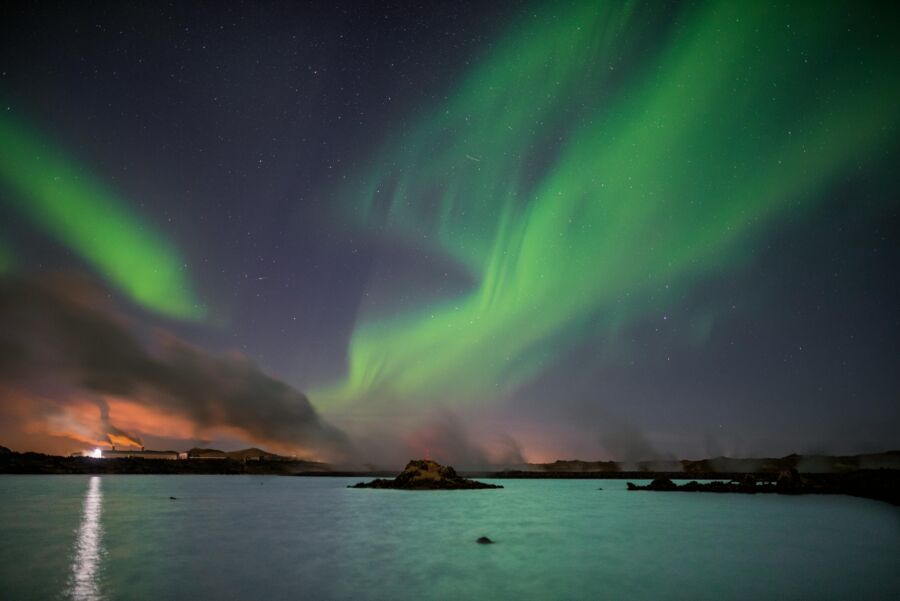
When you settle into a true European dark sky park, your eyes adjust, and suddenly the universe unfolds in ways you just don’t get back home. From classic constellations to rare cosmic sights, you’ll have a front-row seat to the wonders people have been marveling at for centuries.
Milky Way and Constellations
Nothing matches that jaw-dropping moment when you first spot the Milky Way stretching across the sky. In most busy towns, it’s hidden, but out here, on a clear summer night, that dreamy, milky band just pops right out.
I still remember the first time I saw it in a remote part of Spain. I expected a faint, wispy streak, but what I saw was this wild, cloudy river running straight overhead.
You’ll start picking out classic constellations like Orion, Cassiopeia, and Ursa Major. Bringing a simple star map or app helps, but honestly, just tracing the patterns with your finger is half the fun.
It’s the sort of sky that makes you want to sprawl out on a picnic blanket and just stare up for hours.
Nebulae and Deep-Sky Objects
If you bring binoculars (or better yet, join an organized telescope night), you’ll spot nebulae and clusters hiding out among the stars. Even cheap binoculars add a whole new layer to the experience—seriously, don’t overthink it.
You might catch the Andromeda Galaxy—it looks like a tiny, soft smudge to the naked eye, but through a lens, it’s much more dramatic. The Orion Nebula is another favorite; it hangs off Orion’s “sword,” faint but there once you know where to look.
Sometimes people forget these clouds of gas and star clusters are as real as the moon, just impossibly far away. That little realization always gets me.
Shooting Stars and Meteor Showers
Chat with anyone at a dark sky park, and you’ll meet folks who planned their trip around a meteor shower. These parks are perfect for catching shooting stars—sometimes you’ll spot a few by chance, but during a shower, the sky puts on a show.
Best times for viewing:
| Meteor Shower | Approx. Dates |
|---|---|
| Perseids | August |
| Geminids | December |
| Quadrantids | January |
I once lay out in a field in Slovakia during the Perseids. I lost count after thirty meteors in under an hour.
And yes, I wished on every single one—who says you have to grow out of that?
Aurora Borealis and Northern Lights
Alright, this one’s trickier in Central and Southern Europe. But if you head north—to Scotland, Norway, Sweden, or even Estonia—you might just catch the Aurora Borealis. The Northern Lights never guarantee an appearance, but that’s part of the thrill, isn’t it?
When conditions line up, those green and purple waves ripple over the horizon like you’ve stepped inside a painting. Always check the aurora forecasts before you go.
Bundle up and bring something warm to drink, because if the lights appear, you’ll want to stay out as long as you can. The one time I saw them dance overhead, the whole group went silent—nobody even reached for their phones for a while. It was pure awe.
See Related: Breathtaking Best Beaches in Europe (With Hidden Gems!)
Practical Tips for Stargazing in European Dark Sky Parks
Stargazing in Europe’s dark sky parks feels like magic, but a little know-how makes all the difference. The right gear, a bit of planning, and some insider tricks can turn a regular night outside into something you’ll talk about for years.
Choosing the Right Time
The best stargazing usually happens in late fall, winter, or early spring when the nights stretch out. The cold can be a pain, but you get more darkness and fewer crowds. Always check the local forecast; clouds or fog can ruin the view, no matter how great the park.
Try sneaking in midweek if you can—there’s less competition for the best spots. Consider booking a place nearby so you’re not driving back late at night.
Equipment: Telescopes and Cameras
You don’t need a high-end telescope to have a good time. A small, portable telescope or even a decent pair of binoculars opens up the sky way more than you’d expect.
For beginners, keep it simple—some of my favorite nights were just me, a blanket, and a hot drink. If you want to dabble in astrophotography, a basic camera on a tripod can catch bright constellations and maybe a shooting star.
Longer exposures? A DSLR with manual settings works well. Bring extra batteries—cold nights zap them faster than you’d think.
Pack essential travel gear: warm clothes, portable chairs, and a red-light flashlight to save your night vision. And, not to sound like your mom, but snacks do make everything better.
Best Practices for Night Visits
A little night etiquette goes a long way. Keep lights dim, use red-tinted flashlights, and let your eyes adjust.
Carry out all your trash and stick to marked trails—no need to stomp through sensitive ground. Dress in layers; even summer nights out here can get chilly.
Bring waterproof gear just in case—Europe loves a surprise rain shower. I always appreciate when people around me let the silence settle in; it’s part of the experience.
If you’re new to a park, check the local rules about entry and parking. Some require booking or have special wildlife protections. I once got caught out by a closed gate—double-check before you go.
Stargazing Events and Festivals
A lot of Europe’s dark sky parks host special stargazing events or festivals, especially during meteor showers or big astronomical happenings. It’s a great way to learn from experts and meet other skywatchers.
You can often try out different telescopes or join short guided tours. That made a huge difference for me when I was just starting.
Some parks set up temporary observatories or work with local clubs for family-friendly events. You might get constellation tours, storytelling, or even a crash course in astrophotography.
Planning helps—these events fill up, especially around meteor showers or lunar eclipses. Use tools for local activities and tours to find and book upcoming events or workshops.
Frequently Asked Questions
Exploring Europe’s dark sky parks is a treat for anyone who loves stargazing, nature, or just a little peace. You’ll find incredible celestial views, hidden spots, and a few useful tips to make your adventure memorable.
Where in Europe can you find the clearest skies for stargazing adventures?
You might travel to a famous city or mountain, but the best stars usually hide in quiet, remote places. Germany’s Westhavelland Nature Park is known for its clear night sky—between Gülpe and Nennhausen, the darkness is almost surreal.u003cbru003eu003cbru003eScotland, parts of Norway, and central Spain also deliver crisp, cloudless nights if the weather cooperates. Honestly, get far enough from city lights and you’ll be amazed at what’s above you.
Which European countries boast the most impressive dark sky preserves for astronomical observation?
The UK takes dark sky preserves seriously—Brecon Beacons in Wales, several in Scotland. Germany has embraced the “dark sky” movement, especially in Brandenburg.u003cbru003eu003cbru003eFrance, Spain, and Hungary have all added certified dark sky areas lately. If you’re willing to travel a bit, you’ll find clear nights and great stargazing.
Could you recommend some lesser-known stargazing spots in Europe away from light pollution?
If you want to avoid crowds, try the far corners of the Cévennes National Park in France—almost nobody out there after dark. The Hortobágy region in Hungary is another gem: endless sky, hardly any tourists, and barely a hint of light.u003cbru003eu003cbru003eLa Palma in the Canary Islands isn’t exactly a secret, but hike up some of the smaller hills and the sky just goes on forever. Don’t overlook tiny villages in rural Portugal, either—they’re surprisingly perfect for stargazing.
What amenities do the top-rated European dark sky parks offer to enhance the stargazing experience?
The best dark sky parks usually have visitor centers with maps, info, and sometimes loaner telescopes. Some run guided night hikes or astronomy events—worth it if you’re new.u003cbru003eu003cbru003eDon’t expect luxury everywhere; sometimes it’s just a campsite, fire pit, or simple shelter. Personally, a thermos of hot tea and a blanket do the trick, even if there’s not much else.
How can one locate a dark sky park in Europe that provides optimal conditions for viewing the Milky Way?
Start with areas certified by groups like Dark Sky International—they publish up-to-date maps. Look for places far from big cities and factories, where light pollution barely registers.u003cbru003eu003cbru003eTime your visit for a new or crescent moon; too much moonlight drowns out the Milky Way. Some parks even post “Milky Way calendars” to help you plan, which I find super handy.
What are some key factors to consider when planning a stargazing trip to a European dark sky park?
First off, weather matters—clouds can ruin the whole experience, so I always double-check forecasts (sometimes obsessively) before heading out.u003cbru003eDon’t underestimate how cold it gets at night, even in July. I’ve learned to pack extra layers, just in case.u003cbru003eu003cbru003eA red flashlight? Trust me, you’ll want one to protect your night vision. I can’t count how many times I’ve left mine at home and instantly regretted it.u003cbru003eu003cbru003eTry timing your trip with an astronomical event, like a meteor shower—those nights feel extra special, and you might catch something unexpected.u003cbru003eu003cbru003eIf you’re driving, download offline maps or jot down directions ahead of time. Some dark sky parks are so remote, your phone might bail on you right when you need it most.


