
和風 HARMONY,1993 楊英風
About 和風 HARMONY,1993 楊英風
Key Features
More Details
Updated October 31, 2025
# HARMONY (1993) by Yuyu Yang in Ebina, Kanagawa — A Practical Visitor Guide
Location: 6 Megumichō, Ebina, Kanagawa 243-0438, Japan (outside Ebina City Culture Hall)
Coordinates: 35.4518593, 139.3863092
Category: Outdoor public art / tourist attraction
## Why this piece matters
The stainless-steel sculpture HARMONY (1993) is by Yuyu Yang (Yang Ying-feng, 楊英風), one of Taiwan’s most influential modern sculptors. The artist’s official foundation documents the work as “〔和風〕HARMONY, 1993,” stainless steel, 196 × 107 × 107 cm, installed in the forecourt of Ebina City’s cultural hall complex.
Yang’s late-period style combined polished metal with Chinese philosophical ideas about balance and “zhonghe” (中和)—a centered equilibrium of elements. That lens makes the title more literal than poetic: the piece invites you to read the surrounding plaza, foot traffic, and even reflections of passing trains as part of the artwork’s composition.
> Bottom line: if you’re already interchanging trains at Ebina Station, this is an easy, worthwhile five-minute detour to see a museum-grade sculpture in the wild.
—
## Where exactly is it?
Ebina City Culture Hall (海老名市文化会館) sits a short walk from Ebina Station. The facility’s official listings and regional directories confirm the address as 6-1 Megumichō, Ebina City, with regular operating hours for hall services; the forecourt where HARMONY stands is the open plaza in front.
Practical extras:
– Parking: The Culture Hall / Central Library shared parking lists its address at 6 Megumichō with all-day hours, handy if you’re driving.
– Events nearby: The hall runs concerts, lectures, and community programs; if you visit on an event day, expect more foot traffic in the plaza.
—
## Getting there (fast)
Ebina Station is a major node with three lines: JR Sagami Line, Odakyu Odawara Line, and Sōtetsu Main Line. You can reach Ebina directly from Yokohama (Sōtetsu) or Shinjuku (Odakyu), and since 2019/2023 you also have through-services to central Tokyo via Sōtetsu–JR and Sōtetsu–Tōkyū for one-seat rides to hubs like Shibuya and Shin-Yokohama.
Walk time: About 5 minutes from the west exit (Odakyu/Sōtetsu) or east exit (JR Sagami). Several local guides and event notices state the walk is ~5 minutes; follow signs to the Culture Hall (文化会館).
Pro tip: If you’re transferring between Odakyu and Sōtetsu at Ebina anyway, build in an extra 10 minutes and pop outside—the sculpture is in the forecourt, no ticket or entry required.
—
## What to look for when you’re there
– Material & finish: Polished stainless steel. Expect mirror-like reflections of sky, trees, and commuters—Yang often used reflection as an active layer of the work. Dimensions are compact (approx. 2 m tall), so the piece reads well both up close and from the steps facing the plaza.
– Theme: The artist foundation notes the title “HARMONY (和風)” in relation to classical Chinese thought—balance between elements rather than decorative symmetry. Try viewing from three angles: head-on from the hall entrance, from the street corner at Megumichō, and from the side benches; each compresses the curves and voids differently.
– Context: The Culture Hall complex brings a constant pulse of community life—students, seniors, performers—so the human flow is part of the piece. If a performance lets out, you’ll catch the sculpture animated by movement.
—
## Photography tips (non-obvious)
– Golden hour = fewer hotspots. Stainless steel can blow highlights; aim for early morning or late afternoon when the light’s softer. Overcast days give a clean, even “studio” look.
– Use reflections deliberately. Frame passing trains (Sōtetsu side) or the hall’s signage as reflected motifs to tell viewers where you are—works well for social posts explaining location without text overlays.
– Polarizer caution: A CPL can tame glare but may kill the intended mirror effect. Try a few frames both ways.
– Respect privacy: The plaza is public—avoid tight reflections of faces unless you have consent.
—
## Accessibility & inclusivity
– Surface: The forecourt is a level, paved plaza with curb cuts; no steps required to view the piece. (Building hours affect indoor facilities, not the outdoor work.)
– Seating & restrooms: Benches are typically available in the plaza; accessible restrooms are inside the Culture Hall during opening hours. Check the hall’s calendar for any temporary closures or event security that may restrict indoor access.
– Cost: Free, 24/7 viewing outdoors.
—
## When to visit (and what to pair it with)
– Weekdays offer calmer conditions for mindful viewing and photography.
– Evenings produce moody reflections under plaza lighting, though contrast is higher.
– Nearby pairing: Ebina is a liveable “rail hub” suburb ringed by shopping centers; consider a quick stop at Ebina Marui or the Vinawalk mall cluster for food before/after. (For navigation from the station to Marui, see the store’s official access guide.)
– Regional day trips: Thanks to the Sōtetsu Main Line, Ebina pairs neatly with Yokohama museums and waterfront within the same day.
—
## A quick note on the artist
If you’re new to Yuyu Yang, he’s widely documented by museums and galleries across Asia for modernist, abstract forms in metal that synthesize Chinese aesthetics with contemporary materials. Background sources from arts organizations and galleries underline this positioning and list 1990s stainless-steel works—including Balance & Harmony—as key examples of his late style. Taiwan
—
## Practical details at a glance
– Exact spot: Forecourt of Ebina City Culture Hall, 6-1 Megumichō (plaza is public).
– Transit: JR Sagami / Odakyu Odawara / Sōtetsu Main to Ebina Station → ~5-minute walk.
– Driving: Culture Hall / Library parking at 6 Megumichō with long daily hours (verify on arrival; lots can fill during events).
– Cost: Free; outdoor public art.
– Best time: Early morning, late afternoon, or overcast for photography.
—
## Data confidence & currency
– Artwork facts (title, year, material, size, and placement at Ebina Cultural Hall) come from the Yuyu Yang Art Education Foundation entry for the Ebina project.
– Venue address, hours/operations context come from Ebina City Culture Hall official pages and regional listings (address and hours subject to event scheduling—verify if you need indoor facilities).
– Transit information (lines serving Ebina; expanded through-services to central Tokyo in 2019/2023) is confirmed via station and city sources.
> If you find the forecourt under renovation or the piece temporarily screened for maintenance, that will be a short-term change rather than a permanent removal. Always check the Culture Hall’s latest notices before a special trip.
—
### Quick FAQ
Is “HARMONY (1993)” indoors or ticketed?
Outdoors in the Culture Hall plaza—free access.
Who was Yuyu Yang?
A leading Taiwanese sculptor (1926–1997) known for stainless-steel abstractions informed by Chinese philosophy; widely collected and exhibited. Taiwan
How long do I need?
10–15 minutes to view/photograph thoughtfully; more if you’re waiting for favorable light or reflections.
Closest rail hub for pairing a day out?
Yokohama via the Sōtetsu Main Line; easy add-on to your itinerary.
—
If you’re curating an art-in-public-space route around Kanagawa, slot HARMONY (1993) alongside other open-air stops and plan your transfers through Ebina—the convenience multiplier here is hard to beat.
Table of Contents
- Key Highlights
- Location
- Places to Stay Near 和風 HARMONY,1993 楊英風
- Find and Book a Tour
- Explore More Travel Guides
- Why this piece matters
- Where exactly is it?
- Getting there (fast)
- What to look for when you’re there
- Photography tips (non-obvious)
- Accessibility & inclusivity
- When to visit (and what to pair it with)
- A quick note on the artist
- Practical details at a glance
- Data confidence & currency
- Quick FAQ
- Nearby Places You Might Like
- Traveler Reviews for 和風 HARMONY,1993 楊英風
- Share Your Experience
Key Highlights
和風 HARMONY,1993 楊英風
Location
Places to Stay Near 和風 HARMONY,1993 楊英風
Find and Book a Tour
Explore More Travel Guides
No reviews found! Be the first to review!
HARMONY (1993) by Yuyu Yang in Ebina, Kanagawa — A Practical Visitor Guide
Location: 6 Megumichō, Ebina, Kanagawa 243-0438, Japan (outside Ebina City Culture Hall)
Coordinates: 35.4518593, 139.3863092
Category: Outdoor public art / tourist attraction
Why this piece matters
The stainless-steel sculpture HARMONY (1993) is by Yuyu Yang (Yang Ying-feng, 楊英風), one of Taiwan’s most influential modern sculptors. The artist’s official foundation documents the work as “〔和風〕HARMONY, 1993,” stainless steel, 196 × 107 × 107 cm, installed in the forecourt of Ebina City’s cultural hall complex. oai_citation:0‡Yuyuyang
Yang’s late-period style combined polished metal with Chinese philosophical ideas about balance and “zhonghe” (中和)—a centered equilibrium of elements. That lens makes the title more literal than poetic: the piece invites you to read the surrounding plaza, foot traffic, and even reflections of passing trains as part of the artwork’s composition.
Bottom line: if you’re already interchanging trains at Ebina Station, this is an easy, worthwhile five-minute detour to see a museum-grade sculpture in the wild.
Where exactly is it?
Ebina City Culture Hall (海老名市文化会館) sits a short walk from Ebina Station. The facility’s official listings and regional directories confirm the address as 6-1 Megumichō, Ebina City, with regular operating hours for hall services; the forecourt where HARMONY stands is the open plaza in front. oai_citation:1‡ebina-bunka.jp
Practical extras:
- Parking: The Culture Hall / Central Library shared parking lists its address at 6 Megumichō with all-day hours, handy if you’re driving. oai_citation:2‡CoParking
- Events nearby: The hall runs concerts, lectures, and community programs; if you visit on an event day, expect more foot traffic in the plaza. oai_citation:3‡ebina-bunka.jp
Getting there (fast)
Ebina Station is a major node with three lines: JR Sagami Line, Odakyu Odawara Line, and Sōtetsu Main Line. You can reach Ebina directly from Yokohama (Sōtetsu) or Shinjuku (Odakyu), and since 2019/2023 you also have through-services to central Tokyo via Sōtetsu–JR and Sōtetsu–Tōkyū for one-seat rides to hubs like Shibuya and Shin-Yokohama. oai_citation:4‡Wikipedia
Walk time: About 5 minutes from the west exit (Odakyu/Sōtetsu) or east exit (JR Sagami). Several local guides and event notices state the walk is ~5 minutes; follow signs to the Culture Hall (文化会館). oai_citation:5‡iwafu.com
Pro tip: If you’re transferring between Odakyu and Sōtetsu at Ebina anyway, build in an extra 10 minutes and pop outside—the sculpture is in the forecourt, no ticket or entry required. oai_citation:6‡わだっつログ
What to look for when you’re there
- Material & finish: Polished stainless steel. Expect mirror-like reflections of sky, trees, and commuters—Yang often used reflection as an active layer of the work. Dimensions are compact (approx. 2 m tall), so the piece reads well both up close and from the steps facing the plaza. oai_citation:7‡Yuyuyang
- Theme: The artist foundation notes the title “HARMONY (和風)” in relation to classical Chinese thought—balance between elements rather than decorative symmetry. Try viewing from three angles: head-on from the hall entrance, from the street corner at Megumichō, and from the side benches; each compresses the curves and voids differently. oai_citation:8‡Yuyuyang
- Context: The Culture Hall complex brings a constant pulse of community life—students, seniors, performers—so the human flow is part of the piece. If a performance lets out, you’ll catch the sculpture animated by movement.
Photography tips (non-obvious)
- Golden hour = fewer hotspots. Stainless steel can blow highlights; aim for early morning or late afternoon when the light’s softer. Overcast days give a clean, even “studio” look.
- Use reflections deliberately. Frame passing trains (Sōtetsu side) or the hall’s signage as reflected motifs to tell viewers where you are—works well for social posts explaining location without text overlays.
- Polarizer caution: A CPL can tame glare but may kill the intended mirror effect. Try a few frames both ways.
- Respect privacy: The plaza is public—avoid tight reflections of faces unless you have consent.
Accessibility & inclusivity
- Surface: The forecourt is a level, paved plaza with curb cuts; no steps required to view the piece. (Building hours affect indoor facilities, not the outdoor work.) oai_citation:9‡ebina-bunka.jp
- Seating & restrooms: Benches are typically available in the plaza; accessible restrooms are inside the Culture Hall during opening hours. Check the hall’s calendar for any temporary closures or event security that may restrict indoor access. oai_citation:10‡ebina-bunka.jp
- Cost: Free, 24/7 viewing outdoors.
When to visit (and what to pair it with)
- Weekdays offer calmer conditions for mindful viewing and photography.
- Evenings produce moody reflections under plaza lighting, though contrast is higher.
- Nearby pairing: Ebina is a liveable “rail hub” suburb ringed by shopping centers; consider a quick stop at Ebina Marui or the Vinawalk mall cluster for food before/after. (For navigation from the station to Marui, see the store’s official access guide.) oai_citation:11‡TransER
- Regional day trips: Thanks to the Sōtetsu Main Line, Ebina pairs neatly with Yokohama museums and waterfront within the same day. oai_citation:12‡yokohamastation.com
A quick note on the artist
If you’re new to Yuyu Yang, he’s widely documented by museums and galleries across Asia for modernist, abstract forms in metal that synthesize Chinese aesthetics with contemporary materials. Background sources from arts organizations and galleries underline this positioning and list 1990s stainless-steel works—including Balance & Harmony—as key examples of his late style. oai_citation:13‡MOC Taiwan
Practical details at a glance
- Exact spot: Forecourt of Ebina City Culture Hall, 6-1 Megumichō (plaza is public). oai_citation:14‡ebina-bunka.jp
- Transit: JR Sagami / Odakyu Odawara / Sōtetsu Main to Ebina Station → ~5-minute walk. oai_citation:15‡Wikipedia
- Driving: Culture Hall / Library parking at 6 Megumichō with long daily hours (verify on arrival; lots can fill during events). oai_citation:16‡CoParking
- Cost: Free; outdoor public art.
- Best time: Early morning, late afternoon, or overcast for photography.
Data confidence & currency
- Artwork facts (title, year, material, size, and placement at Ebina Cultural Hall) come from the Yuyu Yang Art Education Foundation entry for the Ebina project. oai_citation:17‡Yuyuyang
- Venue address, hours/operations context come from Ebina City Culture Hall official pages and regional listings (address and hours subject to event scheduling—verify if you need indoor facilities). oai_citation:18‡ebina-bunka.jp
- Transit information (lines serving Ebina; expanded through-services to central Tokyo in 2019/2023) is confirmed via station and city sources. oai_citation:19‡Wikipedia
If you find the forecourt under renovation or the piece temporarily screened for maintenance, that will be a short-term change rather than a permanent removal. Always check the Culture Hall’s latest notices before a special trip. oai_citation:20‡ebina-bunka.jp
Quick FAQ
Is “HARMONY (1993)” indoors or ticketed?
Outdoors in the Culture Hall plaza—free access. oai_citation:21‡ebina-bunka.jp
Who was Yuyu Yang?
A leading Taiwanese sculptor (1926–1997) known for stainless-steel abstractions informed by Chinese philosophy; widely collected and exhibited. oai_citation:22‡MOC Taiwan
How long do I need?
10–15 minutes to view/photograph thoughtfully; more if you’re waiting for favorable light or reflections.
Closest rail hub for pairing a day out?
Yokohama via the Sōtetsu Main Line; easy add-on to your itinerary. oai_citation:23‡yokohamastation.com
If you’re curating an art-in-public-space route around Kanagawa, slot HARMONY (1993) alongside other open-air stops and plan your transfers through Ebina—the convenience multiplier here is hard to beat.
Traveler Reviews for 和風 HARMONY,1993 楊英風
There are no reviews yet. Be the first one to write one.
Have you visited 和風 HARMONY,1993 楊英風? Help other travelers by sharing your review.
You Might Also Like
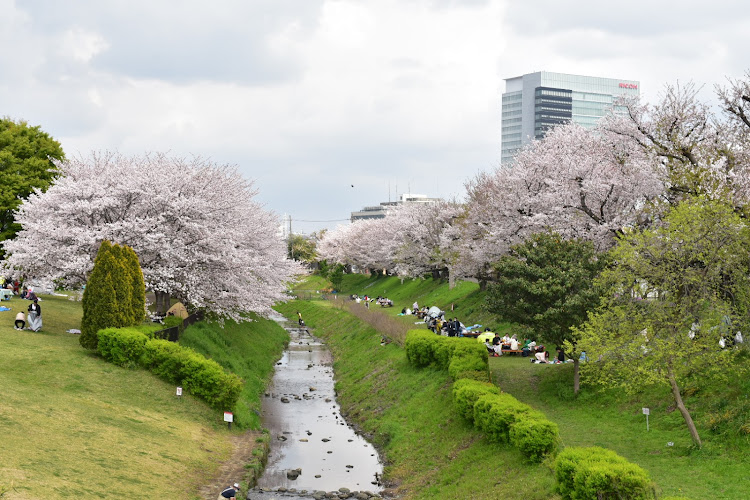
Kanagawa Prefectural Sagami Sansen Park
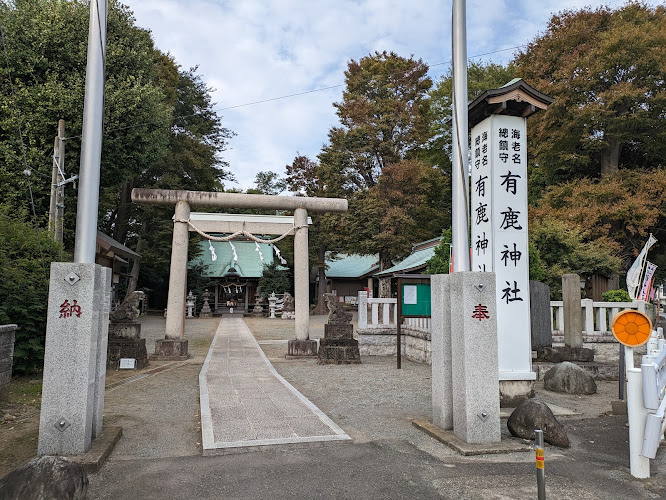
Aruka Shrine
Fujisan Park
Find Accommodations Nearby
Recommended Tours & Activities
Visitor Reviews
There are no reviews yet. Be the first one to write one.
Share Your Experience
Have you visited 和風 HARMONY,1993 楊英風? Help other travelers by leaving a review.