
Kodomonokuni
About Kodomonokuni
Key Features
More Details
Updated June 11, 2025
KODOMONOKUNI (Children’s Land) | Yokohama,Japan
## Kodomonokuni (Children’s Country), Yokohama: what it is, what to do, and how to plan your visit
Kodomonokuni (こどもの国 / “Children’s Country”) is a large, activity-heavy outdoor park in Aoba Ward, Yokohama, built around the idea of kids learning through play in nature. It officially opened on May 5, 1965 (Children’s Day) and covers 976,000 square meters (about 240 acres)—big enough that a “quick stop” usually turns into half a day without trying.
It’s not a single theme park in the roller-coaster sense. Think: sprawling lawns, seasonal flowers, playground zones, and paid add-ons (like pools in summer) layered across a natural-park layout.
### Quick facts you can plan around
– Address: 700 Nara-cho, Aoba-ku, Yokohama, Kanagawa 227-0036, Japan
– Closest station: Kodomonokuni Station (Tokyu Kodomonokuni Line)
– Typical opening hours: 9:30–16:30, and 9:30–17:00 in July/August (last admission times may apply depending on source)
– Closed: Wednesdays (open if a holiday), plus Dec 31 and Jan 1
– Admission (park entry): Adults 600 yen; elementary/junior high 200 yen; ages 3–5 100 yen; age 2 and under free
Data quality flag: Your input lists the city as Ebina, but the official address and visitor resources place Kodomonokuni in Aoba Ward, Yokohama (Kanagawa Prefecture). I’m treating Yokohama as correct based on the sources above.
—
## What to actually do there (beyond “let the kids run around”)
Because the park is huge, the best way to enjoy Kodomonokuni is to pick 2–3 “anchors” (a major playground zone + one paid activity + one nature walk/picnic area), then fill the gaps as energy allows.
### 1) Playground zones that reward exploration
Kodomonokuni has multiple playground areas rather than one central structure. The official park guide highlights features like a long rolling slide (115m) and several themed play areas.
Practical approach: treat playgrounds as “neighborhoods”—walk between them, snack in between, and you’ll avoid the common mistake of burning everyone out at the first big structure.
### 2) Summer pools (a major draw when it’s hot)
In summer, the park operates a swimming pool area with 7 types of pools, typically running mid-July through August with stated hours around 10:00–16:00 and last entry times.
There’s also a published combined fee model (admission + swimming) with tiered pricing by age group.
Outdated-data caution: Seasonal operations and pricing are the most likely details to change year to year. If pools are a key reason you’re going, verify the current season dates and pool rules on the official site right before you go.
### 3) Seasonal nature payoffs: cherry blossoms and autumn color
If you’re choosing timing, Kodomonokuni is unusually rewarding in shoulder seasons:
– The park notes about 1,000 cherry trees, with blooms typically late March to early April.
– For autumn, it mentions Japanese maples and ginkgo peaking late November to early December.
This matters because the park’s scale means you can do a long loop walk without feeling like you’re repeating scenery.
—
## How to get there efficiently (and why the train is the “default” plan)
Most visitors aim for Kodomonokuni Station on the Tokyu Kodomonokuni Line, which is called out as the closest station in Yokohama’s official tourism materials.
From there, access is straightforward: the station is effectively the park gateway in practical terms.
Tip that saves time: Arrive early if you want to cover multiple zones. The distance between areas is part of the experience, but it also means “we’ll just pop over there” can be a 15–20 minute walk depending on pace.
—
## Accessibility and family logistics (the parts people forget to check)
Kodomonokuni is listed with multiple accessibility and childcare supports, including:
– Slopes (step-free routes in places)
– Wheelchair rental
– Accessible/disabled toilet stalls
– Service dog allowance
– Disabled parking
– Nursing room
– Baby changing tables
– Stroller rental
That’s a strong baseline for an outdoor park—especially one this large—because it means you can plan longer visits without “logistics anxiety.”
Inclusivity note: If someone in your group uses mobility aids or you’re traveling with neurodivergent kids who benefit from predictable breaks, the park’s spread-out layout can be a feature (space to decompress) or a challenge (long transitions). Building in “quiet resets” (picnic stops, short loops rather than full crossings) usually makes the day smoother.
—
## A simple itinerary that works (half-day and full-day)
### Half-day (3–4 hours): high-confidence first visit
– Enter, orient, and choose one major playground zone as your base.
– Add one nature loop (flowers/wooded paths depending on season).
– Finish with a snack/picnic and a second, smaller playground on the way back.
### Full day (5–7+ hours): best value if you’re traveling with kids
– Morning: playground “anchor” + long loop walk
– Midday: lunch/picnic + downtime
– Afternoon: seasonal “big activity” (summer pools if in season)
– Late afternoon: one last play area close to exit so departure is easy
—
## Practical tips that usually improve the day
– Bring food if you can. Multiple sources note the park is ideal for picnics; a simple lunch kit prevents “we need to leave to eat” moments.
– Expect paid add-ons. Entry is modest, but some activities cost extra; budget accordingly.
– Choose your season intentionally. Blossoms and autumn color are specifically highlighted by the park, and they meaningfully change the experience.
—
## Internal link ideas (contextual, for RealJourneyTravels editors)
If you have these (or close equivalents) in your existing library, they fit naturally:
– Yokohama travel guide / best things to do in Yokohama (e.g., /japan/yokohama/)
– Kanagawa day trips from Tokyo (e.g., /japan/kanagawa-day-trips/)
—
## Before you publish: one metadata correction to consider
Your input includes latitude/longitude and a “city” field. Given the address is clearly Yokohama (Aoba Ward), you’ll likely want your structured fields to reflect that consistently (city/administrative area alignment), so map pins, schema, and on-page breadcrumbs don’t contradict each other.
Table of Contents
Key Highlights
Kodomonokuni
Location
Places to Stay Near Kodomonokuni"They have so many things to do."
Find and Book a Tour
Explore More Travel Guides
No reviews found! Be the first to review!
Traveler Reviews for Kodomonokuni
There are no reviews yet. Be the first one to write one.
Have you visited Kodomonokuni? Help other travelers by sharing your review.
You Might Also Like
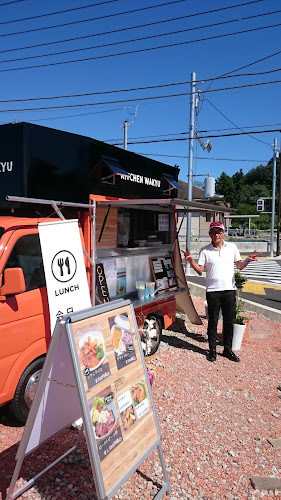
Oyaminami
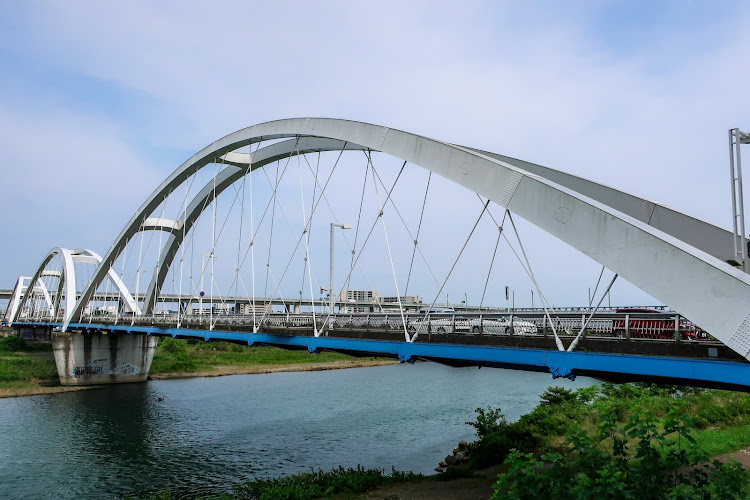
Ayumi Bridge
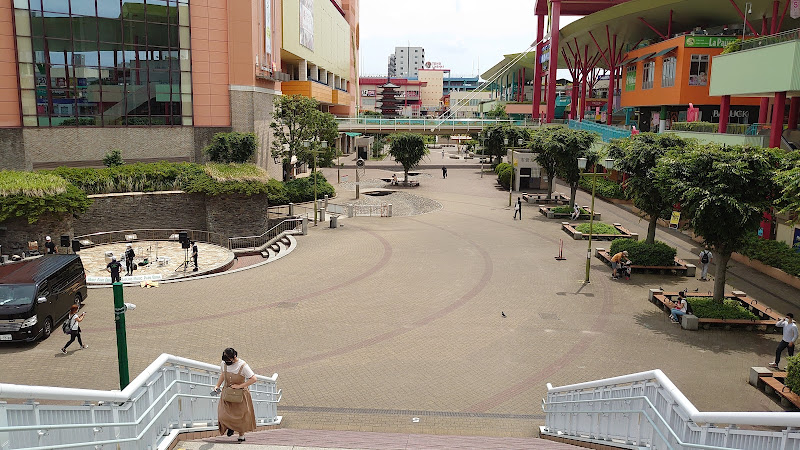
Ebina Central Park
Find Accommodations Nearby
Recommended Tours & Activities
Visitor Reviews
There are no reviews yet. Be the first one to write one.
Share Your Experience
Have you visited Kodomonokuni? Help other travelers by leaving a review.