
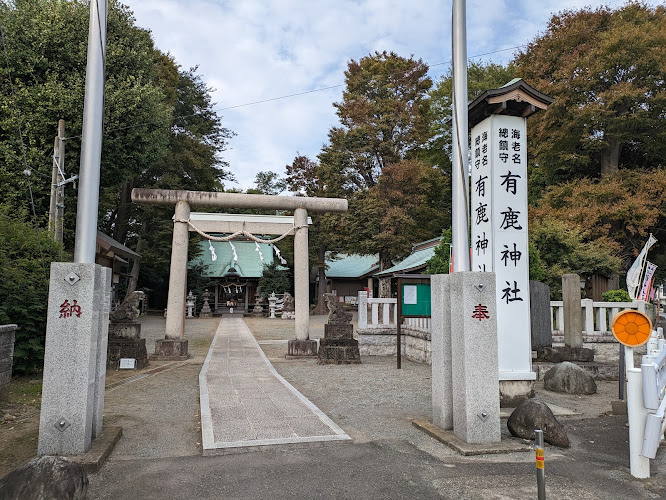
Aruka Shrine
About Aruka Shrine
Description
Aruka Shrine, a historic Shinto sanctuary in Ebina, Kanagawa, carries a quiet dignity that’s hard to put into words. It’s one of those places that doesn’t shout for attention but rewards those who take the time to slow down and really look. The shrine is part of the ancient Engishiki list, which gives it deep cultural roots stretching back over a thousand years. It’s not the kind of spot where you’ll find crowds or flashing lights—it’s more of a calm pocket of tradition tucked away in the rhythm of modern life. I remember the first time I visited; I almost walked right past the entrance because it looked so unassuming. But once inside, the air felt different—heavy with history, yet somehow comforting.
Unlike some shrines where priests are always around, Aruka Shrine operates a little differently. The priests here don’t stay in the shrine grounds full-time. They’re often out performing rituals at affiliated shrines or preparing ceremonies at an external office. This sometimes catches visitors off guard, especially those expecting immediate assistance or a bustling staff presence. But honestly, that’s part of what makes this place special—it’s authentic, still rooted in the rhythm of the old ways. If you plan ahead and make a reservation for prayers or blessings, the priests will make sure everything is prepared for your visit. And if you happen to meet one during a patrol or while they’re cleaning the shrine, it feels like a small stroke of luck.
There’s something about the simplicity of Aruka Shrine that makes it memorable. The grounds are well-kept, with careful attention to cleanliness and harmony. You’ll often find locals quietly sweeping or maintaining the area, showing that this shrine still belongs to the community. It’s not a tourist trap—it’s a living, breathing part of local faith. The experience here is more about reflection than spectacle. Whether you’re coming to pray, to receive a goshuin (seal stamp), or just to walk around and breathe in the stillness, you’ll find yourself slowing down in the best way possible.
Sure, some visitors might expect more activity or accessibility, but that’s missing the point. Aruka Shrine isn’t about convenience—it’s about continuity. The priests may not always be visible, but their presence is felt in the orderliness of the grounds, the purity of the rituals, and the sense of care that lingers in every corner. It’s a place that asks you to meet it halfway. Give it your time, your patience, and your respect, and it will give you something back—a feeling of calm that stays with you long after you’ve left.
Key Features
- Historical Significance: Listed in the ancient Engishiki, marking it as one of Japan’s officially recognized shrines of antiquity.
- Authentic Shinto Experience: The shrine maintains traditional practices without commercial overtones, making it ideal for those seeking genuine cultural immersion.
- Non-Resident Priests: Priests are not stationed on-site full-time but are available by appointment for prayers, blessings, and goshuin.
- Peaceful Atmosphere: The surroundings are quiet and meditative, perfect for introspection or a mindful stroll.
- Community Connection: Local volunteers and parishioners help maintain the grounds, reflecting a deep sense of ownership and devotion.
- Accessibility: The shrine offers wheelchair-accessible parking and restrooms, making it welcoming for all visitors.
- Spiritual Offerings: Visitors can request prayer ceremonies, purchase amulets, and receive written goshuin seals by prior arrangement.
- Clean and Well-Maintained Grounds: Regular patrols and cleaning ensure the shrine remains pristine year-round.
Best Time to Visit
Personally, I think Aruka Shrine shines brightest in the early morning, especially in spring or autumn. The air is crisp, the light filters through the trees just right, and you can hear the faint rustle of leaves instead of traffic. Spring brings a soft freshness, with new buds adding a touch of color to the shrine’s muted tones. Autumn, though—that’s when the place feels almost otherworldly. The golden leaves scatter across the stone paths, and the air carries that faint scent of incense and earth. It’s the perfect time to linger a little longer, maybe sit quietly on a bench and just listen.
Summer can be a bit warm, but if you visit early or late in the day, the shade from the trees keeps things pleasant. Winter has its own charm too; the bare branches and crisp air make the shrine seem even more solemn and timeless. If you’re hoping to avoid other visitors and enjoy a bit of solitude, weekdays are your best bet. The shrine doesn’t host large festivals like some of the bigger ones in Tokyo or Kyoto, so it rarely feels crowded. That’s one of the perks—no long lines, no rush, just space to breathe.
How to Get There
Getting to Aruka Shrine is fairly straightforward, though it does require a little planning. The shrine sits in a quiet part of Ebina, Kanagawa, which is easily accessible by public transport or car. If you’re coming from Tokyo, the trip takes about an hour depending on the train line you choose. Once you reach Ebina Station, it’s a short taxi ride or a leisurely walk if you don’t mind stretching your legs. I’ve walked it before—took me around twenty minutes, and I actually enjoyed the stroll through the local neighborhoods. There’s something grounding about watching daily life unfold around you before stepping into a sacred space.
For those driving, there’s a parking area with accessible spaces. The roads leading to the shrine are well-marked, though a navigation app definitely helps. I’d recommend checking your route beforehand because some smaller roads can be easy to miss. If you’re relying on public transportation, buses also run nearby, but schedules can vary, so it’s worth checking in advance. Either way, the journey itself feels like part of the experience—gradually leaving behind the noise of the city for a slower, quieter pace.
Tips for Visiting
Before you head to Aruka Shrine, there are a few things worth keeping in mind. First, remember that the priests aren’t always on-site. If you’re hoping for a prayer service, blessing, or goshuin, make a reservation by phone ahead of time. They’re very accommodating if you plan properly. I once forgot to call in advance and missed the chance to get a handwritten goshuin, but the staff at their office kindly explained the process and even offered a pre-written one instead. It was a good reminder that respect and patience go a long way here.
When you arrive, take your time. Start by purifying your hands and mouth at the water basin before approaching the main hall. It’s a simple ritual, but it helps you shift your mindset from “visitor” to “participant.” And please, keep your voice low—this place thrives on quiet. If you see a priest or volunteer sweeping, a polite nod or bow is always appreciated. Photography is generally fine in the outer areas, but avoid taking pictures during any ceremonies or near the altar unless clearly permitted.
Another tip: bring small change for offerings. Even if you’re not religious, tossing a few coins into the offering box and making a short wish feels meaningful. It’s more about gratitude than formality. The shrine also sells amulets and charms at the office, so if you’re into collecting them, this is a great spot to pick up something unique. They even offer protective charms for travel and health, which make thoughtful souvenirs.
Accessibility-wise, the shrine is considerate of visitors with mobility needs. The parking lot includes accessible spaces, and the pathways are relatively smooth. Restrooms are available too, which is always a relief during longer visits. Just remember that since this is a small, community-run shrine, facilities are modest but well cared for.
Lastly, go with an open heart. Aruka Shrine isn’t flashy, but it’s genuine. It’s the kind of place that stays in your memory not because it’s grand, but because it’s sincere. If you let yourself slow down and tune in, you’ll feel the quiet rhythm of a space that’s been loved and tended for centuries. And maybe, like me, you’ll find yourself coming back—not for the photos or the check-ins, but for that rare feeling of peace that’s hard to find anywhere else.
Key Features
- Key Features
- Best Time to Visit
- How to Get There
- Tips for Visiting
More Details
Updated November 7, 2025
Table of Contents
Description
Aruka Shrine, a historic Shinto sanctuary in Ebina, Kanagawa, carries a quiet dignity that’s hard to put into words. It’s one of those places that doesn’t shout for attention but rewards those who take the time to slow down and really look. The shrine is part of the ancient Engishiki list, which gives it deep cultural roots stretching back over a thousand years. It’s not the kind of spot where you’ll find crowds or flashing lights—it’s more of a calm pocket of tradition tucked away in the rhythm of modern life. I remember the first time I visited; I almost walked right past the entrance because it looked so unassuming. But once inside, the air felt different—heavy with history, yet somehow comforting.
Unlike some shrines where priests are always around, Aruka Shrine operates a little differently. The priests here don’t stay in the shrine grounds full-time. They’re often out performing rituals at affiliated shrines or preparing ceremonies at an external office. This sometimes catches visitors off guard, especially those expecting immediate assistance or a bustling staff presence. But honestly, that’s part of what makes this place special—it’s authentic, still rooted in the rhythm of the old ways. If you plan ahead and make a reservation for prayers or blessings, the priests will make sure everything is prepared for your visit. And if you happen to meet one during a patrol or while they’re cleaning the shrine, it feels like a small stroke of luck.
There’s something about the simplicity of Aruka Shrine that makes it memorable. The grounds are well-kept, with careful attention to cleanliness and harmony. You’ll often find locals quietly sweeping or maintaining the area, showing that this shrine still belongs to the community. It’s not a tourist trap—it’s a living, breathing part of local faith. The experience here is more about reflection than spectacle. Whether you’re coming to pray, to receive a goshuin (seal stamp), or just to walk around and breathe in the stillness, you’ll find yourself slowing down in the best way possible.
Sure, some visitors might expect more activity or accessibility, but that’s missing the point. Aruka Shrine isn’t about convenience—it’s about continuity. The priests may not always be visible, but their presence is felt in the orderliness of the grounds, the purity of the rituals, and the sense of care that lingers in every corner. It’s a place that asks you to meet it halfway. Give it your time, your patience, and your respect, and it will give you something back—a feeling of calm that stays with you long after you’ve left.
Key Features
- Historical Significance: Listed in the ancient Engishiki, marking it as one of Japan’s officially recognized shrines of antiquity.
- Authentic Shinto Experience: The shrine maintains traditional practices without commercial overtones, making it ideal for those seeking genuine cultural immersion.
- Non-Resident Priests: Priests are not stationed on-site full-time but are available by appointment for prayers, blessings, and goshuin.
- Peaceful Atmosphere: The surroundings are quiet and meditative, perfect for introspection or a mindful stroll.
- Community Connection: Local volunteers and parishioners help maintain the grounds, reflecting a deep sense of ownership and devotion.
- Accessibility: The shrine offers wheelchair-accessible parking and restrooms, making it welcoming for all visitors.
- Spiritual Offerings: Visitors can request prayer ceremonies, purchase amulets, and receive written goshuin seals by prior arrangement.
- Clean and Well-Maintained Grounds: Regular patrols and cleaning ensure the shrine remains pristine year-round.
Best Time to Visit
Personally, I think Aruka Shrine shines brightest in the early morning, especially in spring or autumn. The air is crisp, the light filters through the trees just right, and you can hear the faint rustle of leaves instead of traffic. Spring brings a soft freshness, with new buds adding a touch of color to the shrine’s muted tones. Autumn, though—that’s when the place feels almost otherworldly. The golden leaves scatter across the stone paths, and the air carries that faint scent of incense and earth. It’s the perfect time to linger a little longer, maybe sit quietly on a bench and just listen.
Summer can be a bit warm, but if you visit early or late in the day, the shade from the trees keeps things pleasant. Winter has its own charm too; the bare branches and crisp air make the shrine seem even more solemn and timeless. If you’re hoping to avoid other visitors and enjoy a bit of solitude, weekdays are your best bet. The shrine doesn’t host large festivals like some of the bigger ones in Tokyo or Kyoto, so it rarely feels crowded. That’s one of the perks—no long lines, no rush, just space to breathe.
How to Get There
Getting to Aruka Shrine is fairly straightforward, though it does require a little planning. The shrine sits in a quiet part of Ebina, Kanagawa, which is easily accessible by public transport or car. If you’re coming from Tokyo, the trip takes about an hour depending on the train line you choose. Once you reach Ebina Station, it’s a short taxi ride or a leisurely walk if you don’t mind stretching your legs. I’ve walked it before—took me around twenty minutes, and I actually enjoyed the stroll through the local neighborhoods. There’s something grounding about watching daily life unfold around you before stepping into a sacred space.
For those driving, there’s a parking area with accessible spaces. The roads leading to the shrine are well-marked, though a navigation app definitely helps. I’d recommend checking your route beforehand because some smaller roads can be easy to miss. If you’re relying on public transportation, buses also run nearby, but schedules can vary, so it’s worth checking in advance. Either way, the journey itself feels like part of the experience—gradually leaving behind the noise of the city for a slower, quieter pace.
Tips for Visiting
Before you head to Aruka Shrine, there are a few things worth keeping in mind. First, remember that the priests aren’t always on-site. If you’re hoping for a prayer service, blessing, or goshuin, make a reservation by phone ahead of time. They’re very accommodating if you plan properly. I once forgot to call in advance and missed the chance to get a handwritten goshuin, but the staff at their office kindly explained the process and even offered a pre-written one instead. It was a good reminder that respect and patience go a long way here.
When you arrive, take your time. Start by purifying your hands and mouth at the water basin before approaching the main hall. It’s a simple ritual, but it helps you shift your mindset from “visitor” to “participant.” And please, keep your voice low—this place thrives on quiet. If you see a priest or volunteer sweeping, a polite nod or bow is always appreciated. Photography is generally fine in the outer areas, but avoid taking pictures during any ceremonies or near the altar unless clearly permitted.
Another tip: bring small change for offerings. Even if you’re not religious, tossing a few coins into the offering box and making a short wish feels meaningful. It’s more about gratitude than formality. The shrine also sells amulets and charms at the office, so if you’re into collecting them, this is a great spot to pick up something unique. They even offer protective charms for travel and health, which make thoughtful souvenirs.
Accessibility-wise, the shrine is considerate of visitors with mobility needs. The parking lot includes accessible spaces, and the pathways are relatively smooth. Restrooms are available too, which is always a relief during longer visits. Just remember that since this is a small, community-run shrine, facilities are modest but well cared for.
Lastly, go with an open heart. Aruka Shrine isn’t flashy, but it’s genuine. It’s the kind of place that stays in your memory not because it’s grand, but because it’s sincere. If you let yourself slow down and tune in, you’ll feel the quiet rhythm of a space that’s been loved and tended for centuries. And maybe, like me, you’ll find yourself coming back—not for the photos or the check-ins, but for that rare feeling of peace that’s hard to find anywhere else.
Key Highlights
- Key Features
- Best Time to Visit
- How to Get There
- Tips for Visiting
Location
Places to Stay Near Aruka Shrine
Find and Book a Tour
Explore More Travel Guides
No reviews found! Be the first to review!
Traveler Reviews for Aruka Shrine
There are no reviews yet. Be the first one to write one.
Have you visited Aruka Shrine? Help other travelers by sharing your review.
You Might Also Like
Kodomonokuni
Kanagawa Prefectural Sagami Sansen Park
和風 HARMONY,1993 楊英風
Find Accommodations Nearby
Recommended Tours & Activities
Visitor Reviews
There are no reviews yet. Be the first one to write one.
Share Your Experience
Have you visited Aruka Shrine? Help other travelers by leaving a review.