
Sagami Kokubunji Temple
About Sagami Kokubunji Temple
Description
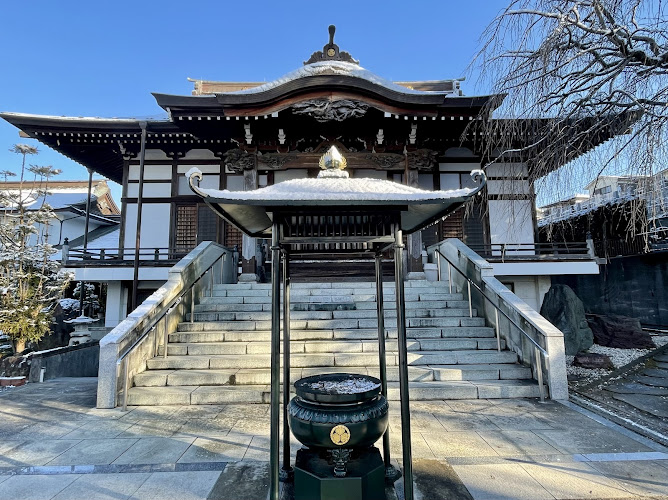
Sagami Kokubunji Temple in Ebina, Kanagawa, is one of those places that quietly captures your heart before you even realize it. It’s not one of those flashy temples buzzing with crowds and souvenir stands every few steps—no, this one feels more like a calm pause in the middle of a busy life. Originally built during the Nara period, this temple was part of Emperor Shōmu’s grand vision to unify Japan through Buddhism. Each province had its own kokubunji (provincial temple), and Sagami Kokubunji represented the spiritual heart of the old Sagami Province. The temple, though rebuilt several times over the centuries, still carries that deep sense of continuity—you can almost feel the layers of time under your feet.
Walking through the grounds, you’ll notice how history and nature coexist effortlessly. The main hall, with its elegant wooden structure, stands quietly under the shade of tall trees. There’s a certain humility in its design, yet it radiates a presence that’s hard to describe. The temple’s bonshō (temple bell), cast in 1292 during the Kamakura period, is an Important Cultural Property of Japan. It’s not just a relic—it’s a living piece of history that still resonates, literally and spiritually. When the bell rings, the deep tone seems to ripple through the air and settle somewhere deep inside you. I remember the first time I heard it; it wasn’t just sound—it felt like time slowing down.
The temple grounds are also a designated National Historic Site, which basically means that every stone and corner here has a story. You can wander through the ruins of the ancient pagoda foundation or pause by the small garden areas where locals sometimes come to sit and reflect. There’s a simplicity here that makes you breathe differently, slower maybe. And while some might find it “too quiet,” that’s exactly what gives it its charm. It’s a place that doesn’t demand your attention—it earns it.
Key Features
- Ancient Heritage: Originally established in the 8th century as part of Emperor Shōmu’s network of provincial temples promoting Buddhism across Japan.
- Kamakura Period Bell: The temple’s bronze bonshō, dating back to 1292, is designated as an Important Cultural Property and is still used during ceremonies.
- National Historic Site: The grounds preserve archaeological remains of the original temple complex, including the pagoda and lecture hall foundations.
- Peaceful Atmosphere: Unlike many tourist-heavy temples, Sagami Kokubunji offers a quiet, meditative environment perfect for reflection or photography.
- Local Connection: The temple remains an active part of the Ebina community, hosting seasonal events and Buddhist memorial services.
- Accessibility: The site is well-maintained with restrooms available, making it a convenient stop for travelers exploring Kanagawa.
And honestly, one of the best parts? It’s not overrun by tourists. You can actually hear the wind rustling through the trees and the faint hum of distant city life blending with the temple’s stillness. If you’re the kind of traveler who values authenticity over spectacle, you’ll probably find yourself lingering longer than planned.
Best Time to Visit
If you ask me, Sagami Kokubunji Temple has a different personality in each season. Spring is probably the most photogenic—the cherry blossoms around the grounds create that soft pink haze that Japan is famous for. It’s almost cinematic, especially in the late afternoon light. Summer, though warm, brings vibrant greenery that makes the wooden halls stand out beautifully against the lush backdrop. Autumn, however, is my personal favorite. The maple leaves turn brilliant shades of red and gold, and the whole temple seems to glow in the late-day sun. It’s quieter then too, as the crowds thin out after the cherry blossom season.
Winter has its own kind of magic. The air feels crisp, and sometimes a light dusting of snow covers the roof tiles—it’s serene, almost poetic. If you’re into photography, early morning visits are gold. The soft light, the mist sometimes hanging low—it’s the kind of moment you can’t plan, but when it happens, it’s unforgettable.
How to Get There
Getting to Sagami Kokubunji Temple is fairly straightforward, even if you’re not familiar with the area. The temple is located in Ebina City, Kanagawa Prefecture, which is about an hour from central Tokyo by train. You can take the Odakyu Line or the Sotetsu Line to Ebina Station. From there, it’s roughly a 20-minute walk or a short taxi ride to the temple grounds. If you’re like me and enjoy exploring on foot, the walk itself is part of the experience—you’ll pass through quiet residential streets and get a glimpse of everyday life in suburban Japan.
For those driving, there’s limited parking available nearby, though weekends can get a bit busy. Public transport is generally the easier option. The area around the temple is also home to a few small cafes and local eateries, perfect for grabbing a light lunch after your visit. And if you’re traveling during strawberry season, Ebina is actually famous for its strawberry farms, so you might want to plan a quick detour to one of the local picking spots.
Tips for Visiting
A few tips from someone who’s been there more than once—because yes, it’s the kind of place that quietly calls you back.
- Go early in the morning. The light is softer, the air is cooler, and you’ll likely have the place almost to yourself. Perfect for reflection or photos without crowds.
- Respect the silence. This isn’t a loud tourist attraction; it’s an active temple. Keep voices low, especially near the main hall or during ceremonies.
- Bring comfortable shoes. The grounds are spread out and include some uneven paths—nothing too strenuous, but it’s better to be prepared.
- Check for local events. Occasionally, the temple hosts seasonal festivals or Buddhist observances. These can be wonderful opportunities to see the community come together.
- Take time to explore the ruins. Many visitors overlook the archaeological remains, but they’re fascinating if you’re into history or architecture. The foundations give you a sense of how grand the original complex must have been.
- Bring a small offering or incense. Even if you’re not Buddhist, it’s a meaningful gesture and a way to connect with the place’s spiritual essence.
And here’s something I learned the hard way—don’t rush. I used to think I could “see” a temple in 20 minutes and move on to the next stop. But Sagami Kokubunji taught me otherwise. Sit for a while on one of the benches, listen to the wind, maybe even chat with a local if the opportunity arises. The temple’s beauty isn’t just in its architecture—it’s in the way it makes you slow down.
There’s also a small shop near the entrance where you can pick up charms and amulets, each said to bring different blessings—health, safety, academic success, that sort of thing. I still carry one I bought years ago; maybe it’s superstition, but it’s become a little reminder of peace in my pocket.
If you’re planning a trip through Kanagawa or looking for a meaningful day trip from Tokyo, Sagami Kokubunji Temple is a gem worth discovering. It might not make the top of every travel list, but that’s exactly why it’s special. It’s the kind of place that rewards curiosity and quiet appreciation. You leave not just with photos, but with a sense of calm that lingers long after you’ve gone.
So take your time, breathe it in, and let the centuries-old spirit of Sagami Kokubunji Temple remind you that sometimes the most profound travel experiences happen in the quietest corners.
Key Features
- Key Features
- Best Time to Visit
- How to Get There
- Tips for Visiting
More Details
Updated November 7, 2025
Table of Contents
Description
Sagami Kokubunji Temple in Ebina, Kanagawa, is one of those places that quietly captures your heart before you even realize it. It’s not one of those flashy temples buzzing with crowds and souvenir stands every few steps—no, this one feels more like a calm pause in the middle of a busy life. Originally built during the Nara period, this temple was part of Emperor Shōmu’s grand vision to unify Japan through Buddhism. Each province had its own kokubunji (provincial temple), and Sagami Kokubunji represented the spiritual heart of the old Sagami Province. The temple, though rebuilt several times over the centuries, still carries that deep sense of continuity—you can almost feel the layers of time under your feet.
Walking through the grounds, you’ll notice how history and nature coexist effortlessly. The main hall, with its elegant wooden structure, stands quietly under the shade of tall trees. There’s a certain humility in its design, yet it radiates a presence that’s hard to describe. The temple’s bonshō (temple bell), cast in 1292 during the Kamakura period, is an Important Cultural Property of Japan. It’s not just a relic—it’s a living piece of history that still resonates, literally and spiritually. When the bell rings, the deep tone seems to ripple through the air and settle somewhere deep inside you. I remember the first time I heard it; it wasn’t just sound—it felt like time slowing down.
The temple grounds are also a designated National Historic Site, which basically means that every stone and corner here has a story. You can wander through the ruins of the ancient pagoda foundation or pause by the small garden areas where locals sometimes come to sit and reflect. There’s a simplicity here that makes you breathe differently, slower maybe. And while some might find it “too quiet,” that’s exactly what gives it its charm. It’s a place that doesn’t demand your attention—it earns it.
Key Features
- Ancient Heritage: Originally established in the 8th century as part of Emperor Shōmu’s network of provincial temples promoting Buddhism across Japan.
- Kamakura Period Bell: The temple’s bronze bonshō, dating back to 1292, is designated as an Important Cultural Property and is still used during ceremonies.
- National Historic Site: The grounds preserve archaeological remains of the original temple complex, including the pagoda and lecture hall foundations.
- Peaceful Atmosphere: Unlike many tourist-heavy temples, Sagami Kokubunji offers a quiet, meditative environment perfect for reflection or photography.
- Local Connection: The temple remains an active part of the Ebina community, hosting seasonal events and Buddhist memorial services.
- Accessibility: The site is well-maintained with restrooms available, making it a convenient stop for travelers exploring Kanagawa.
And honestly, one of the best parts? It’s not overrun by tourists. You can actually hear the wind rustling through the trees and the faint hum of distant city life blending with the temple’s stillness. If you’re the kind of traveler who values authenticity over spectacle, you’ll probably find yourself lingering longer than planned.
Best Time to Visit
If you ask me, Sagami Kokubunji Temple has a different personality in each season. Spring is probably the most photogenic—the cherry blossoms around the grounds create that soft pink haze that Japan is famous for. It’s almost cinematic, especially in the late afternoon light. Summer, though warm, brings vibrant greenery that makes the wooden halls stand out beautifully against the lush backdrop. Autumn, however, is my personal favorite. The maple leaves turn brilliant shades of red and gold, and the whole temple seems to glow in the late-day sun. It’s quieter then too, as the crowds thin out after the cherry blossom season.
Winter has its own kind of magic. The air feels crisp, and sometimes a light dusting of snow covers the roof tiles—it’s serene, almost poetic. If you’re into photography, early morning visits are gold. The soft light, the mist sometimes hanging low—it’s the kind of moment you can’t plan, but when it happens, it’s unforgettable.
How to Get There
Getting to Sagami Kokubunji Temple is fairly straightforward, even if you’re not familiar with the area. The temple is located in Ebina City, Kanagawa Prefecture, which is about an hour from central Tokyo by train. You can take the Odakyu Line or the Sotetsu Line to Ebina Station. From there, it’s roughly a 20-minute walk or a short taxi ride to the temple grounds. If you’re like me and enjoy exploring on foot, the walk itself is part of the experience—you’ll pass through quiet residential streets and get a glimpse of everyday life in suburban Japan.
For those driving, there’s limited parking available nearby, though weekends can get a bit busy. Public transport is generally the easier option. The area around the temple is also home to a few small cafes and local eateries, perfect for grabbing a light lunch after your visit. And if you’re traveling during strawberry season, Ebina is actually famous for its strawberry farms, so you might want to plan a quick detour to one of the local picking spots.
Tips for Visiting
A few tips from someone who’s been there more than once—because yes, it’s the kind of place that quietly calls you back.
- Go early in the morning. The light is softer, the air is cooler, and you’ll likely have the place almost to yourself. Perfect for reflection or photos without crowds.
- Respect the silence. This isn’t a loud tourist attraction; it’s an active temple. Keep voices low, especially near the main hall or during ceremonies.
- Bring comfortable shoes. The grounds are spread out and include some uneven paths—nothing too strenuous, but it’s better to be prepared.
- Check for local events. Occasionally, the temple hosts seasonal festivals or Buddhist observances. These can be wonderful opportunities to see the community come together.
- Take time to explore the ruins. Many visitors overlook the archaeological remains, but they’re fascinating if you’re into history or architecture. The foundations give you a sense of how grand the original complex must have been.
- Bring a small offering or incense. Even if you’re not Buddhist, it’s a meaningful gesture and a way to connect with the place’s spiritual essence.
And here’s something I learned the hard way—don’t rush. I used to think I could “see” a temple in 20 minutes and move on to the next stop. But Sagami Kokubunji taught me otherwise. Sit for a while on one of the benches, listen to the wind, maybe even chat with a local if the opportunity arises. The temple’s beauty isn’t just in its architecture—it’s in the way it makes you slow down.
There’s also a small shop near the entrance where you can pick up charms and amulets, each said to bring different blessings—health, safety, academic success, that sort of thing. I still carry one I bought years ago; maybe it’s superstition, but it’s become a little reminder of peace in my pocket.
If you’re planning a trip through Kanagawa or looking for a meaningful day trip from Tokyo, Sagami Kokubunji Temple is a gem worth discovering. It might not make the top of every travel list, but that’s exactly why it’s special. It’s the kind of place that rewards curiosity and quiet appreciation. You leave not just with photos, but with a sense of calm that lingers long after you’ve gone.
So take your time, breathe it in, and let the centuries-old spirit of Sagami Kokubunji Temple remind you that sometimes the most profound travel experiences happen in the quietest corners.
Key Highlights
- Key Features
- Best Time to Visit
- How to Get There
- Tips for Visiting
Location
Places to Stay Near Sagami Kokubunji Temple
Find and Book a Tour
Explore More Travel Guides
No reviews found! Be the first to review!
Traveler Reviews for Sagami Kokubunji Temple
There are no reviews yet. Be the first one to write one.
Have you visited Sagami Kokubunji Temple? Help other travelers by sharing your review.
You Might Also Like
和風 HARMONY,1993 楊英風
Kanagawa Prefectural Sagami Sansen Park

Ayumi Bridge
Find Accommodations Nearby
Recommended Tours & Activities
Visitor Reviews
There are no reviews yet. Be the first one to write one.
Share Your Experience
Have you visited Sagami Kokubunji Temple? Help other travelers by leaving a review.