
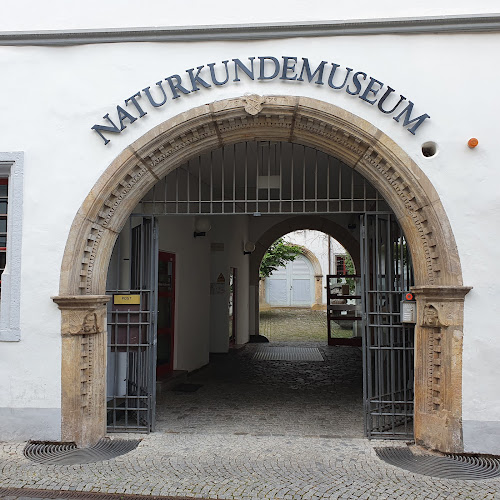
Naturkundemuseum
About Naturkundemuseum
Description
The Naturkundemuseum in Erfurt stands as a compact but richly packed natural history museum that leans into both local identity and global curiosity. Spread across four floors, its exhibits trace the fauna and flora of Thuringia while making frequent, clever jumps to species and ecosystems from around the world. Visitors get a clear sense of place — a regional narrative about rivers, forests and fields — paired with the sort of cabinets, dioramas and specimen displays that remind one why natural history museums still matter: they hold the slow, patient work of collecting, classifying and telling stories about life on Earth.
This museum is housed in the Große Arche building, an architectural landmark that frames the collection in a way that’s both slightly old-fashioned and reassuringly earnest. It’s not trying to be the flashiest science center in Germany; instead, it opts for depth. Taxidermy specimens are displayed with thoughtful labels, botanical sections show seasonal variation, and small case studies explain the complicated relationships between native species and human land use in Thuringia. And yes, there’s a Noah’s ark display — not a theatrical re-creation but a carefully curated exhibit that explores the idea of biodiversity, species survival and the way human cultures imagine life on Earth. It’s a conversation starter, especially good for families and anyone who likes exhibits that ask more questions than they answer.
The presentation mixes old-school charm with enough hands-on bits to keep kids engaged. The museum’s kid-friendly elements are genuine: interactive stations, simple identification keys, and touchable samples in some areas. The writer remembers watching a small group of children crowd around a fossil tray, faces lit up with curiosity, and thinking: that exact moment will stick with them longer than any rushed selfie in town. Adults tend to linger in the Thuringian fauna sections where regional species — from woodland birds to freshwater invertebrates — are given context: historical range, current threats, and conservation efforts. For travelers who care about the local environment, that contextual focus is gold. It helps stitch a museum visit into a wider itinerary that might include hiking, cathedral tours, or a stroll through the old town.
Practical realities are worth noting up front. The museum is well-suited to families and school groups, but it is not enormous; expect a couple of hours for a relaxed visit, or most of a morning if the exhibitions capture your attention. There’s a wheelchair accessible entrance and restroom, which is a big plus for inclusivity. However, parking can be limited nearby and there isn’t an on-site restaurant, so planning ahead for transport and snacks makes for a smoother day. The building’s staircases and some older display cases give it a slightly lived-in feel — some visitors love that, others might prefer more modern installations. Either way, that character is part of the Naturkundemuseum’s appeal: it feels like a place that has grown organically, with layers of display that reflect decades of research and local stewardship rather than a single grand redesign.
Behind the exhibits, there’s a quiet scientific backbone. The museum collaborates with regional researchers and university collections, so many of the specimens and information on show come with real research provenance. That means the labels often include not just plain descriptions but snippets about when and why a specimen was collected, or what it reveals about changing landscapes. For travelers who like to learn more than the headlines, these little details make the visit rewarding. And if someone is into photography, there are surprisingly good opportunities: close-ups of insect displays, atmospheric shots of old cabinets, and the Noah’s ark tableau make for respectful, evocative images — as long as the visitor keeps camera use considerate and mindful of other guests.
There are a few lesser-known highlights that often surprise first-time visitors. One is the scale and clarity with which the museum presents freshwater ecology — a topic that many natural history museums gloss over. Given Thuringia’s many streams and reservoirs, the freshwater displays here are unusually thorough and practical. Another is the museum’s seasonal rotation of smaller, topical exhibits that tackle current environmental questions or spotlight local species recovery projects. These rotating bits keep the experience fresh; repeat visitors often find new surprises. The staff, too, tend to be knowledgeable and approachable. The writer once had a long, pleasantly meandering chat with a curator about local bird migration and left with a recommended walking route that made the rest of the trip feel richer.
For the traveler who likes to curate an itinerary with meaning, the Naturkundemuseum in Erfurt is a low-risk, high-reward stop. It’s especially valuable if someone plans to explore the Thuringian landscape or wants a deeper understanding of the region’s natural story. Bring a sense of curiosity, a comfortable pair of shoes for the building’s floors, and maybe a small snack for the short stretch between exhibits and the nearby cafes. Don’t expect a blockbuster, immersive sci-fi installation; instead, expect an honest, well-researched museum experience that rewards slow looking and questions. And if the museum manages to spark one longer conversation about conservation or a sudden urge to take a nature walk outside the city — well, then it has done its job.
Key Features
More Details
Updated August 30, 2025
Table of Contents
Description
The Naturkundemuseum in Erfurt stands as a compact but richly packed natural history museum that leans into both local identity and global curiosity. Spread across four floors, its exhibits trace the fauna and flora of Thuringia while making frequent, clever jumps to species and ecosystems from around the world. Visitors get a clear sense of place — a regional narrative about rivers, forests and fields — paired with the sort of cabinets, dioramas and specimen displays that remind one why natural history museums still matter: they hold the slow, patient work of collecting, classifying and telling stories about life on Earth.
This museum is housed in the Große Arche building, an architectural landmark that frames the collection in a way that’s both slightly old-fashioned and reassuringly earnest. It’s not trying to be the flashiest science center in Germany; instead, it opts for depth. Taxidermy specimens are displayed with thoughtful labels, botanical sections show seasonal variation, and small case studies explain the complicated relationships between native species and human land use in Thuringia. And yes, there’s a Noah’s ark display — not a theatrical re-creation but a carefully curated exhibit that explores the idea of biodiversity, species survival and the way human cultures imagine life on Earth. It’s a conversation starter, especially good for families and anyone who likes exhibits that ask more questions than they answer.
The presentation mixes old-school charm with enough hands-on bits to keep kids engaged. The museum’s kid-friendly elements are genuine: interactive stations, simple identification keys, and touchable samples in some areas. The writer remembers watching a small group of children crowd around a fossil tray, faces lit up with curiosity, and thinking: that exact moment will stick with them longer than any rushed selfie in town. Adults tend to linger in the Thuringian fauna sections where regional species — from woodland birds to freshwater invertebrates — are given context: historical range, current threats, and conservation efforts. For travelers who care about the local environment, that contextual focus is gold. It helps stitch a museum visit into a wider itinerary that might include hiking, cathedral tours, or a stroll through the old town.
Practical realities are worth noting up front. The museum is well-suited to families and school groups, but it is not enormous; expect a couple of hours for a relaxed visit, or most of a morning if the exhibitions capture your attention. There’s a wheelchair accessible entrance and restroom, which is a big plus for inclusivity. However, parking can be limited nearby and there isn’t an on-site restaurant, so planning ahead for transport and snacks makes for a smoother day. The building’s staircases and some older display cases give it a slightly lived-in feel — some visitors love that, others might prefer more modern installations. Either way, that character is part of the Naturkundemuseum’s appeal: it feels like a place that has grown organically, with layers of display that reflect decades of research and local stewardship rather than a single grand redesign.
Behind the exhibits, there’s a quiet scientific backbone. The museum collaborates with regional researchers and university collections, so many of the specimens and information on show come with real research provenance. That means the labels often include not just plain descriptions but snippets about when and why a specimen was collected, or what it reveals about changing landscapes. For travelers who like to learn more than the headlines, these little details make the visit rewarding. And if someone is into photography, there are surprisingly good opportunities: close-ups of insect displays, atmospheric shots of old cabinets, and the Noah’s ark tableau make for respectful, evocative images — as long as the visitor keeps camera use considerate and mindful of other guests.
There are a few lesser-known highlights that often surprise first-time visitors. One is the scale and clarity with which the museum presents freshwater ecology — a topic that many natural history museums gloss over. Given Thuringia’s many streams and reservoirs, the freshwater displays here are unusually thorough and practical. Another is the museum’s seasonal rotation of smaller, topical exhibits that tackle current environmental questions or spotlight local species recovery projects. These rotating bits keep the experience fresh; repeat visitors often find new surprises. The staff, too, tend to be knowledgeable and approachable. The writer once had a long, pleasantly meandering chat with a curator about local bird migration and left with a recommended walking route that made the rest of the trip feel richer.
For the traveler who likes to curate an itinerary with meaning, the Naturkundemuseum in Erfurt is a low-risk, high-reward stop. It’s especially valuable if someone plans to explore the Thuringian landscape or wants a deeper understanding of the region’s natural story. Bring a sense of curiosity, a comfortable pair of shoes for the building’s floors, and maybe a small snack for the short stretch between exhibits and the nearby cafes. Don’t expect a blockbuster, immersive sci-fi installation; instead, expect an honest, well-researched museum experience that rewards slow looking and questions. And if the museum manages to spark one longer conversation about conservation or a sudden urge to take a nature walk outside the city — well, then it has done its job.
Key Highlights
Naturkundemuseum
Location
Places to Stay Near Naturkundemuseum
Find and Book a Tour
Explore More Travel Guides
No reviews found! Be the first to review!
Traveler Reviews for Naturkundemuseum
There are no reviews yet. Be the first one to write one.
Have you visited Naturkundemuseum? Help other travelers by sharing your review.
You Might Also Like
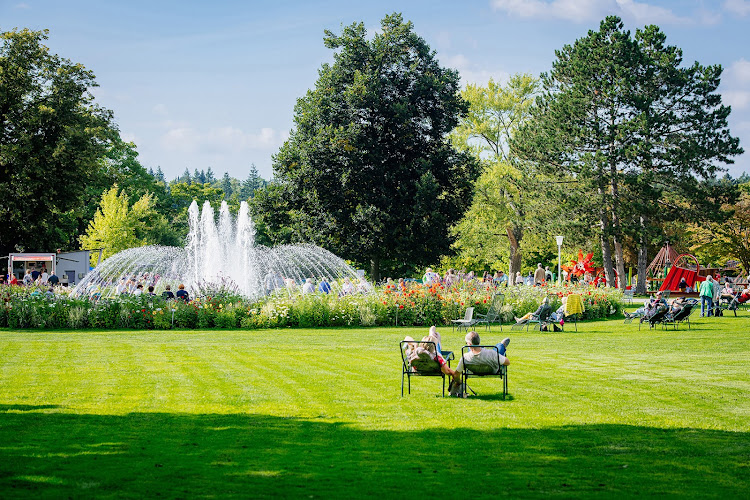
Egapark
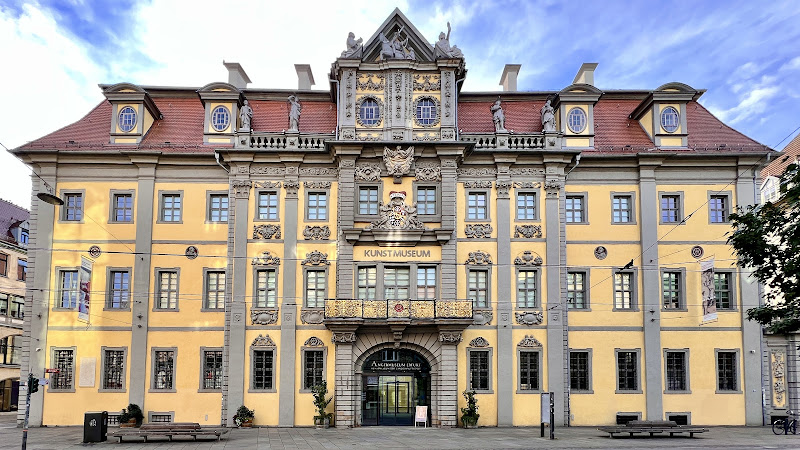
Angermuseum
Erfurt Cathedral
Find Accommodations Nearby
Recommended Tours & Activities
Visitor Reviews
There are no reviews yet. Be the first one to write one.
Share Your Experience
Have you visited Naturkundemuseum? Help other travelers by leaving a review.