
Museum für Thüringer Volkskunde
About Museum für Thüringer Volkskunde
Description
The Museum für Thüringer Volkskunde in Erfurt is a focused, quietly compelling museum devoted to the everyday life and cultural traditions of 19th-century rural Thuringia. It examines how ordinary people lived, worked, dressed and celebrated — and it does this with a tenderness that slightly surprises at first. Rather than overwhelming visitors with rare golden artifacts and lofty historical narratives, the museum places the spotlight on peasant artwork, traditional costumes, folk objects and village life. That specificity is its strength: here, the small details tell big stories.
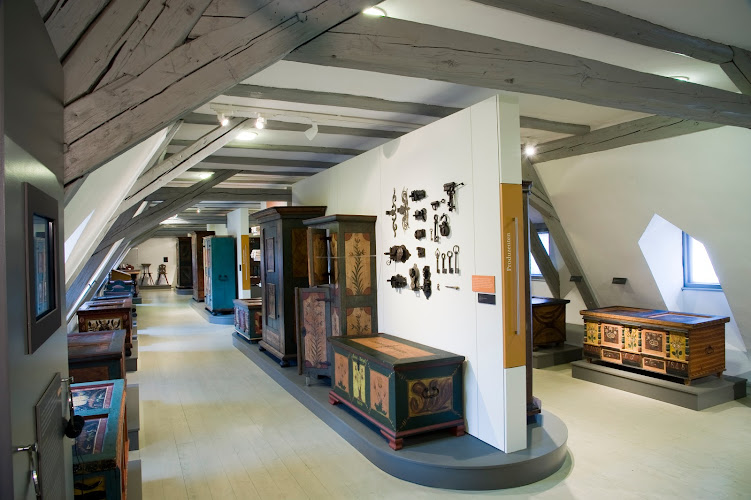
Visitors will walk through rooms that feel like fragments of an old village: hand-stitched clothing displayed on mannequins, tools worn smooth from use, painted furniture with floral motifs, and domestic objects that once belonged to Thuringian families. The exhibits pay particular attention to costumes — those elaborate, regional dresses that often signaled marital status, occupation, or village identity. Peasant artwork, from painted chests to scrollwork, is presented not merely as craft but as a language of identity. Folk customs and rituals are described alongside objects, helping you imagine songs and seasonal cycles that shaped life in the 19th century.
The museum leans toward the interpretive rather than the didactic. Labels are informative without being dense; displays often invite curiosity rather than insist on conclusions. And yes, a few exhibits are evocative enough that you might catch yourself pausing — more than once — to imagine a child playing in the same room a century and a half ago. The author once spent a surprisingly long time studying an embroidered apron because it contained, tucked in the stitches, a tiny embroidered heart; it felt like a message across time. That sort of intimacy is what the Museum für Thüringer Volkskunde offers: a connection to ordinary human lives.
Practical details matter here too. The museum provides restroom facilities and a wheelchair-accessible restroom, though the main entrance is not fully wheelchair accessible. There is no in-house restaurant, so visitors planning a long stay should arrange for snacks or follow the museum visit with one of Erfurt’s nearby cafés. Families often find the museum inviting; children tend to be curious about the costumes and the tactile nature of many displays — though direct handling is, of course, restricted to preserve fragile items.
Located in the city of Erfurt in the state of Thuringia, the museum is part of the city’s cultural landscape and complements visits to the old town and cathedral hill. It’s not a blockbuster tourist site; rather, it’s a satisfying detour for travelers who want to understand regional identity, social history, and how folk traditions endure. For those who are interested in museums in Germany that focus on local history and everyday objects, this place feels honest and well-curated, and frequently rewards slow-looking.
Key Features
- Exhibits on 19th-century village life: immersive rooms and objects demonstrating domestic routines, agricultural tools, and seasonal practices.
- Extensive display of traditional costumes: regionally specific garments, headdresses, and accessories that reveal social roles and local styles.
- Peasant artwork and painted furniture: painted chests, folk motifs, and decorative objects showcasing local artisanship and aesthetics.
- Folklore and ritual sections: explanations of customs, festivals, and oral traditions that shaped rural communities in Thuringia.
- Family-friendly orientation: exhibits that pique children’s curiosity about how people lived, dressed and worked (hands-on activities occasionally offered).
- Accessible restroom facilities: includes a wheelchair-accessible restroom though the building’s entrance is not fully wheelchair adapted.
- Compact, walkable layout: easy to explore in 60–90 minutes, making it a convenient stop during a day in Erfurt.
- Clear interpretive texts: labels and exhibit explanations that balance scholarly context with readable storytelling.
- Focus on local identity: a nuanced look at Thuringia’s rural culture rather than a generalized account of German rural life.
- Complement to city attractions: makes for a thoughtful companion visit alongside Erfurt’s historic center and cathedral area.
Best Time to Visit
The Museum für Thüringer Volkskunde is enjoyable year-round, but the best time to visit depends on what kind of day the traveler prefers. Spring and early autumn typically offer mild weather in Erfurt, which is ideal if weaves in a walk through the city afterward. Weekdays during the shoulder seasons tend to be quieter, so visitors who prefer reflective, almost private looking will find those times easiest. The museum is smaller than many national institutions, so crowds rarely feel overwhelming, but Saturdays and public holidays can be busier — especially with local families and school groups.
For those intrigued by seasonal folk customs, timing a visit near traditional Thuringian festivals can add context to the displays that explain harvest rituals or seasonal dress. But if the trip is about good lighting and fewer people, aim for late morning on a weekday. The author notes that light afternoons, when café windows in Erfurt throw warm reflections, pair well with a museum visit — you can drift from quiet historical rooms into the livelier rhythms of modern city life.
How to Get There
The museum sits within Erfurt and is accessible by public transport and local taxi services. Travelers coming from the central train station can reach the museum via a short tram or bus ride; local transit maps and stops are well-marked in the city. If you prefer walking, parts of Erfurt are pleasantly compact, and a longer stroll through the city neighborhoods will eventually bring you to the museum area — it’s a nice way to see local architecture and parks en route.
Driving is an option, but visitors should be prepared for city parking conditions; look for public parking garages near the cultural quarter or follow local signage. Bicycling is also common in Erfurt, and there are bike lanes in many parts of the city. Once at the museum, plan to spend at least an hour exploring — the space is compact but rich in detail, so stopping to read and reflect makes the visit more rewarding.
Tips for Visiting
Plan ahead: check opening hours before you go. The museum’s hours can vary by season and on public holidays. Because there is no restaurant on site, bring a small snack or be ready to head into Erfurt’s cafés afterward. There are public restrooms, including one that is wheelchair accessible, so families and visitors with mobility needs should be aware that while restroom facilities are adapted, the entrance itself may require assistance.
Go slow: the charm of this museum is in the details. Take time with embroidered garments, carved furniture and painted chests. If you enjoy photography, check the museum’s policy — many smaller museums allow non-flash photos but ask that you be respectful of other visitors and fragile items. The author suggests keeping a small notebook; jotting down a motif or a phrase from an exhibit often leads to follow-up exploration in the city’s bookshops or cafés.
Bring kids and keep them engaged: the displays tend to fascinate younger visitors, particularly outfits and household objects that look markedly different from modern equivalents. Make it interactive for them by turning the visit into a little scavenger hunt — who can spot the most floral motifs? Which tool looks the oldest? That kind of playful approach keeps children curious without encouraging touching of delicate items.
Combine visits: pair the museum with nearby attractions in Erfurt for a fuller day. After exploring rural life and folk traditions, a walk in the old town or a visit to the cathedral provides a contrast between village culture and urban history. If weather permits, an outdoor lunch after the museum makes for a pleasant transition from quiet galleries to city buzz.
Ask staff questions: museum attendants often have delightful tidbits not on the labels — provenance stories, restoration notes, or local lore connected to objects. Don’t be shy. The staff’s knowledge will often illuminate details that enrich the exhibits, especially when it comes to regional costume differences or the symbolism in peasant paintings.
Respect the collection: it’s tempting to get close to beautifully worn objects, but conservation matters. Follow signage about barriers and no-touch rules. That little restraint helps ensure future visitors can experience the same quiet surprises. Finally, leave time to linger. The Museum für Thüringer Volkskunde is the sort of place that rewards patience; the best discoveries are often slow, small and unexpected.
Key Features
- Exhibits on 19th-century village life: immersive rooms and objects demonstrating domestic routines, agricultural tools, and seasonal practices.
- Extensive display of traditional costumes: regionally specific garments, headdresses, and accessories that reveal social roles and local styles.
- Peasant artwork and painted furniture: painted chests, folk motifs, and decorative objects showcasing local artisanship and aesthetics.
- Folklore and ritual sections: explanations of customs, festivals, and oral traditions that shaped rural communities in Thuringia.
- Family-friendly orientation: exhibits that pique children’s curiosity about how people lived, dressed and worked (hands-on activities occasionally offered).
- Accessible restroom facilities: includes a wheelchair-accessible restroom though the building’s entrance is not fully wheelchair adapted.
- Compact, walkable layout: easy to explore in 60–90 minutes, making it a convenient stop during a day in Erfurt.
- Clear interpretive texts: labels and exhibit explanations that balance scholarly context with readable storytelling.
More Details
Updated August 30, 2025
Table of Contents
Description
The Museum für Thüringer Volkskunde in Erfurt is a focused, quietly compelling museum devoted to the everyday life and cultural traditions of 19th-century rural Thuringia. It examines how ordinary people lived, worked, dressed and celebrated — and it does this with a tenderness that slightly surprises at first. Rather than overwhelming visitors with rare golden artifacts and lofty historical narratives, the museum places the spotlight on peasant artwork, traditional costumes, folk objects and village life. That specificity is its strength: here, the small details tell big stories.
Visitors will walk through rooms that feel like fragments of an old village: hand-stitched clothing displayed on mannequins, tools worn smooth from use, painted furniture with floral motifs, and domestic objects that once belonged to Thuringian families. The exhibits pay particular attention to costumes — those elaborate, regional dresses that often signaled marital status, occupation, or village identity. Peasant artwork, from painted chests to scrollwork, is presented not merely as craft but as a language of identity. Folk customs and rituals are described alongside objects, helping you imagine songs and seasonal cycles that shaped life in the 19th century.
The museum leans toward the interpretive rather than the didactic. Labels are informative without being dense; displays often invite curiosity rather than insist on conclusions. And yes, a few exhibits are evocative enough that you might catch yourself pausing — more than once — to imagine a child playing in the same room a century and a half ago. The author once spent a surprisingly long time studying an embroidered apron because it contained, tucked in the stitches, a tiny embroidered heart; it felt like a message across time. That sort of intimacy is what the Museum für Thüringer Volkskunde offers: a connection to ordinary human lives.
Practical details matter here too. The museum provides restroom facilities and a wheelchair-accessible restroom, though the main entrance is not fully wheelchair accessible. There is no in-house restaurant, so visitors planning a long stay should arrange for snacks or follow the museum visit with one of Erfurt’s nearby cafés. Families often find the museum inviting; children tend to be curious about the costumes and the tactile nature of many displays — though direct handling is, of course, restricted to preserve fragile items.
Located in the city of Erfurt in the state of Thuringia, the museum is part of the city’s cultural landscape and complements visits to the old town and cathedral hill. It’s not a blockbuster tourist site; rather, it’s a satisfying detour for travelers who want to understand regional identity, social history, and how folk traditions endure. For those who are interested in museums in Germany that focus on local history and everyday objects, this place feels honest and well-curated, and frequently rewards slow-looking.
Key Features
- Exhibits on 19th-century village life: immersive rooms and objects demonstrating domestic routines, agricultural tools, and seasonal practices.
- Extensive display of traditional costumes: regionally specific garments, headdresses, and accessories that reveal social roles and local styles.
- Peasant artwork and painted furniture: painted chests, folk motifs, and decorative objects showcasing local artisanship and aesthetics.
- Folklore and ritual sections: explanations of customs, festivals, and oral traditions that shaped rural communities in Thuringia.
- Family-friendly orientation: exhibits that pique children’s curiosity about how people lived, dressed and worked (hands-on activities occasionally offered).
- Accessible restroom facilities: includes a wheelchair-accessible restroom though the building’s entrance is not fully wheelchair adapted.
- Compact, walkable layout: easy to explore in 60–90 minutes, making it a convenient stop during a day in Erfurt.
- Clear interpretive texts: labels and exhibit explanations that balance scholarly context with readable storytelling.
- Focus on local identity: a nuanced look at Thuringia’s rural culture rather than a generalized account of German rural life.
- Complement to city attractions: makes for a thoughtful companion visit alongside Erfurt’s historic center and cathedral area.
Best Time to Visit
The Museum für Thüringer Volkskunde is enjoyable year-round, but the best time to visit depends on what kind of day the traveler prefers. Spring and early autumn typically offer mild weather in Erfurt, which is ideal if weaves in a walk through the city afterward. Weekdays during the shoulder seasons tend to be quieter, so visitors who prefer reflective, almost private looking will find those times easiest. The museum is smaller than many national institutions, so crowds rarely feel overwhelming, but Saturdays and public holidays can be busier — especially with local families and school groups.
For those intrigued by seasonal folk customs, timing a visit near traditional Thuringian festivals can add context to the displays that explain harvest rituals or seasonal dress. But if the trip is about good lighting and fewer people, aim for late morning on a weekday. The author notes that light afternoons, when café windows in Erfurt throw warm reflections, pair well with a museum visit — you can drift from quiet historical rooms into the livelier rhythms of modern city life.
How to Get There
The museum sits within Erfurt and is accessible by public transport and local taxi services. Travelers coming from the central train station can reach the museum via a short tram or bus ride; local transit maps and stops are well-marked in the city. If you prefer walking, parts of Erfurt are pleasantly compact, and a longer stroll through the city neighborhoods will eventually bring you to the museum area — it’s a nice way to see local architecture and parks en route.
Driving is an option, but visitors should be prepared for city parking conditions; look for public parking garages near the cultural quarter or follow local signage. Bicycling is also common in Erfurt, and there are bike lanes in many parts of the city. Once at the museum, plan to spend at least an hour exploring — the space is compact but rich in detail, so stopping to read and reflect makes the visit more rewarding.
Tips for Visiting
Plan ahead: check opening hours before you go. The museum’s hours can vary by season and on public holidays. Because there is no restaurant on site, bring a small snack or be ready to head into Erfurt’s cafés afterward. There are public restrooms, including one that is wheelchair accessible, so families and visitors with mobility needs should be aware that while restroom facilities are adapted, the entrance itself may require assistance.
Go slow: the charm of this museum is in the details. Take time with embroidered garments, carved furniture and painted chests. If you enjoy photography, check the museum’s policy — many smaller museums allow non-flash photos but ask that you be respectful of other visitors and fragile items. The author suggests keeping a small notebook; jotting down a motif or a phrase from an exhibit often leads to follow-up exploration in the city’s bookshops or cafés.
Bring kids and keep them engaged: the displays tend to fascinate younger visitors, particularly outfits and household objects that look markedly different from modern equivalents. Make it interactive for them by turning the visit into a little scavenger hunt — who can spot the most floral motifs? Which tool looks the oldest? That kind of playful approach keeps children curious without encouraging touching of delicate items.
Combine visits: pair the museum with nearby attractions in Erfurt for a fuller day. After exploring rural life and folk traditions, a walk in the old town or a visit to the cathedral provides a contrast between village culture and urban history. If weather permits, an outdoor lunch after the museum makes for a pleasant transition from quiet galleries to city buzz.
Ask staff questions: museum attendants often have delightful tidbits not on the labels — provenance stories, restoration notes, or local lore connected to objects. Don’t be shy. The staff’s knowledge will often illuminate details that enrich the exhibits, especially when it comes to regional costume differences or the symbolism in peasant paintings.
Respect the collection: it’s tempting to get close to beautifully worn objects, but conservation matters. Follow signage about barriers and no-touch rules. That little restraint helps ensure future visitors can experience the same quiet surprises. Finally, leave time to linger. The Museum für Thüringer Volkskunde is the sort of place that rewards patience; the best discoveries are often slow, small and unexpected.
Key Highlights
- Exhibits on 19th-century village life: immersive rooms and objects demonstrating domestic routines, agricultural tools, and seasonal practices.
- Extensive display of traditional costumes: regionally specific garments, headdresses, and accessories that reveal social roles and local styles.
- Peasant artwork and painted furniture: painted chests, folk motifs, and decorative objects showcasing local artisanship and aesthetics.
- Folklore and ritual sections: explanations of customs, festivals, and oral traditions that shaped rural communities in Thuringia.
- Family-friendly orientation: exhibits that pique children’s curiosity about how people lived, dressed and worked (hands-on activities occasionally offered).
- Accessible restroom facilities: includes a wheelchair-accessible restroom though the building’s entrance is not fully wheelchair adapted.
- Compact, walkable layout: easy to explore in 60–90 minutes, making it a convenient stop during a day in Erfurt.
- Clear interpretive texts: labels and exhibit explanations that balance scholarly context with readable storytelling.
Location
Places to Stay Near Museum für Thüringer Volkskunde
Find and Book a Tour
Explore More Travel Guides
No reviews found! Be the first to review!
Traveler Reviews for Museum für Thüringer Volkskunde
There are no reviews yet. Be the first one to write one.
Have you visited Museum für Thüringer Volkskunde? Help other travelers by sharing your review.
Find Accommodations Nearby
Recommended Tours & Activities
Visitor Reviews
There are no reviews yet. Be the first one to write one.
Share Your Experience
Have you visited Museum für Thüringer Volkskunde? Help other travelers by leaving a review.