
Kohlmarkt Braunschweig
About Kohlmarkt Braunschweig
Key Features
More Details
Updated April 15, 2024
Kohlmarkt | Stadt Braunschweig
## Kohlmarkt Braunschweig: how to read this square like a local (and why it matters)
If you’re trying to understand Braunschweig beyond a checklist of “Top 10 sights,” start at Kohlmarkt. It’s not just a pleasant pedestrian square—it’s one of the city’s oldest settlement cores, and you can still spot physical clues to what stood here, what was traded here, and how the city rewired itself over centuries. Braunschweig
### Quick facts (from your dataset)
– Name: Kohlmarkt Braunschweig
– Address: 38100, Kohlmarkt, 38100 Braunschweig, Germany
– City: Braunschweig
– Coordinates: 52.262357, 10.5200176
– Category: Tourist attraction
– Reported rating: 4.5/5
## What Kohlmarkt actually is (in plain terms)
Kohlmarkt is a central square in Braunschweig’s pedestrian zone—busy, open, and framed by buildings from multiple architectural eras. The city describes it as a key meeting point and a frequent venue for public events, with much of its “character” coming from the variety of historic facades surrounding it. Braunschweig
The part most visitors miss: Kohlmarkt isn’t a “single-era” postcard. It’s a layered place where medieval street logic, post-war rebuilding, and 19th-century prosperity sit shoulder to shoulder. Braunschweig
## The details worth looking for on-site
### 1) The church that’s gone—but still mapped under your feet
A church called St. Ulrici once stood on Kohlmarkt. The city records its consecration around 1036/38, with even earlier predecessor structures (9th–10th century) identified archaeologically. The church was demolished in 1544, and today its former ground plan is marked in the paving, so the footprint remains readable if you know to look. Braunschweig
Practical tip: slow down and trace that outline. It’s one of the rare “you can’t see it, but you can still read it” features that makes the square feel like a living document rather than a backdrop.
### 2) The fountain: older than it looks, rebuilt with intent
Kohlmarkt has had a fountain since 1391. The current version follows older plans and was rebuilt in 1869 (the city notes it as newly erected after earlier plans; a related city history page also describes a 19th-century redesign as a decorative fountain). Braunschweig
This matters because it signals something about the square’s role: long-term civic infrastructure (water) became civic display (an ornamental centerpiece) as Braunschweig modernized.
### 3) A square shaped by trade—then reshaped by mobility
Kohlmarkt sits among Braunschweig’s oldest urban “seed crystals.” The city describes it as an early settlement nucleus due to slightly elevated, flood-safer ground, developing by the 9th/10th century. Braunschweig
Later, Kohlmarkt stayed commercially important even as the Altstadt’s center of gravity shifted. The city notes:
– the stated first documentary mention in 1342 (“uppe deme kolemarkede”) Braunschweig
– its role as a trade hub and, in the 18th–19th centuries, a scene of Braunschweig’s trade fairs/commodity fairs Braunschweig
– a major change in modern use: the square was converted/reshaped into a pedestrian area in 1982 Braunschweig
So the “feel” of today—open space, foot traffic, people meeting—is not accidental. It’s an explicit planning choice layered onto a much older market logic.
### 4) Small oddities that reward curiosity (Eulenspiegel included)
Two easy-to-miss details the city highlights:
– Ziegenmarkt 2 (at the edge of Kohlmarkt) was built in 1758 by court master builder Georg-Christoph Sturm for the widow of mayor Anton Julius Cammann. Braunschweig
– In the attic of Kohlmarkt 10 there’s a Till Eulenspiegel glockenspiel (carillon). Braunschweig
You don’t need to be a folklore nerd to enjoy this—Eulenspiegel is one of those “Northern Germany cultural fingerprints” that keeps showing up when you pay attention.
## A note on difficult history (and what it means for visiting respectfully)
The city’s BLIK ensemble documentation describes Kohlmarkt as having developed into a center of Jewish life with multiple business and community buildings, and it explicitly states that Jewish property was “aryanized” after 1933 and the community was gradually destroyed. Braunschweig
That line is easy to skim online; on the ground, it’s a reminder that “historic facades” can also be witnesses. If you’re photographing architecture here, it’s worth holding that complexity in mind.
## When to go (what’s safe to say with confidence)
– Any day, any season: Kohlmarkt is a public square in the city center and functions as a pedestrian-zone meeting place and event venue. Braunschweig
– Seasonal programming: A Braunschweig Christmas market brochure references an ice rink on Kohlmarkt as part of the Christmas market experience. Braunschweig
Outdated-data flag: that brochure is several years old, so treat the ice rink mention as “has existed as part of programming,” not a guarantee for this year. Always confirm current dates and installations via official city/event listings before planning around them. Braunschweig
## How to use Kohlmarkt as a smart base (without over-planning)
Because Kohlmarkt sits in the inner city pedestrian network, it works best as a reset point in your day:
– Do a slow loop around the square first (architecture + paving outline).
– Take the fountain as your “meet here later” landmark.
– Use the square’s edges to decide your next direction—Braunschweig’s center rewards wandering more than rigid routing.
(I’m intentionally not claiming exact walking times or specific routes to nearby sights here, because those details vary by path, mobility needs, and ongoing construction/event setups.)
## Why Kohlmarkt is worth your time—even if you “don’t do squares”
Kohlmarkt is one of those places that seems simple until you know what you’re looking at:
– A church footprint preserved in paving, after a 16th-century demolition. Braunschweig
– A fountain tradition dating to the late 14th century, rebuilt in the 19th century as the city modernized. Braunschweig
– A market space that helped power trade fairs, then was deliberately redesigned for people on foot in the late 20th century. Braunschweig
– A documented link to Jewish urban life—and to the violence of dispossession in the Nazi era. Braunschweig
That’s a lot of Braunschweig history concentrated into one open square. And it’s precisely the kind of place that makes a city feel knowable.
If you want, paste two RealJourneyTravels internal URLs (or two related post slugs you already have), and I’ll weave them in as genuinely helpful contextual internal links—no forced “related posts” vibe.
Table of Contents
Key Highlights
Kohlmarkt Braunschweig
Location
Places to Stay Near Kohlmarkt Braunschweig
Find and Book a Tour
Explore More Travel Guides
No reviews found! Be the first to review!
Traveler Reviews for Kohlmarkt Braunschweig
There are no reviews yet. Be the first one to write one.
Have you visited Kohlmarkt Braunschweig? Help other travelers by sharing your review.
You Might Also Like
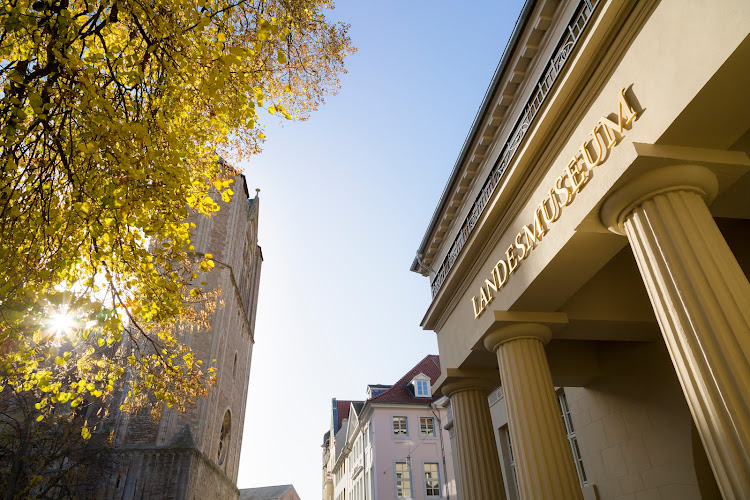
Braunschweigisches Landesmuseum - Haus Der Religionen
Heinrichsbrunnen
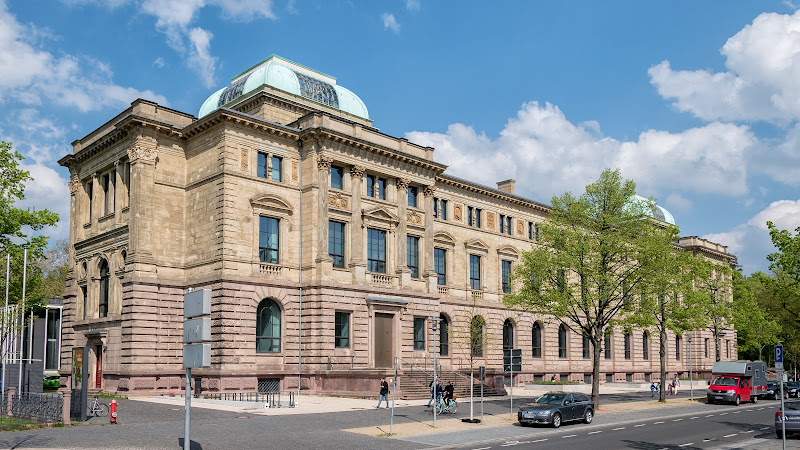
Herzog Anton Ulrich Museum
Find Accommodations Nearby
Recommended Tours & Activities
Visitor Reviews
There are no reviews yet. Be the first one to write one.
Share Your Experience
Have you visited Kohlmarkt Braunschweig? Help other travelers by leaving a review.