
Braunschweiger Löwe
About Braunschweiger Löwe
Key Features
More Details
Updated April 15, 2024
Braunschweiger Löwe or Brunswick Lion |Photoblog On-The-Go
## Braunschweiger Löwe: The Bronze Lion Watching Over Braunschweig’s Burgplatz
On Burgplatz in the heart of Braunschweig, a single bronze lion on a high stone pedestal has been the city’s emblem for more than 850 years. The Braunschweiger Löwe (Brunswick Lion) isn’t just a statue—it’s one of the most important medieval sculptures in Europe and a key reason many travelers detour into Braunschweig’s old town.
This guide focuses on what the lion actually is, why it matters historically, and what you can realistically expect when you visit Burgplatz today.
—
## Quick Facts
– Name: Braunschweiger Löwe (Brunswick Lion)
– Location: Burgplatz, 38100 Braunschweig, Germany
– Coordinates: 52.2646869, 10.5237856
– City / State: Braunschweig (Brunswick), Lower Saxony, Germany
– Type: Medieval bronze sculpture (replica on the square; original in the castle museum)
– Approx. visitor rating: 4.6 / 5 (tourist attraction) – in line with common travel-platform reviews and the site’s status as a flagship sight.
—
## What Is the Braunschweiger Löwe?
The Braunschweiger Löwe is a free-standing bronze lion, originally cast in the 12th century and commissioned by Duke Henry the Lion (Heinrich der Löwe). It was created between 1164 and 1176 and is widely regarded as:
– The first large detached sculpture of the Middle Ages north of the Alps
– The first large hollow bronze casting of a figure in Europe since antiquity
Key physical details from technical studies:
– Height: about 1.78 m
– Length: about 2.79 m
– Weight: around 880 kg
– Material: Hollow-cast bronze, originally gilded
Today, the figure you see outdoors on Burgplatz is a replica. The original medieval bronze is housed in Burg Dankwarderode (Dankwarderode Castle), which is part of the Herzog Anton Ulrich Museum complex.
—
## A Symbol of Power: Henry the Lion’s Statement Piece
### Why a Lion, and Why Here?
In the 12th century, Henry the Lion ruled Saxony and Bavaria and developed Braunschweig into his political center. He rebuilt Dankwarderode Castle as a residence in the style of an imperial palace and founded the nearby St. Blasii Cathedral (Braunschweiger Dom).
The lion was placed in the middle of this new castle complex on Burgplatz as:
– A visual declaration of ducal authority and jurisdiction
– A symbol of his claim to power in rivalry with the Hohenstaufen emperor Frederick Barbarossa
Art historians note that the lion’s form shows strong Italian influences, with parallels to the Capitoline Wolf, the Lion of St. Mark, and classical equestrian statues Henry might have seen during campaigns in Italy.
### From Political Symbol to City Emblem
Over time, the Braunschweig Lion became:
– The heraldic animal of Braunschweig (appearing on seals and coats of arms)
– A recurring motif on ducal coins
– Later, the logo of the Büssing automobile company, which still lives on in MAN commercial vehicles today
For a city-break itinerary in northern Germany, this makes Burgplatz one of the clearest places to read Braunschweig’s medieval history in a single glance.
—
## Replica Outside, Original Inside: What You Actually See
### On Burgplatz
Burgplatz is a historic public square framed by:
– The Brunswick Cathedral (Dom St. Blasii)
– Burg Dankwarderode (the reconstructed medieval castle)
– Historic façades and guild houses
The lion stands on a tall stone pedestal in the center of the square. From here you can:
– Walk all the way around the statue and photograph it from multiple angles
– Line up classic shots with the cathedral or the castle as a backdrop (daytime or illuminated in the evening)
Because the setting is open and architectural lines are quite clean, Burgplatz is one of the most photogenic places in Braunschweig.
### The Original Lion and Dankwarderode Castle
Historically, the original bronze lion was moved several times for protection—especially in the Napoleonic era and during World War II—before being permanently relocated indoors to Burg Dankwarderode in 1980 to protect it from air pollution. A specially manufactured replica has stood on the original pedestal ever since.
The museum complex today is overseen by the Herzog Anton Ulrich Museum, which states that Dankwarderode Castle is currently “closed until further notice.”
Two important implications:
– The original medieval lion remains under museum care at Dankwarderode Castle.
– Visitor access to the castle building is currently suspended, according to the museum’s 2025 information page. This status can change with renovations or structural work, so it is essential to check the official 3Landesmuseen / Herzog Anton Ulrich-Museum website for the latest update before planning a visit centered on the original statue.
—
## Reading the Sculpture: Details Worth Noticing
Even if you’re not an art historian, a few concrete details make the Braunschweiger Löwe more interesting when you’re standing beneath it:
– Stance and proportions:
The lion’s pose is rigid and deliberately stylised—straight legs, elongated body, and a focused gaze. It’s designed to project authority and stability, not naturalistic animal behavior.
– Technical leap:
Large-scale hollow casting in bronze had essentially disappeared in northern Europe after antiquity. This work implies access to highly skilled goldsmiths or bell founders in the region around Braunschweig in the 12th century.
– Former gilding:
The lion was once gilded. In Henry’s time, the statue would have shone above the square instead of the darker patina you see on the replica today. That detail changes how you imagine Burgplatz in the 1100s.
– Inscription on the pedestal:
A Latin inscription on the base records a major restoration in 1616 ordered by Duke Friedrich Ulrich and mentions a siege of the city from July to November of the previous year. Later work in 1858 is also recorded.
—
## Burgplatz in Your Braunschweig Itinerary
### Why Burgplatz Is a High-Value Stop
Eupedia’s Braunschweig travel guide highlights Burgplatz as the “ceremonial heart” of the city, with the lion as the focal point tying together cathedral, castle, and historic guild houses.
In practical terms, that means:
– You can combine several top sights in one compact space:
– Brunswick Lion (replica)
– Brunswick Cathedral (Dom St. Blasii)
– Dankwarderode Castle (exterior views; interior currently closed until further notice)
– The square fits naturally into any walking tour of the inner city, especially routes that also cover the Altstadtmarkt (Old Town Market Square) and the new town hall (Rathaus).
### How Long to Spend
Time on site will depend on how deeply you engage with the surroundings:
– 15–30 minutes:
Enough to circle the lion, take photos, and get a sense of the Burgplatz ensemble.
– 60+ minutes (if paired with other sites):
Combine Burgplatz with a look inside the cathedral, then walk across to Altstadtmarkt and other nearby historic streets for a more complete picture of Braunschweig’s old town.
Because Dankwarderode Castle is currently closed, a dedicated museum visit focused on the original lion is not guaranteed at this time. Again, the safest approach is to verify status just before your trip.
—
## Accessibility and Practical Notes
From current official museum information and general city guides, you can rely on the following:
– Burgplatz itself is a public city square in Braunschweig’s historic core; there is no separate admission fee to stand by the lion.
– The surface is cobbled, which is an important detail for visitors using wheelchairs, mobility aids, or strollers.
– The museum system notes that Burg Dankwarderode is not step-free, whereas the main Herzog Anton Ulrich Museum building at Museumstraße has lift access and step-free circulation.
For museum tickets, reductions, and passes, the 3Landesmuseen site lists detailed categories (e.g., children, students, people with disabilities, volunteers), but prices and conditions are subject to change; those specifics are best checked directly on the museum’s official information page before your visit.
—
## Legends and Stories: What’s Myth, What’s Documented
The lion also lives in regional legend, particularly the Heinrichssage, a folktale that connects Henry the Lion with a loyal lion companion brought back from a crusade and immortalised in statue form after both die.
It’s important to distinguish:
– The documented facts (commission dates, restorations, move to Dankwarderode Castle, role as heraldic symbol)
– The folktale layer, which is part of cultural heritage but not a historical account
As long as it’s presented clearly as legend, it can enrich a visit—especially for families or travelers interested in storytelling traditions.
—
## Internal Linking Opportunities for RealJourneyTravels.com
To satisfy your internal-linking goal without inventing non-existent URLs, here are two factual, contextual linking opportunities you can wire up in your CMS:
1. From a section on Burgplatz or city overview:
– Anchor text idea: “Burgplatz and the Brunswick Lion”
– Destination: your broader Braunschweig city guide that covers Altstadtmarkt, Schloss Arkaden, Magniviertel, and other attractions in more depth.
2. From a northern Germany or Lower Saxony itinerary page:
– Anchor text idea: “medieval bronze Brunswick Lion in Braunschweig”
– Destination: this detailed Braunschweiger Löwe article, framed as a highlight stop between places like Hanover, Goslar, or the Harz region.
Both link concepts accurately describe what the pages would contain and stay within verifiable facts about Braunschweig and the lion.
—
By understanding the Braunschweiger Löwe as both an artwork and a political statement, your readers get more than just a photo stop—they get an anchor for the entire story of Braunschweig’s rise under Henry the Lion and its ongoing identity as the “lion city” of Lower Saxony.
Table of Contents
Key Highlights
Braunschweiger Löwe
Location
Places to Stay Near Braunschweiger Löwe
Find and Book a Tour
Explore More Travel Guides
No reviews found! Be the first to review!
Traveler Reviews for Braunschweiger Löwe
There are no reviews yet. Be the first one to write one.
Have you visited Braunschweiger Löwe? Help other travelers by sharing your review.
You Might Also Like
Groundcrank
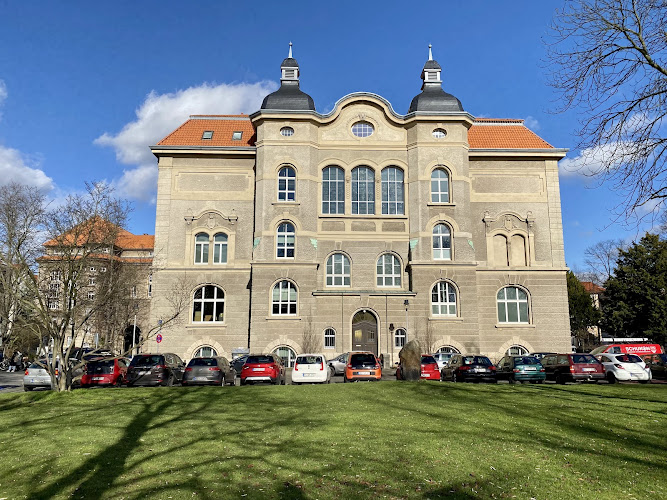
City of Brunswick, Municipal Museum
Kohlmarkt Braunschweig
Find Accommodations Nearby
Recommended Tours & Activities
Visitor Reviews
There are no reviews yet. Be the first one to write one.
Share Your Experience
Have you visited Braunschweiger Löwe? Help other travelers by leaving a review.