
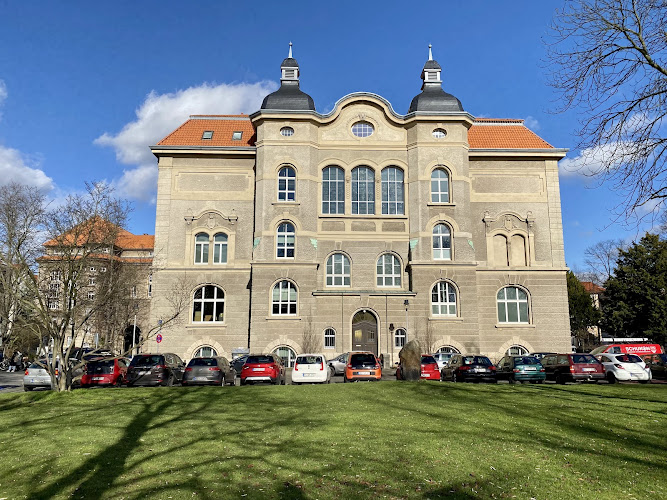
City of Brunswick, Municipal Museum
About City of Brunswick, Municipal Museum
Description
The City of Brunswick Municipal Museum is presented as a thorough, often-underappreciated window into Braunschweig's past — a place where municipal history, regional art and social stories meet in one compact, thoughtful collection. Situated within the city core, the museum focuses on the cultural and civic development of Brunswick (Braunschweig) and the surrounding Lower Saxony region, tracing everything from medieval guild life and castle-era politics to modern urban change. The narrative here is not flashy; it is considered, carefully curated, and frequently surprising for travelers who think they know German history only as castles and kings.
Visitors can expect a mix of historical artifacts, local crafts, paintings and interpretive displays that together tell the lived story of the city. The exhibits emphasize continuity: how medieval trade along the Oker River shaped neighborhoods, how the Brunswick lion and princely dynasties left marks on civic identity, and how art and everyday objects reveal social shifts over centuries. The collection leans into regional relevance — local ceramics, garments, municipal maps, and portraits that make the city's past feel immediate rather than distant. And yes, there are paintings and art objects, but they are shown alongside tools, municipal documents, and objects of daily life to keep the history grounded and human.
Accessibility is treated as an intentional feature rather than an afterthought. The museum provides a wheelchair-accessible entrance, accessible parking, restrooms and seating, plus an assistive hearing loop in some gallery spaces. That combination often makes visits easier for families with strollers, older travelers, and anyone with mobility or hearing considerations. It is the kind of detail that often goes unremarked in guidebooks but that can quietly shape whether a visit is relaxing or stressful. The museum does not have an on-site restaurant, so plan snacks or a café stop before or after the visit; restrooms are available inside.
Families are regularly welcomed. Exhibits include kid-friendly touchpoints and clear, readable labels; staff have been known to recommend short routes through the rooms for younger attention spans. The museum's approach to children is practical: good for curious kids who like objects they can point at, decent for school-age children who enjoy story-driven displays. Expect some interactive elements and a gentle pace that allows a family to see the highlights in under two hours, or linger longer if the little ones are engaged.
What distinguishes this municipal museum from larger, more famous institutions is its municipal focus — the way it brings the ordinary and official into dialogue. Travel writers often chase grander names, but this museum quietly gives context to the rest of Braunschweig: the cathedral, the castle square, the Henry the Lion legacy and the old town fabric start to make more sense after a walk through these rooms. A visit often deepens appreciation for public spaces and monuments around the city because it explains why they exist, who built them, and how they were used.
There are small surprises too. Some visitors find themselves most taken with the municipal archive displays — faded city maps with handwritten notes, seals from guilds and trade associations, and municipal posters that show political life in a way polished portraiture cannot. Others linger at objects of material culture: a well-preserved merchant's ledger, a chimney sweep's toolbox, or a mid-19th-century children’s toy that reveals household life. The variety is the point: the museum treats civic history as a patchwork of lived experience rather than a single heroic narrative.
For travelers who enjoy drawing connections across a city, this museum serves as a kind of primer. It helps explain why certain streets curve as they do, why the Burgplatz has earned its particular place in local memory, and where artistic currents in the city intersected with politics. It does so without heavy-handedness; signage is explanatory, often bilingual in key areas, and the layout usually lets a visitor build their own path through time. This is not an exhaustive imperial collection; it's a civic story told in objects, and for many visitors that human scale is exactly the appeal.
Practical-minded explorers will appreciate the interpretive balance. Long timelines are broken into digestible thematic sections, and the display choices help travel itineraries: short on time? The museum offers a compact route that covers medieval to modern highlights in under an hour. Want to dig deeper? There are extended panels, archival rooms and rotating exhibitions that focus on niche topics like trade networks, municipal governance, or local artists connected to the Anton Ulrich tradition. The museum doesn't shout that it has the largest or oldest collection; instead it offers relevance — objects tied to place and story.
There is a quiet local pride on display. The municipal angle gives the museum an intimate feel: visitors learn about the city's response to wars, to industrialization, to demographic change, and to the everyday governance that shapes life — things that guidebooks occasionally skip. And because municipal museums reflect local voices, attendees often pick up on a few regional quirks: a focus on craftsmanship, an eye for civic ritual, and a steady respect for documentary evidence. It makes a visit feel like a conversation with the city itself.
On the subject of exhibitions, rotating shows keep the experience fresh. Regular temporary exhibitions spotlight topics such as medieval guild arts, municipal posters from the 20th century, or focused stories about local neighborhoods. Those temporary displays are frequently where curators experiment — thematic storytelling, multimedia pieces, and occasionally tactile stations for visitors. For repeat travelers to Braunschweig, a return visit will likely reveal something new each season.
One small anecdote that captures the museum's practical charm: during a midweek visit, the museum staff once helped a traveler interpret an old family name found in a ledger — a little genealogical moment that turned a routine tour into a personal discovery. The staff's willingness to pause and help, even briefly, is emblematic of the municipal museum's character. It’s less about blockbuster artifacts and more about connective moments that help people feel rooted in a place.
From an SEO and traveler-planning perspective, the museum is an intelligent stop for anyone exploring Braunschweig's cultural history. Keyword-friendly highlights are easy to extract: municipal museum Brunswick, museum Braunschweig, history museum, collection, local history, art, Anton Ulrich connections, medieval to modern exhibits, and accessible facilities. Those search terms line up with what travelers tend to look for: meaningful historical context, manageable visit duration, family-friendly content, and accessibility information.
Finally, the museum sits well within a day of exploring the city's other landmarks. Visitors often pair this stop with a walk around the castle square, a look at the cathedral, or time in the old town. The museum enhances the experience of those sites rather than competing with them. In short, for travelers who prefer context with their sightseeing — who like to know the story behind the stones — the City of Brunswick Municipal Museum rewards curiosity with clarity, small discoveries, and a considered view of Braunschweig's civic life.
Key Features
More Details
Updated August 29, 2025
Table of Contents
Description
The City of Brunswick Municipal Museum is presented as a thorough, often-underappreciated window into Braunschweig’s past — a place where municipal history, regional art and social stories meet in one compact, thoughtful collection. Situated within the city core, the museum focuses on the cultural and civic development of Brunswick (Braunschweig) and the surrounding Lower Saxony region, tracing everything from medieval guild life and castle-era politics to modern urban change. The narrative here is not flashy; it is considered, carefully curated, and frequently surprising for travelers who think they know German history only as castles and kings.
Visitors can expect a mix of historical artifacts, local crafts, paintings and interpretive displays that together tell the lived story of the city. The exhibits emphasize continuity: how medieval trade along the Oker River shaped neighborhoods, how the Brunswick lion and princely dynasties left marks on civic identity, and how art and everyday objects reveal social shifts over centuries. The collection leans into regional relevance — local ceramics, garments, municipal maps, and portraits that make the city’s past feel immediate rather than distant. And yes, there are paintings and art objects, but they are shown alongside tools, municipal documents, and objects of daily life to keep the history grounded and human.
Accessibility is treated as an intentional feature rather than an afterthought. The museum provides a wheelchair-accessible entrance, accessible parking, restrooms and seating, plus an assistive hearing loop in some gallery spaces. That combination often makes visits easier for families with strollers, older travelers, and anyone with mobility or hearing considerations. It is the kind of detail that often goes unremarked in guidebooks but that can quietly shape whether a visit is relaxing or stressful. The museum does not have an on-site restaurant, so plan snacks or a café stop before or after the visit; restrooms are available inside.
Families are regularly welcomed. Exhibits include kid-friendly touchpoints and clear, readable labels; staff have been known to recommend short routes through the rooms for younger attention spans. The museum’s approach to children is practical: good for curious kids who like objects they can point at, decent for school-age children who enjoy story-driven displays. Expect some interactive elements and a gentle pace that allows a family to see the highlights in under two hours, or linger longer if the little ones are engaged.
What distinguishes this municipal museum from larger, more famous institutions is its municipal focus — the way it brings the ordinary and official into dialogue. Travel writers often chase grander names, but this museum quietly gives context to the rest of Braunschweig: the cathedral, the castle square, the Henry the Lion legacy and the old town fabric start to make more sense after a walk through these rooms. A visit often deepens appreciation for public spaces and monuments around the city because it explains why they exist, who built them, and how they were used.
There are small surprises too. Some visitors find themselves most taken with the municipal archive displays — faded city maps with handwritten notes, seals from guilds and trade associations, and municipal posters that show political life in a way polished portraiture cannot. Others linger at objects of material culture: a well-preserved merchant’s ledger, a chimney sweep’s toolbox, or a mid-19th-century children’s toy that reveals household life. The variety is the point: the museum treats civic history as a patchwork of lived experience rather than a single heroic narrative.
For travelers who enjoy drawing connections across a city, this museum serves as a kind of primer. It helps explain why certain streets curve as they do, why the Burgplatz has earned its particular place in local memory, and where artistic currents in the city intersected with politics. It does so without heavy-handedness; signage is explanatory, often bilingual in key areas, and the layout usually lets a visitor build their own path through time. This is not an exhaustive imperial collection; it’s a civic story told in objects, and for many visitors that human scale is exactly the appeal.
Practical-minded explorers will appreciate the interpretive balance. Long timelines are broken into digestible thematic sections, and the display choices help travel itineraries: short on time? The museum offers a compact route that covers medieval to modern highlights in under an hour. Want to dig deeper? There are extended panels, archival rooms and rotating exhibitions that focus on niche topics like trade networks, municipal governance, or local artists connected to the Anton Ulrich tradition. The museum doesn’t shout that it has the largest or oldest collection; instead it offers relevance — objects tied to place and story.
There is a quiet local pride on display. The municipal angle gives the museum an intimate feel: visitors learn about the city’s response to wars, to industrialization, to demographic change, and to the everyday governance that shapes life — things that guidebooks occasionally skip. And because municipal museums reflect local voices, attendees often pick up on a few regional quirks: a focus on craftsmanship, an eye for civic ritual, and a steady respect for documentary evidence. It makes a visit feel like a conversation with the city itself.
On the subject of exhibitions, rotating shows keep the experience fresh. Regular temporary exhibitions spotlight topics such as medieval guild arts, municipal posters from the 20th century, or focused stories about local neighborhoods. Those temporary displays are frequently where curators experiment — thematic storytelling, multimedia pieces, and occasionally tactile stations for visitors. For repeat travelers to Braunschweig, a return visit will likely reveal something new each season.
One small anecdote that captures the museum’s practical charm: during a midweek visit, the museum staff once helped a traveler interpret an old family name found in a ledger — a little genealogical moment that turned a routine tour into a personal discovery. The staff’s willingness to pause and help, even briefly, is emblematic of the municipal museum’s character. It’s less about blockbuster artifacts and more about connective moments that help people feel rooted in a place.
From an SEO and traveler-planning perspective, the museum is an intelligent stop for anyone exploring Braunschweig’s cultural history. Keyword-friendly highlights are easy to extract: municipal museum Brunswick, museum Braunschweig, history museum, collection, local history, art, Anton Ulrich connections, medieval to modern exhibits, and accessible facilities. Those search terms line up with what travelers tend to look for: meaningful historical context, manageable visit duration, family-friendly content, and accessibility information.
Finally, the museum sits well within a day of exploring the city’s other landmarks. Visitors often pair this stop with a walk around the castle square, a look at the cathedral, or time in the old town. The museum enhances the experience of those sites rather than competing with them. In short, for travelers who prefer context with their sightseeing — who like to know the story behind the stones — the City of Brunswick Municipal Museum rewards curiosity with clarity, small discoveries, and a considered view of Braunschweig’s civic life.
Key Highlights
City of Brunswick, Municipal Museum
Location
Places to Stay Near City of Brunswick, Municipal Museum
Find and Book a Tour
Explore More Travel Guides
No reviews found! Be the first to review!
Traveler Reviews for City of Brunswick, Municipal Museum
There are no reviews yet. Be the first one to write one.
Have you visited City of Brunswick, Municipal Museum? Help other travelers by sharing your review.
You Might Also Like
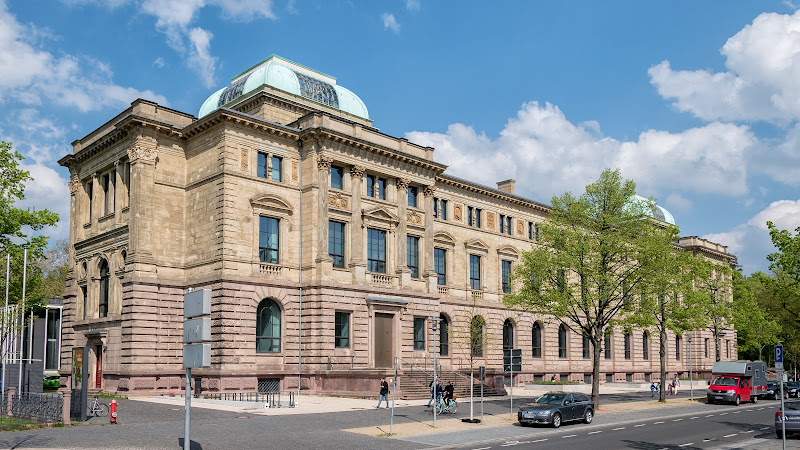
Herzog Anton Ulrich Museum
Braunschweiger Löwe
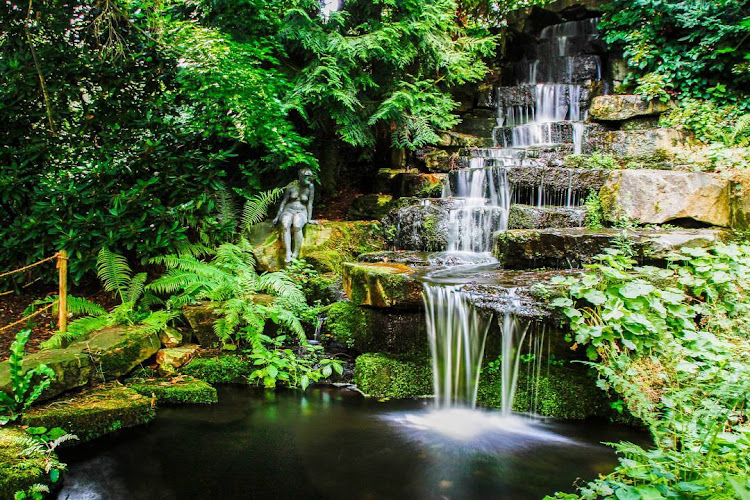
TU Brunswick Botanical Garden
Find Accommodations Nearby
Recommended Tours & Activities
Visitor Reviews
There are no reviews yet. Be the first one to write one.
Share Your Experience
Have you visited City of Brunswick, Municipal Museum? Help other travelers by leaving a review.