
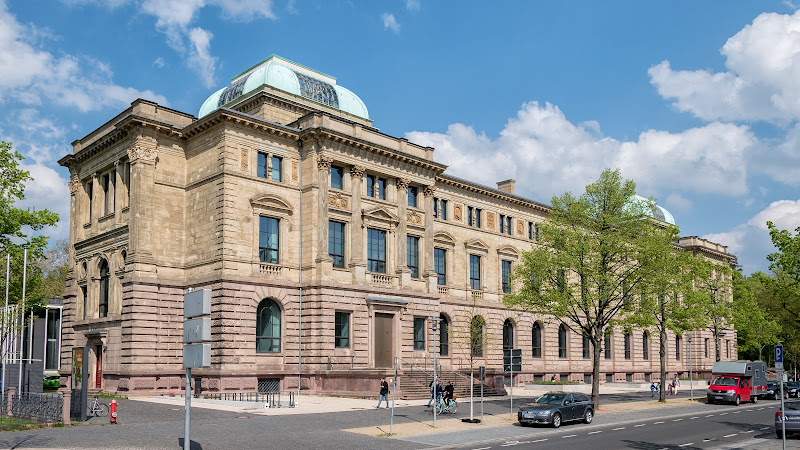
Herzog Anton Ulrich Museum
About Herzog Anton Ulrich Museum
Description
The Herzog Anton Ulrich Museum is a major art museum in Braunschweig that showcases a long, layered story of collecting, taste and European painting. Founded from a ducal collection, the institution houses a wide-ranging art collection that charts art history from medieval religious imagery through Renaissance portraiture to Baroque and Dutch Golden Age painting. Visitors will find works by artists linked with the region and by famous names that tend to make people stop in their tracks: examples of Old Masters, Dutch painting, and selected prints and drawings that reward slow looking.
Its galleries are arranged so that you can follow currents of style across centuries rather than hop randomly between frames. The building itself mixes historical gravity with practical exhibition design; light is managed carefully and national conservation standards are visible in the calm presentation of fragile paintings and prints. Accessibility is a real, built-in feature here: the entrance, parking and restroom facilities are wheelchair accessible, and signage aims to be clear for first-time museum-goers and repeat visitors alike. Free Wi-Fi and an onsite restaurant make it easier to linger, sketch, take notes or recover from a long day of sightseeing.
What makes this museum stand out — and why it often appears on itineraries for art-minded travelers to Lower Saxony — is the sense of depth rather than flash. There are strong holdings of portraiture and religious works, a thoughtful representation of Renaissance and Baroque painting, and interesting surprises tucked away: prints and drawings rooms, small panels that reveal extraordinary technique, and medieval sculpture that rewards a quieter gaze. The presentation does not shout. It invites.
The atmosphere sometimes surprises people who expect theater-style blockbuster displays. Instead, the museum leans toward careful interpretation, conservation-driven displays and rotating thematic exhibitions that dig into single artists or techniques. Families are welcomed with kid-friendly resources and programs, and educators run workshops that make the collection approachable for young visitors. Many travelers appreciate the palpable link to regional history — the museum grew out of ducal tastes and therefore tells stories about the city, its patrons and shifts in artistic priorities across centuries.
On balance, the Herzog Anton Ulrich Museum feels like a place where the collection is the star, not the marketing. That can be refreshing. Occasionally certain galleries feel more crowded during popular temporary shows, and some visitors wish for louder interpretive panels or more interactive tech in places — but those same visitors often come away impressed by the quality of the paintings, the clarity of the installations and the rarity of some works on display. Plan to spend time; this museum rewards slower exploration.
Key Features
- Significant collection of Old Masters spanning medieval art through the Baroque and Renaissance periods
- Notable Dutch and German paintings alongside important prints and drawings collections
- Strong portraiture holdings that illustrate changes in taste and technique over 4–5 centuries
- Accessible facilities throughout: wheelchair accessible entrance, parking and restrooms
- Onsite amenities including a restaurant, restrooms and Wi-Fi for easy planning and comfort
- Family-friendly exhibits and programs; good for kids with tailored activities and workshops
- Rotating special exhibitions and thematic displays that highlight conservation and research
- Quiet rooms for close-looking; works displayed with attention to light and preservation
- Curatorial focus on European painting with highlights from Renaissance masters to Baroque giants
Best Time to Visit
Timing can make a big difference. Weekday mornings — right when the doors open — are typically the calmest. If a traveler wants to study paintings up close, early weekday visits reduce the chance of elbow-to-elbow viewing and allow better photos (subject to the museum's photography rules). Late afternoons on weekdays can be pleasant too; crowds thin as local workers head home and the light through certain gallery windows softens.
Peak season is late spring to early fall, when Braunschweig gets more visitors and special exhibitions attract day-trippers from nearby cities. During this period, book timed-entry tickets if the museum is offering them and arrive early. Special exhibition openings and weekends naturally draw larger crowds; that’s when the museum hums with energy and extra programming, but it is less ideal for quiet connoisseurship.
For those chasing very specific works or research questions, check the museum's exhibition calendar before traveling. Conservators sometimes rotate delicate objects out for study, and the best time to see certain print rooms or fragile panels might be determined by conservation schedules. If you enjoy pairing museum visits with a relaxed city walk, autumn light and fewer tourists in the streets of Braunschweig make late September to November especially nice.
How to Get There
The Herzog Anton Ulrich Museum sits within the cultural fabric of Braunschweig and is convenient from the city center. From the main transport hubs, a short tram or bus ride — followed by a few minutes on foot — will usually do it. Many visitors choose to walk from central squares and nearby historic sites, making it easy to pair a museum visit with other attractions in the city.
Driving is an option for those coming from further afield. There is accessible parking available near the museum, which is a relief if someone is traveling with family or mobility needs. For travelers relying on public transit, check local tram and bus timetables the day before; services are regular and the museum is well-served by Braunschweig’s network. Taxis and ride-hailing services are also common and provide a direct route after a train arrival or for those who prefer door-to-door convenience.
Most guidebooks recommend combining the museum with a stroll through Braunschweig’s historic areas. That makes travel time feel less like logistics and more like part of the day’s itinerary. Pack comfortable shoes, because even the short walk from public transport often reveals architectural and urban snapshots worth a few stops along the way.
Tips for Visiting
Plan ahead but leave room for serendipity. The rotating exhibitions are often the most memorable part of a visit, but sometimes the quiet galleries and lesser-known prints reveal more than the marquee works. Here are practical tips gleaned from frequent visitors and local guides.
- Allow at least 90 to 120 minutes for a relaxed visit. Art lovers might easily double that if they read all labels and linger in drawings and print rooms.
- Check the exhibition schedule in advance. Temporary shows can completely change which galleries are open or which masterpieces are featured.
- Photography rules can vary. Non-flash photography is often allowed in permanent galleries but confirm onsite; flash and tripods are usually prohibited to protect works.
- Bring layers. Gallery temperatures are kept steady for conservation, which can feel cool. A light scarf or sweater is handy and also useful when sitting for a longer look.
- Use the restaurant to break up a long visit. It’s a convenient place to digest what you’ve seen and plan the next stop in Braunschweig’s city center.
- Make time for prints and drawings. These are quieter, often overlooked rooms where brushwork and technique become delightfully visible.
- Visit with kids in mind. The museum is child-friendly with resources to help younger visitors engage. Ask at the desk about family trails or hands-on sessions when available.
- Ask for tips at the information desk. Local staff know which rooms are least crowded, where to find conservation displays or which temporary displays are must-see.
- Head for the less obvious gems. Portraits and small-format works might not dominate postcards but often hold fascinating stories about donors, local history and changing fashions.
- Respect quiet spaces. Conservation requires calm; voices are best kept low, and backpacks should be left in coatrooms when possible to prevent accidental contact with exhibits.
The museum rewards curiosity. The guidebooks will point out the headliners, yes, but real pleasures often come from lingering by a small Flemish panel, tracing an old engraving, or discovering the idiosyncratic taste of a historical collector. A regular visitor once joked that the best way to experience the museum is to forget the checklist and follow a color or a face that catches the eye — and they were right more often than not.
Finally, travel light and give yourself time. The Herzog Anton Ulrich Museum is not a quick photo-op; it’s a place where patient looking pays off. Whether traveling with family, on a day trip from a nearby city, or building a slower, research-focused itinerary around European collections, the museum offers a measured, thoughtfully presented encounter with painting, prints and the long story of collecting in Braunschweig.
Key Features
- Significant collection of Old Masters spanning medieval art through the Baroque and Renaissance periods
- Notable Dutch and German paintings alongside important prints and drawings collections
- Strong portraiture holdings that illustrate changes in taste and technique over 4–5 centuries
- Accessible facilities throughout: wheelchair accessible entrance, parking and restrooms
- Onsite amenities including a restaurant, restrooms and Wi-Fi for easy planning and comfort
- Family-friendly exhibits and programs; good for kids with tailored activities and workshops
- Rotating special exhibitions and thematic displays that highlight conservation and research
- Quiet rooms for close-looking; works displayed with attention to light and preservation
More Details
Updated August 29, 2025
Table of Contents
Description
The Herzog Anton Ulrich Museum is a major art museum in Braunschweig that showcases a long, layered story of collecting, taste and European painting. Founded from a ducal collection, the institution houses a wide-ranging art collection that charts art history from medieval religious imagery through Renaissance portraiture to Baroque and Dutch Golden Age painting. Visitors will find works by artists linked with the region and by famous names that tend to make people stop in their tracks: examples of Old Masters, Dutch painting, and selected prints and drawings that reward slow looking.
Its galleries are arranged so that you can follow currents of style across centuries rather than hop randomly between frames. The building itself mixes historical gravity with practical exhibition design; light is managed carefully and national conservation standards are visible in the calm presentation of fragile paintings and prints. Accessibility is a real, built-in feature here: the entrance, parking and restroom facilities are wheelchair accessible, and signage aims to be clear for first-time museum-goers and repeat visitors alike. Free Wi-Fi and an onsite restaurant make it easier to linger, sketch, take notes or recover from a long day of sightseeing.
What makes this museum stand out — and why it often appears on itineraries for art-minded travelers to Lower Saxony — is the sense of depth rather than flash. There are strong holdings of portraiture and religious works, a thoughtful representation of Renaissance and Baroque painting, and interesting surprises tucked away: prints and drawings rooms, small panels that reveal extraordinary technique, and medieval sculpture that rewards a quieter gaze. The presentation does not shout. It invites.
The atmosphere sometimes surprises people who expect theater-style blockbuster displays. Instead, the museum leans toward careful interpretation, conservation-driven displays and rotating thematic exhibitions that dig into single artists or techniques. Families are welcomed with kid-friendly resources and programs, and educators run workshops that make the collection approachable for young visitors. Many travelers appreciate the palpable link to regional history — the museum grew out of ducal tastes and therefore tells stories about the city, its patrons and shifts in artistic priorities across centuries.
On balance, the Herzog Anton Ulrich Museum feels like a place where the collection is the star, not the marketing. That can be refreshing. Occasionally certain galleries feel more crowded during popular temporary shows, and some visitors wish for louder interpretive panels or more interactive tech in places — but those same visitors often come away impressed by the quality of the paintings, the clarity of the installations and the rarity of some works on display. Plan to spend time; this museum rewards slower exploration.
Key Features
- Significant collection of Old Masters spanning medieval art through the Baroque and Renaissance periods
- Notable Dutch and German paintings alongside important prints and drawings collections
- Strong portraiture holdings that illustrate changes in taste and technique over 4–5 centuries
- Accessible facilities throughout: wheelchair accessible entrance, parking and restrooms
- Onsite amenities including a restaurant, restrooms and Wi-Fi for easy planning and comfort
- Family-friendly exhibits and programs; good for kids with tailored activities and workshops
- Rotating special exhibitions and thematic displays that highlight conservation and research
- Quiet rooms for close-looking; works displayed with attention to light and preservation
- Curatorial focus on European painting with highlights from Renaissance masters to Baroque giants
Best Time to Visit
Timing can make a big difference. Weekday mornings — right when the doors open — are typically the calmest. If a traveler wants to study paintings up close, early weekday visits reduce the chance of elbow-to-elbow viewing and allow better photos (subject to the museum’s photography rules). Late afternoons on weekdays can be pleasant too; crowds thin as local workers head home and the light through certain gallery windows softens.
Peak season is late spring to early fall, when Braunschweig gets more visitors and special exhibitions attract day-trippers from nearby cities. During this period, book timed-entry tickets if the museum is offering them and arrive early. Special exhibition openings and weekends naturally draw larger crowds; that’s when the museum hums with energy and extra programming, but it is less ideal for quiet connoisseurship.
For those chasing very specific works or research questions, check the museum’s exhibition calendar before traveling. Conservators sometimes rotate delicate objects out for study, and the best time to see certain print rooms or fragile panels might be determined by conservation schedules. If you enjoy pairing museum visits with a relaxed city walk, autumn light and fewer tourists in the streets of Braunschweig make late September to November especially nice.
How to Get There
The Herzog Anton Ulrich Museum sits within the cultural fabric of Braunschweig and is convenient from the city center. From the main transport hubs, a short tram or bus ride — followed by a few minutes on foot — will usually do it. Many visitors choose to walk from central squares and nearby historic sites, making it easy to pair a museum visit with other attractions in the city.
Driving is an option for those coming from further afield. There is accessible parking available near the museum, which is a relief if someone is traveling with family or mobility needs. For travelers relying on public transit, check local tram and bus timetables the day before; services are regular and the museum is well-served by Braunschweig’s network. Taxis and ride-hailing services are also common and provide a direct route after a train arrival or for those who prefer door-to-door convenience.
Most guidebooks recommend combining the museum with a stroll through Braunschweig’s historic areas. That makes travel time feel less like logistics and more like part of the day’s itinerary. Pack comfortable shoes, because even the short walk from public transport often reveals architectural and urban snapshots worth a few stops along the way.
Tips for Visiting
Plan ahead but leave room for serendipity. The rotating exhibitions are often the most memorable part of a visit, but sometimes the quiet galleries and lesser-known prints reveal more than the marquee works. Here are practical tips gleaned from frequent visitors and local guides.
- Allow at least 90 to 120 minutes for a relaxed visit. Art lovers might easily double that if they read all labels and linger in drawings and print rooms.
- Check the exhibition schedule in advance. Temporary shows can completely change which galleries are open or which masterpieces are featured.
- Photography rules can vary. Non-flash photography is often allowed in permanent galleries but confirm onsite; flash and tripods are usually prohibited to protect works.
- Bring layers. Gallery temperatures are kept steady for conservation, which can feel cool. A light scarf or sweater is handy and also useful when sitting for a longer look.
- Use the restaurant to break up a long visit. It’s a convenient place to digest what you’ve seen and plan the next stop in Braunschweig’s city center.
- Make time for prints and drawings. These are quieter, often overlooked rooms where brushwork and technique become delightfully visible.
- Visit with kids in mind. The museum is child-friendly with resources to help younger visitors engage. Ask at the desk about family trails or hands-on sessions when available.
- Ask for tips at the information desk. Local staff know which rooms are least crowded, where to find conservation displays or which temporary displays are must-see.
- Head for the less obvious gems. Portraits and small-format works might not dominate postcards but often hold fascinating stories about donors, local history and changing fashions.
- Respect quiet spaces. Conservation requires calm; voices are best kept low, and backpacks should be left in coatrooms when possible to prevent accidental contact with exhibits.
The museum rewards curiosity. The guidebooks will point out the headliners, yes, but real pleasures often come from lingering by a small Flemish panel, tracing an old engraving, or discovering the idiosyncratic taste of a historical collector. A regular visitor once joked that the best way to experience the museum is to forget the checklist and follow a color or a face that catches the eye — and they were right more often than not.
Finally, travel light and give yourself time. The Herzog Anton Ulrich Museum is not a quick photo-op; it’s a place where patient looking pays off. Whether traveling with family, on a day trip from a nearby city, or building a slower, research-focused itinerary around European collections, the museum offers a measured, thoughtfully presented encounter with painting, prints and the long story of collecting in Braunschweig.
Key Highlights
- Significant collection of Old Masters spanning medieval art through the Baroque and Renaissance periods
- Notable Dutch and German paintings alongside important prints and drawings collections
- Strong portraiture holdings that illustrate changes in taste and technique over 4–5 centuries
- Accessible facilities throughout: wheelchair accessible entrance, parking and restrooms
- Onsite amenities including a restaurant, restrooms and Wi-Fi for easy planning and comfort
- Family-friendly exhibits and programs; good for kids with tailored activities and workshops
- Rotating special exhibitions and thematic displays that highlight conservation and research
- Quiet rooms for close-looking; works displayed with attention to light and preservation
Location
Places to Stay Near Herzog Anton Ulrich Museum
Find and Book a Tour
Explore More Travel Guides
No reviews found! Be the first to review!
Traveler Reviews for Herzog Anton Ulrich Museum
There are no reviews yet. Be the first one to write one.
Have you visited Herzog Anton Ulrich Museum? Help other travelers by sharing your review.
You Might Also Like
Heinrichsbrunnen
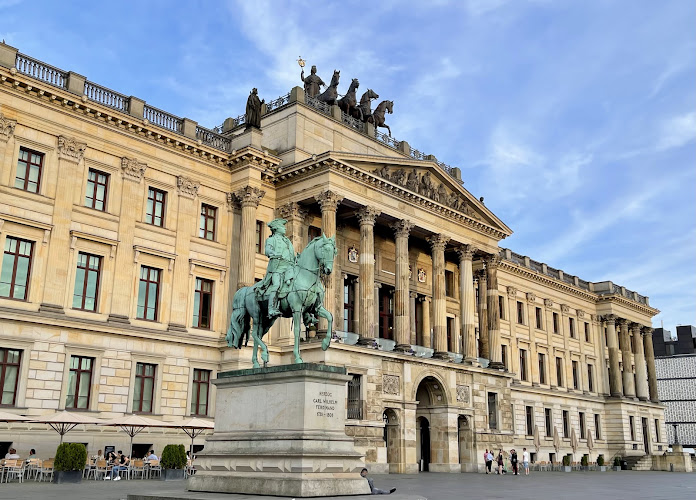
Schlossmuseum Braunschweig
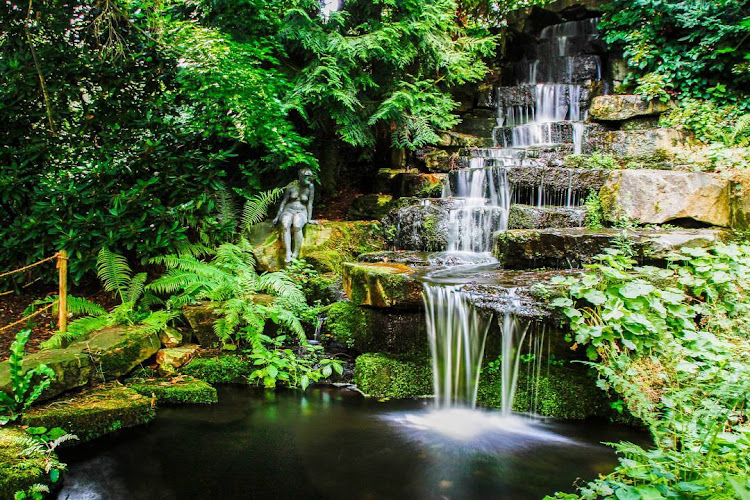
TU Brunswick Botanical Garden
Find Accommodations Nearby
Recommended Tours & Activities
Visitor Reviews
There are no reviews yet. Be the first one to write one.
Share Your Experience
Have you visited Herzog Anton Ulrich Museum? Help other travelers by leaving a review.