

Cultural Afro Brazilian Museum
About Cultural Afro Brazilian Museum
Description
The Cultural Afro Brazilian Museum in Salvador sits as a focused and compelling repository of Afro-Brazilian art, religion, and everyday objects. Visitors will find wood sculptures, richly patterned textiles, ritual objects and photographs that trace the threads between West African traditions and Bahia's contemporary culture. More than a static gallery, the museum brings music, dance and oral histories into the conversation; live performances are a part of the programming and help explain practices like Candomblé, capoeira and the musical forms that shaped Bahian identity.
Located in the historic center of Salvador, the museum is often part of a walking loop through Pelourinho — streets lined with colonial architecture, street food stalls and small craft shops. The galleries are compact and thoughtfully arranged, so the experience is intimate rather than sprawling. That intimacy is a strength: one can get close to carved figures, read label text without shouting over a crowd, and often chat with staff or local guides who bring context to objects that might otherwise feel abstract.
Visitors should expect an immersive cultural lesson that balances aesthetics and anthropology. Exhibits highlight not only religious artifacts but also domestic objects and clothing that reveal social life in Bahia across centuries. The museum’s displays are curated to provoke curiosity — and to remind people that Afro-Brazilian culture is not an artifact trapped in the past but a living set of practices and expressions that continue to evolve. That sense of continuity is what many travelers leave remembering most.
Practical realities: the museum offers on-site food options including a cafe and restaurant area, gender-neutral restrooms, and wheelchair-accessible entrances and bathrooms. It aims to be welcoming: families, LGBTQ+ travelers and children are commonly mentioned as feeling comfortable here. That said, the layout can be tight during performance nights, and some visitors who expect large national-museum scale may feel the space is modest. Still, modest can be powerful — and the energy of a live drumming session or a short storytelling performance often makes the visit feel far larger than the square meters suggest.
Key Features
- Focused collections of wood sculptures, ritual objects and Afro-Brazilian textiles that illustrate spiritual and daily life
- Regular live performances showcasing drumming, dance and capoeira demonstrations
- Small, interpretive exhibits designed to educate about Candomblé, African heritage in Bahia and artistic traditions
- Accessible entrance and restroom facilities for visitors with mobility needs
- On-site cafe and restaurant for a convenient break between galleries
- Gender-neutral restroom available
- Family- and kid-friendly displays with approachable explanations; good for curious young minds
- Welcoming environment for LGBTQ+ and transgender visitors, with staff that generally foster respect and safety
- Situated in the historic center, making it easy to combine with Pelourinho sightseeing, local street food and craft markets
- Options for free and paid street parking nearby, though availability varies by time and day
Best Time to Visit
The smartest time to visit is mid-morning on a weekday, when the museum tends to be quieter and one can read the labels without jostling. Late afternoons and early evenings are prime for catching live performances; local schedules often put drumming or dance demonstrations around 4pm–7pm, especially on weekends. If a traveler’s schedule is flexible, aiming for a weekday performance gives the best mix of audience size and atmosphere.
Festival season in Salvador — Carnival and religious festivals associated with Candomblé or Catholic processions — will change the rhythm of the city and often bring special programming to the museum. That can be magical, but also busier, louder, and harder to navigate with children or mobility needs. For a balance between ceremony and comfort, the shoulder months outside peak tourist weeks usually provide the richest experience without the crush.
Weather matters a bit. Salvador’s tropical climate means hot, humid afternoons; mornings are cooler and easier for walking the cobbled streets of the historic center. And if rain shows up (it will, sometimes), the museum is a great rainy-day option — indoor cultural immersion beats soggy sightseeing any day.
How to Get There
Getting to the Cultural Afro Brazilian Museum is straightforward for anyone exploring Salvador’s historic core. Many visitors walk from nearby Pelourinho landmarks. Public transportation and local taxis ride frequently to the center; ride-hailing apps work well in the city for door-to-door convenience. For those driving, street parking options include both free and paid alternatives, but space is limited during busy hours — allow extra time to find a spot.
Walking is often the best mode once in the old town: the area is compact, and foot travel allows one to enjoy the colorful facades, spontaneous music sessions, and street vendors selling acarajé and other Bahian treats. But keep in mind cobblestones and uneven surfaces; the museum has an accessible entrance, but parts of the surrounding neighborhood are less friendly to wheelchairs and strollers. If mobility is a concern, plan a route with a taxi drop-off as close as possible to the museum’s entrance.
Guided walking tours of Pelourinho frequently include this museum as a stop. That can be efficient if a traveler wants historical context from a local guide and prefers to bundle several sites into one outing. For independent travelers, allow 60–90 minutes for a thoughtful visit: that gives time to see exhibits, enjoy a short performance if scheduled, and sit in the cafe without rushing.
Tips for Visiting
Plan ahead but stay open to surprises. The museum’s program often features live performances that may not be listed far in advance; ask at the front desk or check the day’s schedule upon arrival. These performances are one of the museum’s strongest draws — a short drumming circle or capoeira demo can transform a quiet exhibit into a sensory-rich experience.
Photography policies can vary by object and by room. Many visitors are allowed to take non-flash photos, but some ritual items may be restricted. A quick polite question to staff avoids awkward stops and keeps respect for objects that are still used ceremonially. It’s a small courtesy, and it goes a long way in places where cultural items carry spiritual importance.
Comfortable shoes are essential. The museum itself is easy to walk through, but surrounding streets are cobbled and sometimes steep. Carry a small bottle of water, especially in warmer months — there’s a cafe, yes, but being hydrated makes for a better visit.
Language: Portuguese is the local language and most labels are in Portuguese; however, staff frequently speak enough English or Spanish to help international visitors. If deeper context is desired, consider hiring a bilingual guide or joining a guided tour in advance. A plain-pocket notebook or phone notes can help visitors jot down artist names or performance terms to explore later.
Respectful curiosity matters. Many exhibits relate to religious practices that continue in Bahia today. Treat displays with the same respect as a sacred site. For parents, it’s a great opportunity to explain cultural practices and history to children in a sensitive way — the museum is, after all, described as good for kids for this reason.
Timing and crowds: try to avoid peak tourist hours if one prefers solitude. If a more social, lively atmosphere is desired, arrive during performance times or weekend afternoons. Either way, arriving early in the day typically gives the best photography light and fewer interruptions when reading captions.
Combine the visit. The museum sits in a walkable cultural district. After a visit, one can stroll through nearby squares, sample Bahian cuisine (acharajé still recommended by aficionados), and explore local craft markets. A short detour to nearby viewpoints or churches adds historical layers to what is learned inside the museum. Many travelers report that pairing the museum with a cooking demo or music workshop that same afternoon creates a fuller picture of Bahian culture.
Accessibility notes worth repeating: there is a wheelchair-accessible entrance and restroom, but the surrounding historic streets may present challenges. There is no assistive hearing loop and accessible seating in performance spaces is limited, so those with specific accessibility needs should contact the museum in advance to confirm accommodations.
One last human note because it matters: many who visit end up surprised by the emotional pull of the place. The objects are not always rare antiques with gleaming glass cases; often they are humble, worn, used — and that lived quality can hit harder than pristine art in a sterile hall. A frequent visitor once mentioned leaving the museum with the rhythm of a drum in their head for days. That memory, not a postcard, tends to stick.
Key Features
- Focused collections of wood sculptures, ritual objects and Afro-Brazilian textiles that illustrate spiritual and daily life
- Regular live performances showcasing drumming, dance and capoeira demonstrations
- Small, interpretive exhibits designed to educate about Candomblé, African heritage in Bahia and artistic traditions
- Accessible entrance and restroom facilities for visitors with mobility needs
- On-site cafe and restaurant for a convenient break between galleries
- Gender-neutral restroom available
- Family- and kid-friendly displays with approachable explanations; good for curious young minds
- Welcoming environment for LGBTQ+ and transgender visitors, with staff that generally foster respect and safety
More Details
Updated August 29, 2025
Table of Contents
Description
The Cultural Afro Brazilian Museum in Salvador sits as a focused and compelling repository of Afro-Brazilian art, religion, and everyday objects. Visitors will find wood sculptures, richly patterned textiles, ritual objects and photographs that trace the threads between West African traditions and Bahia’s contemporary culture. More than a static gallery, the museum brings music, dance and oral histories into the conversation; live performances are a part of the programming and help explain practices like Candomblé, capoeira and the musical forms that shaped Bahian identity.
Located in the historic center of Salvador, the museum is often part of a walking loop through Pelourinho — streets lined with colonial architecture, street food stalls and small craft shops. The galleries are compact and thoughtfully arranged, so the experience is intimate rather than sprawling. That intimacy is a strength: one can get close to carved figures, read label text without shouting over a crowd, and often chat with staff or local guides who bring context to objects that might otherwise feel abstract.
Visitors should expect an immersive cultural lesson that balances aesthetics and anthropology. Exhibits highlight not only religious artifacts but also domestic objects and clothing that reveal social life in Bahia across centuries. The museum’s displays are curated to provoke curiosity — and to remind people that Afro-Brazilian culture is not an artifact trapped in the past but a living set of practices and expressions that continue to evolve. That sense of continuity is what many travelers leave remembering most.
Practical realities: the museum offers on-site food options including a cafe and restaurant area, gender-neutral restrooms, and wheelchair-accessible entrances and bathrooms. It aims to be welcoming: families, LGBTQ+ travelers and children are commonly mentioned as feeling comfortable here. That said, the layout can be tight during performance nights, and some visitors who expect large national-museum scale may feel the space is modest. Still, modest can be powerful — and the energy of a live drumming session or a short storytelling performance often makes the visit feel far larger than the square meters suggest.
Key Features
- Focused collections of wood sculptures, ritual objects and Afro-Brazilian textiles that illustrate spiritual and daily life
- Regular live performances showcasing drumming, dance and capoeira demonstrations
- Small, interpretive exhibits designed to educate about Candomblé, African heritage in Bahia and artistic traditions
- Accessible entrance and restroom facilities for visitors with mobility needs
- On-site cafe and restaurant for a convenient break between galleries
- Gender-neutral restroom available
- Family- and kid-friendly displays with approachable explanations; good for curious young minds
- Welcoming environment for LGBTQ+ and transgender visitors, with staff that generally foster respect and safety
- Situated in the historic center, making it easy to combine with Pelourinho sightseeing, local street food and craft markets
- Options for free and paid street parking nearby, though availability varies by time and day
Best Time to Visit
The smartest time to visit is mid-morning on a weekday, when the museum tends to be quieter and one can read the labels without jostling. Late afternoons and early evenings are prime for catching live performances; local schedules often put drumming or dance demonstrations around 4pm–7pm, especially on weekends. If a traveler’s schedule is flexible, aiming for a weekday performance gives the best mix of audience size and atmosphere.
Festival season in Salvador — Carnival and religious festivals associated with Candomblé or Catholic processions — will change the rhythm of the city and often bring special programming to the museum. That can be magical, but also busier, louder, and harder to navigate with children or mobility needs. For a balance between ceremony and comfort, the shoulder months outside peak tourist weeks usually provide the richest experience without the crush.
Weather matters a bit. Salvador’s tropical climate means hot, humid afternoons; mornings are cooler and easier for walking the cobbled streets of the historic center. And if rain shows up (it will, sometimes), the museum is a great rainy-day option — indoor cultural immersion beats soggy sightseeing any day.
How to Get There
Getting to the Cultural Afro Brazilian Museum is straightforward for anyone exploring Salvador’s historic core. Many visitors walk from nearby Pelourinho landmarks. Public transportation and local taxis ride frequently to the center; ride-hailing apps work well in the city for door-to-door convenience. For those driving, street parking options include both free and paid alternatives, but space is limited during busy hours — allow extra time to find a spot.
Walking is often the best mode once in the old town: the area is compact, and foot travel allows one to enjoy the colorful facades, spontaneous music sessions, and street vendors selling acarajé and other Bahian treats. But keep in mind cobblestones and uneven surfaces; the museum has an accessible entrance, but parts of the surrounding neighborhood are less friendly to wheelchairs and strollers. If mobility is a concern, plan a route with a taxi drop-off as close as possible to the museum’s entrance.
Guided walking tours of Pelourinho frequently include this museum as a stop. That can be efficient if a traveler wants historical context from a local guide and prefers to bundle several sites into one outing. For independent travelers, allow 60–90 minutes for a thoughtful visit: that gives time to see exhibits, enjoy a short performance if scheduled, and sit in the cafe without rushing.
Tips for Visiting
Plan ahead but stay open to surprises. The museum’s program often features live performances that may not be listed far in advance; ask at the front desk or check the day’s schedule upon arrival. These performances are one of the museum’s strongest draws — a short drumming circle or capoeira demo can transform a quiet exhibit into a sensory-rich experience.
Photography policies can vary by object and by room. Many visitors are allowed to take non-flash photos, but some ritual items may be restricted. A quick polite question to staff avoids awkward stops and keeps respect for objects that are still used ceremonially. It’s a small courtesy, and it goes a long way in places where cultural items carry spiritual importance.
Comfortable shoes are essential. The museum itself is easy to walk through, but surrounding streets are cobbled and sometimes steep. Carry a small bottle of water, especially in warmer months — there’s a cafe, yes, but being hydrated makes for a better visit.
Language: Portuguese is the local language and most labels are in Portuguese; however, staff frequently speak enough English or Spanish to help international visitors. If deeper context is desired, consider hiring a bilingual guide or joining a guided tour in advance. A plain-pocket notebook or phone notes can help visitors jot down artist names or performance terms to explore later.
Respectful curiosity matters. Many exhibits relate to religious practices that continue in Bahia today. Treat displays with the same respect as a sacred site. For parents, it’s a great opportunity to explain cultural practices and history to children in a sensitive way — the museum is, after all, described as good for kids for this reason.
Timing and crowds: try to avoid peak tourist hours if one prefers solitude. If a more social, lively atmosphere is desired, arrive during performance times or weekend afternoons. Either way, arriving early in the day typically gives the best photography light and fewer interruptions when reading captions.
Combine the visit. The museum sits in a walkable cultural district. After a visit, one can stroll through nearby squares, sample Bahian cuisine (acharajé still recommended by aficionados), and explore local craft markets. A short detour to nearby viewpoints or churches adds historical layers to what is learned inside the museum. Many travelers report that pairing the museum with a cooking demo or music workshop that same afternoon creates a fuller picture of Bahian culture.
Accessibility notes worth repeating: there is a wheelchair-accessible entrance and restroom, but the surrounding historic streets may present challenges. There is no assistive hearing loop and accessible seating in performance spaces is limited, so those with specific accessibility needs should contact the museum in advance to confirm accommodations.
One last human note because it matters: many who visit end up surprised by the emotional pull of the place. The objects are not always rare antiques with gleaming glass cases; often they are humble, worn, used — and that lived quality can hit harder than pristine art in a sterile hall. A frequent visitor once mentioned leaving the museum with the rhythm of a drum in their head for days. That memory, not a postcard, tends to stick.
Key Highlights
- Focused collections of wood sculptures, ritual objects and Afro-Brazilian textiles that illustrate spiritual and daily life
- Regular live performances showcasing drumming, dance and capoeira demonstrations
- Small, interpretive exhibits designed to educate about Candomblé, African heritage in Bahia and artistic traditions
- Accessible entrance and restroom facilities for visitors with mobility needs
- On-site cafe and restaurant for a convenient break between galleries
- Gender-neutral restroom available
- Family- and kid-friendly displays with approachable explanations; good for curious young minds
- Welcoming environment for LGBTQ+ and transgender visitors, with staff that generally foster respect and safety
Location
Places to Stay Near Cultural Afro Brazilian Museum
Find and Book a Tour
Explore More Travel Guides
No reviews found! Be the first to review!
Traveler Reviews for Cultural Afro Brazilian Museum
There are no reviews yet. Be the first one to write one.
Have you visited Cultural Afro Brazilian Museum? Help other travelers by sharing your review.
You Might Also Like
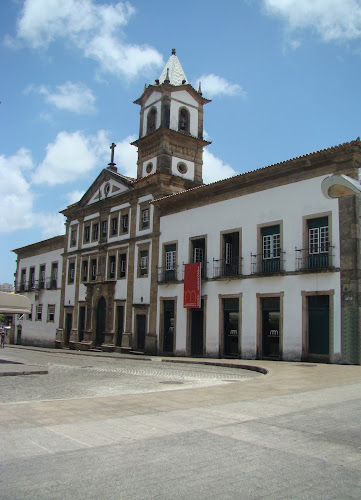
Museum of Mercy
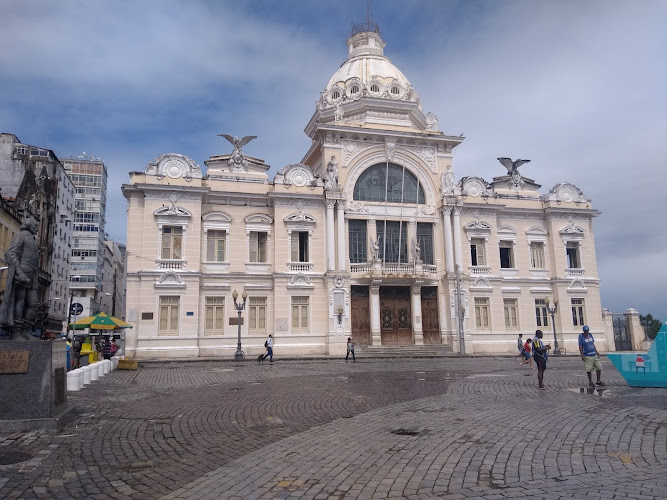
Rio Branco Palace
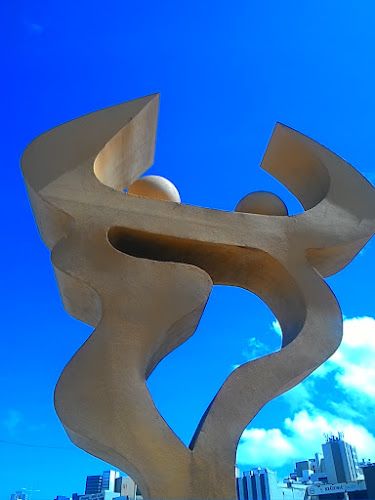
Jardim dos Namorados
Find Accommodations Nearby
Recommended Tours & Activities
Visitor Reviews
There are no reviews yet. Be the first one to write one.
Share Your Experience
Have you visited Cultural Afro Brazilian Museum? Help other travelers by leaving a review.