
Saishōinokunoin Temple
About Saishōinokunoin Temple
Description
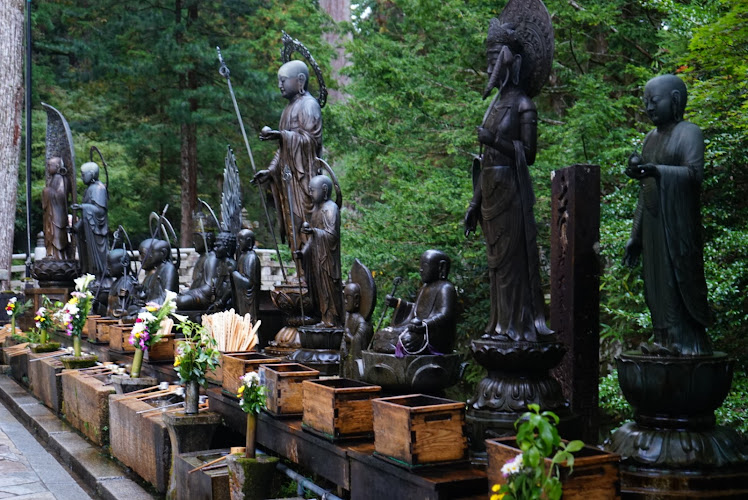
Saishōinokunoin Temple is one of those places in Kyoto that quietly hums with stories, history, and a kind of peace that’s hard to find in the city’s busier corners. Tucked within the Nanzen-ji temple complex, it’s a sub-temple that doesn’t scream for attention but gently invites you in. It’s the kind of place where you hear the rustle of leaves louder than the chatter of tourists. I remember walking through its gates one early morning—the air was cool, the moss damp, and the faint sound of water trickling nearby made everything feel slower, softer.
Unlike the grand temples that draw huge crowds, Saishōinokunoin feels intimate. There’s a certain charm in its simplicity—the wooden halls, the faint scent of incense, and the quiet presence of monks moving about their daily rituals. It’s not just another stop on a Kyoto itinerary; it’s a space that encourages reflection. You can almost feel the centuries of devotion soaked into the old beams and stone steps. And if you’re into Buddhist history, this temple has layers of it—it’s dedicated to Koma Dōchi, a priest from the Kamakura period, whose teachings still echo in the temple’s practices today.
What really sets this temple apart, though, is its connection to nature. The gardens feel alive, not in a manicured way but in a natural, breathing sort of way. There’s even a small waterfall area used for meditation—yes, actual waterfall meditation. It’s not for everyone (standing under cold mountain water while meditating takes some serious resolve), but it’s a fascinating glimpse into the spiritual discipline practiced here. Watching it, I couldn’t help but admire the dedication. There’s something deeply grounding about seeing people seek stillness in such a raw, physical way.
Saishōinokunoin isn’t flashy, and that’s exactly its magic. It’s a place for travelers who crave authenticity over spectacle. You’ll find beauty in the worn wood, the uneven stones, and the way sunlight filters through the temple’s old trees. It’s a reminder that Kyoto’s spiritual heart beats not just in its famous landmarks but in its quieter corners too.
Key Features
- Historic Sub-Temple: Saishōinokunoin is part of the Nanzen-ji complex, one of Kyoto’s most important Zen temple networks, with deep historical roots dating back to the Kamakura period.
- Waterfall Meditation: A rare and powerful practice still performed here, where monks and practitioners meditate beneath a cascading waterfall to purify the mind and body.
- Traditional Architecture: Wooden structures showcasing classic Japanese craftsmanship, with intricate details that reflect centuries of Buddhist artistry.
- Serene Garden: Lush greenery, moss-covered stones, and a natural flow of water create a tranquil environment perfect for quiet contemplation or photography.
- Spiritual Atmosphere: The temple maintains a calm and meditative environment, offering visitors a genuine sense of peace away from the crowds.
- Restroom Facilities: Convenient amenities are available for visitors, though accessibility for wheelchairs is limited due to the temple’s traditional structure and terrain.
Best Time to Visit
Honestly, every season brings something unique to Saishōinokunoin. In spring, the cherry blossoms peek through the temple gates, soft petals scattered across the stone pathways. It’s breathtaking, but not in the overwhelming, tourist-packed way you might find elsewhere in Kyoto. Summer has its own rhythm—the sound of cicadas, the shimmer of sunlight on the temple’s pond, and the refreshing coolness of the shaded walkways. If you can handle the humidity, it’s worth it.
Autumn, though, might just be the crown jewel. The maples around the temple explode into shades of crimson and gold, making it feel like you’ve stepped into a painting. I once visited in late November, and I swear the colors were so vivid they looked unreal. Winter, on the other hand, brings a hushed stillness. The temple dusted with snow is a sight that feels almost sacred. Fewer visitors, quieter moments—it’s the perfect time if you’re chasing solitude.
For photographers or those looking for a peaceful experience, early mornings or late afternoons are ideal. The soft light and the echo of temple bells create a mood you’ll remember long after you leave.
How to Get There
Getting to Saishōinokunoin is fairly straightforward if you’re already exploring Kyoto. The temple sits within the Nanzen-ji complex, located in the eastern part of the city, near the Higashiyama area. If you’re using public transport, the Keage Station on the Tozai Subway Line is your best bet—it’s about a 10-minute walk from there. The stroll itself is part of the experience; you’ll pass through quiet streets, small tea houses, and maybe even catch a glimpse of locals tending their gardens.
For those traveling by bus, several lines stop near Nanzen-ji. Taxis are another convenient option, especially if you’re short on time or visiting multiple temples in the area. I once took a bike from downtown Kyoto to Nanzen-ji—it was one of the best decisions I made that trip. The ride was scenic, and there’s something freeing about pedaling through Kyoto’s temple district with the wind in your hair. Just be sure to park your bike in designated areas near the main gate.
If you’re driving, parking can be a bit tricky, especially during peak seasons. The temple grounds themselves don’t have a large parking lot, and accessibility for wheelchairs is limited, so plan accordingly. Comfortable shoes are a must—the paths are stone and can be uneven in spots.
Tips for Visiting
Visiting Saishōinokunoin isn’t just about sightseeing; it’s about slowing down. Here are a few tips to make the most of your visit:
- Take your time. This isn’t a place to rush through. Sit for a while, listen to the sounds of nature, and just breathe. It’s amazing how much peace you can find when you stop trying to “see” everything.
- Respect the atmosphere. Keep your voice low, and avoid using flash photography inside the temple buildings. The monks and visitors come here for quiet reflection.
- Try a meditation session. If you’re lucky, you might witness or even join a guided meditation or waterfall purification ritual. It’s an unforgettable experience, even if you’re just observing.
- Bring cash. Donations and small offerings are often cash-only, and it’s a nice way to support the temple’s upkeep.
- Dress modestly. It’s a religious site, after all, and showing respect through your attire goes a long way.
- Visit nearby spots. Since it’s within the Nanzen-ji area, you can easily explore other temples, gardens, and even the famous aqueduct nearby. It’s like stepping into a living museum of Kyoto’s spiritual heritage.
One last thing—don’t be afraid to get a little lost. Some of my favorite discoveries in Kyoto happened when I wandered off the main path. You might stumble upon a tiny shrine, a quiet pond, or even a monk sweeping leaves in the early morning light. That’s the beauty of places like Saishōinokunoin—they reward curiosity and patience.
In a city filled with grand temples and famous landmarks, Saishōinokunoin stands out precisely because it doesn’t try to. It’s serene, soulful, and deeply human—a place that reminds you why Kyoto continues to capture hearts century after century. Whether you come for the history, the meditation, or just a quiet moment to yourself, this temple offers something far more lasting than a photo—it offers peace.
Key Features
- Key Features
- Best Time to Visit
- How to Get There
- Tips for Visiting
More Details
Updated December 1, 2025
Table of Contents
Description
Saishōinokunoin Temple is one of those places in Kyoto that quietly hums with stories, history, and a kind of peace that’s hard to find in the city’s busier corners. Tucked within the Nanzen-ji temple complex, it’s a sub-temple that doesn’t scream for attention but gently invites you in. It’s the kind of place where you hear the rustle of leaves louder than the chatter of tourists. I remember walking through its gates one early morning—the air was cool, the moss damp, and the faint sound of water trickling nearby made everything feel slower, softer.
Unlike the grand temples that draw huge crowds, Saishōinokunoin feels intimate. There’s a certain charm in its simplicity—the wooden halls, the faint scent of incense, and the quiet presence of monks moving about their daily rituals. It’s not just another stop on a Kyoto itinerary; it’s a space that encourages reflection. You can almost feel the centuries of devotion soaked into the old beams and stone steps. And if you’re into Buddhist history, this temple has layers of it—it’s dedicated to Koma Dōchi, a priest from the Kamakura period, whose teachings still echo in the temple’s practices today.
What really sets this temple apart, though, is its connection to nature. The gardens feel alive, not in a manicured way but in a natural, breathing sort of way. There’s even a small waterfall area used for meditation—yes, actual waterfall meditation. It’s not for everyone (standing under cold mountain water while meditating takes some serious resolve), but it’s a fascinating glimpse into the spiritual discipline practiced here. Watching it, I couldn’t help but admire the dedication. There’s something deeply grounding about seeing people seek stillness in such a raw, physical way.
Saishōinokunoin isn’t flashy, and that’s exactly its magic. It’s a place for travelers who crave authenticity over spectacle. You’ll find beauty in the worn wood, the uneven stones, and the way sunlight filters through the temple’s old trees. It’s a reminder that Kyoto’s spiritual heart beats not just in its famous landmarks but in its quieter corners too.
Key Features
- Historic Sub-Temple: Saishōinokunoin is part of the Nanzen-ji complex, one of Kyoto’s most important Zen temple networks, with deep historical roots dating back to the Kamakura period.
- Waterfall Meditation: A rare and powerful practice still performed here, where monks and practitioners meditate beneath a cascading waterfall to purify the mind and body.
- Traditional Architecture: Wooden structures showcasing classic Japanese craftsmanship, with intricate details that reflect centuries of Buddhist artistry.
- Serene Garden: Lush greenery, moss-covered stones, and a natural flow of water create a tranquil environment perfect for quiet contemplation or photography.
- Spiritual Atmosphere: The temple maintains a calm and meditative environment, offering visitors a genuine sense of peace away from the crowds.
- Restroom Facilities: Convenient amenities are available for visitors, though accessibility for wheelchairs is limited due to the temple’s traditional structure and terrain.
Best Time to Visit
Honestly, every season brings something unique to Saishōinokunoin. In spring, the cherry blossoms peek through the temple gates, soft petals scattered across the stone pathways. It’s breathtaking, but not in the overwhelming, tourist-packed way you might find elsewhere in Kyoto. Summer has its own rhythm—the sound of cicadas, the shimmer of sunlight on the temple’s pond, and the refreshing coolness of the shaded walkways. If you can handle the humidity, it’s worth it.
Autumn, though, might just be the crown jewel. The maples around the temple explode into shades of crimson and gold, making it feel like you’ve stepped into a painting. I once visited in late November, and I swear the colors were so vivid they looked unreal. Winter, on the other hand, brings a hushed stillness. The temple dusted with snow is a sight that feels almost sacred. Fewer visitors, quieter moments—it’s the perfect time if you’re chasing solitude.
For photographers or those looking for a peaceful experience, early mornings or late afternoons are ideal. The soft light and the echo of temple bells create a mood you’ll remember long after you leave.
How to Get There
Getting to Saishōinokunoin is fairly straightforward if you’re already exploring Kyoto. The temple sits within the Nanzen-ji complex, located in the eastern part of the city, near the Higashiyama area. If you’re using public transport, the Keage Station on the Tozai Subway Line is your best bet—it’s about a 10-minute walk from there. The stroll itself is part of the experience; you’ll pass through quiet streets, small tea houses, and maybe even catch a glimpse of locals tending their gardens.
For those traveling by bus, several lines stop near Nanzen-ji. Taxis are another convenient option, especially if you’re short on time or visiting multiple temples in the area. I once took a bike from downtown Kyoto to Nanzen-ji—it was one of the best decisions I made that trip. The ride was scenic, and there’s something freeing about pedaling through Kyoto’s temple district with the wind in your hair. Just be sure to park your bike in designated areas near the main gate.
If you’re driving, parking can be a bit tricky, especially during peak seasons. The temple grounds themselves don’t have a large parking lot, and accessibility for wheelchairs is limited, so plan accordingly. Comfortable shoes are a must—the paths are stone and can be uneven in spots.
Tips for Visiting
Visiting Saishōinokunoin isn’t just about sightseeing; it’s about slowing down. Here are a few tips to make the most of your visit:
- Take your time. This isn’t a place to rush through. Sit for a while, listen to the sounds of nature, and just breathe. It’s amazing how much peace you can find when you stop trying to “see” everything.
- Respect the atmosphere. Keep your voice low, and avoid using flash photography inside the temple buildings. The monks and visitors come here for quiet reflection.
- Try a meditation session. If you’re lucky, you might witness or even join a guided meditation or waterfall purification ritual. It’s an unforgettable experience, even if you’re just observing.
- Bring cash. Donations and small offerings are often cash-only, and it’s a nice way to support the temple’s upkeep.
- Dress modestly. It’s a religious site, after all, and showing respect through your attire goes a long way.
- Visit nearby spots. Since it’s within the Nanzen-ji area, you can easily explore other temples, gardens, and even the famous aqueduct nearby. It’s like stepping into a living museum of Kyoto’s spiritual heritage.
One last thing—don’t be afraid to get a little lost. Some of my favorite discoveries in Kyoto happened when I wandered off the main path. You might stumble upon a tiny shrine, a quiet pond, or even a monk sweeping leaves in the early morning light. That’s the beauty of places like Saishōinokunoin—they reward curiosity and patience.
In a city filled with grand temples and famous landmarks, Saishōinokunoin stands out precisely because it doesn’t try to. It’s serene, soulful, and deeply human—a place that reminds you why Kyoto continues to capture hearts century after century. Whether you come for the history, the meditation, or just a quiet moment to yourself, this temple offers something far more lasting than a photo—it offers peace.
Key Highlights
- Key Features
- Best Time to Visit
- How to Get There
- Tips for Visiting
Location
Places to Stay Near Saishōinokunoin Temple
Find and Book a Tour
Explore More Travel Guides
No reviews found! Be the first to review!
Traveler Reviews for Saishōinokunoin Temple
There are no reviews yet. Be the first one to write one.
Have you visited Saishōinokunoin Temple? Help other travelers by sharing your review.
You Might Also Like
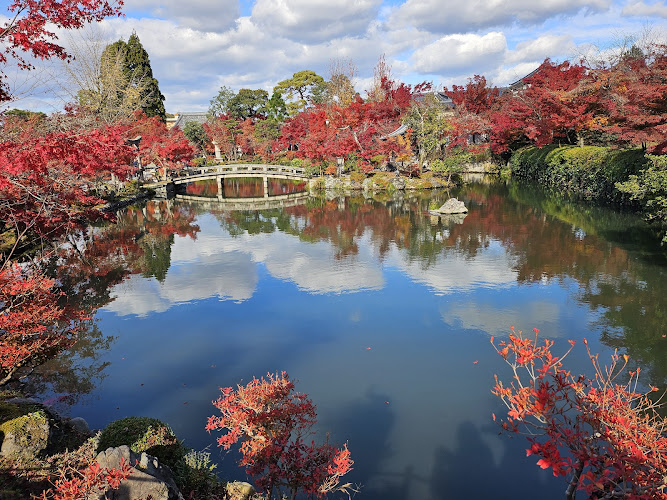
Eikandō Temple
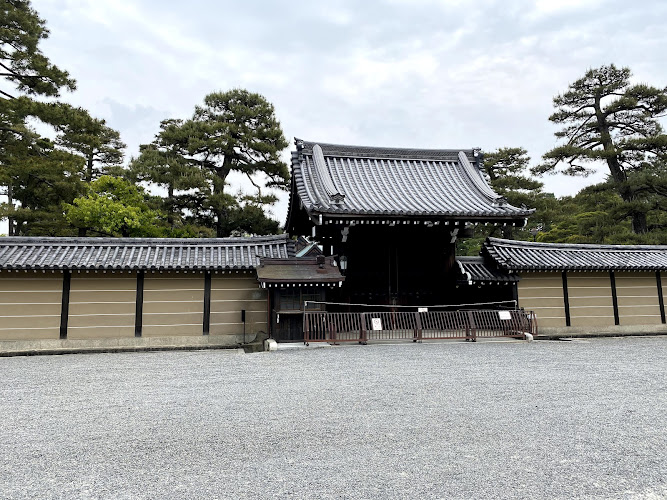
Kyoto Sento Imperial Palace
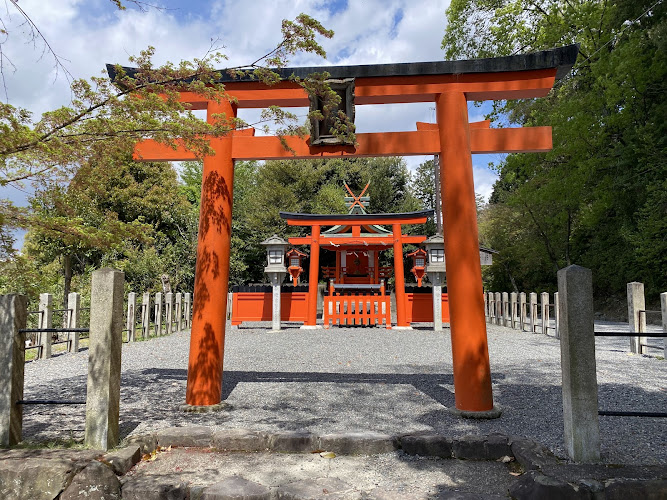
Yoshida Shrine
Find Accommodations Nearby
Recommended Tours & Activities
Visitor Reviews
There are no reviews yet. Be the first one to write one.
Share Your Experience
Have you visited Saishōinokunoin Temple? Help other travelers by leaving a review.