
Kiyomizu-dera
About Kiyomizu-dera
Description
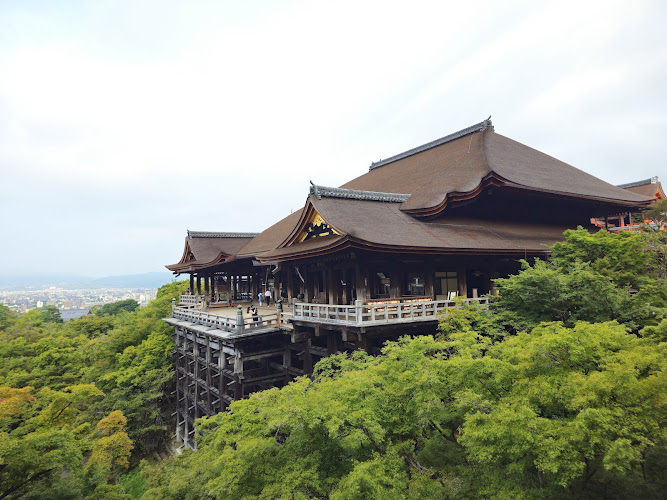
Kiyomizu-dera is one of those places that quietly sneaks into your heart before you even realize it. Perched on the hillside of Mount Otowa in Kyoto, this Buddhist temple has been standing gracefully for more than twelve centuries. It’s not just a temple—it’s a living, breathing piece of Japan’s soul. The name literally means “Pure Water Temple,” inspired by the Otowa Waterfall that trickles below the main hall. When you stand on its famous wooden stage, suspended high above the hillside, the view of Kyoto stretching out beneath you feels almost unreal. I still remember my first visit—I went in early autumn, and the city below looked like a painting brushed with reds, golds, and soft greens. It’s one of those sights that makes you stop talking for a moment and just breathe it all in.
The temple’s main hall, built without a single nail, is an architectural marvel in itself. The craftsmanship is awe-inspiring, especially when you consider it dates back to the early 17th century. And while the place is often buzzing with travelers and pilgrims, there’s still a quiet sense of reverence that hangs in the air. You can almost feel the centuries of prayers whispered into the wood and stone. It’s a place where the old and the new Japan coexist beautifully—tourists snapping photos beside monks in saffron robes, all under the same cedar-scented air.
Kiyomizu-dera isn’t perfect—sometimes the crowds can be overwhelming, and yes, the walk up the hill can make your legs burn a bit—but that’s part of the experience. You earn your view, and it’s worth every step. The temple complex is sprawling, with smaller shrines, pagodas, and hidden corners that reward those who wander off the main path. You might stumble upon the Jishu Shrine, dedicated to the deity of love, where couples test their fate by walking between two stones with their eyes closed. It’s charming, a bit cheesy maybe, but also endearing in that very human way.
Key Features
- Main Hall and Veranda: The massive wooden stage offers panoramic views of Kyoto and is supported by hundreds of pillars, all built without nails.
- Otowa Waterfall: Visitors can drink from the three streams, each said to grant a different blessing—longevity, success, or love. (Though, word of advice: don’t drink from all three, or it’s said to bring bad luck!)
- Jishu Shrine: A small but lively shrine dedicated to matchmaking and love, popular among young couples and hopeful romantics.
- Seasonal Beauty: Cherry blossoms in spring and fiery maple leaves in autumn transform the temple into a painter’s dream.
- UNESCO World Heritage Site: Recognized for its cultural and historical significance, it’s one of Kyoto’s most treasured landmarks.
- Night Illuminations: During certain seasons, the temple grounds are lit up after dark, creating an ethereal, almost otherworldly atmosphere.
One of the things that really stands out is how Kiyomizu-dera manages to feel both grand and intimate at the same time. There’s a certain humility in its design—nothing feels overly polished or artificial. You can see the wear on the wooden floors, the moss creeping along the stone steps, and somehow that makes it even more beautiful. It’s a reminder that imperfection is part of what makes things truly special.
Best Time to Visit
Choosing the “best” time to visit Kiyomizu-dera really depends on what kind of experience you’re after. Spring, from late March to early April, is when the cherry blossoms frame the temple like a delicate pink halo. It’s breathtaking, but also incredibly crowded—expect shoulder-to-shoulder photo ops and queues for everything from the entrance to the water ladles. Personally, I prefer late autumn, around mid-November, when the maple trees turn the entire hillside into a sea of crimson and gold. The air is crisp, the light is warm, and the temple almost glows against the backdrop of Kyoto’s skyline.
Winter has its own quiet charm too. The crowds thin out, and if you’re lucky enough to catch a rare snowfall, Kiyomizu-dera turns into a serene white wonderland. Summer, on the other hand, can be hot and humid, but the lush greenery and occasional temple festivals make it worth braving the heat. No matter the season, early morning or late afternoon visits are ideal. The light is soft, the crowds are thinner, and you can actually hear the rustle of leaves and the distant sound of temple bells.
How to Get There
Getting to Kiyomizu-dera is part of the adventure. The temple sits in Kyoto’s Higashiyama district, an area that feels like stepping back in time. Most travelers arrive via Kyoto Station, then take either a bus or a short taxi ride to the base of the hill. From there, it’s about a ten to fifteen-minute uphill walk through narrow, shop-lined streets like Sannenzaka and Ninenzaka. These old stone lanes are packed with teahouses, souvenir shops, and little stands selling matcha ice cream and handmade crafts. It’s tempting to stop every few steps, and honestly, you should—half the fun is soaking up the atmosphere along the way.
If you’re not up for the climb, there are alternative routes and some limited-access taxis that can drop you closer to the entrance, but walking is definitely the most rewarding way to experience it. The journey builds anticipation, and when you finally reach the temple gates, the view just hits differently. It’s that satisfying moment when effort meets awe.
Tips for Visiting
Here’s where a little insider knowledge goes a long way. First off, wear comfortable shoes. The paths are uneven, and you’ll be doing a fair bit of walking and climbing. Bring water, especially in summer, and don’t forget your camera—but also take time to put it down. There’s something about standing on that wooden veranda, looking out over Kyoto, that deserves your full attention.
If you can, visit early in the morning right after opening, or stay until closing time when the crowds thin out and the light softens. During the spring and autumn illumination events, the temple opens at night, and the glow of lanterns reflecting off the wooden beams is magical. It’s busy, yes, but absolutely worth it.
Another tip—explore the surrounding streets after your visit. The Higashiyama area is full of charming traditional shops and small cafes where you can grab a bowl of matcha or a sweet Kyoto-style dessert. One of my favorite memories is sitting on a wooden bench with a warm cup of green tea, watching the sun dip behind the city rooftops. It’s those little moments that make travel feel real and personal.
Lastly, be respectful. Kiyomizu-dera is a working temple and a sacred space. Keep your voice low, follow the signs, and take a moment to appreciate the spiritual energy that has drawn pilgrims here for over a thousand years. Whether you come for the history, the architecture, or simply the view, you’ll leave with something that lingers—a quiet sense of wonder that stays with you long after you’ve left the temple grounds.
Kiyomizu-dera isn’t just another Kyoto landmark—it’s a reminder of how deeply beauty and faith are intertwined in Japanese culture. And even if you’ve seen a hundred temples before, this one will still surprise you. Maybe it’s the sound of the waterfall, the way the city glows in the distance, or the feeling that time slows down just a little when you’re standing there. Whatever it is, it’s something you won’t forget.
Key Features
- Key Features
- Best Time to Visit
- How to Get There
- Tips for Visiting
More Details
Updated December 1, 2025
Table of Contents
Description
Kiyomizu-dera is one of those places that quietly sneaks into your heart before you even realize it. Perched on the hillside of Mount Otowa in Kyoto, this Buddhist temple has been standing gracefully for more than twelve centuries. It’s not just a temple—it’s a living, breathing piece of Japan’s soul. The name literally means “Pure Water Temple,” inspired by the Otowa Waterfall that trickles below the main hall. When you stand on its famous wooden stage, suspended high above the hillside, the view of Kyoto stretching out beneath you feels almost unreal. I still remember my first visit—I went in early autumn, and the city below looked like a painting brushed with reds, golds, and soft greens. It’s one of those sights that makes you stop talking for a moment and just breathe it all in.
The temple’s main hall, built without a single nail, is an architectural marvel in itself. The craftsmanship is awe-inspiring, especially when you consider it dates back to the early 17th century. And while the place is often buzzing with travelers and pilgrims, there’s still a quiet sense of reverence that hangs in the air. You can almost feel the centuries of prayers whispered into the wood and stone. It’s a place where the old and the new Japan coexist beautifully—tourists snapping photos beside monks in saffron robes, all under the same cedar-scented air.
Kiyomizu-dera isn’t perfect—sometimes the crowds can be overwhelming, and yes, the walk up the hill can make your legs burn a bit—but that’s part of the experience. You earn your view, and it’s worth every step. The temple complex is sprawling, with smaller shrines, pagodas, and hidden corners that reward those who wander off the main path. You might stumble upon the Jishu Shrine, dedicated to the deity of love, where couples test their fate by walking between two stones with their eyes closed. It’s charming, a bit cheesy maybe, but also endearing in that very human way.
Key Features
- Main Hall and Veranda: The massive wooden stage offers panoramic views of Kyoto and is supported by hundreds of pillars, all built without nails.
- Otowa Waterfall: Visitors can drink from the three streams, each said to grant a different blessing—longevity, success, or love. (Though, word of advice: don’t drink from all three, or it’s said to bring bad luck!)
- Jishu Shrine: A small but lively shrine dedicated to matchmaking and love, popular among young couples and hopeful romantics.
- Seasonal Beauty: Cherry blossoms in spring and fiery maple leaves in autumn transform the temple into a painter’s dream.
- UNESCO World Heritage Site: Recognized for its cultural and historical significance, it’s one of Kyoto’s most treasured landmarks.
- Night Illuminations: During certain seasons, the temple grounds are lit up after dark, creating an ethereal, almost otherworldly atmosphere.
One of the things that really stands out is how Kiyomizu-dera manages to feel both grand and intimate at the same time. There’s a certain humility in its design—nothing feels overly polished or artificial. You can see the wear on the wooden floors, the moss creeping along the stone steps, and somehow that makes it even more beautiful. It’s a reminder that imperfection is part of what makes things truly special.
Best Time to Visit
Choosing the “best” time to visit Kiyomizu-dera really depends on what kind of experience you’re after. Spring, from late March to early April, is when the cherry blossoms frame the temple like a delicate pink halo. It’s breathtaking, but also incredibly crowded—expect shoulder-to-shoulder photo ops and queues for everything from the entrance to the water ladles. Personally, I prefer late autumn, around mid-November, when the maple trees turn the entire hillside into a sea of crimson and gold. The air is crisp, the light is warm, and the temple almost glows against the backdrop of Kyoto’s skyline.
Winter has its own quiet charm too. The crowds thin out, and if you’re lucky enough to catch a rare snowfall, Kiyomizu-dera turns into a serene white wonderland. Summer, on the other hand, can be hot and humid, but the lush greenery and occasional temple festivals make it worth braving the heat. No matter the season, early morning or late afternoon visits are ideal. The light is soft, the crowds are thinner, and you can actually hear the rustle of leaves and the distant sound of temple bells.
How to Get There
Getting to Kiyomizu-dera is part of the adventure. The temple sits in Kyoto’s Higashiyama district, an area that feels like stepping back in time. Most travelers arrive via Kyoto Station, then take either a bus or a short taxi ride to the base of the hill. From there, it’s about a ten to fifteen-minute uphill walk through narrow, shop-lined streets like Sannenzaka and Ninenzaka. These old stone lanes are packed with teahouses, souvenir shops, and little stands selling matcha ice cream and handmade crafts. It’s tempting to stop every few steps, and honestly, you should—half the fun is soaking up the atmosphere along the way.
If you’re not up for the climb, there are alternative routes and some limited-access taxis that can drop you closer to the entrance, but walking is definitely the most rewarding way to experience it. The journey builds anticipation, and when you finally reach the temple gates, the view just hits differently. It’s that satisfying moment when effort meets awe.
Tips for Visiting
Here’s where a little insider knowledge goes a long way. First off, wear comfortable shoes. The paths are uneven, and you’ll be doing a fair bit of walking and climbing. Bring water, especially in summer, and don’t forget your camera—but also take time to put it down. There’s something about standing on that wooden veranda, looking out over Kyoto, that deserves your full attention.
If you can, visit early in the morning right after opening, or stay until closing time when the crowds thin out and the light softens. During the spring and autumn illumination events, the temple opens at night, and the glow of lanterns reflecting off the wooden beams is magical. It’s busy, yes, but absolutely worth it.
Another tip—explore the surrounding streets after your visit. The Higashiyama area is full of charming traditional shops and small cafes where you can grab a bowl of matcha or a sweet Kyoto-style dessert. One of my favorite memories is sitting on a wooden bench with a warm cup of green tea, watching the sun dip behind the city rooftops. It’s those little moments that make travel feel real and personal.
Lastly, be respectful. Kiyomizu-dera is a working temple and a sacred space. Keep your voice low, follow the signs, and take a moment to appreciate the spiritual energy that has drawn pilgrims here for over a thousand years. Whether you come for the history, the architecture, or simply the view, you’ll leave with something that lingers—a quiet sense of wonder that stays with you long after you’ve left the temple grounds.
Kiyomizu-dera isn’t just another Kyoto landmark—it’s a reminder of how deeply beauty and faith are intertwined in Japanese culture. And even if you’ve seen a hundred temples before, this one will still surprise you. Maybe it’s the sound of the waterfall, the way the city glows in the distance, or the feeling that time slows down just a little when you’re standing there. Whatever it is, it’s something you won’t forget.
Key Highlights
- Key Features
- Best Time to Visit
- How to Get There
- Tips for Visiting
Location
Places to Stay Near Kiyomizu-dera
Find and Book a Tour
Explore More Travel Guides
No reviews found! Be the first to review!
Traveler Reviews for Kiyomizu-dera
There are no reviews yet. Be the first one to write one.
Have you visited Kiyomizu-dera? Help other travelers by sharing your review.
You Might Also Like
Yoshida Shrine

フロマジュリー ヒサダ|伊勢丹JR京都店
Saishōinokunoin Temple
Find Accommodations Nearby
Recommended Tours & Activities
Visitor Reviews
There are no reviews yet. Be the first one to write one.
Share Your Experience
Have you visited Kiyomizu-dera? Help other travelers by leaving a review.