
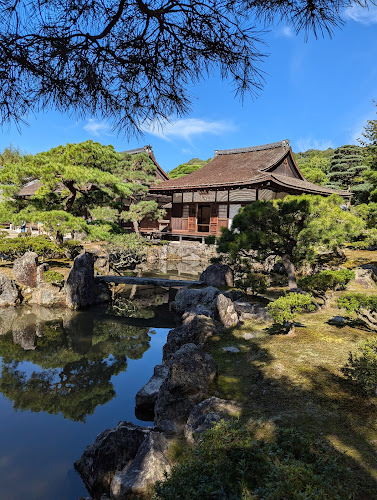
Ginkaku-ji
About Ginkaku-ji
Description
Ginkaku-ji, also known as the Silver Pavilion, is one of those places that quietly steals your heart before you even realize it. Officially called Jishō-ji, this 15th-century Zen temple in Kyoto doesn’t dazzle with shiny silver walls as its nickname might suggest. Instead, it captivates with subtlety — the kind of beauty that whispers rather than shouts. It’s a place that rewards those who slow down, breathe in the scent of moss and pine, and let their minds wander along its winding paths.
Built originally as a retirement villa for shogun Ashikaga Yoshimasa during the Muromachi period, Ginkaku-ji later became a Zen temple. And it’s more than just a historical site — it’s a living symbol of Japan’s Higashiyama culture, which shaped much of the country’s art, architecture, and philosophy. The temple’s weathered wooden pavilion, overlooking a reflective pond, feels almost suspended in time. I remember standing there once on an early autumn morning, when the mist hadn’t quite lifted, and thinking how rare it is to find a place that feels so still yet so alive.
What makes Ginkaku-ji truly special isn’t grandeur but restraint. Its moss-covered gardens, raked white sand, and the famous cone-shaped mound called the Kōgetsudai (said to represent Mount Fuji or a platform for moon-viewing) all embody the Japanese aesthetic of wabi-sabi — the beauty of imperfection and impermanence. You can almost sense the centuries of contemplation that have taken place here, as if the air itself remembers.
That said, it’s not a hidden gem — you’ll likely share the paths with plenty of other visitors. But somehow, even in the crowd, there’s a shared hush, a collective reverence. And honestly, that’s part of the charm. The temple doesn’t demand silence; it inspires it naturally.
Key Features
- The Silver Pavilion (Ginkaku): A two-story wooden structure with elegant simplicity, reflecting Zen ideals rather than literal opulence.
- Ginshadan (Sea of Silver Sand): A meticulously raked sand garden that shimmers under sunlight, symbolizing waves or purity of thought.
- Kōgetsudai (Moon-Viewing Platform): A perfectly shaped cone of white sand, about 1.8 meters high, said to mirror Mount Fuji or reflect moonlight onto the pavilion.
- Moss Garden: A lush, shaded landscape carpeted with velvety moss, winding streams, and small bridges — a dreamlike escape from the city’s pace.
- Panoramic Path: A gentle uphill trail offering a breathtaking view over Kyoto, especially beautiful in autumn when the leaves ignite in color.
- Zen Atmosphere: The entire complex exudes a meditative calm that encourages mindfulness and quiet reflection.
Every element here feels purposeful. Even the way gravel lines the pathways or how the trees frame the pond seems designed to slow your steps. I’ve walked those paths in both rain and sunshine — and honestly, I can’t decide which version I love more. Rain makes the moss glow, but sunlight brings out the silvery glint in the sand. Either way, it’s a photographer’s dream, and a poet’s muse.
Best Time to Visit
Kyoto changes with the seasons, and Ginkaku-ji wears each one differently. Spring brings soft pink cherry blossoms that flutter over the temple pond like confetti. Summer is lush and green, with the moss gardens at their most vibrant. Autumn, though — that’s when the place truly shines. The fiery maples contrast beautifully with the subdued tones of the pavilion, creating scenes that feel painted rather than real. Winter has its own quiet poetry too; a dusting of snow transforms the sand garden into something otherworldly, almost like a monochrome painting.
If you can, visit early in the morning or just before closing time. The light is softer, the crowds thinner, and the atmosphere more contemplative. I once went right after a light drizzle, and the reflections in the pond were so vivid it felt like stepping into another world. Just be prepared — Kyoto’s weather can be moody, but that’s part of its charm. Bring an umbrella, and you might just get lucky with a magical misty view.
How to Get There
Reaching Ginkaku-ji is part of the experience. The temple sits in Kyoto’s eastern hills, and many visitors choose to walk along the famous Philosopher’s Path — a scenic canal-side route lined with cherry trees and small cafés. It’s about a 30-minute stroll from Nanzen-ji Temple, and honestly, that walk alone is worth the trip. If you prefer to save your energy, buses run frequently from Kyoto Station and downtown areas. The ride takes around 35–40 minutes, depending on traffic, and drops you off near the temple’s entrance.
Once you arrive, you’ll pass through a charming street filled with souvenir shops and snack stalls. I always stop for a matcha ice cream there — partly tradition, partly excuse. The approach itself sets the tone: a blend of old Kyoto charm and modern-day bustle, easing you into the serenity that awaits inside the temple grounds.
Tips for Visiting
Visiting Ginkaku-ji isn’t just about sightseeing — it’s about slowing down enough to really see. Here are a few tips that might help you make the most of it:
- Go early or late in the day: The temple gets busy, especially during cherry blossom and autumn foliage seasons. Early mornings offer peace and better photo opportunities.
- Take your time: The garden’s path loops around, and it’s tempting to rush through. Don’t. Pause by the pond, listen to the rustling leaves, and let your mind wander.
- Bring comfortable shoes: You’ll be walking on uneven stone paths and gentle slopes — nothing too steep, but good footwear makes all the difference.
- Respect the quiet: This is still an active temple. Keep voices low and avoid blocking pathways when taking photos.
- Visit nearby spots: The Philosopher’s Path, Honen-in, and Nanzen-ji are all within walking distance and make for a perfect half-day itinerary.
- Weather matters: Rain enhances the moss garden’s color, while sunshine brings out the texture of the sand. Either way, it’s beautiful — just dress accordingly.
- Accessibility: While the main grounds are relatively flat, some paths can be uneven and not ideal for wheelchairs or strollers.
- Restrooms and facilities: Basic amenities are available, but it’s best to plan ahead if you’re traveling with children or in a group.
And here’s a small personal recommendation: after your visit, take a seat on one of the benches near the exit and just watch people come and go. You’ll notice something fascinating — everyone leaves a little quieter, a little more reflective. That’s the Ginkaku-ji effect. It doesn’t overwhelm you with grandeur; it humbles you with grace.
For travelers who crave a deeper connection to Kyoto’s spiritual and artistic roots, Ginkaku-ji offers exactly that. It’s not about ticking off another temple from your list — it’s about feeling the rhythm of old Japan, where art, nature, and philosophy meet in perfect harmony. Whether you’re a first-time visitor or a returning admirer, this Silver Pavilion has a way of revealing something new every time. Maybe that’s why people keep coming back — not for spectacle, but for stillness.
So, if you ever find yourself in Kyoto, make time for Ginkaku-ji. Wander slowly, breathe deeply, and let the quiet beauty sink in. You might just leave with a little more peace than you came with — and that’s worth far more than silver.
Key Features
- Key Features
- Best Time to Visit
- How to Get There
- Tips for Visiting
More Details
Updated December 1, 2025
Table of Contents
Description
Ginkaku-ji, also known as the Silver Pavilion, is one of those places that quietly steals your heart before you even realize it. Officially called Jishō-ji, this 15th-century Zen temple in Kyoto doesn’t dazzle with shiny silver walls as its nickname might suggest. Instead, it captivates with subtlety — the kind of beauty that whispers rather than shouts. It’s a place that rewards those who slow down, breathe in the scent of moss and pine, and let their minds wander along its winding paths.
Built originally as a retirement villa for shogun Ashikaga Yoshimasa during the Muromachi period, Ginkaku-ji later became a Zen temple. And it’s more than just a historical site — it’s a living symbol of Japan’s Higashiyama culture, which shaped much of the country’s art, architecture, and philosophy. The temple’s weathered wooden pavilion, overlooking a reflective pond, feels almost suspended in time. I remember standing there once on an early autumn morning, when the mist hadn’t quite lifted, and thinking how rare it is to find a place that feels so still yet so alive.
What makes Ginkaku-ji truly special isn’t grandeur but restraint. Its moss-covered gardens, raked white sand, and the famous cone-shaped mound called the Kōgetsudai (said to represent Mount Fuji or a platform for moon-viewing) all embody the Japanese aesthetic of wabi-sabi — the beauty of imperfection and impermanence. You can almost sense the centuries of contemplation that have taken place here, as if the air itself remembers.
That said, it’s not a hidden gem — you’ll likely share the paths with plenty of other visitors. But somehow, even in the crowd, there’s a shared hush, a collective reverence. And honestly, that’s part of the charm. The temple doesn’t demand silence; it inspires it naturally.
Key Features
- The Silver Pavilion (Ginkaku): A two-story wooden structure with elegant simplicity, reflecting Zen ideals rather than literal opulence.
- Ginshadan (Sea of Silver Sand): A meticulously raked sand garden that shimmers under sunlight, symbolizing waves or purity of thought.
- Kōgetsudai (Moon-Viewing Platform): A perfectly shaped cone of white sand, about 1.8 meters high, said to mirror Mount Fuji or reflect moonlight onto the pavilion.
- Moss Garden: A lush, shaded landscape carpeted with velvety moss, winding streams, and small bridges — a dreamlike escape from the city’s pace.
- Panoramic Path: A gentle uphill trail offering a breathtaking view over Kyoto, especially beautiful in autumn when the leaves ignite in color.
- Zen Atmosphere: The entire complex exudes a meditative calm that encourages mindfulness and quiet reflection.
Every element here feels purposeful. Even the way gravel lines the pathways or how the trees frame the pond seems designed to slow your steps. I’ve walked those paths in both rain and sunshine — and honestly, I can’t decide which version I love more. Rain makes the moss glow, but sunlight brings out the silvery glint in the sand. Either way, it’s a photographer’s dream, and a poet’s muse.
Best Time to Visit
Kyoto changes with the seasons, and Ginkaku-ji wears each one differently. Spring brings soft pink cherry blossoms that flutter over the temple pond like confetti. Summer is lush and green, with the moss gardens at their most vibrant. Autumn, though — that’s when the place truly shines. The fiery maples contrast beautifully with the subdued tones of the pavilion, creating scenes that feel painted rather than real. Winter has its own quiet poetry too; a dusting of snow transforms the sand garden into something otherworldly, almost like a monochrome painting.
If you can, visit early in the morning or just before closing time. The light is softer, the crowds thinner, and the atmosphere more contemplative. I once went right after a light drizzle, and the reflections in the pond were so vivid it felt like stepping into another world. Just be prepared — Kyoto’s weather can be moody, but that’s part of its charm. Bring an umbrella, and you might just get lucky with a magical misty view.
How to Get There
Reaching Ginkaku-ji is part of the experience. The temple sits in Kyoto’s eastern hills, and many visitors choose to walk along the famous Philosopher’s Path — a scenic canal-side route lined with cherry trees and small cafés. It’s about a 30-minute stroll from Nanzen-ji Temple, and honestly, that walk alone is worth the trip. If you prefer to save your energy, buses run frequently from Kyoto Station and downtown areas. The ride takes around 35–40 minutes, depending on traffic, and drops you off near the temple’s entrance.
Once you arrive, you’ll pass through a charming street filled with souvenir shops and snack stalls. I always stop for a matcha ice cream there — partly tradition, partly excuse. The approach itself sets the tone: a blend of old Kyoto charm and modern-day bustle, easing you into the serenity that awaits inside the temple grounds.
Tips for Visiting
Visiting Ginkaku-ji isn’t just about sightseeing — it’s about slowing down enough to really see. Here are a few tips that might help you make the most of it:
- Go early or late in the day: The temple gets busy, especially during cherry blossom and autumn foliage seasons. Early mornings offer peace and better photo opportunities.
- Take your time: The garden’s path loops around, and it’s tempting to rush through. Don’t. Pause by the pond, listen to the rustling leaves, and let your mind wander.
- Bring comfortable shoes: You’ll be walking on uneven stone paths and gentle slopes — nothing too steep, but good footwear makes all the difference.
- Respect the quiet: This is still an active temple. Keep voices low and avoid blocking pathways when taking photos.
- Visit nearby spots: The Philosopher’s Path, Honen-in, and Nanzen-ji are all within walking distance and make for a perfect half-day itinerary.
- Weather matters: Rain enhances the moss garden’s color, while sunshine brings out the texture of the sand. Either way, it’s beautiful — just dress accordingly.
- Accessibility: While the main grounds are relatively flat, some paths can be uneven and not ideal for wheelchairs or strollers.
- Restrooms and facilities: Basic amenities are available, but it’s best to plan ahead if you’re traveling with children or in a group.
And here’s a small personal recommendation: after your visit, take a seat on one of the benches near the exit and just watch people come and go. You’ll notice something fascinating — everyone leaves a little quieter, a little more reflective. That’s the Ginkaku-ji effect. It doesn’t overwhelm you with grandeur; it humbles you with grace.
For travelers who crave a deeper connection to Kyoto’s spiritual and artistic roots, Ginkaku-ji offers exactly that. It’s not about ticking off another temple from your list — it’s about feeling the rhythm of old Japan, where art, nature, and philosophy meet in perfect harmony. Whether you’re a first-time visitor or a returning admirer, this Silver Pavilion has a way of revealing something new every time. Maybe that’s why people keep coming back — not for spectacle, but for stillness.
So, if you ever find yourself in Kyoto, make time for Ginkaku-ji. Wander slowly, breathe deeply, and let the quiet beauty sink in. You might just leave with a little more peace than you came with — and that’s worth far more than silver.
Key Highlights
- Key Features
- Best Time to Visit
- How to Get There
- Tips for Visiting
Location
Places to Stay Near Ginkaku-ji
Find and Book a Tour
Explore More Travel Guides
No reviews found! Be the first to review!
Traveler Reviews for Ginkaku-ji
There are no reviews yet. Be the first one to write one.
Have you visited Ginkaku-ji? Help other travelers by sharing your review.
You Might Also Like
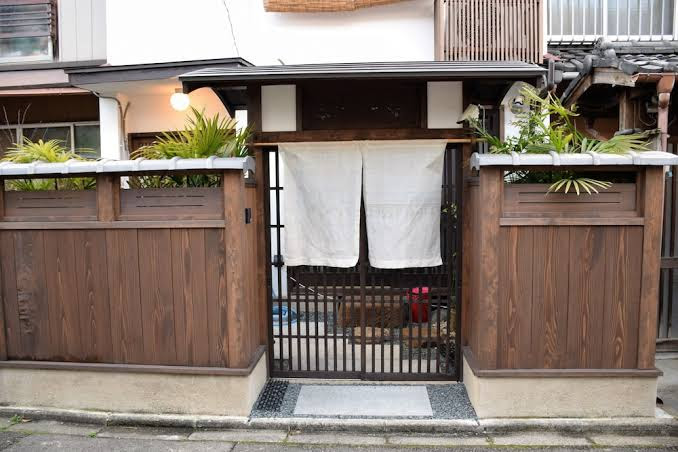
Guest House Higashiyama Jao
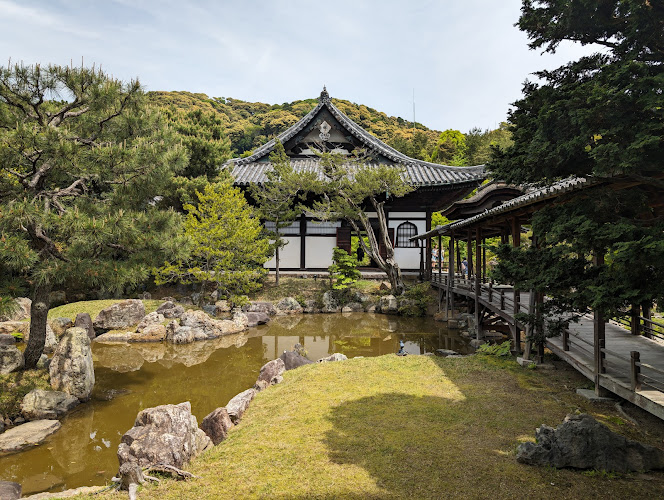
Kōdai-ji Temple
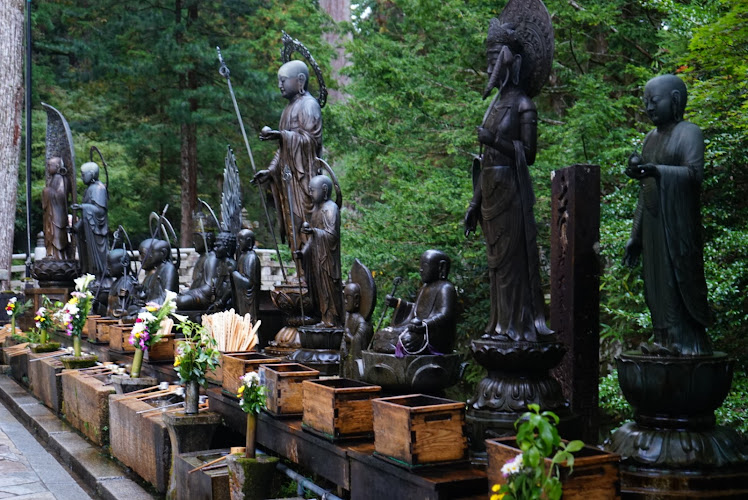
Saishōinokunoin Temple
Find Accommodations Nearby
Recommended Tours & Activities
Visitor Reviews
There are no reviews yet. Be the first one to write one.
Share Your Experience
Have you visited Ginkaku-ji? Help other travelers by leaving a review.