
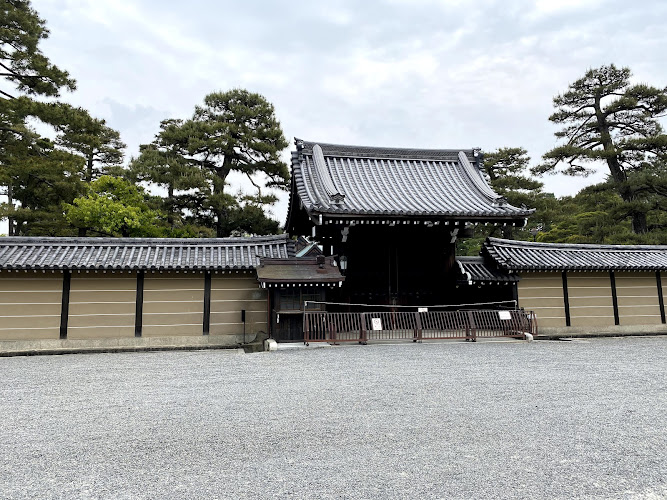
Kyoto Sento Imperial Palace
About Kyoto Sento Imperial Palace
Description
The Kyoto Sento Imperial Palace is one of those rare places that quietly commands your attention. It’s not loud or flashy, but there’s something about its calm gardens, the soft rustle of the trees, and the way the light dances across the ponds that makes you pause. Originally built in 1630 for Emperor Go-Mizunoo after his retirement, the palace once stood as a grand symbol of imperial grace. Though the main palace buildings were lost to fire in the 19th century and never rebuilt, the grounds still carry centuries of stories in their stones and streams.
Walking through the estate feels like stepping into a living painting. The garden, designed by the legendary landscape architect Kobori Enshu, follows the “Round-the-Pond” style—a design meant to lead visitors in a circular path so that every turn reveals a new scene. You’ll find yourself drifting between wide lawns, shaded paths, and mirror-like ponds that reflect the sky in a way that feels almost spiritual. It’s a place where time slows down, and your thoughts start to wander just as the koi do beneath the water’s surface.
While the palace buildings are gone, the Omiya Imperial Palace, built later for Empress Dowager Eisho, still stands nearby and gives a glimpse into the refined taste of Japan’s imperial past. Many visitors come expecting grand architecture, but what they discover instead is a different kind of beauty—quiet, natural, and deeply serene. Some people say it’s even more moving this way.
I remember my own visit one chilly spring morning—the air smelled faintly of pine and wet earth, and a mist hung low over the pond. A guide spoke softly about the Emperor’s retirement, but I barely heard her; I was too caught up watching a heron glide across the water. That moment alone was worth the trip.
Key Features
- Beautiful “Round-the-Pond” style garden designed by Kobori Enshu, showcasing seasonal changes in color and texture.
- Guided tours led by Imperial Household Agency staff, offering insight into the site’s imperial history and cultural significance.
- Surviving structures of the Omiya Imperial Palace, once home to Empress Dowager Eisho.
- Peaceful walking paths lined with ancient trees and traditional teahouses scattered throughout the grounds.
- Limited daily visitor capacity, ensuring a quiet and intimate experience away from Kyoto’s busier attractions.
- Free admission with advance reservation, making it accessible to travelers interested in Japan’s imperial heritage.
What truly sets the Kyoto Sento Imperial Palace apart is how understated it is. It doesn’t try to impress with grandeur; instead, it invites you to slow down and notice the little things—the ripple of water, the sound of bamboo swaying, the way sunlight filters through maple leaves. It’s easy to see why so many visitors leave feeling calm and reflective.
Best Time to Visit
Kyoto is a city that changes dramatically with the seasons, and the Sento Imperial Palace mirrors this rhythm beautifully. Spring, of course, brings cherry blossoms—those delicate pink clouds that make the ponds look like they’re sprinkled with petals. If you’re lucky enough to visit in April, you’ll see the gardens at their most romantic.
Summer can be humid, but the shade from the old pines and the cool breeze off the water make it surprisingly pleasant. Autumn, though, might be the best of all. The fiery reds and golds of the maple trees turn the garden into a masterpiece of color, and the reflections in the pond are almost unreal. Winter has its own charm too—the quiet stillness, the frost on the moss, and the sense that you have the whole place to yourself.
Personally, I’d say go in late November. The air is crisp, the crowds are thinner, and the autumn leaves are at their peak. Bring a thermos of tea, walk slowly, and just breathe it all in.
How to Get There
The Kyoto Sento Imperial Palace sits within the Kyoto Imperial Park, right in the heart of the city. It’s easy to reach from most parts of Kyoto, though you’ll need to plan ahead a bit since entry is by guided tour only. From Kyoto Station, you can take the Karasuma Subway Line to Imadegawa Station—it’s about a 10-minute ride. From there, it’s a short walk south to the park’s entrance.
If you’re coming by bus, several routes stop near the Kyoto Imperial Park, and taxis are always an option if you prefer convenience. Just remember that you can’t simply stroll in; you must apply for a tour in advance through the Imperial Household Agency. Some same-day spots are available on a first-come, first-served basis, but they go quickly, especially during peak seasons.
For those who love to explore on foot, the walk through Kyoto Gyoen National Garden to reach the palace is half the fun. You’ll pass locals jogging, families picnicking, and maybe even a few elderly couples feeding the birds. It’s one of those rare places in Kyoto that still feels genuinely local despite its imperial history.
Tips for Visiting
A few things I wish I’d known before my first visit:
- Book ahead. You can’t just show up and expect to join a tour. Reservations are required, and they fill up fast, especially in spring and autumn.
- Bring your ID. You’ll need it to check in for the tour, and the staff are pretty strict about that.
- Wear comfortable shoes. The tour involves a fair bit of walking on gravel paths, and some areas can be uneven.
- No wandering off. The tours are guided, and you’ll need to stay with your group. It’s a bit regimented, but it helps preserve the site.
- Photography rules vary. Sometimes you can take photos, sometimes not—it depends on the area, so always double-check with your guide.
- Arrive early. The gates open a bit before the tour starts, and arriving early gives you time to soak in the atmosphere before the group forms.
- Visit nearby attractions. Since you’re already in Kyoto Imperial Park, take time to see the Kyoto Imperial Palace or the Kaninnomiya Mansion afterward.
One more thing—don’t rush it. The tour might feel structured, but if you let yourself tune into the rhythm of the place, you’ll notice how the garden seems to breathe. There’s a stillness there that’s rare to find anywhere else in Kyoto.
And here’s a small personal tip: bring a notebook. I did, and ended up jotting down a few thoughts while sitting on a bench overlooking the pond. Later, when I read them back, I realized that those quiet fifteen minutes were the highlight of my trip. Funny how that happens sometimes—you go expecting to see history, and instead, you end up finding a bit of peace.
The Kyoto Sento Imperial Palace isn’t the kind of place that shouts its importance. It whispers it, through the rustling of leaves and the reflection of clouds in water. For travelers looking to experience Kyoto beyond the usual temples and crowds, this is one of those hidden gems that stays with you long after you’ve gone.
Key Features
- Beautiful “Round-the-Pond” style garden designed by Kobori Enshu, showcasing seasonal changes in color and texture.
- Guided tours led by Imperial Household Agency staff, offering insight into the site’s imperial history and cultural significance.
- Surviving structures of the Omiya Imperial Palace, once home to Empress Dowager Eisho.
- Peaceful walking paths lined with ancient trees and traditional teahouses scattered throughout the grounds.
- Limited daily visitor capacity, ensuring a quiet and intimate experience away from Kyoto’s busier attractions.
- Free admission with advance reservation, making it accessible to travelers interested in Japan’s imperial heritage.
More Details
Updated December 1, 2025
Table of Contents
Description
The Kyoto Sento Imperial Palace is one of those rare places that quietly commands your attention. It’s not loud or flashy, but there’s something about its calm gardens, the soft rustle of the trees, and the way the light dances across the ponds that makes you pause. Originally built in 1630 for Emperor Go-Mizunoo after his retirement, the palace once stood as a grand symbol of imperial grace. Though the main palace buildings were lost to fire in the 19th century and never rebuilt, the grounds still carry centuries of stories in their stones and streams.
Walking through the estate feels like stepping into a living painting. The garden, designed by the legendary landscape architect Kobori Enshu, follows the “Round-the-Pond” style—a design meant to lead visitors in a circular path so that every turn reveals a new scene. You’ll find yourself drifting between wide lawns, shaded paths, and mirror-like ponds that reflect the sky in a way that feels almost spiritual. It’s a place where time slows down, and your thoughts start to wander just as the koi do beneath the water’s surface.
While the palace buildings are gone, the Omiya Imperial Palace, built later for Empress Dowager Eisho, still stands nearby and gives a glimpse into the refined taste of Japan’s imperial past. Many visitors come expecting grand architecture, but what they discover instead is a different kind of beauty—quiet, natural, and deeply serene. Some people say it’s even more moving this way.
I remember my own visit one chilly spring morning—the air smelled faintly of pine and wet earth, and a mist hung low over the pond. A guide spoke softly about the Emperor’s retirement, but I barely heard her; I was too caught up watching a heron glide across the water. That moment alone was worth the trip.
Key Features
- Beautiful “Round-the-Pond” style garden designed by Kobori Enshu, showcasing seasonal changes in color and texture.
- Guided tours led by Imperial Household Agency staff, offering insight into the site’s imperial history and cultural significance.
- Surviving structures of the Omiya Imperial Palace, once home to Empress Dowager Eisho.
- Peaceful walking paths lined with ancient trees and traditional teahouses scattered throughout the grounds.
- Limited daily visitor capacity, ensuring a quiet and intimate experience away from Kyoto’s busier attractions.
- Free admission with advance reservation, making it accessible to travelers interested in Japan’s imperial heritage.
What truly sets the Kyoto Sento Imperial Palace apart is how understated it is. It doesn’t try to impress with grandeur; instead, it invites you to slow down and notice the little things—the ripple of water, the sound of bamboo swaying, the way sunlight filters through maple leaves. It’s easy to see why so many visitors leave feeling calm and reflective.
Best Time to Visit
Kyoto is a city that changes dramatically with the seasons, and the Sento Imperial Palace mirrors this rhythm beautifully. Spring, of course, brings cherry blossoms—those delicate pink clouds that make the ponds look like they’re sprinkled with petals. If you’re lucky enough to visit in April, you’ll see the gardens at their most romantic.
Summer can be humid, but the shade from the old pines and the cool breeze off the water make it surprisingly pleasant. Autumn, though, might be the best of all. The fiery reds and golds of the maple trees turn the garden into a masterpiece of color, and the reflections in the pond are almost unreal. Winter has its own charm too—the quiet stillness, the frost on the moss, and the sense that you have the whole place to yourself.
Personally, I’d say go in late November. The air is crisp, the crowds are thinner, and the autumn leaves are at their peak. Bring a thermos of tea, walk slowly, and just breathe it all in.
How to Get There
The Kyoto Sento Imperial Palace sits within the Kyoto Imperial Park, right in the heart of the city. It’s easy to reach from most parts of Kyoto, though you’ll need to plan ahead a bit since entry is by guided tour only. From Kyoto Station, you can take the Karasuma Subway Line to Imadegawa Station—it’s about a 10-minute ride. From there, it’s a short walk south to the park’s entrance.
If you’re coming by bus, several routes stop near the Kyoto Imperial Park, and taxis are always an option if you prefer convenience. Just remember that you can’t simply stroll in; you must apply for a tour in advance through the Imperial Household Agency. Some same-day spots are available on a first-come, first-served basis, but they go quickly, especially during peak seasons.
For those who love to explore on foot, the walk through Kyoto Gyoen National Garden to reach the palace is half the fun. You’ll pass locals jogging, families picnicking, and maybe even a few elderly couples feeding the birds. It’s one of those rare places in Kyoto that still feels genuinely local despite its imperial history.
Tips for Visiting
A few things I wish I’d known before my first visit:
- Book ahead. You can’t just show up and expect to join a tour. Reservations are required, and they fill up fast, especially in spring and autumn.
- Bring your ID. You’ll need it to check in for the tour, and the staff are pretty strict about that.
- Wear comfortable shoes. The tour involves a fair bit of walking on gravel paths, and some areas can be uneven.
- No wandering off. The tours are guided, and you’ll need to stay with your group. It’s a bit regimented, but it helps preserve the site.
- Photography rules vary. Sometimes you can take photos, sometimes not—it depends on the area, so always double-check with your guide.
- Arrive early. The gates open a bit before the tour starts, and arriving early gives you time to soak in the atmosphere before the group forms.
- Visit nearby attractions. Since you’re already in Kyoto Imperial Park, take time to see the Kyoto Imperial Palace or the Kaninnomiya Mansion afterward.
One more thing—don’t rush it. The tour might feel structured, but if you let yourself tune into the rhythm of the place, you’ll notice how the garden seems to breathe. There’s a stillness there that’s rare to find anywhere else in Kyoto.
And here’s a small personal tip: bring a notebook. I did, and ended up jotting down a few thoughts while sitting on a bench overlooking the pond. Later, when I read them back, I realized that those quiet fifteen minutes were the highlight of my trip. Funny how that happens sometimes—you go expecting to see history, and instead, you end up finding a bit of peace.
The Kyoto Sento Imperial Palace isn’t the kind of place that shouts its importance. It whispers it, through the rustling of leaves and the reflection of clouds in water. For travelers looking to experience Kyoto beyond the usual temples and crowds, this is one of those hidden gems that stays with you long after you’ve gone.
Key Highlights
- Beautiful “Round-the-Pond” style garden designed by Kobori Enshu, showcasing seasonal changes in color and texture.
- Guided tours led by Imperial Household Agency staff, offering insight into the site’s imperial history and cultural significance.
- Surviving structures of the Omiya Imperial Palace, once home to Empress Dowager Eisho.
- Peaceful walking paths lined with ancient trees and traditional teahouses scattered throughout the grounds.
- Limited daily visitor capacity, ensuring a quiet and intimate experience away from Kyoto’s busier attractions.
- Free admission with advance reservation, making it accessible to travelers interested in Japan’s imperial heritage.
Location
Places to Stay Near Kyoto Sento Imperial Palace
Find and Book a Tour
Explore More Travel Guides
No reviews found! Be the first to review!
Traveler Reviews for Kyoto Sento Imperial Palace
There are no reviews yet. Be the first one to write one.
Have you visited Kyoto Sento Imperial Palace? Help other travelers by sharing your review.
You Might Also Like
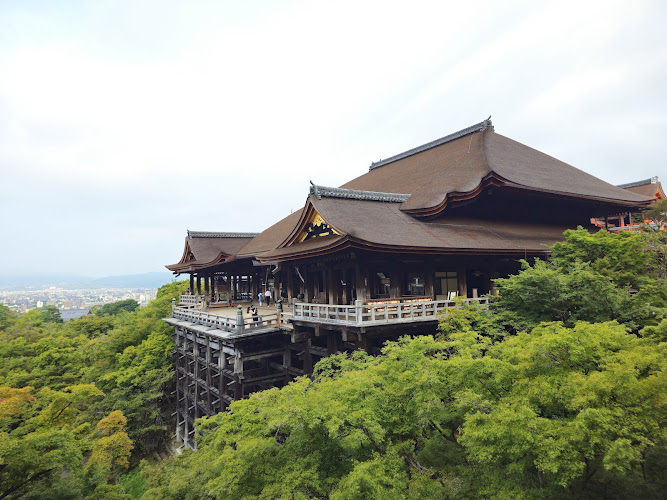
Kiyomizu-dera
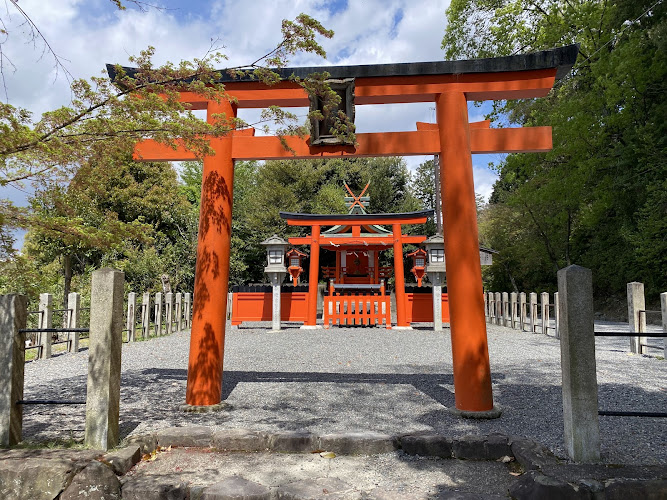
Yoshida Shrine
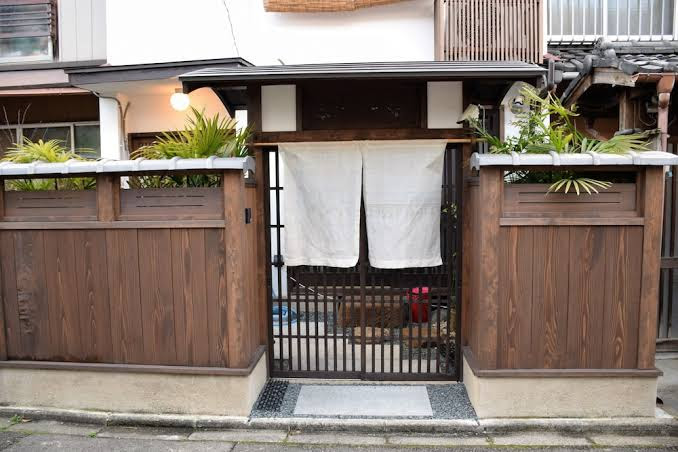
Guest House Higashiyama Jao
Find Accommodations Nearby
Recommended Tours & Activities
Visitor Reviews
There are no reviews yet. Be the first one to write one.
Share Your Experience
Have you visited Kyoto Sento Imperial Palace? Help other travelers by leaving a review.