
Maruya Hatcho Miso
About Maruya Hatcho Miso
Description
Maruya Hatcho Miso is one of those places that quietly rearranges how travelers think about Japanese food. It’s not flashy. It doesn’t try to impress with neon signs or gimmicks. Instead, it leans on time, patience, and a stubborn commitment to doing things the old way. And honestly, that’s refreshing. This historic miso brewery has been producing Hatcho miso for centuries, using techniques that feel almost rebellious in a world obsessed with speed.
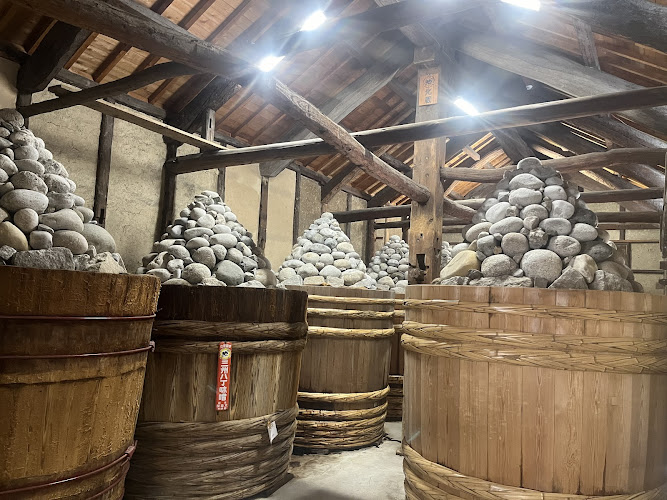
Hatcho miso itself is a bit of an outlier in Japan. Darker, denser, saltier, and more intense than the miso most people know from soup bowls back home. It’s made using just soybeans, water, and salt, then fermented for nearly two years under massive stone weights. Yes, stone weights. When visitors see them stacked high inside the kura storehouses, there’s often this pause, like, wait… that’s it? No machines? No shortcuts? Nope.
For travelers, Maruya Hatcho Miso works on two levels. First, it’s a living museum of Japanese food culture. You walk through wooden buildings where the air smells earthy and savory, and you start to understand why miso isn’t just seasoning here, it’s survival food, history, and comfort all rolled into one. Second, it’s very hands-on. You’re not staring at dusty displays behind glass. You’re seeing fermentation in action, tasting products that haven’t been diluted for mass appeal, and chatting with staff who actually seem proud of what they’re doing. Imagine that.
I remember visiting a miso brewery years ago, thinking it would be a quick stop. Thirty minutes, tops. I stayed nearly two hours. Maruya has that same pull. Even people who swear they’re “not into food stuff” end up lingering. And if you’re traveling with kids, they’re oddly fascinated by the giant wooden vats and stone piles. Something about scale and repetition just clicks.
The place is also very approachable. Wheelchair access is thoughtfully handled, restrooms are available, and there’s a free parking lot, which, trust me, matters more than guidebooks admit. It functions both as a tourist attraction and a souvenir stop, but without the plastic, made-for-tourists vibe. You leave with something useful, edible, and meaningful. That’s a rare trifecta.
Key Features
- Centuries-old miso brewing tradition using only soybeans, salt, and water
- Traditional fermentation process with massive stone weights stacked by hand
- Guided brewery tours that explain the science and history in plain language
- On-site tasting of Hatcho miso and miso-based snacks
- Souvenir shop selling authentic miso products not always found elsewhere
- Wheelchair accessible entrance and family-friendly layout
- Free parking lot, which makes independent travel much easier
- Clean restrooms and a calm, uncrowded atmosphere most days
Best Time to Visit
Maruya Hatcho Miso can be visited year-round, but the experience subtly shifts with the seasons. Spring and autumn are the sweet spots. The weather is comfortable, the brewery interiors feel just right, and you’re not battling summer humidity or winter chill. Autumn, in particular, feels poetic here. The deep aroma of fermenting miso seems to match the cooler air, and tastings feel more grounding, more comforting.
Summer visits are still worthwhile, though it can get warm inside the wooden buildings. On the flip side, fermentation smells are stronger, which food nerds (raising hand) might actually enjoy. Winter is quieter. Fewer tour groups, more space to linger. But it can be cold inside, so dress like you’re going to an old barn, because… you kind of are.
Weekdays are best if you prefer a slower pace. Weekends see more domestic travelers, especially families and food-focused tour groups. Mornings tend to be calmer, while midday can feel busier around tasting areas. If you’re like me and enjoy asking too many questions, go earlier. Staff seem more relaxed then and more willing to chat.
How to Get There
Getting to Maruya Hatcho Miso is straightforward, which is always a small miracle when traveling. It’s accessible by public transportation, followed by a manageable walk. Clear signage helps, and the area itself feels safe and easy to navigate, even if your Japanese is limited to ordering coffee and saying thank you (no judgment, we’ve all been there).
If you’re driving, the free parking lot removes a lot of stress. That alone makes it appealing for travelers exploring the region by car. I’ve done both train-and-walk and driving, and honestly, driving wins if you’re short on time or traveling with kids or grandparents.
Once you arrive, everything is compact. You’re not trekking across a massive complex. It’s all contained, human-scaled, and intuitive. You won’t get lost, and you won’t feel rushed from point A to B. And that matters more than people think when you’re already juggling schedules and itineraries.
Tips for Visiting
First tip: don’t rush it. This isn’t a checkbox attraction. Give yourself at least an hour, more if you like tasting and reading displays slowly. And do the tasting. Even if you think you don’t like miso. Especially then. Hatcho miso is intense, yes, but in small amounts it’s eye-opening. I once watched a skeptical traveler’s face go from polite confusion to genuine surprise in about ten seconds.
Second, ask questions. The staff are knowledgeable and, more importantly, passionate. Ask why the stones matter. Ask why they refuse to modernize certain steps. Ask how miso changes with age. You’ll get answers that feel real, not rehearsed.
Third, buy miso you’ll actually use. It’s tempting to grab everything, but start with smaller quantities unless you’re a seasoned miso cook. Hatcho miso is powerful. A little goes a long way. Think stews, sauces, glazes. Not just soup.
Traveling with kids? Let them lead a bit. The visuals here do half the work. Big barrels, stacked stones, dark wooden halls. It’s tactile and memorable. And yes, it’s good for kids in a way that doesn’t involve screens or sugar highs.
Accessibility-wise, the wheelchair accessible entrance makes a real difference, and paths are generally flat and manageable. Still, some interior spaces are historic, so move slowly and carefully.
Lastly, keep expectations balanced. This is a working brewery and a modest tourist attraction, not a theme park. Some visitors come expecting constant stimulation and leave underwhelmed. Others come curious and leave impressed. The difference is mindset. If you appreciate craftsmanship, food history, and places that don’t shout for attention, Maruya Hatcho Miso will stick with you long after your trip ends.
And one more thing, kind of a personal aside. Long after visiting, I found myself cooking differently. Slower. More intentional. One spoon of miso at a time. If a place can follow you home like that, even just a little, it’s worth the visit.
Key Features
- Centuries-old miso brewing tradition using only soybeans, salt, and water
- Traditional fermentation process with massive stone weights stacked by hand
- Guided brewery tours that explain the science and history in plain language
- On-site tasting of Hatcho miso and miso-based snacks
- Souvenir shop selling authentic miso products not always found elsewhere
- Wheelchair accessible entrance and family-friendly layout
- Free parking lot, which makes independent travel much easier
- Clean restrooms and a calm, uncrowded atmosphere most days
More Details
Updated December 31, 2025
Table of Contents
Description
Maruya Hatcho Miso is one of those places that quietly rearranges how travelers think about Japanese food. It’s not flashy. It doesn’t try to impress with neon signs or gimmicks. Instead, it leans on time, patience, and a stubborn commitment to doing things the old way. And honestly, that’s refreshing. This historic miso brewery has been producing Hatcho miso for centuries, using techniques that feel almost rebellious in a world obsessed with speed.
Hatcho miso itself is a bit of an outlier in Japan. Darker, denser, saltier, and more intense than the miso most people know from soup bowls back home. It’s made using just soybeans, water, and salt, then fermented for nearly two years under massive stone weights. Yes, stone weights. When visitors see them stacked high inside the kura storehouses, there’s often this pause, like, wait… that’s it? No machines? No shortcuts? Nope.
For travelers, Maruya Hatcho Miso works on two levels. First, it’s a living museum of Japanese food culture. You walk through wooden buildings where the air smells earthy and savory, and you start to understand why miso isn’t just seasoning here, it’s survival food, history, and comfort all rolled into one. Second, it’s very hands-on. You’re not staring at dusty displays behind glass. You’re seeing fermentation in action, tasting products that haven’t been diluted for mass appeal, and chatting with staff who actually seem proud of what they’re doing. Imagine that.
I remember visiting a miso brewery years ago, thinking it would be a quick stop. Thirty minutes, tops. I stayed nearly two hours. Maruya has that same pull. Even people who swear they’re “not into food stuff” end up lingering. And if you’re traveling with kids, they’re oddly fascinated by the giant wooden vats and stone piles. Something about scale and repetition just clicks.
The place is also very approachable. Wheelchair access is thoughtfully handled, restrooms are available, and there’s a free parking lot, which, trust me, matters more than guidebooks admit. It functions both as a tourist attraction and a souvenir stop, but without the plastic, made-for-tourists vibe. You leave with something useful, edible, and meaningful. That’s a rare trifecta.
Key Features
- Centuries-old miso brewing tradition using only soybeans, salt, and water
- Traditional fermentation process with massive stone weights stacked by hand
- Guided brewery tours that explain the science and history in plain language
- On-site tasting of Hatcho miso and miso-based snacks
- Souvenir shop selling authentic miso products not always found elsewhere
- Wheelchair accessible entrance and family-friendly layout
- Free parking lot, which makes independent travel much easier
- Clean restrooms and a calm, uncrowded atmosphere most days
Best Time to Visit
Maruya Hatcho Miso can be visited year-round, but the experience subtly shifts with the seasons. Spring and autumn are the sweet spots. The weather is comfortable, the brewery interiors feel just right, and you’re not battling summer humidity or winter chill. Autumn, in particular, feels poetic here. The deep aroma of fermenting miso seems to match the cooler air, and tastings feel more grounding, more comforting.
Summer visits are still worthwhile, though it can get warm inside the wooden buildings. On the flip side, fermentation smells are stronger, which food nerds (raising hand) might actually enjoy. Winter is quieter. Fewer tour groups, more space to linger. But it can be cold inside, so dress like you’re going to an old barn, because… you kind of are.
Weekdays are best if you prefer a slower pace. Weekends see more domestic travelers, especially families and food-focused tour groups. Mornings tend to be calmer, while midday can feel busier around tasting areas. If you’re like me and enjoy asking too many questions, go earlier. Staff seem more relaxed then and more willing to chat.
How to Get There
Getting to Maruya Hatcho Miso is straightforward, which is always a small miracle when traveling. It’s accessible by public transportation, followed by a manageable walk. Clear signage helps, and the area itself feels safe and easy to navigate, even if your Japanese is limited to ordering coffee and saying thank you (no judgment, we’ve all been there).
If you’re driving, the free parking lot removes a lot of stress. That alone makes it appealing for travelers exploring the region by car. I’ve done both train-and-walk and driving, and honestly, driving wins if you’re short on time or traveling with kids or grandparents.
Once you arrive, everything is compact. You’re not trekking across a massive complex. It’s all contained, human-scaled, and intuitive. You won’t get lost, and you won’t feel rushed from point A to B. And that matters more than people think when you’re already juggling schedules and itineraries.
Tips for Visiting
First tip: don’t rush it. This isn’t a checkbox attraction. Give yourself at least an hour, more if you like tasting and reading displays slowly. And do the tasting. Even if you think you don’t like miso. Especially then. Hatcho miso is intense, yes, but in small amounts it’s eye-opening. I once watched a skeptical traveler’s face go from polite confusion to genuine surprise in about ten seconds.
Second, ask questions. The staff are knowledgeable and, more importantly, passionate. Ask why the stones matter. Ask why they refuse to modernize certain steps. Ask how miso changes with age. You’ll get answers that feel real, not rehearsed.
Third, buy miso you’ll actually use. It’s tempting to grab everything, but start with smaller quantities unless you’re a seasoned miso cook. Hatcho miso is powerful. A little goes a long way. Think stews, sauces, glazes. Not just soup.
Traveling with kids? Let them lead a bit. The visuals here do half the work. Big barrels, stacked stones, dark wooden halls. It’s tactile and memorable. And yes, it’s good for kids in a way that doesn’t involve screens or sugar highs.
Accessibility-wise, the wheelchair accessible entrance makes a real difference, and paths are generally flat and manageable. Still, some interior spaces are historic, so move slowly and carefully.
Lastly, keep expectations balanced. This is a working brewery and a modest tourist attraction, not a theme park. Some visitors come expecting constant stimulation and leave underwhelmed. Others come curious and leave impressed. The difference is mindset. If you appreciate craftsmanship, food history, and places that don’t shout for attention, Maruya Hatcho Miso will stick with you long after your trip ends.
And one more thing, kind of a personal aside. Long after visiting, I found myself cooking differently. Slower. More intentional. One spoon of miso at a time. If a place can follow you home like that, even just a little, it’s worth the visit.
Key Highlights
- Centuries-old miso brewing tradition using only soybeans, salt, and water
- Traditional fermentation process with massive stone weights stacked by hand
- Guided brewery tours that explain the science and history in plain language
- On-site tasting of Hatcho miso and miso-based snacks
- Souvenir shop selling authentic miso products not always found elsewhere
- Wheelchair accessible entrance and family-friendly layout
- Free parking lot, which makes independent travel much easier
- Clean restrooms and a calm, uncrowded atmosphere most days
Location
Places to Stay Near Maruya Hatcho Miso
Find and Book a Tour
Explore More Travel Guides
No reviews found! Be the first to review!
Traveler Reviews for Maruya Hatcho Miso
There are no reviews yet. Be the first one to write one.
Have you visited Maruya Hatcho Miso? Help other travelers by sharing your review.
You Might Also Like
Shimotsuji Torikawacho

Mikawa Warriors & Iyeyasu Museum
Okazakijo Park
Find Accommodations Nearby
Recommended Tours & Activities
Visitor Reviews
There are no reviews yet. Be the first one to write one.
Share Your Experience
Have you visited Maruya Hatcho Miso? Help other travelers by leaving a review.