
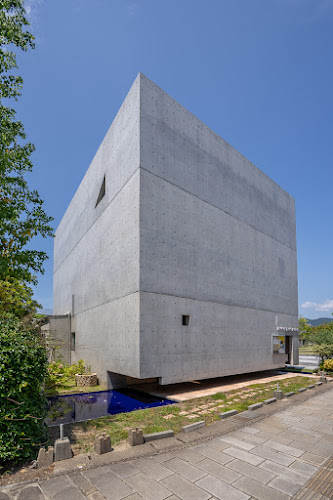
Nagasaki Peace Museum
About Nagasaki Peace Museum
Description
The Nagasaki Peace Museum is not a place you rush through. It’s the kind of museum that slows your steps whether you want it to or not. Dedicated to the atomic bombing of Nagasaki on August 9, 1945, this museum serves as a war memorial, a historical archive, and—honestly—a quiet emotional reckoning for travelers who thought they were “prepared.” Spoiler: most people aren’t.
The museum walks you through what happened before, during, and after the atomic bomb, using photographs, survivor testimonies, personal belongings, and recreated scenes that feel unsettlingly real. And yeah, some exhibits hit harder than others. I remember standing in front of a melted rosary and thinking about how objects outlast people. That thought stuck with me for days. Probably will forever.
Unlike some war museums that lean heavily into military strategy, this one centers civilians. Families. Kids. Everyday routines that were interrupted in a blinding flash. The storytelling is direct and, at times, blunt. But it never feels sensationalized. It feels honest. And sometimes honesty is uncomfortable, but that’s kind of the point.
Travelers should know that the museum doesn’t only dwell on tragedy. There’s a strong emphasis on peace education and nuclear disarmament. You’ll see messages from Nagasaki to the world, reminders that this city considers itself a messenger of peace. It’s a heavy theme, yes, but it’s paired with resilience. You leave feeling somber, but not hopeless.
The building itself is modern, clean-lined, and accessible, with wide spaces that allow you to pause, sit, and reflect. Wheelchair access is well thought out, which matters more than people realize until they need it. Restrooms are available, and while there’s no restaurant inside, the surrounding area has plenty of options once you step back into the daylight.
For travelers who want to understand Nagasaki beyond postcards and food stalls, this museum is essential. Not optional. Essential.
Key Features
- Detailed exhibits explaining the atomic bomb’s impact on Nagasaki, from immediate destruction to long-term health effects
- Personal artifacts recovered from the blast area, including clothing, school items, and religious objects
- Firsthand survivor accounts presented through text, audio, and video (these will stay with you)
- Life-sized reconstructions showing the aftermath of the explosion inside homes and streets
- Peace-focused galleries advocating nuclear disarmament and global cooperation
- Child-friendly explanations in certain sections, making it suitable for families who want educational depth
- Wheelchair-accessible entrance and restrooms for inclusive visiting
Best Time to Visit
If you’re planning your trip and wondering when to visit the Nagasaki Peace Museum, timing matters more than you’d think. Mornings are best. Earlier in the day, the museum is quieter, and the emotional weight feels more manageable when you’re not weaving through crowds. I once went late afternoon and felt rushed by closing time, which is not the vibe you want here.
August, especially around the 9th, carries deep significance. Ceremonies and memorial events take place across the city, and the atmosphere is intense, reflective, and communal. But also crowded. If you’re comfortable with that emotional density, it can be powerful. If not, consider late spring or autumn when the weather is gentler and the visitor flow steadier.
Weekdays tend to be calmer than weekends. And rainy days, oddly enough, can be perfect. Something about the quiet drizzle outside matches the tone inside. Just saying.
Plan at least two hours, maybe more if you read everything. And you should read everything. Skimming here feels disrespectful, even if no one’s watching.
How to Get There
The Nagasaki Peace Museum is located within the Peace Park area, which makes it relatively easy to reach using public transportation. Trams are the most common option for travelers, and they’re straightforward even if your Japanese is, let’s say, minimal. I managed fine with a combination of Google Maps and pointing.
From central Nagasaki, tram lines run frequently toward the Peace Park stops. From there, it’s a short walk—flat, well-marked, and surrounded by memorials that gently ease you into the museum experience. Taxis are also an option, especially if you’re traveling with kids or elderly family members. Drivers generally know the location without much explanation.
If you’re walking from nearby attractions, give yourself extra time. The area invites slow movement. Benches, statues, and plaques sort of demand pauses. Don’t fight it.
Tips for Visiting
First tip: go in with an open heart. That sounds cheesy, I know, but this isn’t a box-ticking attraction. It’s emotional labor, in a way. You might feel sadness, anger, confusion, or all three at once. Totally normal.
Second, if you’re traveling with children, talk beforehand. The museum is good for kids in terms of accessibility and explanations, but some visuals are intense. Use your judgment. I saw one family take breaks outside between galleries, and that seemed smart.
Photography rules are clearly marked. Respect them. Some areas allow photos, others don’t, and there’s a reason. Not everything needs to be captured for social media. Some things are meant to stay with you privately.
Wear comfortable shoes. You’ll be standing more than you expect, and the emotional fatigue somehow makes your feet tired too. That’s real.
After your visit, give yourself decompression time. Walk through Peace Park. Sit by the fountain. I grabbed a coffee afterward and just stared into space for a bit. Highly recommend. Jumping straight into shopping or sightseeing feels jarring.
And lastly, don’t rush your opinion. Some visitors find the museum overwhelming. Others find it enlightening. Both reactions are valid. What matters is that you showed up, listened, and carried the message forward in your own way.
The Nagasaki Peace Museum isn’t about leaving with answers. It’s about leaving with better questions. And as a traveler, that’s sometimes the most valuable souvenir you can take home.
Key Features
- Detailed exhibits explaining the atomic bomb’s impact on Nagasaki, from immediate destruction to long-term health effects
- Personal artifacts recovered from the blast area, including clothing, school items, and religious objects
- Firsthand survivor accounts presented through text, audio, and video (these will stay with you)
- Life-sized reconstructions showing the aftermath of the explosion inside homes and streets
- Peace-focused galleries advocating nuclear disarmament and global cooperation
- Child-friendly explanations in certain sections, making it suitable for families who want educational depth
- Wheelchair-accessible entrance and restrooms for inclusive visiting
More Details
Updated December 31, 2025
Table of Contents
Description
The Nagasaki Peace Museum is not a place you rush through. It’s the kind of museum that slows your steps whether you want it to or not. Dedicated to the atomic bombing of Nagasaki on August 9, 1945, this museum serves as a war memorial, a historical archive, and—honestly—a quiet emotional reckoning for travelers who thought they were “prepared.” Spoiler: most people aren’t.
The museum walks you through what happened before, during, and after the atomic bomb, using photographs, survivor testimonies, personal belongings, and recreated scenes that feel unsettlingly real. And yeah, some exhibits hit harder than others. I remember standing in front of a melted rosary and thinking about how objects outlast people. That thought stuck with me for days. Probably will forever.
Unlike some war museums that lean heavily into military strategy, this one centers civilians. Families. Kids. Everyday routines that were interrupted in a blinding flash. The storytelling is direct and, at times, blunt. But it never feels sensationalized. It feels honest. And sometimes honesty is uncomfortable, but that’s kind of the point.
Travelers should know that the museum doesn’t only dwell on tragedy. There’s a strong emphasis on peace education and nuclear disarmament. You’ll see messages from Nagasaki to the world, reminders that this city considers itself a messenger of peace. It’s a heavy theme, yes, but it’s paired with resilience. You leave feeling somber, but not hopeless.
The building itself is modern, clean-lined, and accessible, with wide spaces that allow you to pause, sit, and reflect. Wheelchair access is well thought out, which matters more than people realize until they need it. Restrooms are available, and while there’s no restaurant inside, the surrounding area has plenty of options once you step back into the daylight.
For travelers who want to understand Nagasaki beyond postcards and food stalls, this museum is essential. Not optional. Essential.
Key Features
- Detailed exhibits explaining the atomic bomb’s impact on Nagasaki, from immediate destruction to long-term health effects
- Personal artifacts recovered from the blast area, including clothing, school items, and religious objects
- Firsthand survivor accounts presented through text, audio, and video (these will stay with you)
- Life-sized reconstructions showing the aftermath of the explosion inside homes and streets
- Peace-focused galleries advocating nuclear disarmament and global cooperation
- Child-friendly explanations in certain sections, making it suitable for families who want educational depth
- Wheelchair-accessible entrance and restrooms for inclusive visiting
Best Time to Visit
If you’re planning your trip and wondering when to visit the Nagasaki Peace Museum, timing matters more than you’d think. Mornings are best. Earlier in the day, the museum is quieter, and the emotional weight feels more manageable when you’re not weaving through crowds. I once went late afternoon and felt rushed by closing time, which is not the vibe you want here.
August, especially around the 9th, carries deep significance. Ceremonies and memorial events take place across the city, and the atmosphere is intense, reflective, and communal. But also crowded. If you’re comfortable with that emotional density, it can be powerful. If not, consider late spring or autumn when the weather is gentler and the visitor flow steadier.
Weekdays tend to be calmer than weekends. And rainy days, oddly enough, can be perfect. Something about the quiet drizzle outside matches the tone inside. Just saying.
Plan at least two hours, maybe more if you read everything. And you should read everything. Skimming here feels disrespectful, even if no one’s watching.
How to Get There
The Nagasaki Peace Museum is located within the Peace Park area, which makes it relatively easy to reach using public transportation. Trams are the most common option for travelers, and they’re straightforward even if your Japanese is, let’s say, minimal. I managed fine with a combination of Google Maps and pointing.
From central Nagasaki, tram lines run frequently toward the Peace Park stops. From there, it’s a short walk—flat, well-marked, and surrounded by memorials that gently ease you into the museum experience. Taxis are also an option, especially if you’re traveling with kids or elderly family members. Drivers generally know the location without much explanation.
If you’re walking from nearby attractions, give yourself extra time. The area invites slow movement. Benches, statues, and plaques sort of demand pauses. Don’t fight it.
Tips for Visiting
First tip: go in with an open heart. That sounds cheesy, I know, but this isn’t a box-ticking attraction. It’s emotional labor, in a way. You might feel sadness, anger, confusion, or all three at once. Totally normal.
Second, if you’re traveling with children, talk beforehand. The museum is good for kids in terms of accessibility and explanations, but some visuals are intense. Use your judgment. I saw one family take breaks outside between galleries, and that seemed smart.
Photography rules are clearly marked. Respect them. Some areas allow photos, others don’t, and there’s a reason. Not everything needs to be captured for social media. Some things are meant to stay with you privately.
Wear comfortable shoes. You’ll be standing more than you expect, and the emotional fatigue somehow makes your feet tired too. That’s real.
After your visit, give yourself decompression time. Walk through Peace Park. Sit by the fountain. I grabbed a coffee afterward and just stared into space for a bit. Highly recommend. Jumping straight into shopping or sightseeing feels jarring.
And lastly, don’t rush your opinion. Some visitors find the museum overwhelming. Others find it enlightening. Both reactions are valid. What matters is that you showed up, listened, and carried the message forward in your own way.
The Nagasaki Peace Museum isn’t about leaving with answers. It’s about leaving with better questions. And as a traveler, that’s sometimes the most valuable souvenir you can take home.
Key Highlights
- Detailed exhibits explaining the atomic bomb’s impact on Nagasaki, from immediate destruction to long-term health effects
- Personal artifacts recovered from the blast area, including clothing, school items, and religious objects
- Firsthand survivor accounts presented through text, audio, and video (these will stay with you)
- Life-sized reconstructions showing the aftermath of the explosion inside homes and streets
- Peace-focused galleries advocating nuclear disarmament and global cooperation
- Child-friendly explanations in certain sections, making it suitable for families who want educational depth
- Wheelchair-accessible entrance and restrooms for inclusive visiting
Location
Places to Stay Near Nagasaki Peace Museum
Find and Book a Tour
Explore More Travel Guides
No reviews found! Be the first to review!
Traveler Reviews for Nagasaki Peace Museum
There are no reviews yet. Be the first one to write one.
Have you visited Nagasaki Peace Museum? Help other travelers by sharing your review.
You Might Also Like
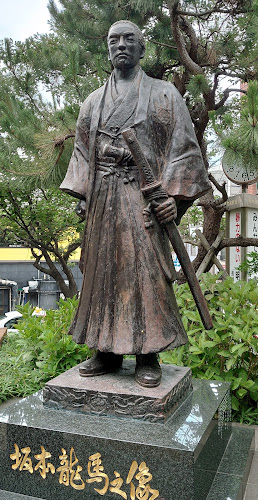
Statue of Ryoma Sakamoto
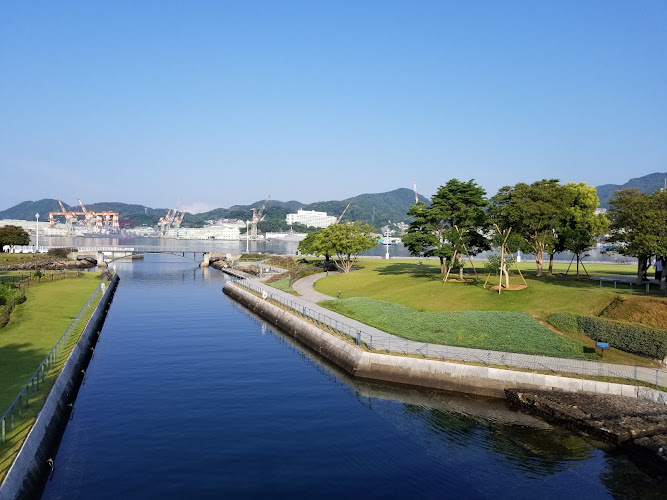
Nagasaki Seaside Park
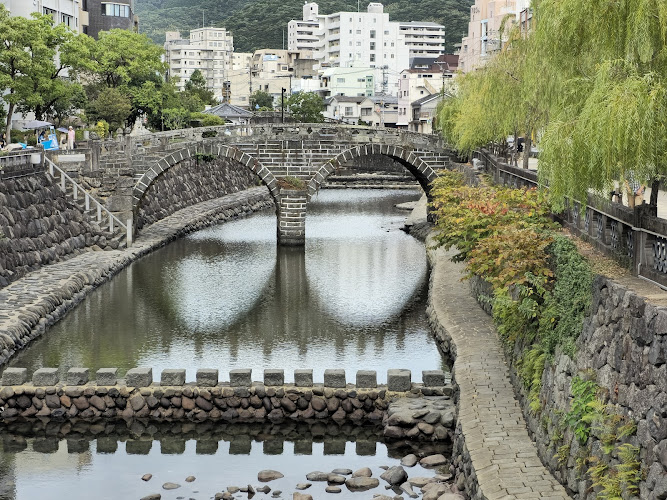
Megane Bridge
Find Accommodations Nearby
Recommended Tours & Activities
Visitor Reviews
There are no reviews yet. Be the first one to write one.
Share Your Experience
Have you visited Nagasaki Peace Museum? Help other travelers by leaving a review.