

Museum of Modern History of Korea
About Museum of Modern History of Korea
Walking through the Museum of Modern History of Korea feels a bit like flipping through a family album you didn’t know you were related to. It’s personal, sometimes uncomfortable, often fascinating, and oddly emotional for a museum that deals mostly with the 20th century. This is not a glossy, polished attraction trying to entertain you with flashing screens every five seconds. It’s quieter than that. More reflective. And honestly, that’s what makes it memorable.
The museum focuses on Korea’s modern era, roughly from the late Joseon period through Japanese occupation, the Korean War, and into the rapid industrial and social changes of the late 20th century. For travelers, especially those who’ve already done the palaces and temples circuit, this place fills in the why behind modern Korea. Why things look the way they do. Why certain emotions still feel close to the surface. And why progress here has always come at a cost.
I remember my first visit pretty clearly. I went in expecting a quick walk-through and came out two hours later slightly dazed. Some exhibits hit harder than I expected. Others were surprisingly domestic and ordinary. Old school uniforms. Black-and-white photos of crowded streets. Radios, posters, handwritten notes. It reminded me of my grandparents’ stories back home, which made it feel weirdly familiar, even though the history itself was very Korean.
Description
The Museum of Modern History of Korea presents everyday life, political upheaval, and social change in a grounded, almost humble way. It doesn’t try to overwhelm you with grand narratives. Instead, it shows how ordinary people lived through extraordinary times. And that approach works.
Exhibits are arranged chronologically, but there’s flexibility in how you explore. You can follow the timeline carefully, or wander and focus on themes that catch your eye, like education, media, urban life, or family structures. Some rooms are dense with information, others rely more on visuals. And yes, there are moments where you might feel the explanations could go deeper, but overall the balance is fair.
What stood out to me was how much space is given to daily life. Not just wars and leaders, but kitchens, classrooms, streets, and shops. That’s where the museum shines. It quietly shows how history trickles down into the smallest habits. The way people dressed. What kids learned in school. What songs were popular. It makes history feel lived-in, not abstract.
Families with kids will appreciate that some sections are designed to be accessible and engaging without being dumbed down. Kids might not read every panel, obviously, but they’ll recognize objects and settings. And parents get something real out of it too. It’s rare to find a museum that manages both without turning into chaos.
The museum isn’t flawless. Some travelers might find parts a little static or text-heavy. And accessibility could be better, especially for visitors with mobility concerns. But taken as a whole, it offers a thoughtful, balanced view of modern Korean history that doesn’t sugarcoat or dramatize unnecessarily.
Key Features
- Chronological exhibits covering colonization, war, reconstruction, and modernization
- Detailed recreations of everyday spaces like classrooms, homes, and streets
- Original artifacts including documents, clothing, household items, and media
- Interactive displays that explain social and cultural shifts in simple terms
- Family-friendly layout that works for parents traveling with children
- Clear English explanations in most sections, helpful for international visitors
- A calm, reflective atmosphere that encourages slow exploration
One small feature I loved, and almost missed, was a section on post-war education. Old textbooks, exam schedules, and classroom photos. It took me right back to my own school days, minus the uniforms and strict Confucian discipline. These are the kinds of details that don’t make headlines but stick with you.
Best Time to Visit
Timing matters here, mostly because this museum rewards patience and quiet. Weekday mornings are ideal if you want space to read, think, and absorb. Late mornings tend to be calm, especially outside peak tourist seasons. Afternoons can get busier, particularly with school groups, which adds noise and movement. Not bad, just different.
Weather isn’t a big factor since most of your time is indoors. But if you’re visiting Korea during summer or winter extremes, this museum becomes a very appealing stop. Climate-controlled, unrushed, and mentally stimulating without being exhausting.
If you’re the type who likes to pair experiences, this museum works well before or after a walk-heavy day. It’s not physically demanding, but mentally it asks a bit of you. I wouldn’t squeeze it between a dozen other attractions. Give it time. Two hours is a sweet spot, more if you’re really into social history.
And one personal tip: avoid rushing through late in the day. I once tried to “quickly” visit an hour before closing and regretted it. The last thing you want is to skim panels about war and recovery while checking your watch.
How to Get There
Getting to the Museum of Modern History of Korea is straightforward, especially if you’re already exploring central areas. Public transportation is the easiest option, with nearby subway stations and bus stops making access simple for travelers unfamiliar with Korean roads.
If you’re walking from nearby cultural or government districts, it’s a pleasant route, mostly flat and well-marked. Taxis are also easy to use and relatively affordable, especially if you’re traveling with family or on a tight schedule.
One thing to note, and this is important, the entrance setup isn’t the most intuitive the first time. Don’t be embarrassed if you hesitate or walk past it once. I did. Just slow down and check signage carefully. Once inside, everything becomes much clearer.
Because the museum doesn’t have a restaurant, plan meals before or after your visit. There are options nearby, but it’s better to decide ahead so you’re not distracted halfway through an exhibit thinking about lunch.
Tips for Visiting
If you want to get the most out of this museum, a little preparation goes a long way. First, come with at least a basic idea of Korean modern history. You don’t need to be an expert, but knowing the broad strokes helps the details click into place faster.
Second, wear comfortable shoes, but don’t overthink it. You’ll be standing and walking, but not endlessly. The layout encourages lingering. Benches are scattered around, which I appreciated more than I expected. Sitting down to process what you’ve just read is part of the experience.
For parents, this is a good museum to talk with your kids as you go. Ask them what they notice. What looks different from their own lives. Kids pick up on things adults gloss over, like how small apartments were or how strict classrooms looked.
Restrooms are available and clean, which sounds minor but matters when you’re traveling. There’s no on-site restaurant, so snacks beforehand aren’t a bad idea, especially with children.
Photography rules vary by exhibit. Some areas allow photos, others don’t. Pay attention to signage and respect it. This isn’t the place for constant selfies anyway. It’s more about looking than documenting.
And finally, allow yourself to feel a little unsettled. This museum doesn’t wrap history up neatly. It shows progress, yes, but also loss and tension. That’s honest. That’s real. I left feeling more informed, but also more thoughtful. Which, in my opinion, is exactly what a good museum should do.
If you’re a traveler who likes understanding places beyond surface-level attractions, the Museum of Modern History of Korea deserves a spot on your itinerary. It won’t shout at you. It won’t rush you. But it will stay with you, long after you walk back out into modern Seoul and realize just how much of the past is still walking beside you.
Key Features
- Chronological exhibits covering colonization, war, reconstruction, and modernization
- Detailed recreations of everyday spaces like classrooms, homes, and streets
- Original artifacts including documents, clothing, household items, and media
- Interactive displays that explain social and cultural shifts in simple terms
- Family-friendly layout that works for parents traveling with children
- Clear English explanations in most sections, helpful for international visitors
- A calm, reflective atmosphere that encourages slow exploration
More Details
Updated January 1, 2026
Walking through the Museum of Modern History of Korea feels a bit like flipping through a family album you didn’t know you were related to. It’s personal, sometimes uncomfortable, often fascinating, and oddly emotional for a museum that deals mostly with the 20th century. This is not a glossy, polished attraction trying to entertain you with flashing screens every five seconds. It’s quieter than that. More reflective. And honestly, that’s what makes it memorable.
The museum focuses on Korea’s modern era, roughly from the late Joseon period through Japanese occupation, the Korean War, and into the rapid industrial and social changes of the late 20th century. For travelers, especially those who’ve already done the palaces and temples circuit, this place fills in the why behind modern Korea. Why things look the way they do. Why certain emotions still feel close to the surface. And why progress here has always come at a cost.
I remember my first visit pretty clearly. I went in expecting a quick walk-through and came out two hours later slightly dazed. Some exhibits hit harder than I expected. Others were surprisingly domestic and ordinary. Old school uniforms. Black-and-white photos of crowded streets. Radios, posters, handwritten notes. It reminded me of my grandparents’ stories back home, which made it feel weirdly familiar, even though the history itself was very Korean.
Table of Contents
Description
The Museum of Modern History of Korea presents everyday life, political upheaval, and social change in a grounded, almost humble way. It doesn’t try to overwhelm you with grand narratives. Instead, it shows how ordinary people lived through extraordinary times. And that approach works.
Exhibits are arranged chronologically, but there’s flexibility in how you explore. You can follow the timeline carefully, or wander and focus on themes that catch your eye, like education, media, urban life, or family structures. Some rooms are dense with information, others rely more on visuals. And yes, there are moments where you might feel the explanations could go deeper, but overall the balance is fair.
What stood out to me was how much space is given to daily life. Not just wars and leaders, but kitchens, classrooms, streets, and shops. That’s where the museum shines. It quietly shows how history trickles down into the smallest habits. The way people dressed. What kids learned in school. What songs were popular. It makes history feel lived-in, not abstract.
Families with kids will appreciate that some sections are designed to be accessible and engaging without being dumbed down. Kids might not read every panel, obviously, but they’ll recognize objects and settings. And parents get something real out of it too. It’s rare to find a museum that manages both without turning into chaos.
The museum isn’t flawless. Some travelers might find parts a little static or text-heavy. And accessibility could be better, especially for visitors with mobility concerns. But taken as a whole, it offers a thoughtful, balanced view of modern Korean history that doesn’t sugarcoat or dramatize unnecessarily.
Key Features
- Chronological exhibits covering colonization, war, reconstruction, and modernization
- Detailed recreations of everyday spaces like classrooms, homes, and streets
- Original artifacts including documents, clothing, household items, and media
- Interactive displays that explain social and cultural shifts in simple terms
- Family-friendly layout that works for parents traveling with children
- Clear English explanations in most sections, helpful for international visitors
- A calm, reflective atmosphere that encourages slow exploration
One small feature I loved, and almost missed, was a section on post-war education. Old textbooks, exam schedules, and classroom photos. It took me right back to my own school days, minus the uniforms and strict Confucian discipline. These are the kinds of details that don’t make headlines but stick with you.
Best Time to Visit
Timing matters here, mostly because this museum rewards patience and quiet. Weekday mornings are ideal if you want space to read, think, and absorb. Late mornings tend to be calm, especially outside peak tourist seasons. Afternoons can get busier, particularly with school groups, which adds noise and movement. Not bad, just different.
Weather isn’t a big factor since most of your time is indoors. But if you’re visiting Korea during summer or winter extremes, this museum becomes a very appealing stop. Climate-controlled, unrushed, and mentally stimulating without being exhausting.
If you’re the type who likes to pair experiences, this museum works well before or after a walk-heavy day. It’s not physically demanding, but mentally it asks a bit of you. I wouldn’t squeeze it between a dozen other attractions. Give it time. Two hours is a sweet spot, more if you’re really into social history.
And one personal tip: avoid rushing through late in the day. I once tried to “quickly” visit an hour before closing and regretted it. The last thing you want is to skim panels about war and recovery while checking your watch.
How to Get There
Getting to the Museum of Modern History of Korea is straightforward, especially if you’re already exploring central areas. Public transportation is the easiest option, with nearby subway stations and bus stops making access simple for travelers unfamiliar with Korean roads.
If you’re walking from nearby cultural or government districts, it’s a pleasant route, mostly flat and well-marked. Taxis are also easy to use and relatively affordable, especially if you’re traveling with family or on a tight schedule.
One thing to note, and this is important, the entrance setup isn’t the most intuitive the first time. Don’t be embarrassed if you hesitate or walk past it once. I did. Just slow down and check signage carefully. Once inside, everything becomes much clearer.
Because the museum doesn’t have a restaurant, plan meals before or after your visit. There are options nearby, but it’s better to decide ahead so you’re not distracted halfway through an exhibit thinking about lunch.
Tips for Visiting
If you want to get the most out of this museum, a little preparation goes a long way. First, come with at least a basic idea of Korean modern history. You don’t need to be an expert, but knowing the broad strokes helps the details click into place faster.
Second, wear comfortable shoes, but don’t overthink it. You’ll be standing and walking, but not endlessly. The layout encourages lingering. Benches are scattered around, which I appreciated more than I expected. Sitting down to process what you’ve just read is part of the experience.
For parents, this is a good museum to talk with your kids as you go. Ask them what they notice. What looks different from their own lives. Kids pick up on things adults gloss over, like how small apartments were or how strict classrooms looked.
Restrooms are available and clean, which sounds minor but matters when you’re traveling. There’s no on-site restaurant, so snacks beforehand aren’t a bad idea, especially with children.
Photography rules vary by exhibit. Some areas allow photos, others don’t. Pay attention to signage and respect it. This isn’t the place for constant selfies anyway. It’s more about looking than documenting.
And finally, allow yourself to feel a little unsettled. This museum doesn’t wrap history up neatly. It shows progress, yes, but also loss and tension. That’s honest. That’s real. I left feeling more informed, but also more thoughtful. Which, in my opinion, is exactly what a good museum should do.
If you’re a traveler who likes understanding places beyond surface-level attractions, the Museum of Modern History of Korea deserves a spot on your itinerary. It won’t shout at you. It won’t rush you. But it will stay with you, long after you walk back out into modern Seoul and realize just how much of the past is still walking beside you.
Key Highlights
- Chronological exhibits covering colonization, war, reconstruction, and modernization
- Detailed recreations of everyday spaces like classrooms, homes, and streets
- Original artifacts including documents, clothing, household items, and media
- Interactive displays that explain social and cultural shifts in simple terms
- Family-friendly layout that works for parents traveling with children
- Clear English explanations in most sections, helpful for international visitors
- A calm, reflective atmosphere that encourages slow exploration
Location
Places to Stay Near Museum of Modern History of Korea
Find and Book a Tour
Explore More Travel Guides
No reviews found! Be the first to review!
Traveler Reviews for Museum of Modern History of Korea
There are no reviews yet. Be the first one to write one.
Have you visited Museum of Modern History of Korea? Help other travelers by sharing your review.
You Might Also Like
89 Samneung-ro, Jori-eup
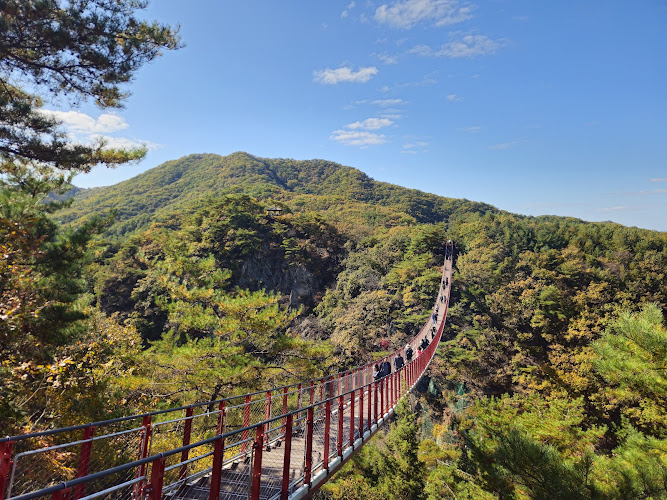
Gamaksan Suspension Bridge
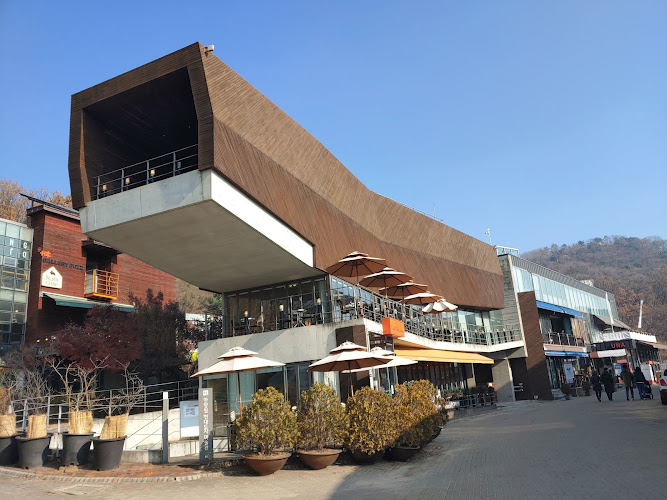
Paju Heyri Art Village
Find Accommodations Nearby
Recommended Tours & Activities
Visitor Reviews
There are no reviews yet. Be the first one to write one.
Share Your Experience
Have you visited Museum of Modern History of Korea? Help other travelers by leaving a review.