
211 Munbal-dong
About 211 Munbal-dong
Description
211 Munbal-dong sits in that interesting in‑between space where everyday Korean life meets the curiosity of travelers who wander just a bit outside the usual Seoul circuit. The area is part of Munbal-dong in Paju, a city known for its creative industries, book publishing culture, and wide, open streets that feel oddly calming after the density of the capital. This specific pocket doesn’t scream for attention. And that’s kind of the point.
The surroundings lean practical rather than flashy. Office buildings, design studios, cafés that serve solid coffee without making a fuss about it, and stretches of road where you can actually hear your own footsteps. For travelers who like to see how locals move through a regular workday, 211 Munbal-dong offers that unfiltered view. It’s not a postcard spot, but it’s real, and sometimes real sticks with you longer.
There’s also a quiet creative pulse running through the area. Munbal-dong is closely tied to the publishing world, and you can feel it in the atmosphere. Book-themed architecture, minimalist signage, and thoughtfully designed spaces show up where you least expect them. The area doesn’t explain itself, though. You’re supposed to notice, slow down, and connect the dots.
The vibe is calm, slightly industrial, and refreshingly honest. Some travelers may find it underwhelming at first glance. Others, especially those tired of crowded attractions, end up appreciating its understated rhythm. And honestly, after years of traveling around Korea myself, places like this are where I end up lingering longer than planned, usually with a coffee in hand and nowhere urgent to be.
Key Features
- Located in Paju’s Munbal-dong area, known for its publishing and creative industries
- Wide streets and open layouts that feel less hectic than central Seoul
- Low-key cafés, workspaces, and eateries frequented by locals
- Architectural elements tied to book culture and modern Korean design
- A calm environment suitable for slow exploration and casual walks
- Easy access to nearby cultural complexes and creative districts
One thing worth mentioning is how walkable the area feels. Not in a touristy way, but in a practical, lived-in way. You see office workers heading out for lunch, delivery scooters weaving through side streets, and the occasional photographer lining up a shot of a building façade that most people would walk past. Those little scenes add up.
Best Time to Visit
The best time to visit 211 Munbal-dong is during spring and autumn, hands down. Spring brings mild temperatures and clearer skies, which make wandering the streets feel effortless. Autumn, on the other hand, adds a soft golden light that somehow makes the concrete and glass look warmer. If you enjoy walking without breaking into a sweat or freezing your hands off, aim for these seasons.
Summer can be hit or miss. The heat and humidity are real, and since the area isn’t built around shaded tourist walkways, midday exploration can feel tiring fast. That said, early mornings and evenings are surprisingly pleasant, especially if you duck into cafés during the hottest hours. Winter is quiet. Very quiet. Cold, yes, but also peaceful. If you don’t mind bundling up, winter visits feel almost meditative.
Weekdays give you the most authentic sense of the area. Offices are open, cafés are busy with regulars, and the neighborhood feels alive in a subtle way. Weekends slow things down. Some spots close or shorten hours, which can either be disappointing or exactly what you want if you’re chasing calm.
How to Get There
Getting to 211 Munbal-dong is straightforward if you’re already in the greater Seoul area. Paju is well connected by public transportation, and Munbal-dong is not some hidden corner that requires heroic navigation skills. Travelers typically use a combination of subway and bus or opt for taxis, which are relatively affordable for short distances once you’re in Paju.
For those coming from Seoul, the journey feels like a gradual decompression. High-rises thin out, traffic noise softens, and the landscape opens up. It’s one of those transitions that you don’t notice until you’re already calmer. And yes, I’ve missed my stop once because I was staring out the window. No regrets.
If you’re driving, the area is accessible via major roads, and parking tends to be less stressful than in central Seoul. Just keep an eye on local parking rules, which can change depending on the building or time of day. Navigation apps generally do a decent job here.
Tips for Visiting
First tip: adjust your expectations. 211 Munbal-dong isn’t trying to impress you, so don’t demand that it does. Go in curious, not checklist-driven. You’ll notice more that way.
Wear comfortable shoes. This sounds obvious, but the joy of the area comes from walking without a plan. Some of the best moments happen when you wander down a side street just because it looks interesting. And it often is.
Plan at least a few hours, even if it seems like there’s “not much to do.” The charm is in the pacing. Grab a coffee, sit by a window, people-watch. I once spent an entire afternoon moving between two cafés and a bookstore nearby, and it felt oddly productive for the soul.
Don’t rush meals. Local eateries here cater to workers, which means decent portions, honest flavors, and prices that won’t make you wince. Ask for recommendations if you’re unsure. People may seem reserved at first, but they’re usually helpful once you break the ice.
If you’re into photography, bring a lens that handles architecture well. Clean lines, unexpected angles, and reflections are everywhere. The light changes fast, though, so stay alert. Some of my favorite shots in Korea came from places I didn’t plan to photograph at all.
Lastly, pair your visit with nearby cultural spots in Paju if time allows. 211 Munbal-dong works best as part of a slower day, not a rushed itinerary. Give it space to breathe, and it will.
In the end, 211 Munbal-dong appeals to a certain kind of traveler. The kind who likes seeing how places function when they’re not performing. It may not leave you with dramatic photos or dramatic stories. But it might leave you feeling grounded, and that’s a souvenir worth carrying home.
Key Features
- Located in Paju’s Munbal-dong area, known for its publishing and creative industries
- Wide streets and open layouts that feel less hectic than central Seoul
- Low-key cafés, workspaces, and eateries frequented by locals
- Architectural elements tied to book culture and modern Korean design
- A calm environment suitable for slow exploration and casual walks
- Easy access to nearby cultural complexes and creative districts
More Details
Updated January 1, 2026
Table of Contents
Description
211 Munbal-dong sits in that interesting in‑between space where everyday Korean life meets the curiosity of travelers who wander just a bit outside the usual Seoul circuit. The area is part of Munbal-dong in Paju, a city known for its creative industries, book publishing culture, and wide, open streets that feel oddly calming after the density of the capital. This specific pocket doesn’t scream for attention. And that’s kind of the point.
The surroundings lean practical rather than flashy. Office buildings, design studios, cafés that serve solid coffee without making a fuss about it, and stretches of road where you can actually hear your own footsteps. For travelers who like to see how locals move through a regular workday, 211 Munbal-dong offers that unfiltered view. It’s not a postcard spot, but it’s real, and sometimes real sticks with you longer.
There’s also a quiet creative pulse running through the area. Munbal-dong is closely tied to the publishing world, and you can feel it in the atmosphere. Book-themed architecture, minimalist signage, and thoughtfully designed spaces show up where you least expect them. The area doesn’t explain itself, though. You’re supposed to notice, slow down, and connect the dots.
The vibe is calm, slightly industrial, and refreshingly honest. Some travelers may find it underwhelming at first glance. Others, especially those tired of crowded attractions, end up appreciating its understated rhythm. And honestly, after years of traveling around Korea myself, places like this are where I end up lingering longer than planned, usually with a coffee in hand and nowhere urgent to be.
Key Features
- Located in Paju’s Munbal-dong area, known for its publishing and creative industries
- Wide streets and open layouts that feel less hectic than central Seoul
- Low-key cafés, workspaces, and eateries frequented by locals
- Architectural elements tied to book culture and modern Korean design
- A calm environment suitable for slow exploration and casual walks
- Easy access to nearby cultural complexes and creative districts
One thing worth mentioning is how walkable the area feels. Not in a touristy way, but in a practical, lived-in way. You see office workers heading out for lunch, delivery scooters weaving through side streets, and the occasional photographer lining up a shot of a building façade that most people would walk past. Those little scenes add up.
Best Time to Visit
The best time to visit 211 Munbal-dong is during spring and autumn, hands down. Spring brings mild temperatures and clearer skies, which make wandering the streets feel effortless. Autumn, on the other hand, adds a soft golden light that somehow makes the concrete and glass look warmer. If you enjoy walking without breaking into a sweat or freezing your hands off, aim for these seasons.
Summer can be hit or miss. The heat and humidity are real, and since the area isn’t built around shaded tourist walkways, midday exploration can feel tiring fast. That said, early mornings and evenings are surprisingly pleasant, especially if you duck into cafés during the hottest hours. Winter is quiet. Very quiet. Cold, yes, but also peaceful. If you don’t mind bundling up, winter visits feel almost meditative.
Weekdays give you the most authentic sense of the area. Offices are open, cafés are busy with regulars, and the neighborhood feels alive in a subtle way. Weekends slow things down. Some spots close or shorten hours, which can either be disappointing or exactly what you want if you’re chasing calm.
How to Get There
Getting to 211 Munbal-dong is straightforward if you’re already in the greater Seoul area. Paju is well connected by public transportation, and Munbal-dong is not some hidden corner that requires heroic navigation skills. Travelers typically use a combination of subway and bus or opt for taxis, which are relatively affordable for short distances once you’re in Paju.
For those coming from Seoul, the journey feels like a gradual decompression. High-rises thin out, traffic noise softens, and the landscape opens up. It’s one of those transitions that you don’t notice until you’re already calmer. And yes, I’ve missed my stop once because I was staring out the window. No regrets.
If you’re driving, the area is accessible via major roads, and parking tends to be less stressful than in central Seoul. Just keep an eye on local parking rules, which can change depending on the building or time of day. Navigation apps generally do a decent job here.
Tips for Visiting
First tip: adjust your expectations. 211 Munbal-dong isn’t trying to impress you, so don’t demand that it does. Go in curious, not checklist-driven. You’ll notice more that way.
Wear comfortable shoes. This sounds obvious, but the joy of the area comes from walking without a plan. Some of the best moments happen when you wander down a side street just because it looks interesting. And it often is.
Plan at least a few hours, even if it seems like there’s “not much to do.” The charm is in the pacing. Grab a coffee, sit by a window, people-watch. I once spent an entire afternoon moving between two cafés and a bookstore nearby, and it felt oddly productive for the soul.
Don’t rush meals. Local eateries here cater to workers, which means decent portions, honest flavors, and prices that won’t make you wince. Ask for recommendations if you’re unsure. People may seem reserved at first, but they’re usually helpful once you break the ice.
If you’re into photography, bring a lens that handles architecture well. Clean lines, unexpected angles, and reflections are everywhere. The light changes fast, though, so stay alert. Some of my favorite shots in Korea came from places I didn’t plan to photograph at all.
Lastly, pair your visit with nearby cultural spots in Paju if time allows. 211 Munbal-dong works best as part of a slower day, not a rushed itinerary. Give it space to breathe, and it will.
In the end, 211 Munbal-dong appeals to a certain kind of traveler. The kind who likes seeing how places function when they’re not performing. It may not leave you with dramatic photos or dramatic stories. But it might leave you feeling grounded, and that’s a souvenir worth carrying home.
Key Highlights
- Located in Paju’s Munbal-dong area, known for its publishing and creative industries
- Wide streets and open layouts that feel less hectic than central Seoul
- Low-key cafés, workspaces, and eateries frequented by locals
- Architectural elements tied to book culture and modern Korean design
- A calm environment suitable for slow exploration and casual walks
- Easy access to nearby cultural complexes and creative districts
Location
Places to Stay Near 파주라기
Find and Book a Tour
Explore More Travel Guides
No reviews found! Be the first to review!
Traveler Reviews for 211 Munbal-dong
There are no reviews yet. Be the first one to write one.
Have you visited 211 Munbal-dong? Help other travelers by sharing your review.
You Might Also Like
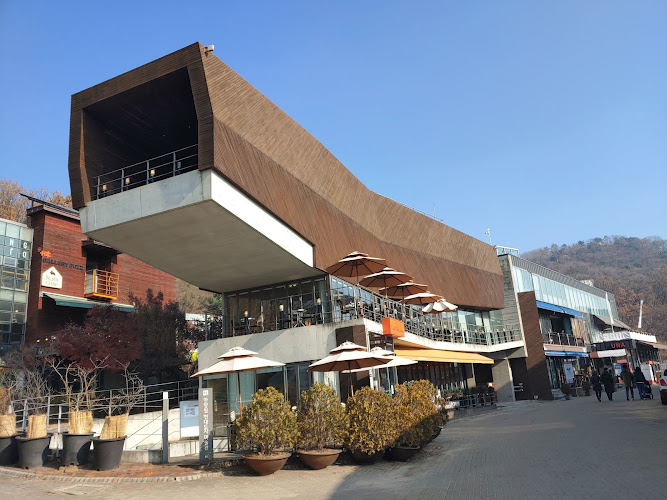
Paju Heyri Art Village
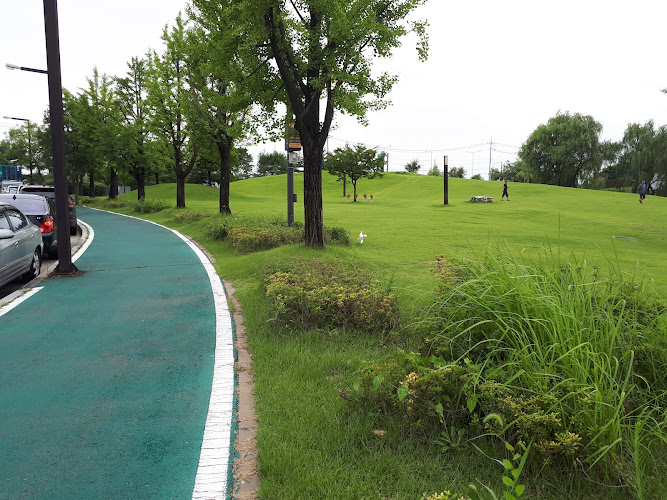
Paju Book City Ecological Park
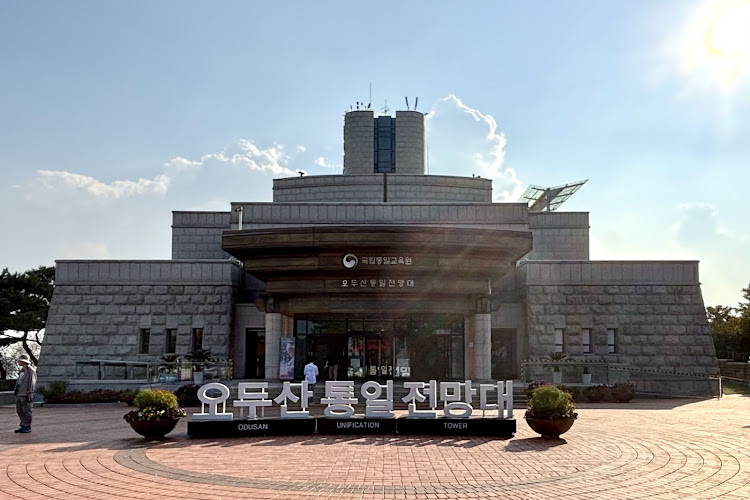
Odusan Unification Observation Deck
Find Accommodations Nearby
Recommended Tours & Activities
Visitor Reviews
There are no reviews yet. Be the first one to write one.
Share Your Experience
Have you visited 211 Munbal-dong? Help other travelers by leaving a review.