
Paju Book City Service Area
About Paju Book City Service Area
Description
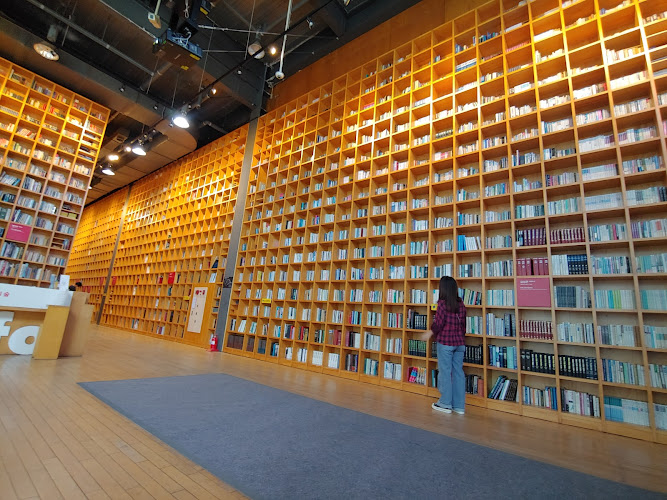
The Paju Book City Service Area is one of those places that quietly rewires your expectations of what a highway stop can be. It sits near the book-focused cultural zone of Paju, and it shows. This isn’t just a pit stop where travelers rush to the restroom and bolt. It’s more of a pause button. The kind you didn’t know you needed until you’re already there, coffee in hand, looking at shelves of books and thinking, huh… maybe I’ll stay five more minutes.
From a traveler’s point of view, the service area works on two levels. Practically, it does what it should: clean restrooms, easy parking, food options that don’t feel like an afterthought, and accessibility that’s actually usable. But emotionally, and yeah I know that sounds dramatic for a rest stop, it taps into Paju’s identity as Korea’s book capital. There are reading nooks, design-forward spaces, and small cultural touches that make it feel intentional rather than slapped together.
The crowd vibe is interesting too. You’ll see long-distance drivers stretching their legs, families with kids who need a break five minutes ago, and also couples or solo travelers who came here on purpose. That last group surprised me the first time. I stopped by on a road trip from Seoul to the northern Gyeonggi area, expecting the usual fast in, fast out. Instead, I watched people browsing books like they were in a neighborhood shop. One guy even sat down to read. Bold move at a service area, but honestly, it made sense.
Not everything is perfect, and that’s worth saying. Sometimes it gets crowded, especially on weekends, and when buses roll in all at once, the calm atmosphere can crack a little. Food quality can be hit or miss depending on timing. But overall, the place lands in that sweet middle ground where most visitors leave satisfied, a good number are genuinely impressed, and a smaller group shrugs and says, yeah, it’s fine. Fair enough.
What makes the Paju Book City Service Area stand out is that it leans into its surroundings instead of ignoring them. It feels connected to the idea of books, ideas, and slowing down. For travelers who appreciate small details and don’t mind a rest stop that asks you to linger, it’s a welcome detour rather than just a necessity.
Key Features
- Book-themed interior elements that reflect the identity of Paju Book City
- Spacious, well-maintained restrooms that are wheelchair accessible
- Wheelchair accessible entrance and parking areas, with clear layouts
- Comfortable seating zones designed for short breaks or quiet reading
- Food and beverage options suitable for quick meals and longer stops
- Clean, organized facilities that feel more curated than typical highway stops
- Tourist-friendly atmosphere where stopping feels intentional, not rushed
Best Time to Visit
Timing matters here more than you might expect. Early mornings are calm, almost meditative. If you’re the kind of traveler who likes to hit the road before sunrise, this is a good place to stop, stretch, and reset without the noise. The light filtering through the windows, fewer people around, and that quiet hum of engines outside, it works.
Late mornings to early afternoons tend to be the busiest, especially on weekends and holidays. Families, tour buses, and casual travelers all converge then. It’s lively, sure, but less peaceful. If you’re hoping to browse or sit down for a bit, you may find yourself circling for a seat. Still manageable, just not serene.
Evenings are underrated. After dinner hours pass, the service area settles down again. It’s not empty, but there’s space to breathe. I once stopped by in the early evening after a long day of driving, and it felt like a decompression chamber. Eat something warm, walk around, and ease back into the road. For many travelers, that’s the sweet spot.
Seasonally, spring and autumn are the most pleasant. Summer can get hectic with vacation traffic, and winter brings its own challenges, especially if weather slows things down. But the indoor spaces here handle seasonal extremes well, so it never feels uncomfortable, just busier or quieter depending on the month.
How to Get There
The Paju Book City Service Area is accessed directly from major roadways running through Paju, making it an easy stop for drivers traveling between Seoul and the northern parts of Gyeonggi Province. If you’re already exploring Paju Book City or nearby attractions, adding this stop doesn’t require a big detour. That’s part of its charm. It’s woven into the flow of travel rather than sitting off to the side.
Most visitors arrive by car, obviously. The parking layout is straightforward, and even first-timers don’t usually struggle to figure out where to go. Clear signage helps, and pedestrian paths are well marked, which is especially important when traffic is heavy.
For travelers relying on buses or tours, the service area often functions as a scheduled stop. That explains the sudden waves of people at certain times. If you’re on a tour, consider stepping a little away from the main food counters to find quieter corners. They exist, you just have to look past the obvious spots.
Once inside, navigation is simple. The design doesn’t try to confuse you with fancy layouts. Everything is where you’d expect it to be, which, after hours on the road, feels like a gift.
Tips for Visiting
First tip, and this comes from personal trial and error: don’t rush it. Even if you only planned a restroom break, give yourself ten extra minutes. Walk around. Look at the design details. It changes the tone of your journey more than you’d think.
If you’re traveling with someone who has mobility needs, this service area is a solid choice. The accessible entrances, parking, and restrooms aren’t token gestures. They’re actually functional. That matters, and it’s something travelers often forget to check until it’s too late.
Food-wise, manage expectations. Some days you’ll get a surprisingly good meal, other days it’s just fuel. If you’re picky, aim for off-peak hours when lines are shorter and staff aren’t overwhelmed. It makes a difference.
For book lovers, keep your eyes open for small displays or themed sections. They’re easy to miss if you’re distracted, but they add texture to the experience. I once found myself flipping through a local publication I’d never heard of, and that small discovery ended up being the highlight of the stop.
If crowds stress you out, avoid peak weekend afternoons. Or do what I do sometimes: use the restroom, grab a drink, and sit a bit farther from the main entrance. The noise drops fast once you move away from the center.
And finally, remember that this is still a service area. It’s not a full museum or library. Enjoy it for what it is: a well-thought-out pause on the road that respects travelers’ time and, occasionally, their curiosity. That balance is harder to pull off than it looks, and Paju Book City Service Area mostly gets it right.
Key Features
- Book-themed interior elements that reflect the identity of Paju Book City
- Spacious, well-maintained restrooms that are wheelchair accessible
- Wheelchair accessible entrance and parking areas, with clear layouts
- Comfortable seating zones designed for short breaks or quiet reading
- Food and beverage options suitable for quick meals and longer stops
- Clean, organized facilities that feel more curated than typical highway stops
- Tourist-friendly atmosphere where stopping feels intentional, not rushed
More Details
Updated January 1, 2026
Table of Contents
Description
The Paju Book City Service Area is one of those places that quietly rewires your expectations of what a highway stop can be. It sits near the book-focused cultural zone of Paju, and it shows. This isn’t just a pit stop where travelers rush to the restroom and bolt. It’s more of a pause button. The kind you didn’t know you needed until you’re already there, coffee in hand, looking at shelves of books and thinking, huh… maybe I’ll stay five more minutes.
From a traveler’s point of view, the service area works on two levels. Practically, it does what it should: clean restrooms, easy parking, food options that don’t feel like an afterthought, and accessibility that’s actually usable. But emotionally, and yeah I know that sounds dramatic for a rest stop, it taps into Paju’s identity as Korea’s book capital. There are reading nooks, design-forward spaces, and small cultural touches that make it feel intentional rather than slapped together.
The crowd vibe is interesting too. You’ll see long-distance drivers stretching their legs, families with kids who need a break five minutes ago, and also couples or solo travelers who came here on purpose. That last group surprised me the first time. I stopped by on a road trip from Seoul to the northern Gyeonggi area, expecting the usual fast in, fast out. Instead, I watched people browsing books like they were in a neighborhood shop. One guy even sat down to read. Bold move at a service area, but honestly, it made sense.
Not everything is perfect, and that’s worth saying. Sometimes it gets crowded, especially on weekends, and when buses roll in all at once, the calm atmosphere can crack a little. Food quality can be hit or miss depending on timing. But overall, the place lands in that sweet middle ground where most visitors leave satisfied, a good number are genuinely impressed, and a smaller group shrugs and says, yeah, it’s fine. Fair enough.
What makes the Paju Book City Service Area stand out is that it leans into its surroundings instead of ignoring them. It feels connected to the idea of books, ideas, and slowing down. For travelers who appreciate small details and don’t mind a rest stop that asks you to linger, it’s a welcome detour rather than just a necessity.
Key Features
- Book-themed interior elements that reflect the identity of Paju Book City
- Spacious, well-maintained restrooms that are wheelchair accessible
- Wheelchair accessible entrance and parking areas, with clear layouts
- Comfortable seating zones designed for short breaks or quiet reading
- Food and beverage options suitable for quick meals and longer stops
- Clean, organized facilities that feel more curated than typical highway stops
- Tourist-friendly atmosphere where stopping feels intentional, not rushed
Best Time to Visit
Timing matters here more than you might expect. Early mornings are calm, almost meditative. If you’re the kind of traveler who likes to hit the road before sunrise, this is a good place to stop, stretch, and reset without the noise. The light filtering through the windows, fewer people around, and that quiet hum of engines outside, it works.
Late mornings to early afternoons tend to be the busiest, especially on weekends and holidays. Families, tour buses, and casual travelers all converge then. It’s lively, sure, but less peaceful. If you’re hoping to browse or sit down for a bit, you may find yourself circling for a seat. Still manageable, just not serene.
Evenings are underrated. After dinner hours pass, the service area settles down again. It’s not empty, but there’s space to breathe. I once stopped by in the early evening after a long day of driving, and it felt like a decompression chamber. Eat something warm, walk around, and ease back into the road. For many travelers, that’s the sweet spot.
Seasonally, spring and autumn are the most pleasant. Summer can get hectic with vacation traffic, and winter brings its own challenges, especially if weather slows things down. But the indoor spaces here handle seasonal extremes well, so it never feels uncomfortable, just busier or quieter depending on the month.
How to Get There
The Paju Book City Service Area is accessed directly from major roadways running through Paju, making it an easy stop for drivers traveling between Seoul and the northern parts of Gyeonggi Province. If you’re already exploring Paju Book City or nearby attractions, adding this stop doesn’t require a big detour. That’s part of its charm. It’s woven into the flow of travel rather than sitting off to the side.
Most visitors arrive by car, obviously. The parking layout is straightforward, and even first-timers don’t usually struggle to figure out where to go. Clear signage helps, and pedestrian paths are well marked, which is especially important when traffic is heavy.
For travelers relying on buses or tours, the service area often functions as a scheduled stop. That explains the sudden waves of people at certain times. If you’re on a tour, consider stepping a little away from the main food counters to find quieter corners. They exist, you just have to look past the obvious spots.
Once inside, navigation is simple. The design doesn’t try to confuse you with fancy layouts. Everything is where you’d expect it to be, which, after hours on the road, feels like a gift.
Tips for Visiting
First tip, and this comes from personal trial and error: don’t rush it. Even if you only planned a restroom break, give yourself ten extra minutes. Walk around. Look at the design details. It changes the tone of your journey more than you’d think.
If you’re traveling with someone who has mobility needs, this service area is a solid choice. The accessible entrances, parking, and restrooms aren’t token gestures. They’re actually functional. That matters, and it’s something travelers often forget to check until it’s too late.
Food-wise, manage expectations. Some days you’ll get a surprisingly good meal, other days it’s just fuel. If you’re picky, aim for off-peak hours when lines are shorter and staff aren’t overwhelmed. It makes a difference.
For book lovers, keep your eyes open for small displays or themed sections. They’re easy to miss if you’re distracted, but they add texture to the experience. I once found myself flipping through a local publication I’d never heard of, and that small discovery ended up being the highlight of the stop.
If crowds stress you out, avoid peak weekend afternoons. Or do what I do sometimes: use the restroom, grab a drink, and sit a bit farther from the main entrance. The noise drops fast once you move away from the center.
And finally, remember that this is still a service area. It’s not a full museum or library. Enjoy it for what it is: a well-thought-out pause on the road that respects travelers’ time and, occasionally, their curiosity. That balance is harder to pull off than it looks, and Paju Book City Service Area mostly gets it right.
Key Highlights
- Book-themed interior elements that reflect the identity of Paju Book City
- Spacious, well-maintained restrooms that are wheelchair accessible
- Wheelchair accessible entrance and parking areas, with clear layouts
- Comfortable seating zones designed for short breaks or quiet reading
- Food and beverage options suitable for quick meals and longer stops
- Clean, organized facilities that feel more curated than typical highway stops
- Tourist-friendly atmosphere where stopping feels intentional, not rushed
Location
Places to Stay Near Paju Book City Service Area
Find and Book a Tour
Explore More Travel Guides
No reviews found! Be the first to review!
Traveler Reviews for Paju Book City Service Area
There are no reviews yet. Be the first one to write one.
Have you visited Paju Book City Service Area? Help other travelers by sharing your review.
You Might Also Like
211 Munbal-dong
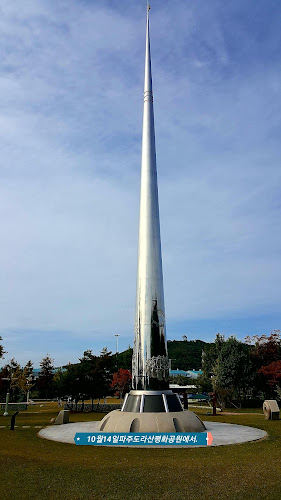
Dorasan Peace Park
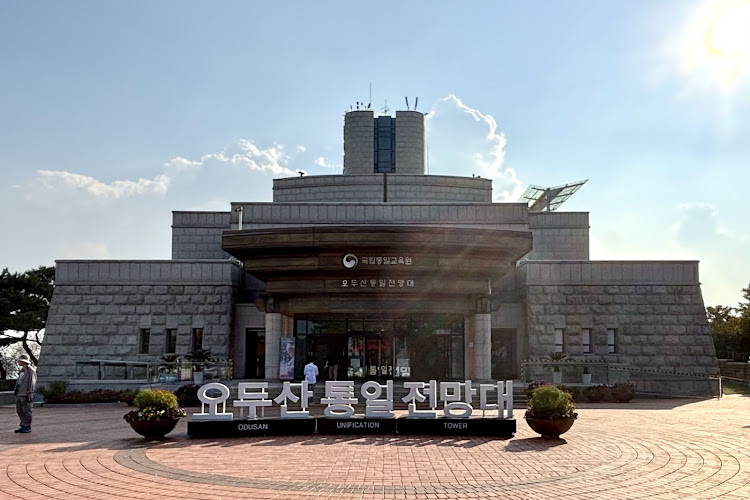
Odusan Unification Observation Deck
Find Accommodations Nearby
Recommended Tours & Activities
Visitor Reviews
There are no reviews yet. Be the first one to write one.
Share Your Experience
Have you visited Paju Book City Service Area? Help other travelers by leaving a review.