
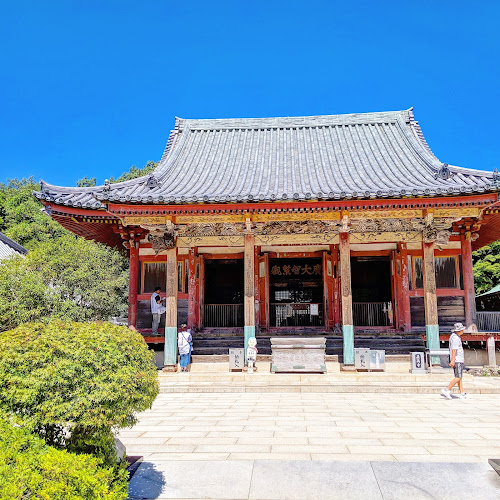
No.84 Yashima Temple
About No.84 Yashima Temple
Description
No.84 Yashima Temple sits partway up Mount Yashima, and honestly, it feels like one of those places that slowly grows on you rather than wowing you in the first five seconds. And I kinda like that. It’s the 84th stop on the famous Shikoku Pilgrimage, which already gives it a certain gravitas. Pilgrims have been climbing, sweating, praying, complaining about their knees, and smiling here for over a thousand years. When you walk through the grounds, you can sense that history, even if you’re not the spiritual type.
The temple complex spreads across a mountainside, and because of that, it never feels cramped. There’s space to wander, pause, get distracted by a view, then wander again. The halls are known for their decorative folding screens and calligraphy scrolls, and these aren’t the kind of things you glance at and forget. Some of the calligraphy feels bold and assertive, others almost shy. I remember standing there thinking how handwriting can carry so much personality, even centuries later. Makes your own scribbles at home feel a bit sad, honestly.
What really sticks with travelers, though, are the views. From various points around the temple, the Seto Inland Sea opens up below you. On a clear day, the water looks calm and orderly, dotted with islands like someone carefully placed them there. But the wind can be fierce up top, especially in winter, and that roughness adds character. Yashima Temple isn’t trying to be perfectly polished for tourists. It’s a working religious site that also happens to welcome curious outsiders, backpacks and all.
You’ll notice a mix of visitors. There are pilgrims in white robes, tourists snapping photos, locals taking a slow stroll, and the occasional person who looks like they just came for the view and accidentally found enlightenment. The atmosphere shifts depending on the day. Some days feel quiet and reflective. Other days, especially weekends, it’s a little busier and more casual. But it never tips into chaos. There’s an underlying calm holding it all together.
And yes, keep an eye out for the common raccoon dog, or tanuki. Locals talk about them like old neighbors. You might not see one, but knowing they’re around somehow makes the place feel more alive, less staged. Like nature and culture still share the same space here, without fighting over it.
Key Features
- Mountain-side setting with sweeping views of the Seto Inland Sea
- Part of the historic 88-temple Shikoku Pilgrimage route
- Decorative folding screens and expressive calligraphy scrolls inside the halls
- Spacious temple grounds that invite slow exploration
- Wheelchair accessible parking lot, which is more thoughtful than you might expect for a mountain temple
- Restroom facilities on-site, a small thing but huge for travelers
- Connection to local wildlife, including sightings of raccoon dogs in the area
- Balanced atmosphere that suits both spiritual pilgrims and casual visitors
Best Time to Visit
Spring and autumn are the obvious winners, and I say that without irony. Spring brings soft weather and fresh greenery, while autumn paints the mountains in deeper tones that feel almost cinematic. If you’re lucky enough to visit during cherry blossom season, the contrast between delicate flowers and the solid temple buildings is pretty unforgettable. But be prepared to share the space. These seasons attract more people, and patience becomes part of the experience.
Summer can be hot and sticky, especially lower down the mountain, but up near the temple there’s usually a breeze. It’s not exactly cool, but it helps. And fewer crowds mean you can linger longer at the viewpoints without feeling rushed. Winter is quieter still. The air turns sharp, the views get clearer, and the temple feels more introspective. Just dress properly. I once underestimated a winter wind up there and spent half the visit regretting my life choices.
Time of day matters too. Early morning is peaceful, with fewer tour groups and a softer light hitting the sea. Late afternoon has its own magic, especially when the sun starts sinking and everything turns gold for a moment. But note that things wind down earlier than you might expect. This isn’t a nightlife kind of place. It’s more about aligning your pace with the mountain, not fighting it.
How to Get There
Getting to Yashima Temple is fairly straightforward, but it does require a bit of planning. The temple sits on Mount Yashima, so there’s an uphill element involved no matter how you approach it. Public transportation can take you part of the way, and from there it’s either a walk or a short ride. The walk is doable for most people, though it can be tiring in hot or cold weather.
If you’re driving, there is parking available, including wheelchair accessible parking. That alone makes this temple more approachable than many others perched on mountains. Still, roads can be narrow and winding, so take it slow. No one wins points for racing up a sacred mountain.
For pilgrims doing the full Shikoku route, Yashima is often a welcome stop because it offers both spiritual depth and physical relief. The paths are well maintained, and signage is generally clear. And if you’re not a pilgrim, don’t worry. You won’t feel out of place. Just be respectful, observe what others are doing, and follow their lead when it comes to etiquette.
Tips for Visiting
First tip: give yourself time. This isn’t a rush-in, rush-out attraction. The temple rewards slow wandering. Sit for a while. Look at the calligraphy longer than feels normal. Let your thoughts drift. I’ve found that places like this don’t reveal much if you’re checking your watch every five minutes.
Second, dress in layers. The weather on Mount Yashima can change quickly, and the wind can surprise you. Comfortable shoes are non-negotiable. Even if you’re not walking far, stone paths and uneven surfaces are part of the deal.
Third, remember that this is an active religious site. Photography is generally allowed, but be mindful inside halls. If someone is praying, give them space. It sounds obvious, but you’d be amazed how often people forget.
Fourth, don’t ignore the small details. The way incense smoke curls in the air. The sound of gravel under your feet. The view shifting as clouds pass. These little moments are what make Yashima Temple stick in your memory long after you’ve left.
And finally, manage your expectations. Yashima Temple isn’t flashy. It’s not trying to compete with more famous, over-photographed spots. Some visitors come away mildly impressed, others deeply moved. That’s okay. It meets you where you are. And sometimes, those are the places that end up meaning the most, even if you don’t realize it right away.
Key Features
- Mountain-side setting with sweeping views of the Seto Inland Sea
- Part of the historic 88-temple Shikoku Pilgrimage route
- Decorative folding screens and expressive calligraphy scrolls inside the halls
- Spacious temple grounds that invite slow exploration
- Wheelchair accessible parking lot, which is more thoughtful than you might expect for a mountain temple
- Restroom facilities on-site, a small thing but huge for travelers
- Connection to local wildlife, including sightings of raccoon dogs in the area
- Balanced atmosphere that suits both spiritual pilgrims and casual visitors
More Details
Updated January 1, 2026
Table of Contents
Description
No.84 Yashima Temple sits partway up Mount Yashima, and honestly, it feels like one of those places that slowly grows on you rather than wowing you in the first five seconds. And I kinda like that. It’s the 84th stop on the famous Shikoku Pilgrimage, which already gives it a certain gravitas. Pilgrims have been climbing, sweating, praying, complaining about their knees, and smiling here for over a thousand years. When you walk through the grounds, you can sense that history, even if you’re not the spiritual type.
The temple complex spreads across a mountainside, and because of that, it never feels cramped. There’s space to wander, pause, get distracted by a view, then wander again. The halls are known for their decorative folding screens and calligraphy scrolls, and these aren’t the kind of things you glance at and forget. Some of the calligraphy feels bold and assertive, others almost shy. I remember standing there thinking how handwriting can carry so much personality, even centuries later. Makes your own scribbles at home feel a bit sad, honestly.
What really sticks with travelers, though, are the views. From various points around the temple, the Seto Inland Sea opens up below you. On a clear day, the water looks calm and orderly, dotted with islands like someone carefully placed them there. But the wind can be fierce up top, especially in winter, and that roughness adds character. Yashima Temple isn’t trying to be perfectly polished for tourists. It’s a working religious site that also happens to welcome curious outsiders, backpacks and all.
You’ll notice a mix of visitors. There are pilgrims in white robes, tourists snapping photos, locals taking a slow stroll, and the occasional person who looks like they just came for the view and accidentally found enlightenment. The atmosphere shifts depending on the day. Some days feel quiet and reflective. Other days, especially weekends, it’s a little busier and more casual. But it never tips into chaos. There’s an underlying calm holding it all together.
And yes, keep an eye out for the common raccoon dog, or tanuki. Locals talk about them like old neighbors. You might not see one, but knowing they’re around somehow makes the place feel more alive, less staged. Like nature and culture still share the same space here, without fighting over it.
Key Features
- Mountain-side setting with sweeping views of the Seto Inland Sea
- Part of the historic 88-temple Shikoku Pilgrimage route
- Decorative folding screens and expressive calligraphy scrolls inside the halls
- Spacious temple grounds that invite slow exploration
- Wheelchair accessible parking lot, which is more thoughtful than you might expect for a mountain temple
- Restroom facilities on-site, a small thing but huge for travelers
- Connection to local wildlife, including sightings of raccoon dogs in the area
- Balanced atmosphere that suits both spiritual pilgrims and casual visitors
Best Time to Visit
Spring and autumn are the obvious winners, and I say that without irony. Spring brings soft weather and fresh greenery, while autumn paints the mountains in deeper tones that feel almost cinematic. If you’re lucky enough to visit during cherry blossom season, the contrast between delicate flowers and the solid temple buildings is pretty unforgettable. But be prepared to share the space. These seasons attract more people, and patience becomes part of the experience.
Summer can be hot and sticky, especially lower down the mountain, but up near the temple there’s usually a breeze. It’s not exactly cool, but it helps. And fewer crowds mean you can linger longer at the viewpoints without feeling rushed. Winter is quieter still. The air turns sharp, the views get clearer, and the temple feels more introspective. Just dress properly. I once underestimated a winter wind up there and spent half the visit regretting my life choices.
Time of day matters too. Early morning is peaceful, with fewer tour groups and a softer light hitting the sea. Late afternoon has its own magic, especially when the sun starts sinking and everything turns gold for a moment. But note that things wind down earlier than you might expect. This isn’t a nightlife kind of place. It’s more about aligning your pace with the mountain, not fighting it.
How to Get There
Getting to Yashima Temple is fairly straightforward, but it does require a bit of planning. The temple sits on Mount Yashima, so there’s an uphill element involved no matter how you approach it. Public transportation can take you part of the way, and from there it’s either a walk or a short ride. The walk is doable for most people, though it can be tiring in hot or cold weather.
If you’re driving, there is parking available, including wheelchair accessible parking. That alone makes this temple more approachable than many others perched on mountains. Still, roads can be narrow and winding, so take it slow. No one wins points for racing up a sacred mountain.
For pilgrims doing the full Shikoku route, Yashima is often a welcome stop because it offers both spiritual depth and physical relief. The paths are well maintained, and signage is generally clear. And if you’re not a pilgrim, don’t worry. You won’t feel out of place. Just be respectful, observe what others are doing, and follow their lead when it comes to etiquette.
Tips for Visiting
First tip: give yourself time. This isn’t a rush-in, rush-out attraction. The temple rewards slow wandering. Sit for a while. Look at the calligraphy longer than feels normal. Let your thoughts drift. I’ve found that places like this don’t reveal much if you’re checking your watch every five minutes.
Second, dress in layers. The weather on Mount Yashima can change quickly, and the wind can surprise you. Comfortable shoes are non-negotiable. Even if you’re not walking far, stone paths and uneven surfaces are part of the deal.
Third, remember that this is an active religious site. Photography is generally allowed, but be mindful inside halls. If someone is praying, give them space. It sounds obvious, but you’d be amazed how often people forget.
Fourth, don’t ignore the small details. The way incense smoke curls in the air. The sound of gravel under your feet. The view shifting as clouds pass. These little moments are what make Yashima Temple stick in your memory long after you’ve left.
And finally, manage your expectations. Yashima Temple isn’t flashy. It’s not trying to compete with more famous, over-photographed spots. Some visitors come away mildly impressed, others deeply moved. That’s okay. It meets you where you are. And sometimes, those are the places that end up meaning the most, even if you don’t realize it right away.
Key Highlights
- Mountain-side setting with sweeping views of the Seto Inland Sea
- Part of the historic 88-temple Shikoku Pilgrimage route
- Decorative folding screens and expressive calligraphy scrolls inside the halls
- Spacious temple grounds that invite slow exploration
- Wheelchair accessible parking lot, which is more thoughtful than you might expect for a mountain temple
- Restroom facilities on-site, a small thing but huge for travelers
- Connection to local wildlife, including sightings of raccoon dogs in the area
- Balanced atmosphere that suits both spiritual pilgrims and casual visitors
Location
Places to Stay Near No.84 Yashima Temple
Find and Book a Tour
Explore More Travel Guides
No reviews found! Be the first to review!
Traveler Reviews for No.84 Yashima Temple
There are no reviews yet. Be the first one to write one.
Have you visited No.84 Yashima Temple? Help other travelers by sharing your review.
You Might Also Like

Takamatsu Symbol Tower
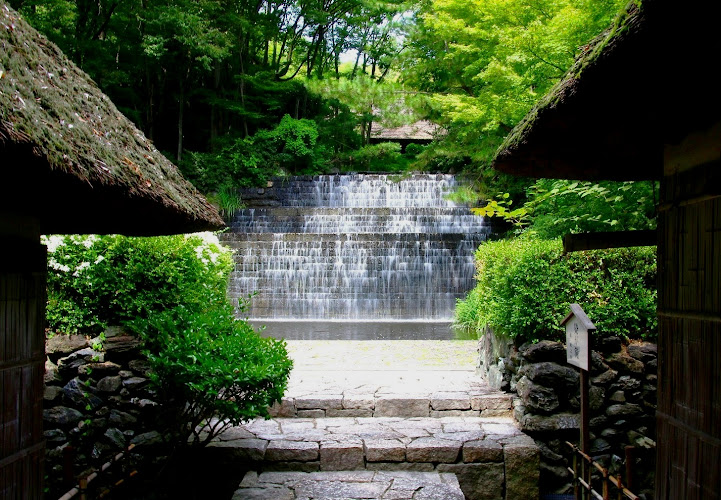
Shikoku Village
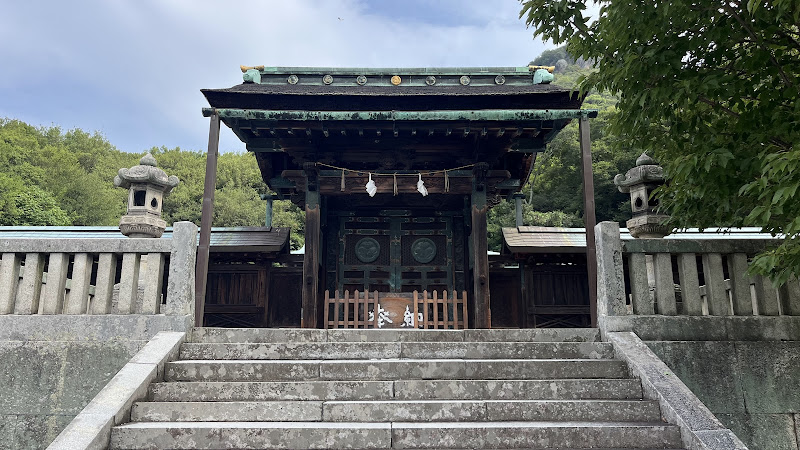
Yashima Shrine
Find Accommodations Nearby
Recommended Tours & Activities
Visitor Reviews
There are no reviews yet. Be the first one to write one.
Share Your Experience
Have you visited No.84 Yashima Temple? Help other travelers by leaving a review.