
Monumento Do Índio
About Monumento Do Índio
Description
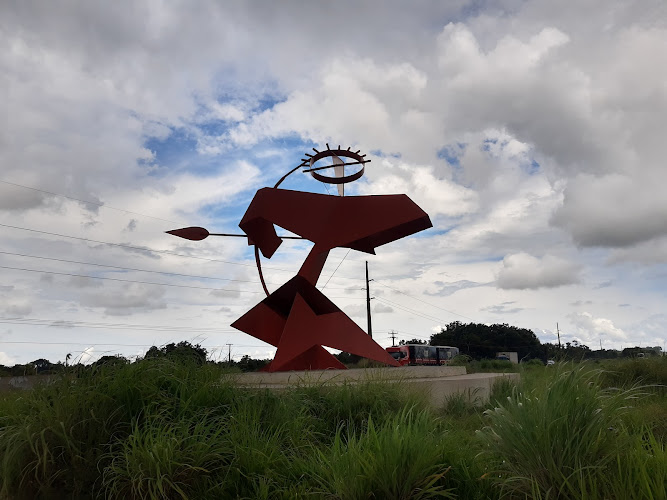
Standing tall as a tribute to Brazil's indigenous heritage, the Monumento Do Índio represents more than just a sculpture - it's a powerful statement about the country's roots and the people who shaped its earliest history. This striking monument captures the strength and dignity of Brazil's native populations, serving as both an artistic achievement and a cultural landmark that draws visitors who want to understand the deeper layers of Brazilian identity. When you first approach the monument, you'll notice how it commands attention without being overly ostentatious. The sculpture depicts an indigenous figure in a pose that conveys both pride and resilience, characteristics that have defined Brazil's native communities throughout centuries of change and challenge. It's one of those places where you can stand quietly for a few minutes and really feel the weight of history pressing down around you. I've always thought that sculptures like this one tell stories in ways that words sometimes can't. The craftsmanship involved in creating such a significant piece shows dedication to preserving cultural memory, and there's something quite moving about seeing how the artist chose to represent indigenous features and traditional elements. The monument doesn't just sit there looking pretty - it makes you think about who came before us and what their lives might have been like. The sculpture has become a recognizable landmark in the area, though it's fair to say that opinions about it vary pretty widely among visitors. Some travelers find it deeply meaningful and spend considerable time photographing and contemplating its significance. Others might pass by more quickly, perhaps expecting something different or finding the surrounding area less developed than anticipated. That's the thing about monuments - they mean different things to different people, and your experience really depends on what you're looking for and how much context you bring with you.Key Features
The Monumento Do Índio offers several distinctive characteristics that make it worth including on your Brazilian itinerary: • A substantial sculpture that serves as an important cultural marker celebrating indigenous Brazilian heritage and history • Artistic representation that captures traditional indigenous features and clothing with attention to authentic detail • A landmark that provides excellent photography opportunities, particularly for travelers interested in cultural monuments and public art • An accessible outdoor location that doesn't require admission fees, making it budget-friendly for all types of travelers • A chance to reflect on Brazil's complex history and the indigenous peoples who inhabited these lands long before European contact • A meeting point and reference location that locals recognize, making it useful for navigation and planning • Proximity to other area attractions that can be combined into a single outing for efficient sightseeing • A monument that represents broader conversations about indigenous rights and cultural preservation in modern BrazilBest Time to Visit
Timing your visit to the Monumento Do Índio can make the difference between a memorable experience and a rushed, uncomfortable one. Since this is an outdoor sculpture without climate control or covered areas, weather plays a pretty significant role in how enjoyable your visit will be. The ideal time to visit is during Brazil's dry season, which typically runs from May through September in most regions. During these months, you'll encounter less rainfall and more consistent weather conditions that make outdoor exploration much more pleasant. Early morning hours, around 7 AM to 9 AM, offer the best lighting for photography and fewer crowds if you're someone who prefers a more contemplative experience. And honestly, there's something special about seeing monuments in that soft morning light before the day gets too hectic. Late afternoon visits, particularly around 4 PM to 6 PM, can also be quite nice. The harsh midday sun won't be beating down on you, and you might catch some beautiful golden hour lighting that makes your photos look absolutely stunning. Plus, temperatures tend to drop a bit during these hours, which matters more than you might think when you're standing in an open area without much shade. I'd suggest avoiding midday visits between 11 AM and 2 PM, especially during the hotter months. The combination of intense sun and heat can make the experience pretty uncomfortable, and you probably won't want to linger as long as you might otherwise. If you must visit during these peak heat hours, bring plenty of water and wear appropriate sun protection. Weekdays generally see fewer visitors than weekends, so if you're someone who likes having space to yourself and doesn't want to navigate around other tourists, plan your visit for a Tuesday or Wednesday if possible. But don't stress too much about timing - the monument is accessible throughout the week, and even busier times rarely become truly crowded in the way that major tourist attractions do.How to Get There
Getting to the Monumento Do Índio requires a bit of planning, but it's definitely manageable for travelers with various transportation preferences and budgets. The monument's location means you'll need to think through your approach rather than just stumbling upon it accidentally. If you're driving, using a GPS navigation app with the monument's name should get you there without too much trouble. Parking in the immediate vicinity can be somewhat limited, so arriving earlier in the day increases your chances of finding a convenient spot. Keep in mind that the parking area isn't specifically designed for wheelchair accessibility, so visitors with mobility considerations should plan accordingly. Taxi services and ride-sharing apps like Uber work well for reaching the monument, and this option makes particular sense if you're not comfortable driving in an unfamiliar area or simply don't want to deal with parking. Just make sure your driver knows exactly where you're going - showing them a photo of the monument or having the name written down can prevent confusion. One thing I've learned from traveling is that being crystal clear about your destination saves everyone time and frustration. Public transportation might be available depending on your starting point, though you'll want to research specific bus routes and schedules in advance. Bus systems in Brazil can be quite efficient, but they also require some familiarity with how things work. Don't be shy about asking locals for help - most people are genuinely willing to point travelers in the right direction, even if there's a language barrier. For those staying at nearby hotels, walking might be an option worth considering. Getting somewhere on foot gives you a much better feel for the neighborhood and lets you discover things you'd miss from inside a vehicle. Just check the distance and route safety beforehand, and always walk with awareness of your surroundings.Tips for Visiting
Making the most of your visit to the Monumento Do Índio involves some practical preparation and realistic expectations. This isn't a massive tourist complex with visitor centers and guided tours, so approaching it with the right mindset helps ensure a positive experience. Bring your own water and snacks because amenities directly at the monument are limited. You won't find vendors or refreshment stands right there, and getting thirsty or hungry can cut your visit short. I always throw a couple of granola bars and a water bottle in my bag when visiting monuments - seems simple, but it makes such a difference in how long you can comfortably explore. Photography enthusiasts should come prepared with fully charged devices and extra memory cards. The monument offers interesting angles and perspectives, especially if you take time to walk around it and consider different compositions. Natural lighting changes throughout the day, creating varying moods and shadows that can make familiar subjects look completely different. Wear comfortable shoes suitable for standing and walking on potentially uneven surfaces. The ground around outdoor monuments isn't always perfectly maintained, and you don't want to twist an ankle or feel uncomfortable because you wore the wrong footwear. Save the fancy shoes for dinner and go with something practical. Learn a bit about indigenous Brazilian history before you visit. The monument becomes so much more meaningful when you understand the context behind it - who these people were, what challenges they faced, and why their legacy matters today. Even spending 20 minutes reading a few articles or watching a short documentary can transform your experience from "looking at a sculpture" to "connecting with an important cultural story." Be respectful in your behavior and photography. This monument represents real people and real history, not just an aesthetic backdrop for selfies. That doesn't mean you can't take photos of yourself there, but approach it with appropriate reverence rather than treating it like just another Instagram prop. Consider the accessibility limitations if you're traveling with someone who uses a wheelchair or has mobility challenges. The entrance and parking aren't designed with wheelchair accessibility in mind, which might make visiting difficult for some travelers. Planning ahead and perhaps contacting local tourism offices for specific advice can help you determine whether the visit is feasible for your group. Come with patience and openness. Not every traveler falls in love with this monument, and that's okay. Your experience will be uniquely yours, influenced by your interests, background, and what else you've seen during your travels. Some days a place just doesn't resonate with you, and other times you find unexpected meaning in the most surprising locations. That's what makes travel such a personal journey.Key Features
- Key Features
- Best Time to Visit
- How to Get There
- Tips for Visiting
More Details
Updated January 5, 2026
Table of Contents
Description
Standing tall as a tribute to Brazil’s indigenous heritage, the Monumento Do Índio represents more than just a sculpture – it’s a powerful statement about the country’s roots and the people who shaped its earliest history. This striking monument captures the strength and dignity of Brazil’s native populations, serving as both an artistic achievement and a cultural landmark that draws visitors who want to understand the deeper layers of Brazilian identity.
When you first approach the monument, you’ll notice how it commands attention without being overly ostentatious. The sculpture depicts an indigenous figure in a pose that conveys both pride and resilience, characteristics that have defined Brazil’s native communities throughout centuries of change and challenge. It’s one of those places where you can stand quietly for a few minutes and really feel the weight of history pressing down around you.
I’ve always thought that sculptures like this one tell stories in ways that words sometimes can’t. The craftsmanship involved in creating such a significant piece shows dedication to preserving cultural memory, and there’s something quite moving about seeing how the artist chose to represent indigenous features and traditional elements. The monument doesn’t just sit there looking pretty – it makes you think about who came before us and what their lives might have been like.
The sculpture has become a recognizable landmark in the area, though it’s fair to say that opinions about it vary pretty widely among visitors. Some travelers find it deeply meaningful and spend considerable time photographing and contemplating its significance. Others might pass by more quickly, perhaps expecting something different or finding the surrounding area less developed than anticipated. That’s the thing about monuments – they mean different things to different people, and your experience really depends on what you’re looking for and how much context you bring with you.
Key Features
The Monumento Do Índio offers several distinctive characteristics that make it worth including on your Brazilian itinerary:
• A substantial sculpture that serves as an important cultural marker celebrating indigenous Brazilian heritage and history
• Artistic representation that captures traditional indigenous features and clothing with attention to authentic detail
• A landmark that provides excellent photography opportunities, particularly for travelers interested in cultural monuments and public art
• An accessible outdoor location that doesn’t require admission fees, making it budget-friendly for all types of travelers
• A chance to reflect on Brazil’s complex history and the indigenous peoples who inhabited these lands long before European contact
• A meeting point and reference location that locals recognize, making it useful for navigation and planning
• Proximity to other area attractions that can be combined into a single outing for efficient sightseeing
• A monument that represents broader conversations about indigenous rights and cultural preservation in modern Brazil
Best Time to Visit
Timing your visit to the Monumento Do Índio can make the difference between a memorable experience and a rushed, uncomfortable one. Since this is an outdoor sculpture without climate control or covered areas, weather plays a pretty significant role in how enjoyable your visit will be.
The ideal time to visit is during Brazil’s dry season, which typically runs from May through September in most regions. During these months, you’ll encounter less rainfall and more consistent weather conditions that make outdoor exploration much more pleasant. Early morning hours, around 7 AM to 9 AM, offer the best lighting for photography and fewer crowds if you’re someone who prefers a more contemplative experience. And honestly, there’s something special about seeing monuments in that soft morning light before the day gets too hectic.
Late afternoon visits, particularly around 4 PM to 6 PM, can also be quite nice. The harsh midday sun won’t be beating down on you, and you might catch some beautiful golden hour lighting that makes your photos look absolutely stunning. Plus, temperatures tend to drop a bit during these hours, which matters more than you might think when you’re standing in an open area without much shade.
I’d suggest avoiding midday visits between 11 AM and 2 PM, especially during the hotter months. The combination of intense sun and heat can make the experience pretty uncomfortable, and you probably won’t want to linger as long as you might otherwise. If you must visit during these peak heat hours, bring plenty of water and wear appropriate sun protection.
Weekdays generally see fewer visitors than weekends, so if you’re someone who likes having space to yourself and doesn’t want to navigate around other tourists, plan your visit for a Tuesday or Wednesday if possible. But don’t stress too much about timing – the monument is accessible throughout the week, and even busier times rarely become truly crowded in the way that major tourist attractions do.
How to Get There
Getting to the Monumento Do Índio requires a bit of planning, but it’s definitely manageable for travelers with various transportation preferences and budgets. The monument’s location means you’ll need to think through your approach rather than just stumbling upon it accidentally.
If you’re driving, using a GPS navigation app with the monument’s name should get you there without too much trouble. Parking in the immediate vicinity can be somewhat limited, so arriving earlier in the day increases your chances of finding a convenient spot. Keep in mind that the parking area isn’t specifically designed for wheelchair accessibility, so visitors with mobility considerations should plan accordingly.
Taxi services and ride-sharing apps like Uber work well for reaching the monument, and this option makes particular sense if you’re not comfortable driving in an unfamiliar area or simply don’t want to deal with parking. Just make sure your driver knows exactly where you’re going – showing them a photo of the monument or having the name written down can prevent confusion. One thing I’ve learned from traveling is that being crystal clear about your destination saves everyone time and frustration.
Public transportation might be available depending on your starting point, though you’ll want to research specific bus routes and schedules in advance. Bus systems in Brazil can be quite efficient, but they also require some familiarity with how things work. Don’t be shy about asking locals for help – most people are genuinely willing to point travelers in the right direction, even if there’s a language barrier.
For those staying at nearby hotels, walking might be an option worth considering. Getting somewhere on foot gives you a much better feel for the neighborhood and lets you discover things you’d miss from inside a vehicle. Just check the distance and route safety beforehand, and always walk with awareness of your surroundings.
Tips for Visiting
Making the most of your visit to the Monumento Do Índio involves some practical preparation and realistic expectations. This isn’t a massive tourist complex with visitor centers and guided tours, so approaching it with the right mindset helps ensure a positive experience.
Bring your own water and snacks because amenities directly at the monument are limited. You won’t find vendors or refreshment stands right there, and getting thirsty or hungry can cut your visit short. I always throw a couple of granola bars and a water bottle in my bag when visiting monuments – seems simple, but it makes such a difference in how long you can comfortably explore.
Photography enthusiasts should come prepared with fully charged devices and extra memory cards. The monument offers interesting angles and perspectives, especially if you take time to walk around it and consider different compositions. Natural lighting changes throughout the day, creating varying moods and shadows that can make familiar subjects look completely different.
Wear comfortable shoes suitable for standing and walking on potentially uneven surfaces. The ground around outdoor monuments isn’t always perfectly maintained, and you don’t want to twist an ankle or feel uncomfortable because you wore the wrong footwear. Save the fancy shoes for dinner and go with something practical.
Learn a bit about indigenous Brazilian history before you visit. The monument becomes so much more meaningful when you understand the context behind it – who these people were, what challenges they faced, and why their legacy matters today. Even spending 20 minutes reading a few articles or watching a short documentary can transform your experience from “looking at a sculpture” to “connecting with an important cultural story.”
Be respectful in your behavior and photography. This monument represents real people and real history, not just an aesthetic backdrop for selfies. That doesn’t mean you can’t take photos of yourself there, but approach it with appropriate reverence rather than treating it like just another Instagram prop.
Consider the accessibility limitations if you’re traveling with someone who uses a wheelchair or has mobility challenges. The entrance and parking aren’t designed with wheelchair accessibility in mind, which might make visiting difficult for some travelers. Planning ahead and perhaps contacting local tourism offices for specific advice can help you determine whether the visit is feasible for your group.
Come with patience and openness. Not every traveler falls in love with this monument, and that’s okay. Your experience will be uniquely yours, influenced by your interests, background, and what else you’ve seen during your travels. Some days a place just doesn’t resonate with you, and other times you find unexpected meaning in the most surprising locations. That’s what makes travel such a personal journey.
Key Highlights
- Key Features
- Best Time to Visit
- How to Get There
- Tips for Visiting
Location
Places to Stay Near Monumento Do Índio
Find and Book a Tour
Explore More Travel Guides
No reviews found! Be the first to review!
Traveler Reviews for Monumento Do Índio
There are no reviews yet. Be the first one to write one.
Have you visited Monumento Do Índio? Help other travelers by sharing your review.
You Might Also Like
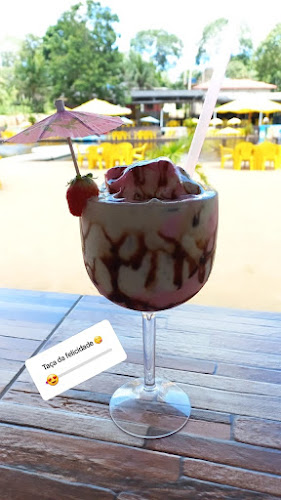
Balneário Água Gelada
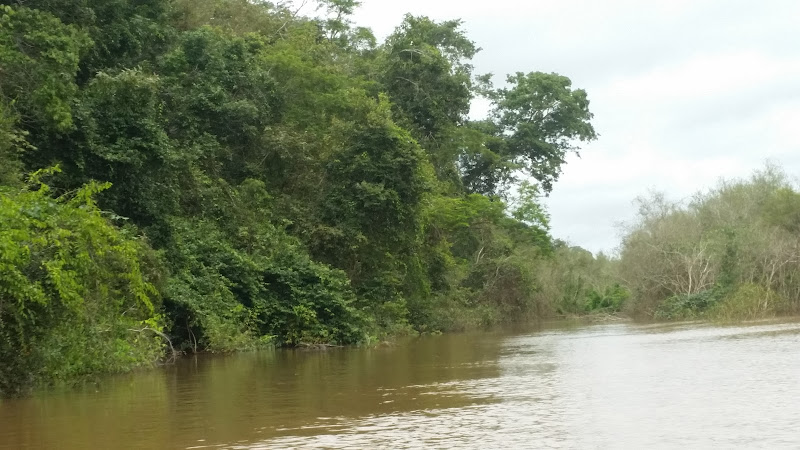
Foz do Rio Ji-Paraná
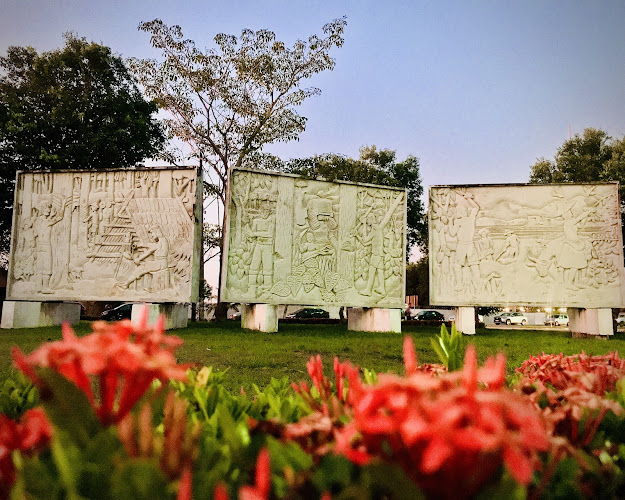
Monumento Pôrto Velho
Find Accommodations Nearby
Recommended Tours & Activities
Visitor Reviews
There are no reviews yet. Be the first one to write one.
Share Your Experience
Have you visited Monumento Do Índio? Help other travelers by leaving a review.