
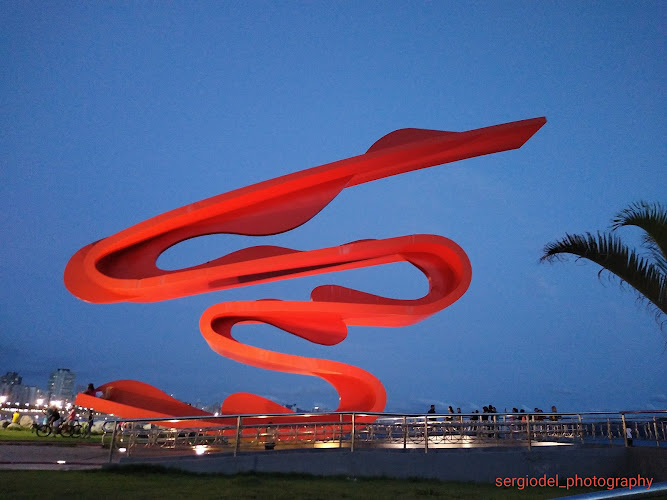
Outfall of Santos
About Outfall of Santos
Description
The Outfall of Santos stands as one of Brazil's more intriguing coastal attractions, drawing thousands of visitors each year who come to witness where the mighty waters of the Santos estuary meet the Atlantic Ocean. This scenic spot offers travelers a unique perspective on coastal engineering and natural beauty combined in one fascinating location. I remember the first time I heard about it from a friend who'd backpacked through South America – she couldn't stop talking about how unexpectedly captivating it was to watch the force of fresh water pushing against ocean tides. What makes this place genuinely special is how it represents both human ingenuity and nature's raw power working in tandem. The outfall system here manages the discharge of treated water into the ocean, creating dramatic visual effects as different water densities collide and merge. For those who appreciate engineering marvels alongside natural phenomena, this spot delivers an experience that's hard to replicate elsewhere along the Brazilian coast. The surrounding park area has been developed to accommodate visitors who want to spend quality time observing this natural meeting point. You'll find yourself standing at the edge of two worlds – the calm structured environment of the park behind you and the endless expanse of the Atlantic stretching toward the horizon. It's the kind of place that makes you think about humanity's relationship with the ocean in ways you probably hadn't considered before. Weather conditions play a massive role in what you'll see here. On stormy days, the collision of waters becomes almost theatrical, with waves crashing and spraying in patterns that change by the minute. But even on calmer days, there's something meditative about watching the constant flow and mixing of waters. The sound alone – that perpetual rushing and churning – has a way of drowning out whatever stress you brought with you.Key Features
The Outfall of Santos provides visitors with several distinctive elements that make it worth adding to any coastal Brazil itinerary: • Full wheelchair accessibility throughout the entrance and parking areas, making it genuinely inclusive for travelers with mobility considerations • Unobstructed views of the Atlantic Ocean where you can watch container ships and fishing vessels navigating the waters near the Santos port • A park setting that combines recreational space with this unique water engineering spectacle • Photography opportunities that change dramatically depending on time of day, weather conditions, and tidal patterns • Educational value for those interested in coastal management, marine engineering, or environmental sciences • Relatively uncrowded compared to Santos' main beach areas, offering a more peaceful coastal experience • Proximity to Santos' urban amenities while still feeling somewhat removed from the city's bustle • Benches and viewing areas strategically positioned for optimal observation of the water dynamics • A completely free attraction that doesn't require tickets or reservations • Natural bird watching opportunities as various seabirds frequent the area where fresh and salt water mixBest Time to Visit
Timing your visit to the Outfall of Santos can significantly impact your experience, and honestly, there's no single "perfect" time because different seasons and times of day offer completely different perspectives on this attraction. The dry season running from April through September generally provides clearer skies and better visibility across the ocean. During these months, you're more likely to capture those stunning photos where the water patterns stand out sharply against blue skies. The temperatures hover in a comfortable range, making it pleasant to spend an hour or two exploring the park area without getting uncomfortably hot. But here's where it gets interesting – the rainy season from October through March brings its own magic to this spot. The increased water flow during these months makes the outfall more dramatic and powerful. If you don't mind potentially getting a bit damp, visiting after a heavy rain can show you the system at its most impressive. Just be prepared for the possibility of afternoon thunderstorms, which are common along this coast during summer months. As for time of day, early morning visits around sunrise offer incredible lighting conditions and the chance to see the area when it's at its quietest. The park tends to attract more local visitors in the late afternoon and early evening, especially on weekends. There's something special about watching the sunset from this vantage point – the way the fading light plays across the water creates colors you won't forget quickly. Weekdays generally see fewer visitors than weekends, which might matter if you're someone who prefers solitude when experiencing natural attractions. And if you're particularly interested in the engineering aspects, visiting during different tidal conditions will show you how the system responds to varying ocean levels. The months of December and January coincide with Brazilian summer vacation, so expect more families and domestic tourists during this period. It's not necessarily a bad thing – there's an energy to the place when locals are out enjoying their own coastline – but if crowds aren't your thing, plan accordingly.How to Get There
Getting to the Outfall of Santos requires a bit of planning, but the journey is straightforward enough for most travelers navigating the Santos area. The city itself sits approximately 70 kilometers from São Paulo, making it accessible as either a day trip or part of a longer coastal exploration. If you're coming from São Paulo, you've got several transportation options. Many travelers rent cars, which gives you the flexibility to explore Santos and the surrounding region at your own pace. The drive takes roughly 90 minutes under normal traffic conditions, though weekend traffic heading toward the coast can extend that significantly. The Rodovia dos Imigrantes highway is generally the fastest route and offers some spectacular views as you descend from the plateau toward the coast. For those relying on public transportation, buses run regularly between São Paulo and Santos throughout the day. The comfort level and travel time vary depending on which service you choose, but most journeys take between two and three hours. Once you arrive at Santos' main bus terminal, you'll need to arrange local transportation to reach the outfall area. Within Santos itself, taxis and ride-sharing services like Uber operate widely and can get you directly to the outfall. Local buses also serve the area, though you'll want to confirm current routes and schedules as these can change seasonally. The parking situation is generally manageable with designated lots that accommodate standard vehicles and provide accessible parking spaces for visitors with disabilities. If you're staying in Santos' main tourist areas near the beach, the outfall sits a reasonable distance away – close enough to reach easily but far enough that walking isn't really practical unless you're particularly ambitious. A short taxi or rideshare trip will handle it without breaking your travel budget. Some visitors combine their trip to the outfall with exploring other Santos attractions like the coffee museum or the historic center, making a full day of experiencing different facets of this port city. The outfall's location near the entrance to Santos' port means you're also in position to watch the impressive cargo ship traffic that makes this one of Latin America's busiest ports.Tips for Visiting
Making the most of your visit to the Outfall of Santos involves some practical considerations that'll enhance your experience and help you avoid common pitfalls that catch unprepared travelers. First off, bring appropriate sun protection because there's limited shade in the viewing areas. A hat, sunscreen, and sunglasses aren't optional accessories here – they're necessities. The coastal sun reflects off the water and can burn you faster than you'd expect, even on days that don't feel particularly hot. I learned this the hard way during a beach trip years ago and still remember that uncomfortable sunburn. The wind coming off the Atlantic can be stronger than anticipated, so a light jacket or windbreaker often comes in handy even when temperatures seem warm. This is especially true during the cooler months or if you're visiting in early morning or late afternoon. Photography enthusiasts should bring equipment that can handle the bright reflections off water. A polarizing filter can really help cut through glare and capture the distinct color differences where fresh and salt water meet. And don't forget to protect your gear from sea spray if you're getting close to the water's edge on windy days. Comfortable walking shoes make sense since you'll likely be exploring the park area around the outfall. Flip-flops might seem appropriate for a coastal attraction, but the paved pathways are easier to navigate in proper footwear. There aren't extensive food or beverage facilities right at the outfall, so bringing water is smart, particularly during warmer months. You can certainly find refreshments in nearby areas of Santos, but having your own supply means you won't need to cut your visit short due to thirst or hunger. If you're traveling with children, the park setting provides space for them to move around, but keep a close eye on them near the water areas. The currents where the outfall meets the ocean can be deceptive and aren't suitable for swimming or wading. The accessibility features here are genuinely well-implemented, making this one of the more disability-friendly attractions along this coastline. The wheelchair-accessible entrance and parking mean that visitors with mobility challenges can fully experience what this spot offers. Plan to spend at least 45 minutes to an hour here if you want to really absorb the atmosphere and observe how the water patterns change. Some visitors breeze through in 20 minutes, but that seems like missing the point. This isn't an attraction that reveals everything in a quick glance. Consider bringing binoculars if you're interested in watching ships navigating near the port or observing seabirds. The variety of vessel traffic that passes through these waters is actually quite fascinating for anyone interested in maritime activities. Check local weather forecasts before heading out, not just for your comfort but because weather dramatically affects what you'll see at the outfall. Recent rain will mean more dramatic water flow, while extended dry periods might result in a less impressive display. Finally, respect the environmental significance of this area. This is a functional part of Santos' coastal management system, not just a tourist attraction. Keep the area clean, stay within designated viewing areas, and remember that what you're observing represents an important intersection of urban infrastructure and natural ecosystems.Key Features
- Key Features
- Best Time to Visit
- How to Get There
- Tips for Visiting
More Details
Updated January 17, 2026
Table of Contents
Description
The Outfall of Santos stands as one of Brazil’s more intriguing coastal attractions, drawing thousands of visitors each year who come to witness where the mighty waters of the Santos estuary meet the Atlantic Ocean. This scenic spot offers travelers a unique perspective on coastal engineering and natural beauty combined in one fascinating location. I remember the first time I heard about it from a friend who’d backpacked through South America – she couldn’t stop talking about how unexpectedly captivating it was to watch the force of fresh water pushing against ocean tides.
What makes this place genuinely special is how it represents both human ingenuity and nature’s raw power working in tandem. The outfall system here manages the discharge of treated water into the ocean, creating dramatic visual effects as different water densities collide and merge. For those who appreciate engineering marvels alongside natural phenomena, this spot delivers an experience that’s hard to replicate elsewhere along the Brazilian coast.
The surrounding park area has been developed to accommodate visitors who want to spend quality time observing this natural meeting point. You’ll find yourself standing at the edge of two worlds – the calm structured environment of the park behind you and the endless expanse of the Atlantic stretching toward the horizon. It’s the kind of place that makes you think about humanity’s relationship with the ocean in ways you probably hadn’t considered before.
Weather conditions play a massive role in what you’ll see here. On stormy days, the collision of waters becomes almost theatrical, with waves crashing and spraying in patterns that change by the minute. But even on calmer days, there’s something meditative about watching the constant flow and mixing of waters. The sound alone – that perpetual rushing and churning – has a way of drowning out whatever stress you brought with you.
Key Features
The Outfall of Santos provides visitors with several distinctive elements that make it worth adding to any coastal Brazil itinerary:
• Full wheelchair accessibility throughout the entrance and parking areas, making it genuinely inclusive for travelers with mobility considerations
• Unobstructed views of the Atlantic Ocean where you can watch container ships and fishing vessels navigating the waters near the Santos port
• A park setting that combines recreational space with this unique water engineering spectacle
• Photography opportunities that change dramatically depending on time of day, weather conditions, and tidal patterns
• Educational value for those interested in coastal management, marine engineering, or environmental sciences
• Relatively uncrowded compared to Santos’ main beach areas, offering a more peaceful coastal experience
• Proximity to Santos’ urban amenities while still feeling somewhat removed from the city’s bustle
• Benches and viewing areas strategically positioned for optimal observation of the water dynamics
• A completely free attraction that doesn’t require tickets or reservations
• Natural bird watching opportunities as various seabirds frequent the area where fresh and salt water mix
Best Time to Visit
Timing your visit to the Outfall of Santos can significantly impact your experience, and honestly, there’s no single “perfect” time because different seasons and times of day offer completely different perspectives on this attraction.
The dry season running from April through September generally provides clearer skies and better visibility across the ocean. During these months, you’re more likely to capture those stunning photos where the water patterns stand out sharply against blue skies. The temperatures hover in a comfortable range, making it pleasant to spend an hour or two exploring the park area without getting uncomfortably hot.
But here’s where it gets interesting – the rainy season from October through March brings its own magic to this spot. The increased water flow during these months makes the outfall more dramatic and powerful. If you don’t mind potentially getting a bit damp, visiting after a heavy rain can show you the system at its most impressive. Just be prepared for the possibility of afternoon thunderstorms, which are common along this coast during summer months.
As for time of day, early morning visits around sunrise offer incredible lighting conditions and the chance to see the area when it’s at its quietest. The park tends to attract more local visitors in the late afternoon and early evening, especially on weekends. There’s something special about watching the sunset from this vantage point – the way the fading light plays across the water creates colors you won’t forget quickly.
Weekdays generally see fewer visitors than weekends, which might matter if you’re someone who prefers solitude when experiencing natural attractions. And if you’re particularly interested in the engineering aspects, visiting during different tidal conditions will show you how the system responds to varying ocean levels.
The months of December and January coincide with Brazilian summer vacation, so expect more families and domestic tourists during this period. It’s not necessarily a bad thing – there’s an energy to the place when locals are out enjoying their own coastline – but if crowds aren’t your thing, plan accordingly.
How to Get There
Getting to the Outfall of Santos requires a bit of planning, but the journey is straightforward enough for most travelers navigating the Santos area. The city itself sits approximately 70 kilometers from São Paulo, making it accessible as either a day trip or part of a longer coastal exploration.
If you’re coming from São Paulo, you’ve got several transportation options. Many travelers rent cars, which gives you the flexibility to explore Santos and the surrounding region at your own pace. The drive takes roughly 90 minutes under normal traffic conditions, though weekend traffic heading toward the coast can extend that significantly. The Rodovia dos Imigrantes highway is generally the fastest route and offers some spectacular views as you descend from the plateau toward the coast.
For those relying on public transportation, buses run regularly between São Paulo and Santos throughout the day. The comfort level and travel time vary depending on which service you choose, but most journeys take between two and three hours. Once you arrive at Santos’ main bus terminal, you’ll need to arrange local transportation to reach the outfall area.
Within Santos itself, taxis and ride-sharing services like Uber operate widely and can get you directly to the outfall. Local buses also serve the area, though you’ll want to confirm current routes and schedules as these can change seasonally. The parking situation is generally manageable with designated lots that accommodate standard vehicles and provide accessible parking spaces for visitors with disabilities.
If you’re staying in Santos’ main tourist areas near the beach, the outfall sits a reasonable distance away – close enough to reach easily but far enough that walking isn’t really practical unless you’re particularly ambitious. A short taxi or rideshare trip will handle it without breaking your travel budget.
Some visitors combine their trip to the outfall with exploring other Santos attractions like the coffee museum or the historic center, making a full day of experiencing different facets of this port city. The outfall’s location near the entrance to Santos’ port means you’re also in position to watch the impressive cargo ship traffic that makes this one of Latin America’s busiest ports.
Tips for Visiting
Making the most of your visit to the Outfall of Santos involves some practical considerations that’ll enhance your experience and help you avoid common pitfalls that catch unprepared travelers.
First off, bring appropriate sun protection because there’s limited shade in the viewing areas. A hat, sunscreen, and sunglasses aren’t optional accessories here – they’re necessities. The coastal sun reflects off the water and can burn you faster than you’d expect, even on days that don’t feel particularly hot. I learned this the hard way during a beach trip years ago and still remember that uncomfortable sunburn.
The wind coming off the Atlantic can be stronger than anticipated, so a light jacket or windbreaker often comes in handy even when temperatures seem warm. This is especially true during the cooler months or if you’re visiting in early morning or late afternoon.
Photography enthusiasts should bring equipment that can handle the bright reflections off water. A polarizing filter can really help cut through glare and capture the distinct color differences where fresh and salt water meet. And don’t forget to protect your gear from sea spray if you’re getting close to the water’s edge on windy days.
Comfortable walking shoes make sense since you’ll likely be exploring the park area around the outfall. Flip-flops might seem appropriate for a coastal attraction, but the paved pathways are easier to navigate in proper footwear.
There aren’t extensive food or beverage facilities right at the outfall, so bringing water is smart, particularly during warmer months. You can certainly find refreshments in nearby areas of Santos, but having your own supply means you won’t need to cut your visit short due to thirst or hunger.
If you’re traveling with children, the park setting provides space for them to move around, but keep a close eye on them near the water areas. The currents where the outfall meets the ocean can be deceptive and aren’t suitable for swimming or wading.
The accessibility features here are genuinely well-implemented, making this one of the more disability-friendly attractions along this coastline. The wheelchair-accessible entrance and parking mean that visitors with mobility challenges can fully experience what this spot offers.
Plan to spend at least 45 minutes to an hour here if you want to really absorb the atmosphere and observe how the water patterns change. Some visitors breeze through in 20 minutes, but that seems like missing the point. This isn’t an attraction that reveals everything in a quick glance.
Consider bringing binoculars if you’re interested in watching ships navigating near the port or observing seabirds. The variety of vessel traffic that passes through these waters is actually quite fascinating for anyone interested in maritime activities.
Check local weather forecasts before heading out, not just for your comfort but because weather dramatically affects what you’ll see at the outfall. Recent rain will mean more dramatic water flow, while extended dry periods might result in a less impressive display.
Finally, respect the environmental significance of this area. This is a functional part of Santos’ coastal management system, not just a tourist attraction. Keep the area clean, stay within designated viewing areas, and remember that what you’re observing represents an important intersection of urban infrastructure and natural ecosystems.
Key Highlights
- Key Features
- Best Time to Visit
- How to Get There
- Tips for Visiting
Location
Places to Stay Near Outfall of Santos
Find and Book a Tour
Explore More Travel Guides
No reviews found! Be the first to review!
Traveler Reviews for Outfall of Santos
There are no reviews yet. Be the first one to write one.
Have you visited Outfall of Santos? Help other travelers by sharing your review.
You Might Also Like
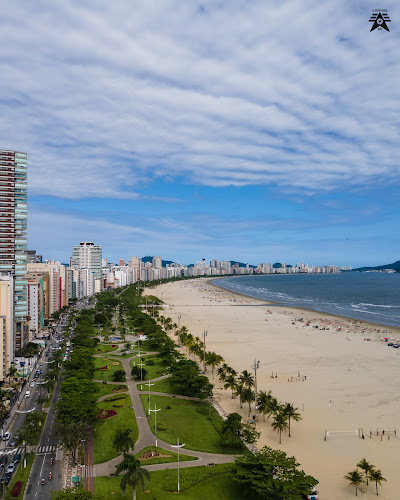
José Menino beach

Museu do Café
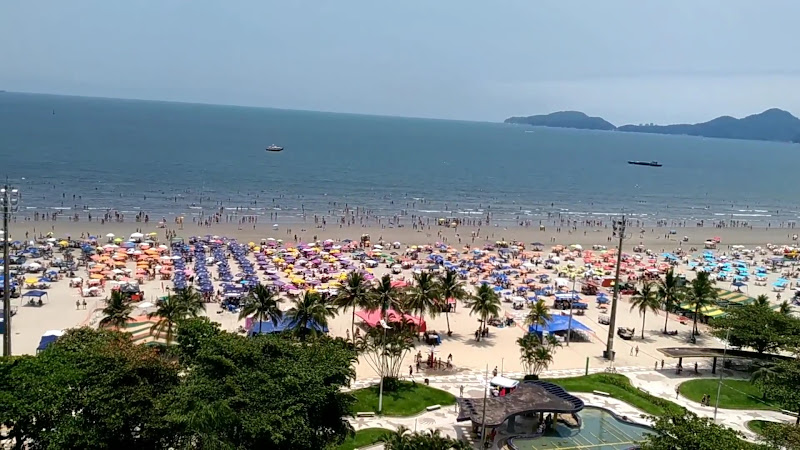
Orla and Gardens of Santos Beach
Find Accommodations Nearby
Recommended Tours & Activities
Visitor Reviews
There are no reviews yet. Be the first one to write one.
Share Your Experience
Have you visited Outfall of Santos? Help other travelers by leaving a review.