
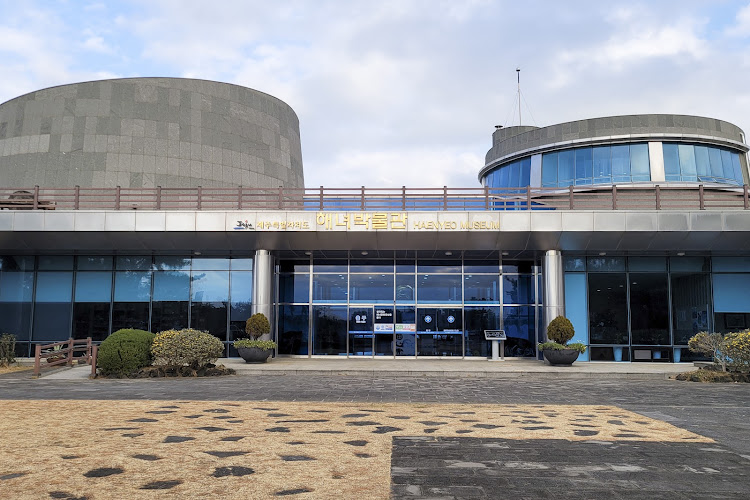
Jeju Haenyeo Museum
About Jeju Haenyeo Museum
Description
The Jeju Haenyeo Museum stands as a remarkable tribute to one of Korea's most unique cultural treasures - the haenyeo, or sea women of Jeju Island. These incredible female divers have been harvesting seafood from the ocean depths for centuries without the aid of breathing equipment, and honestly, when you first learn about what they do, it seems almost impossible. I remember reading about them years ago and thinking there's no way people actually dive that deep holding their breath, but they really do. This museum does something special that a lot of other cultural institutions don't quite manage - it brings to life a disappearing way of life through thoughtful exhibits that go beyond just displaying old tools and photographs. The haenyeo tradition represents a matriarchal society where women were often the primary breadwinners, which was pretty revolutionary in traditional Korean culture. Walking through this museum, visitors get a real sense of the physical demands, the daily routines, and the tight-knit community bonds that define haenyeo culture. The building itself houses multiple floors of exhibitions that trace the history of these remarkable women from ancient times to the present day. You'll find everything from traditional diving gear to recreated scenes of haenyeo life, and the museum doesn't shy away from showing both the hardships and the pride these women carry. There's also a lovely outdoor sculpture garden that provides a nice break from the indoor exhibits, and the gift shop offers some genuinely interesting items you won't find at your typical tourist trap. What makes this place particularly worth visiting is that it documents a living tradition that's sadly fading away. The average age of working haenyeo today is well into the 60s and 70s, and fewer young women are taking up this demanding profession. The museum serves not just as a tourist attraction but as an important preservation effort for a practice that UNESCO recognized as Intangible Cultural Heritage of Humanity in 2016.Key Features
Visitors to the Jeju Haenyeo Museum can expect to encounter several distinctive features that make this destination genuinely worthwhile:- Interactive Exhibitions: The museum goes beyond static displays with hands-on experiences that let you understand the weight of diving equipment and the tools these women use daily in their work
- Historical Timeline: Comprehensive exhibits trace the evolution of haenyeo culture from its origins through modern times, showing how these women adapted to changing economic and social conditions
- Traditional Diving Gear Display: See the actual equipment used by haenyeo across different eras, including the iconic wetsuit that replaced traditional white cotton diving clothes in the 1970s
- Multimedia Presentations: Video footage and audio recordings capture the distinctive whistle-like sound (called "sumbisori") that haenyeo make when they surface after a dive - it's hauntingly beautiful
- Cultural Context Exhibits: Learn about the broader social implications of haenyeo work, including how it created one of Korea's few historical matriarchal communities
- Outdoor Sculpture Garden: Bronze sculptures depicting haenyeo at work provide excellent photo opportunities and a peaceful space to reflect on what you've learned
- Educational Programs: Depending on when you visit, there might be special programs or demonstrations available that bring the exhibits to life
- Changing Facilities: The museum is family-friendly with proper amenities for visitors with young children
- Accessibility Features: Wheelchair-accessible throughout, making it possible for all visitors to experience the full museum
- Free Parking: Generous parking facilities mean you won't be circling around looking for a spot or paying excessive fees
Best Time to Visit
Here's where I'm gonna give you the real scoop on timing your visit, because it actually matters more than you might think. The museum itself is open year-round, but the experience you have can vary quite a bit depending on when you go. Spring months from April through early June offer probably the most comfortable weather for exploring both the indoor museum and the outdoor sculpture areas. The temperatures are mild, the island isn't completely overrun with tourists yet, and you can actually take your time without feeling rushed by crowds. Summer, particularly July and August, brings the biggest tourist rush to Jeju Island. And look, the museum will be more crowded during these months - you'll be sharing exhibit space with tour groups and families on vacation. But there's also something to be said for visiting during summer because this is when you might actually spot real haenyeo working along Jeju's coastlines. If you're driving around the island after your museum visit, the chances of seeing these women in action are higher during warmer months. Fall, especially September through November, is honestly my personal recommendation if you can swing it. The weather's still pleasant, the summer crowds have thinned out considerably, and there's something about autumn light that makes the outdoor sculptures particularly photogenic. Plus, you'll have more space to really absorb the exhibits without constantly navigating around other people. Winter visits are perfectly fine too, though you'll want to dress warmly. The museum's indoor spaces are heated, but January and February can be quite chilly when you're exploring the grounds. The upside? You might practically have the place to yourself on weekday mornings. Regarding time of day, arriving right when the museum opens typically means fewer crowds. Weekday mornings are especially quiet. Avoid late mornings and early afternoons on weekends if possible - that's when tour buses tend to arrive. And give yourself at least two hours minimum to properly explore everything. I've seen too many travelers rush through in 45 minutes and miss some of the best exhibits.How to Get There
Getting to the Jeju Haenyeo Museum is reasonably straightforward, though like most things on Jeju Island, having your own transportation makes life considerably easier. If you're renting a car, which most independent travelers to Jeju do, you'll find the museum located on the northeastern coast of the island. The drive from Jeju City takes roughly 30-40 minutes depending on traffic, and the route is well-marked with signs in both Korean and English. The museum provides ample free parking right on site, which is a huge plus. Just follow your GPS or navigation app - they're pretty reliable for finding the museum. For those relying on public transportation, it's doable but requires a bit more patience. Several bus routes service the area, though you'll need to check current schedules as they can change seasonally. The bus ride from Jeju City will take longer than driving - usually around an hour or more - and you might need to walk a short distance from the bus stop to the museum entrance. But honestly, many travelers find the bus system on Jeju quite manageable once they get the hang of it. Taxis are another option, especially if you're traveling with a group and can split the cost. The fare from Jeju City won't be cheap, but it's more comfortable than the bus and faster than you'd manage on public transit. Some visitors arrange for a taxi to wait or return at a specified time, though this needs to be negotiated with the driver. Tour packages often include the Haenyeo Museum as part of a broader Jeju itinerary, which solves the transportation question entirely if you don't mind following a set schedule. These tours typically bundle the museum with other nearby attractions, which can be efficient if you're short on time. The museum's location on the coast means you can easily combine your visit with stops at nearby beaches or other coastal attractions. Many travelers make a day of exploring this part of Jeju, stopping at various points along the scenic coastal road.Tips for Visiting
After hearing from friends who've been and doing my own research, here are some practical tips that'll help you make the most of your visit. First off, don't skip the English language materials available at the entrance. While many exhibits have English translations, grabbing a guidebook or using the available English audio guide really enhances understanding. The cultural context matters here - without it, you're just looking at old diving suits and fishing tools without grasping the significance. Wear comfortable shoes. This might seem obvious, but the museum has multiple floors and you'll be on your feet for a while. The outdoor sculpture garden also involves some walking on uneven surfaces, so save your fancy shoes for dinner. Bring a light jacket even in warmer months. Museum air conditioning can be aggressive, and if there's any wind outside in the sculpture garden, you'll appreciate having an extra layer. And speaking of the sculpture garden, definitely don't rush through it. I've heard from several people that they almost skipped it entirely and would've regretted it - those bronze sculptures are genuinely moving when you understand what they represent. Photography is generally allowed in most areas, but check for any posted restrictions in specific exhibit spaces. The sculptures outside make for fantastic photos, particularly if you catch the lighting right in early morning or late afternoon. If you're traveling with kids, the museum actually works well for families despite being educational. There are interactive elements that keep younger visitors engaged, and the changing tables in the restrooms show they've thought about family needs. That said, it's still a museum - bring some patience if you're wrangling energetic children. Consider timing your visit to Jeju to also catch a glimpse of actual haenyeo at work. The museum staff can sometimes provide information about where women are currently diving, though this isn't guaranteed and shouldn't be your only reason for visiting. Watching these women work is powerful, but the museum experience stands on its own merits. Don't rush through to check it off your list. This is one of those places where slowing down and really reading the exhibits pays off. The story of the haenyeo is fascinating - these women dive up to 10 meters deep, hold their breath for over two minutes, and do this dozens of times a day well into their 70s. That deserves more than a quick walkthrough. The gift shop actually has some quality items worth browsing. Unlike a lot of tourist museum shops that just push cheap trinkets, you'll find books, traditional crafts, and items that support the haenyeo community. If you're looking for meaningful souvenirs from Jeju, this is a good spot. Finally, use the restroom facilities before you leave. They're clean and well-maintained, and depending on where you're headed next on the island, convenient facilities might not be immediately available. It's a small thing, but it matters when you're exploring. The Jeju Haenyeo Museum offers something increasingly rare - a chance to connect with a living cultural tradition that's slowly disappearing. It's educational without being dry, celebrates these remarkable women without romanticizing the hardship of their work, and provides context that enriches your entire Jeju experience. Whether you're a culture enthusiast, a history buff, or just someone looking to understand this unique island better, the museum delivers on multiple levels.Key Features
- Permanent exhibition on haenyeo history and culture with donated artifacts
- Replica haenyeo house and traditional diving gear displays
- Documentary/video room featuring interviews and diving footage
- Guided museum tours and educational programming (times may vary)
- Observatory/garden with coastal views of Hado-ri and surrounding sea
More Details
Updated January 17, 2026
Table of Contents
Description
The Jeju Haenyeo Museum stands as a remarkable tribute to one of Korea’s most unique cultural treasures – the haenyeo, or sea women of Jeju Island. These incredible female divers have been harvesting seafood from the ocean depths for centuries without the aid of breathing equipment, and honestly, when you first learn about what they do, it seems almost impossible. I remember reading about them years ago and thinking there’s no way people actually dive that deep holding their breath, but they really do.
This museum does something special that a lot of other cultural institutions don’t quite manage – it brings to life a disappearing way of life through thoughtful exhibits that go beyond just displaying old tools and photographs. The haenyeo tradition represents a matriarchal society where women were often the primary breadwinners, which was pretty revolutionary in traditional Korean culture. Walking through this museum, visitors get a real sense of the physical demands, the daily routines, and the tight-knit community bonds that define haenyeo culture.
The building itself houses multiple floors of exhibitions that trace the history of these remarkable women from ancient times to the present day. You’ll find everything from traditional diving gear to recreated scenes of haenyeo life, and the museum doesn’t shy away from showing both the hardships and the pride these women carry. There’s also a lovely outdoor sculpture garden that provides a nice break from the indoor exhibits, and the gift shop offers some genuinely interesting items you won’t find at your typical tourist trap.
What makes this place particularly worth visiting is that it documents a living tradition that’s sadly fading away. The average age of working haenyeo today is well into the 60s and 70s, and fewer young women are taking up this demanding profession. The museum serves not just as a tourist attraction but as an important preservation effort for a practice that UNESCO recognized as Intangible Cultural Heritage of Humanity in 2016.
Key Features
Visitors to the Jeju Haenyeo Museum can expect to encounter several distinctive features that make this destination genuinely worthwhile:
- Interactive Exhibitions: The museum goes beyond static displays with hands-on experiences that let you understand the weight of diving equipment and the tools these women use daily in their work
- Historical Timeline: Comprehensive exhibits trace the evolution of haenyeo culture from its origins through modern times, showing how these women adapted to changing economic and social conditions
- Traditional Diving Gear Display: See the actual equipment used by haenyeo across different eras, including the iconic wetsuit that replaced traditional white cotton diving clothes in the 1970s
- Multimedia Presentations: Video footage and audio recordings capture the distinctive whistle-like sound (called “sumbisori”) that haenyeo make when they surface after a dive – it’s hauntingly beautiful
- Cultural Context Exhibits: Learn about the broader social implications of haenyeo work, including how it created one of Korea’s few historical matriarchal communities
- Outdoor Sculpture Garden: Bronze sculptures depicting haenyeo at work provide excellent photo opportunities and a peaceful space to reflect on what you’ve learned
- Educational Programs: Depending on when you visit, there might be special programs or demonstrations available that bring the exhibits to life
- Changing Facilities: The museum is family-friendly with proper amenities for visitors with young children
- Accessibility Features: Wheelchair-accessible throughout, making it possible for all visitors to experience the full museum
- Free Parking: Generous parking facilities mean you won’t be circling around looking for a spot or paying excessive fees
Best Time to Visit
Here’s where I’m gonna give you the real scoop on timing your visit, because it actually matters more than you might think.
The museum itself is open year-round, but the experience you have can vary quite a bit depending on when you go. Spring months from April through early June offer probably the most comfortable weather for exploring both the indoor museum and the outdoor sculpture areas. The temperatures are mild, the island isn’t completely overrun with tourists yet, and you can actually take your time without feeling rushed by crowds.
Summer, particularly July and August, brings the biggest tourist rush to Jeju Island. And look, the museum will be more crowded during these months – you’ll be sharing exhibit space with tour groups and families on vacation. But there’s also something to be said for visiting during summer because this is when you might actually spot real haenyeo working along Jeju’s coastlines. If you’re driving around the island after your museum visit, the chances of seeing these women in action are higher during warmer months.
Fall, especially September through November, is honestly my personal recommendation if you can swing it. The weather’s still pleasant, the summer crowds have thinned out considerably, and there’s something about autumn light that makes the outdoor sculptures particularly photogenic. Plus, you’ll have more space to really absorb the exhibits without constantly navigating around other people.
Winter visits are perfectly fine too, though you’ll want to dress warmly. The museum’s indoor spaces are heated, but January and February can be quite chilly when you’re exploring the grounds. The upside? You might practically have the place to yourself on weekday mornings.
Regarding time of day, arriving right when the museum opens typically means fewer crowds. Weekday mornings are especially quiet. Avoid late mornings and early afternoons on weekends if possible – that’s when tour buses tend to arrive. And give yourself at least two hours minimum to properly explore everything. I’ve seen too many travelers rush through in 45 minutes and miss some of the best exhibits.
How to Get There
Getting to the Jeju Haenyeo Museum is reasonably straightforward, though like most things on Jeju Island, having your own transportation makes life considerably easier.
If you’re renting a car, which most independent travelers to Jeju do, you’ll find the museum located on the northeastern coast of the island. The drive from Jeju City takes roughly 30-40 minutes depending on traffic, and the route is well-marked with signs in both Korean and English. The museum provides ample free parking right on site, which is a huge plus. Just follow your GPS or navigation app – they’re pretty reliable for finding the museum.
For those relying on public transportation, it’s doable but requires a bit more patience. Several bus routes service the area, though you’ll need to check current schedules as they can change seasonally. The bus ride from Jeju City will take longer than driving – usually around an hour or more – and you might need to walk a short distance from the bus stop to the museum entrance. But honestly, many travelers find the bus system on Jeju quite manageable once they get the hang of it.
Taxis are another option, especially if you’re traveling with a group and can split the cost. The fare from Jeju City won’t be cheap, but it’s more comfortable than the bus and faster than you’d manage on public transit. Some visitors arrange for a taxi to wait or return at a specified time, though this needs to be negotiated with the driver.
Tour packages often include the Haenyeo Museum as part of a broader Jeju itinerary, which solves the transportation question entirely if you don’t mind following a set schedule. These tours typically bundle the museum with other nearby attractions, which can be efficient if you’re short on time.
The museum’s location on the coast means you can easily combine your visit with stops at nearby beaches or other coastal attractions. Many travelers make a day of exploring this part of Jeju, stopping at various points along the scenic coastal road.
Tips for Visiting
After hearing from friends who’ve been and doing my own research, here are some practical tips that’ll help you make the most of your visit.
First off, don’t skip the English language materials available at the entrance. While many exhibits have English translations, grabbing a guidebook or using the available English audio guide really enhances understanding. The cultural context matters here – without it, you’re just looking at old diving suits and fishing tools without grasping the significance.
Wear comfortable shoes. This might seem obvious, but the museum has multiple floors and you’ll be on your feet for a while. The outdoor sculpture garden also involves some walking on uneven surfaces, so save your fancy shoes for dinner.
Bring a light jacket even in warmer months. Museum air conditioning can be aggressive, and if there’s any wind outside in the sculpture garden, you’ll appreciate having an extra layer. And speaking of the sculpture garden, definitely don’t rush through it. I’ve heard from several people that they almost skipped it entirely and would’ve regretted it – those bronze sculptures are genuinely moving when you understand what they represent.
Photography is generally allowed in most areas, but check for any posted restrictions in specific exhibit spaces. The sculptures outside make for fantastic photos, particularly if you catch the lighting right in early morning or late afternoon.
If you’re traveling with kids, the museum actually works well for families despite being educational. There are interactive elements that keep younger visitors engaged, and the changing tables in the restrooms show they’ve thought about family needs. That said, it’s still a museum – bring some patience if you’re wrangling energetic children.
Consider timing your visit to Jeju to also catch a glimpse of actual haenyeo at work. The museum staff can sometimes provide information about where women are currently diving, though this isn’t guaranteed and shouldn’t be your only reason for visiting. Watching these women work is powerful, but the museum experience stands on its own merits.
Don’t rush through to check it off your list. This is one of those places where slowing down and really reading the exhibits pays off. The story of the haenyeo is fascinating – these women dive up to 10 meters deep, hold their breath for over two minutes, and do this dozens of times a day well into their 70s. That deserves more than a quick walkthrough.
The gift shop actually has some quality items worth browsing. Unlike a lot of tourist museum shops that just push cheap trinkets, you’ll find books, traditional crafts, and items that support the haenyeo community. If you’re looking for meaningful souvenirs from Jeju, this is a good spot.
Finally, use the restroom facilities before you leave. They’re clean and well-maintained, and depending on where you’re headed next on the island, convenient facilities might not be immediately available. It’s a small thing, but it matters when you’re exploring.
The Jeju Haenyeo Museum offers something increasingly rare – a chance to connect with a living cultural tradition that’s slowly disappearing. It’s educational without being dry, celebrates these remarkable women without romanticizing the hardship of their work, and provides context that enriches your entire Jeju experience. Whether you’re a culture enthusiast, a history buff, or just someone looking to understand this unique island better, the museum delivers on multiple levels.
Key Highlights
- Permanent exhibition on haenyeo history and culture with donated artifacts
- Replica haenyeo house and traditional diving gear displays
- Documentary/video room featuring interviews and diving footage
- Guided museum tours and educational programming (times may vary)
- Observatory/garden with coastal views of Hado-ri and surrounding sea
Location
Places to Stay Near Jeju Haenyeo Museum
Find and Book a Tour
Explore More Travel Guides
No reviews found! Be the first to review!
Traveler Reviews for Jeju Haenyeo Museum
There are no reviews yet. Be the first one to write one.
Have you visited Jeju Haenyeo Museum? Help other travelers by sharing your review.
Nearby Attractions
You Might Also Like
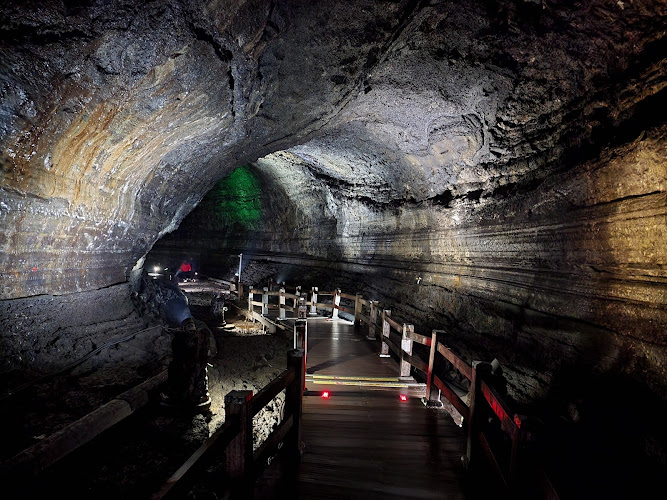
Manjanggul Lava Tube
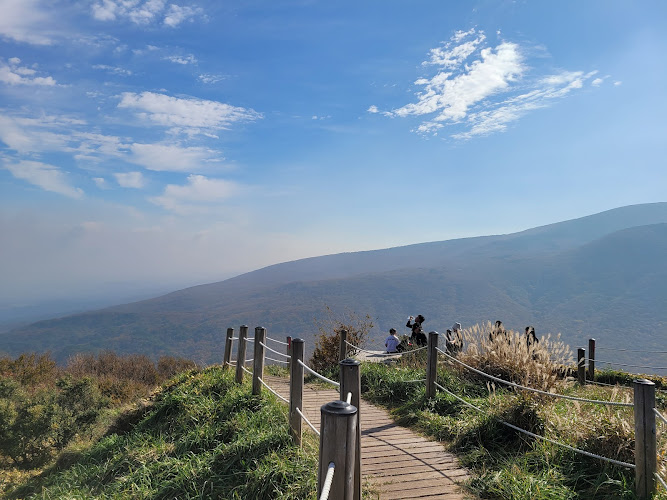
Eoseungsaengak Trail
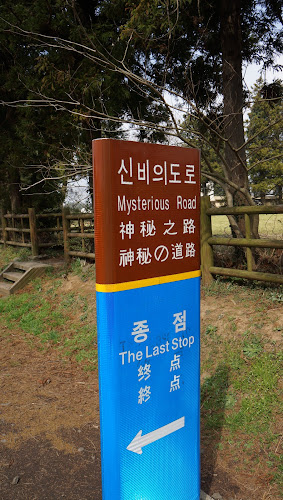
Mysterious Road
Find Accommodations Nearby
Recommended Tours & Activities
Visitor Reviews
There are no reviews yet. Be the first one to write one.
Share Your Experience
Have you visited Jeju Haenyeo Museum? Help other travelers by leaving a review.