

Hyeopjae Cave: Hallim Park
About Hyeopjae Cave: Hallim Park
Description
When you think about volcanic landscapes, your mind probably jumps to dramatic mountain peaks or barren lava fields. But beneath the surface of Jeju Island lies a completely different world that most travelers barely scratch the surface of. Hyeopjae Cave sits within the expansive grounds of Hallim Park, offering visitors a rare chance to walk through an actual lava tube that formed thousands of years ago when molten rock carved its way through the earth. I'll be honest - the first time I heard about walking through a cave on what's essentially a botanical garden property, I was skeptical. Turns out, this combination is precisely what makes Hallim Park such a compelling destination. While the park itself spreads across roughly 100,000 square meters of meticulously maintained gardens and cultural exhibits, the real geological treasure hides underground. Hyeopjae Cave represents one of the few accessible lava tubes on Jeju Island where everyday travelers can experience the island's volcanic origins without needing specialized caving equipment or extreme physical fitness. The cave maintains a constant cool temperature year-round, which honestly feels like stepping into nature's own air conditioning system during Jeju's humid summers. As you descend into the dimly lit passages, the walls tell stories of ancient volcanic activity through their rippled textures and mineral deposits. The ceiling heights vary throughout the tube, with some sections opening up into cathedral-like chambers while others require a bit of ducking (though nothing too strenuous for most visitors). And the lighting system installed throughout helps showcase the natural formations without overwhelming the cave's inherent character. What really sets this experience apart is how Hallim Park has managed to preserve the cave's natural state while making it accessible to regular tourists. You won't find over-commercialized gift shops at every turn or excessive artificial enhancements. The focus remains squarely on the geological wonder itself.Key Features
The underground journey through Hyeopjae Cave and its connected passages reveals several distinctive characteristics that geology enthusiasts and curious travelers alike will appreciate:- Natural lava tube formations showcasing textured walls created by flowing molten rock, with visible flow patterns frozen in time
- Stalactites and stalagmites that have developed over millennia, creating otherworldly shapes in the permanent darkness
- Multiple connected cave systems within the park grounds, including Hyeopjae Cave and additional volcanic tubes that can be explored in a single visit
- Year-round temperature regulation that keeps the cave naturally cool, typically hovering around 15-17 degrees Celsius regardless of outside conditions
- Wheelchair accessible facilities at ground level, though the cave itself involves stairs and uneven surfaces
- Integration with Hallim Park's broader attractions, allowing visitors to combine underground exploration with gardens, folk villages, and themed sections above ground
- Educational displays explaining Jeju's volcanic formation and the specific geological processes that created these lava tubes
- Adequate lighting throughout the main pathways while preserving the cave's natural ambiance
- Restroom facilities and modern payment options including credit cards and mobile payments
- Family-friendly environment suitable for children with reasonable mobility (though very young kids might find some sections challenging)
Best Time to Visit
Here's where things get interesting because unlike outdoor attractions that heavily depend on weather conditions, Hyeopjae Cave maintains its appeal throughout the entire year. But that doesn't mean all visiting times are created equal. Summer months from June through August actually represent peak season for the cave, and not just because more tourists flock to Jeju Island. The cave's naturally cool temperature provides genuine relief from the island's sometimes oppressive heat and humidity. I remember visiting on a particularly muggy July afternoon when stepping into the cave felt like entering a completely different climate zone. The temperature drop is immediate and refreshing. However, this same appeal means you'll encounter more crowds during these months. Spring (April and May) and fall (September through November) offer arguably the best overall experience. The weather above ground remains pleasant enough that you won't desperately need the cave's cooling effect, but you'll also avoid the largest tourist crowds. The surrounding Hallim Park gardens look particularly stunning during these seasons too - spring brings blossoms while autumn delivers beautiful foliage transitions. Winter visits have their own unique charm. While the cave temperature stays relatively constant, the contrast between the crisp outdoor air and the cave's stable environment becomes less dramatic. Visitor numbers drop significantly during January and February, which means you might practically have sections of the cave to yourself. That solitude can be magical if you don't mind bundling up for the above-ground portions of your park visit. Weekdays consistently see fewer visitors than weekends regardless of season. If your schedule allows for a Tuesday or Wednesday visit, you'll navigate the cave passages with considerably more breathing room. Early morning arrivals right when the park opens also beat the rush, though late afternoon visits create their own peaceful atmosphere as day-trippers begin departing. The cave remains open during light rain, and honestly, rainy days can be perfect for visiting since you'll spend much of your time underground anyway. Just be aware that the stairs and pathways can become slightly more slippery in wet conditions.How to Get There
Getting to Hyeopjae Cave within Hallim Park requires a bit of planning since the park sits on Jeju's northwestern coast, but the journey is straightforward once you understand your options. Most visitors fly into Jeju International Airport, and from there you've got several transportation choices. Renting a car gives you the most flexibility for exploring Jeju Island broadly, and it takes roughly 40-50 minutes to drive from the airport to Hallim Park depending on traffic. The route primarily follows the coastal road westward, offering scenic ocean views along the way. Parking at Hallim Park is accessible and can accommodate visitors with mobility needs. If you're not comfortable driving in a foreign country (completely understandable), public buses provide reliable service. Bus routes 202 and 792 connect various parts of the island to the Hallim Park area, though schedules run less frequently than urban bus systems. The trade-off for slightly longer travel times is getting to see more of Jeju's landscape and local neighborhoods that you'd zip past in a car. Taxis and ride-sharing services work well for direct transportation, especially if you're traveling as a group where you can split costs. The fare from Jeju City to Hallim Park typically runs around 20,000-30,000 Korean won, though prices fluctuate based on exact pickup location and traffic conditions. Many visitors opt for organized tour packages that include Hallim Park and Hyeopjae Cave as part of western Jeju itineraries. These tours handle all transportation logistics and often combine the cave visit with nearby attractions like Hyeopjae Beach and other northwestern coast highlights. The downside is less flexibility in how much time you spend at each location. Once you arrive at Hallim Park, clear signage in multiple languages directs you toward the cave entrance. The park layout is intuitive, and staff members can provide directions if needed.Tips for Visiting
After experiencing Hyeopjae Cave myself and talking with numerous fellow travelers, several practical insights can significantly improve your visit. First things first - wear appropriate footwear. This isn't the time to break in new shoes or wear those cute sandals. The cave floors can be uneven and occasionally damp, so closed-toe shoes with good traction are essential. I watched someone in flip-flops struggle through the entire tour, and it looked miserable. Bring a light jacket or long-sleeved shirt even during summer. That 15-17 degree cave temperature feels refreshing initially but can turn chilly during an extended visit, especially if you've been sweating in the heat outside. The temperature contrast is more significant than most people anticipate. Photography enthusiasts should adjust their expectations and equipment. The cave's lighting allows for photos, but you'll need to work with limited light conditions. A camera or phone that handles low-light situations well will serve you better than relying on flash, which tends to wash out the natural textures and create harsh shadows. And please be mindful of other visitors when taking photos - nobody enjoys having their cave experience interrupted by someone's extended photoshoot blocking the pathway. Purchase your admission tickets early in the day if visiting during peak season. The park sometimes implements visitor limits for the caves to prevent overcrowding and preserve the formations. Getting there right when the park opens ensures you won't face capacity restrictions. Plan to spend more time than just the cave visit. Hallim Park offers enough variety that rushing through just to see Hyeopjae Cave wastes the admission value. Budget at least 2-3 hours to properly explore both the underground sections and the garden areas above ground. The folk village section and various themed gardens deserve attention too. Families with young children should realistically assess their kids' abilities. While the cave is technically suitable for children, it involves stairs, dim lighting, and confined spaces that might overwhelm very young ones or those afraid of dark enclosed areas. Strollers won't work in the cave sections, so plan accordingly. The park accepts various payment methods including credit cards and mobile payments, but keeping some Korean won cash on hand never hurts for small purchases or just-in-case scenarios. Don't skip the informational displays at the cave entrance. They provide context about Jeju's volcanic formation that makes the cave itself much more meaningful. Understanding that you're walking through channels carved by actual flowing lava transforms the experience from "cool cave" to "geological time machine." Watch your head in certain sections. The signs indicating low clearance aren't just suggestions - they mark spots where taller visitors will genuinely need to duck. Moving slowly and watching where you're going prevents painful encounters with ancient volcanic rock. Lastly, visit the restroom before descending into the cave. There aren't facilities underground (obviously), and the tour takes enough time that you'll want to plan accordingly. The park maintains clean restrooms at ground level near the entrance areas.Key Features
- Short, accessible lava tube with clear basalt flow structures
- Well-maintained paths suitable for casual visitors and families
- Located inside Hallim Park, near themed gardens and exhibits
- Close walk to Hyeopjae Beach and scenic coastal views
- Educational signage explaining volcanic formation and geology
More Details
Updated January 17, 2026
Table of Contents
Description
When you think about volcanic landscapes, your mind probably jumps to dramatic mountain peaks or barren lava fields. But beneath the surface of Jeju Island lies a completely different world that most travelers barely scratch the surface of. Hyeopjae Cave sits within the expansive grounds of Hallim Park, offering visitors a rare chance to walk through an actual lava tube that formed thousands of years ago when molten rock carved its way through the earth.
I’ll be honest – the first time I heard about walking through a cave on what’s essentially a botanical garden property, I was skeptical. Turns out, this combination is precisely what makes Hallim Park such a compelling destination. While the park itself spreads across roughly 100,000 square meters of meticulously maintained gardens and cultural exhibits, the real geological treasure hides underground. Hyeopjae Cave represents one of the few accessible lava tubes on Jeju Island where everyday travelers can experience the island’s volcanic origins without needing specialized caving equipment or extreme physical fitness.
The cave maintains a constant cool temperature year-round, which honestly feels like stepping into nature’s own air conditioning system during Jeju’s humid summers. As you descend into the dimly lit passages, the walls tell stories of ancient volcanic activity through their rippled textures and mineral deposits. The ceiling heights vary throughout the tube, with some sections opening up into cathedral-like chambers while others require a bit of ducking (though nothing too strenuous for most visitors). And the lighting system installed throughout helps showcase the natural formations without overwhelming the cave’s inherent character.
What really sets this experience apart is how Hallim Park has managed to preserve the cave’s natural state while making it accessible to regular tourists. You won’t find over-commercialized gift shops at every turn or excessive artificial enhancements. The focus remains squarely on the geological wonder itself.
Key Features
The underground journey through Hyeopjae Cave and its connected passages reveals several distinctive characteristics that geology enthusiasts and curious travelers alike will appreciate:
- Natural lava tube formations showcasing textured walls created by flowing molten rock, with visible flow patterns frozen in time
- Stalactites and stalagmites that have developed over millennia, creating otherworldly shapes in the permanent darkness
- Multiple connected cave systems within the park grounds, including Hyeopjae Cave and additional volcanic tubes that can be explored in a single visit
- Year-round temperature regulation that keeps the cave naturally cool, typically hovering around 15-17 degrees Celsius regardless of outside conditions
- Wheelchair accessible facilities at ground level, though the cave itself involves stairs and uneven surfaces
- Integration with Hallim Park’s broader attractions, allowing visitors to combine underground exploration with gardens, folk villages, and themed sections above ground
- Educational displays explaining Jeju’s volcanic formation and the specific geological processes that created these lava tubes
- Adequate lighting throughout the main pathways while preserving the cave’s natural ambiance
- Restroom facilities and modern payment options including credit cards and mobile payments
- Family-friendly environment suitable for children with reasonable mobility (though very young kids might find some sections challenging)
Best Time to Visit
Here’s where things get interesting because unlike outdoor attractions that heavily depend on weather conditions, Hyeopjae Cave maintains its appeal throughout the entire year. But that doesn’t mean all visiting times are created equal.
Summer months from June through August actually represent peak season for the cave, and not just because more tourists flock to Jeju Island. The cave’s naturally cool temperature provides genuine relief from the island’s sometimes oppressive heat and humidity. I remember visiting on a particularly muggy July afternoon when stepping into the cave felt like entering a completely different climate zone. The temperature drop is immediate and refreshing. However, this same appeal means you’ll encounter more crowds during these months.
Spring (April and May) and fall (September through November) offer arguably the best overall experience. The weather above ground remains pleasant enough that you won’t desperately need the cave’s cooling effect, but you’ll also avoid the largest tourist crowds. The surrounding Hallim Park gardens look particularly stunning during these seasons too – spring brings blossoms while autumn delivers beautiful foliage transitions.
Winter visits have their own unique charm. While the cave temperature stays relatively constant, the contrast between the crisp outdoor air and the cave’s stable environment becomes less dramatic. Visitor numbers drop significantly during January and February, which means you might practically have sections of the cave to yourself. That solitude can be magical if you don’t mind bundling up for the above-ground portions of your park visit.
Weekdays consistently see fewer visitors than weekends regardless of season. If your schedule allows for a Tuesday or Wednesday visit, you’ll navigate the cave passages with considerably more breathing room. Early morning arrivals right when the park opens also beat the rush, though late afternoon visits create their own peaceful atmosphere as day-trippers begin departing.
The cave remains open during light rain, and honestly, rainy days can be perfect for visiting since you’ll spend much of your time underground anyway. Just be aware that the stairs and pathways can become slightly more slippery in wet conditions.
How to Get There
Getting to Hyeopjae Cave within Hallim Park requires a bit of planning since the park sits on Jeju’s northwestern coast, but the journey is straightforward once you understand your options.
Most visitors fly into Jeju International Airport, and from there you’ve got several transportation choices. Renting a car gives you the most flexibility for exploring Jeju Island broadly, and it takes roughly 40-50 minutes to drive from the airport to Hallim Park depending on traffic. The route primarily follows the coastal road westward, offering scenic ocean views along the way. Parking at Hallim Park is accessible and can accommodate visitors with mobility needs.
If you’re not comfortable driving in a foreign country (completely understandable), public buses provide reliable service. Bus routes 202 and 792 connect various parts of the island to the Hallim Park area, though schedules run less frequently than urban bus systems. The trade-off for slightly longer travel times is getting to see more of Jeju’s landscape and local neighborhoods that you’d zip past in a car.
Taxis and ride-sharing services work well for direct transportation, especially if you’re traveling as a group where you can split costs. The fare from Jeju City to Hallim Park typically runs around 20,000-30,000 Korean won, though prices fluctuate based on exact pickup location and traffic conditions.
Many visitors opt for organized tour packages that include Hallim Park and Hyeopjae Cave as part of western Jeju itineraries. These tours handle all transportation logistics and often combine the cave visit with nearby attractions like Hyeopjae Beach and other northwestern coast highlights. The downside is less flexibility in how much time you spend at each location.
Once you arrive at Hallim Park, clear signage in multiple languages directs you toward the cave entrance. The park layout is intuitive, and staff members can provide directions if needed.
Tips for Visiting
After experiencing Hyeopjae Cave myself and talking with numerous fellow travelers, several practical insights can significantly improve your visit.
First things first – wear appropriate footwear. This isn’t the time to break in new shoes or wear those cute sandals. The cave floors can be uneven and occasionally damp, so closed-toe shoes with good traction are essential. I watched someone in flip-flops struggle through the entire tour, and it looked miserable.
Bring a light jacket or long-sleeved shirt even during summer. That 15-17 degree cave temperature feels refreshing initially but can turn chilly during an extended visit, especially if you’ve been sweating in the heat outside. The temperature contrast is more significant than most people anticipate.
Photography enthusiasts should adjust their expectations and equipment. The cave’s lighting allows for photos, but you’ll need to work with limited light conditions. A camera or phone that handles low-light situations well will serve you better than relying on flash, which tends to wash out the natural textures and create harsh shadows. And please be mindful of other visitors when taking photos – nobody enjoys having their cave experience interrupted by someone’s extended photoshoot blocking the pathway.
Purchase your admission tickets early in the day if visiting during peak season. The park sometimes implements visitor limits for the caves to prevent overcrowding and preserve the formations. Getting there right when the park opens ensures you won’t face capacity restrictions.
Plan to spend more time than just the cave visit. Hallim Park offers enough variety that rushing through just to see Hyeopjae Cave wastes the admission value. Budget at least 2-3 hours to properly explore both the underground sections and the garden areas above ground. The folk village section and various themed gardens deserve attention too.
Families with young children should realistically assess their kids’ abilities. While the cave is technically suitable for children, it involves stairs, dim lighting, and confined spaces that might overwhelm very young ones or those afraid of dark enclosed areas. Strollers won’t work in the cave sections, so plan accordingly.
The park accepts various payment methods including credit cards and mobile payments, but keeping some Korean won cash on hand never hurts for small purchases or just-in-case scenarios.
Don’t skip the informational displays at the cave entrance. They provide context about Jeju’s volcanic formation that makes the cave itself much more meaningful. Understanding that you’re walking through channels carved by actual flowing lava transforms the experience from “cool cave” to “geological time machine.”
Watch your head in certain sections. The signs indicating low clearance aren’t just suggestions – they mark spots where taller visitors will genuinely need to duck. Moving slowly and watching where you’re going prevents painful encounters with ancient volcanic rock.
Lastly, visit the restroom before descending into the cave. There aren’t facilities underground (obviously), and the tour takes enough time that you’ll want to plan accordingly. The park maintains clean restrooms at ground level near the entrance areas.
Key Highlights
- Short, accessible lava tube with clear basalt flow structures
- Well-maintained paths suitable for casual visitors and families
- Located inside Hallim Park, near themed gardens and exhibits
- Close walk to Hyeopjae Beach and scenic coastal views
- Educational signage explaining volcanic formation and geology
Location
Places to Stay Near Hyeopjae Cave: Hallim Park
Find and Book a Tour
Explore More Travel Guides
No reviews found! Be the first to review!
Traveler Reviews for Hyeopjae Cave: Hallim Park
There are no reviews yet. Be the first one to write one.
Have you visited Hyeopjae Cave: Hallim Park? Help other travelers by sharing your review.
Nearby Attractions
You Might Also Like
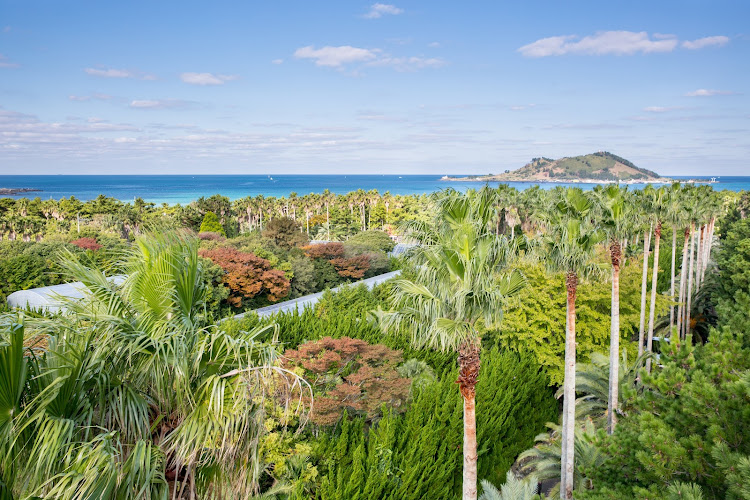
Hallim Park
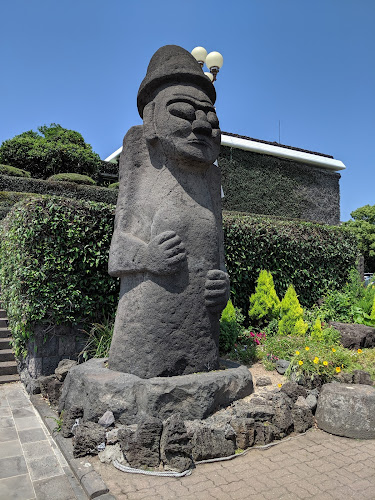
Jeju Folklore and Natural History Museum
Yong-Yeon
Find Accommodations Nearby
Recommended Tours & Activities
Visitor Reviews
There are no reviews yet. Be the first one to write one.
Share Your Experience
Have you visited Hyeopjae Cave: Hallim Park? Help other travelers by leaving a review.