Jeju Glass Castle
About Jeju Glass Castle
Description
The Jeju Glass Castle stands as one of South Korea's most creative attractions, bringing together the delicate artistry of glass with the natural beauty of Jeju Island. This theme park offers travelers something genuinely different from the usual tourist spots - a world where light, color, and craftsmanship merge into an experience that's equal parts art gallery and interactive playground. When you first arrive, you might wonder if a glass-themed park can really hold your attention for more than an hour or two. But here's the thing: the sheer variety of installations and the thoughtful way they're presented across both indoor galleries and outdoor gardens makes this place far more engaging than it sounds on paper. I've visited plenty of niche museums that overpromise and underdeliver, yet the Glass Castle manages to strike a balance between educational content and pure visual delight. The park showcases hundreds of glass sculptures and installations created by artists from around the world. You'll find everything from massive outdoor pieces that catch the sunlight in spectacular ways to intricate miniature works that demand close inspection. The outdoor sections incorporate the glass art into natural settings, creating unexpected moments where human creativity and Jeju's landscape seem to be in conversation with each other. What really sets this attraction apart is its commitment to making glass art accessible rather than intimidating. The children's forest area proves that this isn't just a place where you nervously walk around worried about breaking something expensive. Kids can actually engage with specially designed installations, and the hands-on activities let visitors of all ages try their hand at glass crafting techniques. The indoor galleries provide welcome relief on those days when Jeju's weather turns moody - and believe me, the island's climate can shift faster than you'd expect. These climate-controlled spaces house some of the more delicate pieces and offer detailed explanations about glassmaking traditions from different cultures. And the lighting design deserves special mention because whoever planned it understood that glass art lives or dies by how it's illuminated.Key Features
The Jeju Glass Castle packs numerous attractions into its grounds, each offering distinct experiences that justify the admission price:- Mirror maze that's genuinely disorienting in the best possible way - adults struggle with it just as much as children, creating hilarious moments as families try to navigate together
- Glass garden featuring towering sculptures integrated into landscaped grounds where seasonal flowers complement the permanent glass installations
- Ice museum maintained at freezing temperatures year-round, showcasing ice and glass sculptures side by side to demonstrate contrasting approaches to transparent art
- Glass bridge offering views across the park while testing your nerve - it's perfectly safe but your brain still sends those warning signals when you look down through clear flooring
- Kiln Forest where you can observe glassmaking demonstrations and understand the intense heat and skill required to create these artworks
- Hands-on workshop areas where visitors can participate in basic glass crafting activities under professional guidance
- Children's forest specifically designed with younger visitors in mind, featuring interactive installations that can withstand enthusiastic touching
- Themed exhibition halls that rotate special collections throughout the year, giving repeat visitors new content to experience
- Photo zones deliberately created for social media sharing - the park embraces Instagram culture rather than fighting it
- Glass gallery showcasing functional glass items alongside pure art pieces, demonstrating the medium's versatility from chandeliers to jewelry
- Outdoor terrace areas where the ocean views combine with glass installations for particularly striking sunset photography
- Educational displays explaining glass history, production techniques, and the science behind why glass behaves the way it does
Best Time to Visit
Timing your visit to Jeju Glass Castle requires thinking about both weather and crowds, two factors that significantly impact the experience you'll have. The shoulder seasons of April through May and September through October offer the sweet spot for most travelers. During these months, you'll find comfortable temperatures that make exploring the outdoor sections pleasant without dealing with summer's humidity or winter's chill. The natural lighting during these periods also enhances the glass sculptures beautifully - not too harsh, not too dim. Summer brings the biggest crowds, particularly during Korean school holidays in late July and August. If you're visiting during peak season, arriving right when the park opens gives you maybe an hour of relative peace before the tour buses start rolling in. The summer heat can be intense, but at least you've got those air-conditioned indoor galleries to escape to when you need a break. Winter visits have their own appeal, honestly. The crowds thin out considerably, and if you don't mind bundling up, the winter light creates entirely different effects on the glass installations. The Ice Museum becomes less of a shock to your system when it's already cold outside. Just be prepared for some outdoor sections to be less enjoyable when the wind picks up. Rainy days aren't necessarily bad days at the Glass Castle. The moisture can actually make some of the glass sculptures more photogenic, and the indoor sections ensure you've still got plenty to see. But if you're specifically coming for outdoor photography, obviously you'll want clear skies. Weekdays beat weekends hands down for crowd avoidance. If your schedule allows flexibility, Tuesday through Thursday typically sees the lightest attendance. Monday can be surprisingly busy with weekend travelers extending their trips. As for time of day, late afternoon visits work well if you want to catch the golden hour lighting on the outdoor installations. However, you'll need to manage your time carefully to see everything before closing. Midday offers the brightest conditions for photography but also the harshest shadows.How to Get There
Getting to Jeju Glass Castle requires some planning since it's not located in the island's main tourist district. The park sits on the eastern side of Jeju Island, which means you'll need reliable transportation to reach it. Renting a car remains the most convenient option for reaching the Glass Castle. Jeju's public transportation exists but operates on limited schedules that might not align with your preferred timing. With a rental car, you control your schedule and can easily combine the Glass Castle with other nearby attractions. The drive from Jeju City takes roughly 40 minutes depending on traffic, while from Seogwipo you're looking at about 30 minutes. The GPS coordinates work reliably in rental car navigation systems, and the facility has adequate parking that rarely fills completely. Parking fees are reasonable and the lot sits right next to the entrance, so you won't be hiking with tired kids or lugging camera gear across vast distances. Taxis offer another option, though you'll pay significantly more than parking costs. If you're going the taxi route, negotiate a return pickup time with your driver or use one of Korea's taxi apps to ensure you can get back to your accommodation. Don't count on finding taxis waiting outside the attraction, especially during off-peak hours. Some tour companies include the Glass Castle in their eastern Jeju itineraries. These package tours solve the transportation problem but lock you into a fixed schedule that might feel rushed if you're really enjoying the exhibits. You typically get 60-90 minutes at the park with these tours, which honestly feels a bit tight for seeing everything properly. The local bus system does serve the area, but requires transfers and careful attention to schedules. Unless you're particularly budget-conscious or enjoy the challenge of navigating public transit in a foreign country, the time saved with a rental car justifies the additional expense.Tips for Visiting
Making the most of your Glass Castle experience comes down to preparation and knowing what to expect from this unique attraction. Purchase your tickets online before arriving. The park's website offers advance tickets that skip the counter lines, and during busy periods this saves considerable time. The pricing structure sometimes includes package deals that bundle the workshops with admission, which costs less than paying separately. Bring your camera with fresh batteries and empty memory cards. You'll take way more photos than anticipated because almost everything here looks Instagram-worthy. But here's a tip I learned the hard way - polarizing filters on your camera lens can reduce glare on the glass sculptures and produce dramatically better images. If you're shooting with a phone, just be patient and try different angles to minimize reflections. Dress in layers because you're moving between outdoor spaces, air-conditioned galleries, and the genuinely freezing ice museum. That temperature variation affects comfort levels, and there's nothing worse than being too hot or cold to enjoy what you're seeing. Comfortable walking shoes matter too since you'll cover quite a bit of ground exploring all the different sections. The hands-on workshops require advance booking during peak seasons. If you're interested in actually trying glass crafting rather than just observing, check availability when you purchase admission. These sessions fill up fast, particularly the afternoon time slots. The activities range from simple (making glass beads) to more complex (blowing glass with professional assistance), with pricing reflecting the complexity. Plan at least two to three hours for a thorough visit. People who rush through miss the details that make this place special. The miniature works in the indoor galleries deserve close examination, and the outdoor sections benefit from taking your time to see how the light changes on the sculptures as you move around them. Watch your belongings in the mirror maze. It's easy to get disoriented and forget where you set down bags or jackets. And speaking of the maze, if you're prone to motion sickness or vertigo, maybe skip it or take it slow. The gift shop stocks unique glass items ranging from affordable trinkets to serious art pieces. If you're interested in purchasing, do it at the end of your visit so you're not carrying fragile items around the park. They pack everything carefully for travel, but you'll still want to allocate suitcase space if you're buying anything substantial. Food options on-site are limited to a small cafe with basic offerings. Eat a proper meal before or after your visit rather than depending on park food to satisfy serious hunger. The cafe works fine for coffee and snacks but won't replace lunch. If you're visiting with young children, the children's forest should be your first stop while they're fresh and energetic. The interactive elements there let kids burn energy in constructive ways, after which they might have patience for the more delicate indoor galleries. Photography is allowed throughout the park, but flash photography can damage some pieces and definitely annoys other visitors. Natural light produces better results anyway, so there's no real reason to use flash even if you could. The restroom facilities are clean and well-maintained, located at convenient intervals throughout the park. Take advantage of them before entering the ice museum since you won't want to exit mid-experience once you're in there. Check the weather forecast before your visit day. While the park operates in most conditions, heavy rain or strong winds can impact your enjoyment of the outdoor sections significantly. If possible, shift your visit to a clearer day and use rainy weather for indoor Jeju attractions instead.Key Features
- Extensive glass art exhibitions (over 250–360 pieces displayed in various sources)
- World's first glass maze and large glass globe installation
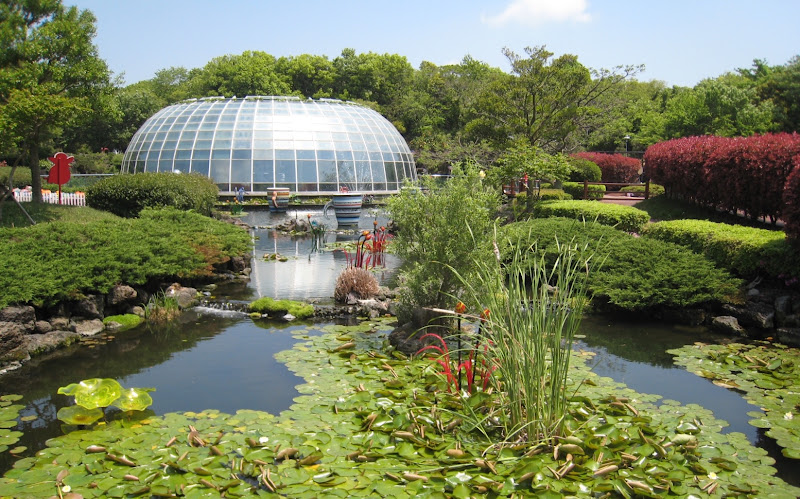
- Indoor exhibition halls plus outdoor themed gardens and sculpture trails
- Works by Korean and international glass artists and craftsmanship demonstrations
- Photogenic installations with special nighttime lighting and family-friendly displays
More Details
Updated January 17, 2026
Table of Contents
Description
The Jeju Glass Castle stands as one of South Korea’s most creative attractions, bringing together the delicate artistry of glass with the natural beauty of Jeju Island. This theme park offers travelers something genuinely different from the usual tourist spots – a world where light, color, and craftsmanship merge into an experience that’s equal parts art gallery and interactive playground.
When you first arrive, you might wonder if a glass-themed park can really hold your attention for more than an hour or two. But here’s the thing: the sheer variety of installations and the thoughtful way they’re presented across both indoor galleries and outdoor gardens makes this place far more engaging than it sounds on paper. I’ve visited plenty of niche museums that overpromise and underdeliver, yet the Glass Castle manages to strike a balance between educational content and pure visual delight.
The park showcases hundreds of glass sculptures and installations created by artists from around the world. You’ll find everything from massive outdoor pieces that catch the sunlight in spectacular ways to intricate miniature works that demand close inspection. The outdoor sections incorporate the glass art into natural settings, creating unexpected moments where human creativity and Jeju’s landscape seem to be in conversation with each other.
What really sets this attraction apart is its commitment to making glass art accessible rather than intimidating. The children’s forest area proves that this isn’t just a place where you nervously walk around worried about breaking something expensive. Kids can actually engage with specially designed installations, and the hands-on activities let visitors of all ages try their hand at glass crafting techniques.
The indoor galleries provide welcome relief on those days when Jeju’s weather turns moody – and believe me, the island’s climate can shift faster than you’d expect. These climate-controlled spaces house some of the more delicate pieces and offer detailed explanations about glassmaking traditions from different cultures. And the lighting design deserves special mention because whoever planned it understood that glass art lives or dies by how it’s illuminated.
Key Features
The Jeju Glass Castle packs numerous attractions into its grounds, each offering distinct experiences that justify the admission price:
- Mirror maze that’s genuinely disorienting in the best possible way – adults struggle with it just as much as children, creating hilarious moments as families try to navigate together
- Glass garden featuring towering sculptures integrated into landscaped grounds where seasonal flowers complement the permanent glass installations
- Ice museum maintained at freezing temperatures year-round, showcasing ice and glass sculptures side by side to demonstrate contrasting approaches to transparent art
- Glass bridge offering views across the park while testing your nerve – it’s perfectly safe but your brain still sends those warning signals when you look down through clear flooring
- Kiln Forest where you can observe glassmaking demonstrations and understand the intense heat and skill required to create these artworks
- Hands-on workshop areas where visitors can participate in basic glass crafting activities under professional guidance
- Children’s forest specifically designed with younger visitors in mind, featuring interactive installations that can withstand enthusiastic touching
- Themed exhibition halls that rotate special collections throughout the year, giving repeat visitors new content to experience
- Photo zones deliberately created for social media sharing – the park embraces Instagram culture rather than fighting it
- Glass gallery showcasing functional glass items alongside pure art pieces, demonstrating the medium’s versatility from chandeliers to jewelry
- Outdoor terrace areas where the ocean views combine with glass installations for particularly striking sunset photography
- Educational displays explaining glass history, production techniques, and the science behind why glass behaves the way it does
Best Time to Visit
Timing your visit to Jeju Glass Castle requires thinking about both weather and crowds, two factors that significantly impact the experience you’ll have.
The shoulder seasons of April through May and September through October offer the sweet spot for most travelers. During these months, you’ll find comfortable temperatures that make exploring the outdoor sections pleasant without dealing with summer’s humidity or winter’s chill. The natural lighting during these periods also enhances the glass sculptures beautifully – not too harsh, not too dim.
Summer brings the biggest crowds, particularly during Korean school holidays in late July and August. If you’re visiting during peak season, arriving right when the park opens gives you maybe an hour of relative peace before the tour buses start rolling in. The summer heat can be intense, but at least you’ve got those air-conditioned indoor galleries to escape to when you need a break.
Winter visits have their own appeal, honestly. The crowds thin out considerably, and if you don’t mind bundling up, the winter light creates entirely different effects on the glass installations. The Ice Museum becomes less of a shock to your system when it’s already cold outside. Just be prepared for some outdoor sections to be less enjoyable when the wind picks up.
Rainy days aren’t necessarily bad days at the Glass Castle. The moisture can actually make some of the glass sculptures more photogenic, and the indoor sections ensure you’ve still got plenty to see. But if you’re specifically coming for outdoor photography, obviously you’ll want clear skies.
Weekdays beat weekends hands down for crowd avoidance. If your schedule allows flexibility, Tuesday through Thursday typically sees the lightest attendance. Monday can be surprisingly busy with weekend travelers extending their trips.
As for time of day, late afternoon visits work well if you want to catch the golden hour lighting on the outdoor installations. However, you’ll need to manage your time carefully to see everything before closing. Midday offers the brightest conditions for photography but also the harshest shadows.
How to Get There
Getting to Jeju Glass Castle requires some planning since it’s not located in the island’s main tourist district. The park sits on the eastern side of Jeju Island, which means you’ll need reliable transportation to reach it.
Renting a car remains the most convenient option for reaching the Glass Castle. Jeju’s public transportation exists but operates on limited schedules that might not align with your preferred timing. With a rental car, you control your schedule and can easily combine the Glass Castle with other nearby attractions. The drive from Jeju City takes roughly 40 minutes depending on traffic, while from Seogwipo you’re looking at about 30 minutes.
The GPS coordinates work reliably in rental car navigation systems, and the facility has adequate parking that rarely fills completely. Parking fees are reasonable and the lot sits right next to the entrance, so you won’t be hiking with tired kids or lugging camera gear across vast distances.
Taxis offer another option, though you’ll pay significantly more than parking costs. If you’re going the taxi route, negotiate a return pickup time with your driver or use one of Korea’s taxi apps to ensure you can get back to your accommodation. Don’t count on finding taxis waiting outside the attraction, especially during off-peak hours.
Some tour companies include the Glass Castle in their eastern Jeju itineraries. These package tours solve the transportation problem but lock you into a fixed schedule that might feel rushed if you’re really enjoying the exhibits. You typically get 60-90 minutes at the park with these tours, which honestly feels a bit tight for seeing everything properly.
The local bus system does serve the area, but requires transfers and careful attention to schedules. Unless you’re particularly budget-conscious or enjoy the challenge of navigating public transit in a foreign country, the time saved with a rental car justifies the additional expense.
Tips for Visiting
Making the most of your Glass Castle experience comes down to preparation and knowing what to expect from this unique attraction.
Purchase your tickets online before arriving. The park’s website offers advance tickets that skip the counter lines, and during busy periods this saves considerable time. The pricing structure sometimes includes package deals that bundle the workshops with admission, which costs less than paying separately.
Bring your camera with fresh batteries and empty memory cards. You’ll take way more photos than anticipated because almost everything here looks Instagram-worthy. But here’s a tip I learned the hard way – polarizing filters on your camera lens can reduce glare on the glass sculptures and produce dramatically better images. If you’re shooting with a phone, just be patient and try different angles to minimize reflections.
Dress in layers because you’re moving between outdoor spaces, air-conditioned galleries, and the genuinely freezing ice museum. That temperature variation affects comfort levels, and there’s nothing worse than being too hot or cold to enjoy what you’re seeing. Comfortable walking shoes matter too since you’ll cover quite a bit of ground exploring all the different sections.
The hands-on workshops require advance booking during peak seasons. If you’re interested in actually trying glass crafting rather than just observing, check availability when you purchase admission. These sessions fill up fast, particularly the afternoon time slots. The activities range from simple (making glass beads) to more complex (blowing glass with professional assistance), with pricing reflecting the complexity.
Plan at least two to three hours for a thorough visit. People who rush through miss the details that make this place special. The miniature works in the indoor galleries deserve close examination, and the outdoor sections benefit from taking your time to see how the light changes on the sculptures as you move around them.
Watch your belongings in the mirror maze. It’s easy to get disoriented and forget where you set down bags or jackets. And speaking of the maze, if you’re prone to motion sickness or vertigo, maybe skip it or take it slow.
The gift shop stocks unique glass items ranging from affordable trinkets to serious art pieces. If you’re interested in purchasing, do it at the end of your visit so you’re not carrying fragile items around the park. They pack everything carefully for travel, but you’ll still want to allocate suitcase space if you’re buying anything substantial.
Food options on-site are limited to a small cafe with basic offerings. Eat a proper meal before or after your visit rather than depending on park food to satisfy serious hunger. The cafe works fine for coffee and snacks but won’t replace lunch.
If you’re visiting with young children, the children’s forest should be your first stop while they’re fresh and energetic. The interactive elements there let kids burn energy in constructive ways, after which they might have patience for the more delicate indoor galleries.
Photography is allowed throughout the park, but flash photography can damage some pieces and definitely annoys other visitors. Natural light produces better results anyway, so there’s no real reason to use flash even if you could.
The restroom facilities are clean and well-maintained, located at convenient intervals throughout the park. Take advantage of them before entering the ice museum since you won’t want to exit mid-experience once you’re in there.
Check the weather forecast before your visit day. While the park operates in most conditions, heavy rain or strong winds can impact your enjoyment of the outdoor sections significantly. If possible, shift your visit to a clearer day and use rainy weather for indoor Jeju attractions instead.
Key Highlights
- Extensive glass art exhibitions (over 250–360 pieces displayed in various sources)
- World’s first glass maze and large glass globe installation
- Indoor exhibition halls plus outdoor themed gardens and sculpture trails
- Works by Korean and international glass artists and craftsmanship demonstrations
- Photogenic installations with special nighttime lighting and family-friendly displays
Location
Places to Stay Near Jeju Glass Castle
Find and Book a Tour
Explore More Travel Guides
No reviews found! Be the first to review!
Traveler Reviews for Jeju Glass Castle
There are no reviews yet. Be the first one to write one.
Have you visited Jeju Glass Castle? Help other travelers by sharing your review.
Nearby Attractions
Find Accommodations Nearby
Recommended Tours & Activities
Visitor Reviews
There are no reviews yet. Be the first one to write one.
Share Your Experience
Have you visited Jeju Glass Castle? Help other travelers by leaving a review.
