
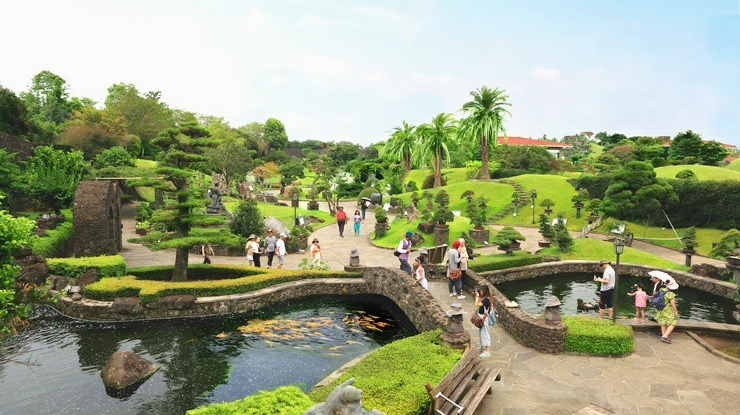
Spirited Garden
About Spirited Garden
Description
Spirited Garden stands as one of Jeju Island's most contemplative and artistically curated attractions, offering visitors an intimate encounter with traditional Korean garden design and the ancient art of bonsai cultivation. Unlike the sprawling botanical gardens you might encounter elsewhere, this destination presents something more personal and meditative—a collection of seven distinct garden spaces that feel less like a tourist attraction and more like stepping into someone's carefully guarded secret. The property showcases an impressive collection of native bonsai specimens, some of which have been shaped and cultivated over decades to achieve their present form. Each miniature tree tells its own story through twisted branches and carefully pruned foliage, representing the patience and artistic vision required in this demanding horticultural practice. And honestly, you don't need to be a gardening enthusiast to appreciate what's been created here. The skill involved in training these living sculptures becomes apparent even to casual observers. What makes this garden particularly intriguing is how it manages to feel both expansive and intimate simultaneously. The seven themed sections flow into one another with thoughtful transitions, creating distinct atmospheres while maintaining overall harmony. You'll find yourself wandering through spaces that feel centuries old, despite the garden's relatively modern construction. The design incorporates traditional Korean aesthetics with natural Jeju Island elements, resulting in an environment that feels authentically rooted in place. The three-story cafe on the premises deserves special mention—it's not just an afterthought tacked onto a tourist attraction. The building itself complements the garden's aesthetic, offering multiple vantage points to observe the landscape from different perspectives and heights. I've heard from travelers who spent nearly as much time in the cafe as they did walking the gardens, and that seems entirely reasonable given the quality of views and the contemplative atmosphere.Key Features
- Seven thematically distinct garden sections, each with unique landscaping and atmospheric qualities that showcase different aspects of Korean garden design philosophy
- Extensive collection of native bonsai specimens, including rare varieties that have been cultivated specifically to reflect Jeju Island's natural heritage and volcanic landscape
- Three-story cafe facility with panoramic viewing areas, allowing visitors to experience the gardens from elevated perspectives while enjoying refreshments
- Complete wheelchair accessibility throughout the property, including entrances, parking areas, restrooms, and seating areas—making it one of the more inclusive attractions on the island
- Designated picnic areas where visitors can bring their own food and spend extended time in the garden environment without pressure to keep moving
- Dog-friendly policies that allow well-behaved pets to accompany their owners through the gardens, though certain restrictions may apply in specific areas
- Public restroom facilities maintained to high standards, which believe me, is something you'll appreciate after visiting some other attractions on Jeju
- Free on-site parking lot, eliminating the stress and expense of finding parking in more crowded tourist areas
- Multiple payment options including credit cards, debit cards, and NFC mobile payments for international visitors who might not carry much cash
- Family-friendly environment suitable for children, with enough variety to maintain interest across different age groups without being overly commercialized or theme-park-like
Best Time to Visit
Timing your visit to Spirited Garden requires thinking about what kind of experience you're after. The garden transforms dramatically with the seasons, and there's genuinely no "wrong" time to go—but there are certainly optimal windows depending on your preferences. Spring, particularly late March through May, brings the garden to life with blooming flowers and fresh growth on the bonsai specimens. The weather during these months sits comfortably in that sweet spot where you can walk outside for hours without sweating through your clothes or shivering in the cold. But here's the thing—everyone knows spring is gorgeous, which means you'll be sharing the pathways with tour groups and families. If crowds bother you, you might want to reconsider. Summer months from June through August offer the most dramatic foliage and the fullest expression of the garden's greenery. However, Jeju's summer heat combined with humidity can make extended outdoor walking less comfortable than you'd hope. The cafe becomes particularly valuable during this season as a climate-controlled refuge. Early morning visits work best in summer, ideally arriving when the garden opens to beat both the heat and the crowds. Autumn presents arguably the most photographically stunning period, typically from late September through November. The changing colors create layers of visual interest that simply don't exist during other seasons. The bonsai specimens take on different character as their foliage shifts, and the overall garden composition becomes more complex and textured. Temperature-wise, autumn rivals spring for comfort, though you'll want to bring layers as mornings can be cool. Winter visits offer the quietest experience with the smallest crowds, though some travelers find the dormant landscape less impressive. I'd argue there's beauty in seeing the garden's structural bones without all the decorative foliage—you really understand the design philosophy when it's stripped down to essentials. The cafe becomes the star of winter visits, offering warm beverages and heated seating areas with contemplative views of the spare landscape. Regardless of season, weekday visits prove significantly less crowded than weekends. If your schedule allows flexibility, Tuesday through Thursday mornings provide the most peaceful experience. The garden opens at different times depending on season, so verify current hours before making your plans.How to Get There
Getting to Spirited Garden requires some planning since public transportation options don't provide direct access to the property. The garden is located on Jeju Island, which means your journey begins with either a flight to Jeju International Airport or a ferry to one of the island's ports. Renting a car represents the most straightforward approach for most travelers. Jeju's road system is relatively easy to navigate, and having your own vehicle gives you flexibility to explore other nearby attractions without coordinating taxi services or tour schedules. From Jeju City, the drive takes approximately 40-50 minutes depending on traffic and your exact starting point. The garden provides free parking, which eliminates one of the usual hassles of driving to tourist attractions. GPS navigation works reliably on Jeju, though I'd recommend downloading offline maps just in case you lose signal in more rural areas. Most rental car companies provide GPS devices with English language options, though using your smartphone with Korean navigation apps like Naver Map or KakaoMap often gives more accurate results than Google Maps in this region. Taxi service from Jeju City costs somewhere in the range of 30,000-40,000 won depending on your pickup location and current traffic conditions. The ride takes roughly the same time as driving yourself. If you're planning to visit multiple attractions in the same area, consider negotiating with a taxi driver for the day—this sometimes works out more economically than individual rides and gives you a local guide of sorts. Tour buses include Spirited Garden on various Jeju Island itineraries, which can be convenient if you prefer not dealing with navigation or language barriers. However, group tours typically allow only 60-90 minutes at the garden, which many visitors find insufficient for properly experiencing the space. You'll likely feel rushed if you want to spend time in the cafe or find quiet spots for contemplation. Some travelers use the local bus system combined with a short taxi ride, though this requires more Korean language ability and patience than most international visitors possess. The nearest bus stops sit several kilometers from the garden entrance, making this option impractical unless you're specifically trying to minimize transportation costs.Tips for Visiting
Allocate more time than you initially think necessary. Most visitors who feel disappointed report that they rushed through trying to stick to tight schedules. Plan for at least two to three hours minimum—this gives you time to walk through all seven garden sections at a contemplative pace, spend time in the cafe, and perhaps find a bench or picnic spot to simply sit and absorb the atmosphere. Wear comfortable walking shoes with good traction. The pathways are generally well-maintained, but some sections include steps, slight inclines, and surfaces that can become slippery when wet. Those fashionable but impractical shoes you brought will leave your feet aching before you've seen half the gardens. Bring weather-appropriate gear even if forecasts look clear. Jeju's weather changes quickly, and the garden offers limited shelter outside the cafe building. A light rain jacket or compact umbrella takes minimal space in your bag but can save an otherwise perfect visit from becoming a soggy disappointment. Photography enthusiasts should arrive with fully charged batteries and empty memory cards—you'll take more photos than anticipated. The gardens present countless composition opportunities, and you'll find yourself trying to capture angles and details you initially walked past. Consider bringing a tripod if you're serious about garden photography, though be mindful of other visitors when setting up shots. The cafe serves as more than just a rest stop. Order something and take your time on the upper floors where windows frame the garden like living paintings. The perspective from elevated positions reveals design elements and relationships between garden sections that aren't apparent from ground level. And honestly, the cafe's offerings are reasonably priced considering you're at a major tourist attraction. If you're bringing children, the garden maintains sufficient variety to keep them interested, but set appropriate expectations. This isn't an interactive playground—it's a contemplative space where running and loud behavior disrupts other visitors' experiences. Families who approach the visit as an opportunity to slow down and observe details together tend to have better experiences than those treating it as just another stop on a packed itinerary. Pack snacks or a light picnic if you want to maximize your time without leaving the property. The designated picnic areas provide pleasant spots to eat your own food, though be meticulous about cleaning up afterward. The garden's maintained beauty depends on visitors respecting the environment. Visit the restroom before starting your garden walk. While facilities exist on the property, they're not distributed throughout the garden sections, and backtracking interrupts the flow of your visit. Don't skip sections because they look similar to areas you've already seen. Each of the seven gardens has distinct characteristics that become apparent when you spend time in them rather than just walking through. The differences can be subtle—a particular arrangement of stones, the way light filters through specific trees, or the sound created by water features—but they create meaningfully different experiences. Consider timing your visit to include both daylight and early evening if the season permits. The garden takes on different qualities as natural light shifts, and you'll experience the space in multiple dimensions if you linger through changing conditions.Key Features
- Seven thematically distinct garden sections, each with unique landscaping and atmospheric qualities that showcase different aspects of Korean garden design philosophy
- Extensive collection of native bonsai specimens, including rare varieties that have been cultivated specifically to reflect Jeju Island's natural heritage and volcanic landscape
- Three-story cafe facility with panoramic viewing areas, allowing visitors to experience the gardens from elevated perspectives while enjoying refreshments
- Complete wheelchair accessibility throughout the property, including entrances, parking areas, restrooms, and seating areas—making it one of the more inclusive attractions on the island
- Designated picnic areas where visitors can bring their own food and spend extended time in the garden environment without pressure to keep moving
- Dog-friendly policies that allow well-behaved pets to accompany their owners through the gardens, though certain restrictions may apply in specific areas
- Public restroom facilities maintained to high standards, which believe me, is something you'll appreciate after visiting some other attractions on Jeju
- Free on-site parking lot, eliminating the stress and expense of finding parking in more crowded tourist areas
More Details
Updated January 17, 2026
Table of Contents
Description
Spirited Garden stands as one of Jeju Island’s most contemplative and artistically curated attractions, offering visitors an intimate encounter with traditional Korean garden design and the ancient art of bonsai cultivation. Unlike the sprawling botanical gardens you might encounter elsewhere, this destination presents something more personal and meditative—a collection of seven distinct garden spaces that feel less like a tourist attraction and more like stepping into someone’s carefully guarded secret.
The property showcases an impressive collection of native bonsai specimens, some of which have been shaped and cultivated over decades to achieve their present form. Each miniature tree tells its own story through twisted branches and carefully pruned foliage, representing the patience and artistic vision required in this demanding horticultural practice. And honestly, you don’t need to be a gardening enthusiast to appreciate what’s been created here. The skill involved in training these living sculptures becomes apparent even to casual observers.
What makes this garden particularly intriguing is how it manages to feel both expansive and intimate simultaneously. The seven themed sections flow into one another with thoughtful transitions, creating distinct atmospheres while maintaining overall harmony. You’ll find yourself wandering through spaces that feel centuries old, despite the garden’s relatively modern construction. The design incorporates traditional Korean aesthetics with natural Jeju Island elements, resulting in an environment that feels authentically rooted in place.
The three-story cafe on the premises deserves special mention—it’s not just an afterthought tacked onto a tourist attraction. The building itself complements the garden’s aesthetic, offering multiple vantage points to observe the landscape from different perspectives and heights. I’ve heard from travelers who spent nearly as much time in the cafe as they did walking the gardens, and that seems entirely reasonable given the quality of views and the contemplative atmosphere.
Key Features
- Seven thematically distinct garden sections, each with unique landscaping and atmospheric qualities that showcase different aspects of Korean garden design philosophy
- Extensive collection of native bonsai specimens, including rare varieties that have been cultivated specifically to reflect Jeju Island’s natural heritage and volcanic landscape
- Three-story cafe facility with panoramic viewing areas, allowing visitors to experience the gardens from elevated perspectives while enjoying refreshments
- Complete wheelchair accessibility throughout the property, including entrances, parking areas, restrooms, and seating areas—making it one of the more inclusive attractions on the island
- Designated picnic areas where visitors can bring their own food and spend extended time in the garden environment without pressure to keep moving
- Dog-friendly policies that allow well-behaved pets to accompany their owners through the gardens, though certain restrictions may apply in specific areas
- Public restroom facilities maintained to high standards, which believe me, is something you’ll appreciate after visiting some other attractions on Jeju
- Free on-site parking lot, eliminating the stress and expense of finding parking in more crowded tourist areas
- Multiple payment options including credit cards, debit cards, and NFC mobile payments for international visitors who might not carry much cash
- Family-friendly environment suitable for children, with enough variety to maintain interest across different age groups without being overly commercialized or theme-park-like
Best Time to Visit
Timing your visit to Spirited Garden requires thinking about what kind of experience you’re after. The garden transforms dramatically with the seasons, and there’s genuinely no “wrong” time to go—but there are certainly optimal windows depending on your preferences.
Spring, particularly late March through May, brings the garden to life with blooming flowers and fresh growth on the bonsai specimens. The weather during these months sits comfortably in that sweet spot where you can walk outside for hours without sweating through your clothes or shivering in the cold. But here’s the thing—everyone knows spring is gorgeous, which means you’ll be sharing the pathways with tour groups and families. If crowds bother you, you might want to reconsider.
Summer months from June through August offer the most dramatic foliage and the fullest expression of the garden’s greenery. However, Jeju’s summer heat combined with humidity can make extended outdoor walking less comfortable than you’d hope. The cafe becomes particularly valuable during this season as a climate-controlled refuge. Early morning visits work best in summer, ideally arriving when the garden opens to beat both the heat and the crowds.
Autumn presents arguably the most photographically stunning period, typically from late September through November. The changing colors create layers of visual interest that simply don’t exist during other seasons. The bonsai specimens take on different character as their foliage shifts, and the overall garden composition becomes more complex and textured. Temperature-wise, autumn rivals spring for comfort, though you’ll want to bring layers as mornings can be cool.
Winter visits offer the quietest experience with the smallest crowds, though some travelers find the dormant landscape less impressive. I’d argue there’s beauty in seeing the garden’s structural bones without all the decorative foliage—you really understand the design philosophy when it’s stripped down to essentials. The cafe becomes the star of winter visits, offering warm beverages and heated seating areas with contemplative views of the spare landscape.
Regardless of season, weekday visits prove significantly less crowded than weekends. If your schedule allows flexibility, Tuesday through Thursday mornings provide the most peaceful experience. The garden opens at different times depending on season, so verify current hours before making your plans.
How to Get There
Getting to Spirited Garden requires some planning since public transportation options don’t provide direct access to the property. The garden is located on Jeju Island, which means your journey begins with either a flight to Jeju International Airport or a ferry to one of the island’s ports.
Renting a car represents the most straightforward approach for most travelers. Jeju’s road system is relatively easy to navigate, and having your own vehicle gives you flexibility to explore other nearby attractions without coordinating taxi services or tour schedules. From Jeju City, the drive takes approximately 40-50 minutes depending on traffic and your exact starting point. The garden provides free parking, which eliminates one of the usual hassles of driving to tourist attractions.
GPS navigation works reliably on Jeju, though I’d recommend downloading offline maps just in case you lose signal in more rural areas. Most rental car companies provide GPS devices with English language options, though using your smartphone with Korean navigation apps like Naver Map or KakaoMap often gives more accurate results than Google Maps in this region.
Taxi service from Jeju City costs somewhere in the range of 30,000-40,000 won depending on your pickup location and current traffic conditions. The ride takes roughly the same time as driving yourself. If you’re planning to visit multiple attractions in the same area, consider negotiating with a taxi driver for the day—this sometimes works out more economically than individual rides and gives you a local guide of sorts.
Tour buses include Spirited Garden on various Jeju Island itineraries, which can be convenient if you prefer not dealing with navigation or language barriers. However, group tours typically allow only 60-90 minutes at the garden, which many visitors find insufficient for properly experiencing the space. You’ll likely feel rushed if you want to spend time in the cafe or find quiet spots for contemplation.
Some travelers use the local bus system combined with a short taxi ride, though this requires more Korean language ability and patience than most international visitors possess. The nearest bus stops sit several kilometers from the garden entrance, making this option impractical unless you’re specifically trying to minimize transportation costs.
Tips for Visiting
Allocate more time than you initially think necessary. Most visitors who feel disappointed report that they rushed through trying to stick to tight schedules. Plan for at least two to three hours minimum—this gives you time to walk through all seven garden sections at a contemplative pace, spend time in the cafe, and perhaps find a bench or picnic spot to simply sit and absorb the atmosphere.
Wear comfortable walking shoes with good traction. The pathways are generally well-maintained, but some sections include steps, slight inclines, and surfaces that can become slippery when wet. Those fashionable but impractical shoes you brought will leave your feet aching before you’ve seen half the gardens.
Bring weather-appropriate gear even if forecasts look clear. Jeju’s weather changes quickly, and the garden offers limited shelter outside the cafe building. A light rain jacket or compact umbrella takes minimal space in your bag but can save an otherwise perfect visit from becoming a soggy disappointment.
Photography enthusiasts should arrive with fully charged batteries and empty memory cards—you’ll take more photos than anticipated. The gardens present countless composition opportunities, and you’ll find yourself trying to capture angles and details you initially walked past. Consider bringing a tripod if you’re serious about garden photography, though be mindful of other visitors when setting up shots.
The cafe serves as more than just a rest stop. Order something and take your time on the upper floors where windows frame the garden like living paintings. The perspective from elevated positions reveals design elements and relationships between garden sections that aren’t apparent from ground level. And honestly, the cafe’s offerings are reasonably priced considering you’re at a major tourist attraction.
If you’re bringing children, the garden maintains sufficient variety to keep them interested, but set appropriate expectations. This isn’t an interactive playground—it’s a contemplative space where running and loud behavior disrupts other visitors’ experiences. Families who approach the visit as an opportunity to slow down and observe details together tend to have better experiences than those treating it as just another stop on a packed itinerary.
Pack snacks or a light picnic if you want to maximize your time without leaving the property. The designated picnic areas provide pleasant spots to eat your own food, though be meticulous about cleaning up afterward. The garden’s maintained beauty depends on visitors respecting the environment.
Visit the restroom before starting your garden walk. While facilities exist on the property, they’re not distributed throughout the garden sections, and backtracking interrupts the flow of your visit.
Don’t skip sections because they look similar to areas you’ve already seen. Each of the seven gardens has distinct characteristics that become apparent when you spend time in them rather than just walking through. The differences can be subtle—a particular arrangement of stones, the way light filters through specific trees, or the sound created by water features—but they create meaningfully different experiences.
Consider timing your visit to include both daylight and early evening if the season permits. The garden takes on different qualities as natural light shifts, and you’ll experience the space in multiple dimensions if you linger through changing conditions.
Key Highlights
- Seven thematically distinct garden sections, each with unique landscaping and atmospheric qualities that showcase different aspects of Korean garden design philosophy
- Extensive collection of native bonsai specimens, including rare varieties that have been cultivated specifically to reflect Jeju Island's natural heritage and volcanic landscape
- Three-story cafe facility with panoramic viewing areas, allowing visitors to experience the gardens from elevated perspectives while enjoying refreshments
- Complete wheelchair accessibility throughout the property, including entrances, parking areas, restrooms, and seating areas—making it one of the more inclusive attractions on the island
- Designated picnic areas where visitors can bring their own food and spend extended time in the garden environment without pressure to keep moving
- Dog-friendly policies that allow well-behaved pets to accompany their owners through the gardens, though certain restrictions may apply in specific areas
- Public restroom facilities maintained to high standards, which believe me, is something you'll appreciate after visiting some other attractions on Jeju
- Free on-site parking lot, eliminating the stress and expense of finding parking in more crowded tourist areas
Location
Places to Stay Near Spirited Garden
Find and Book a Tour
Explore More Travel Guides
No reviews found! Be the first to review!
Traveler Reviews for Spirited Garden
There are no reviews yet. Be the first one to write one.
Have you visited Spirited Garden? Help other travelers by sharing your review.
You Might Also Like
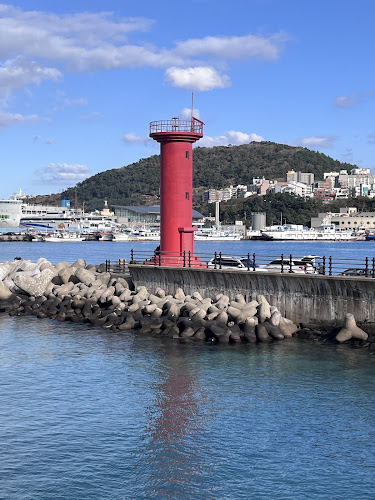
Red lighthouse
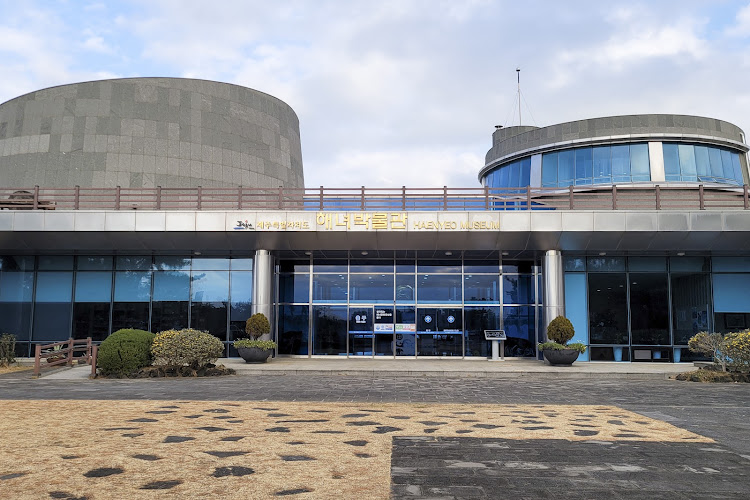
Jeju Haenyeo Museum
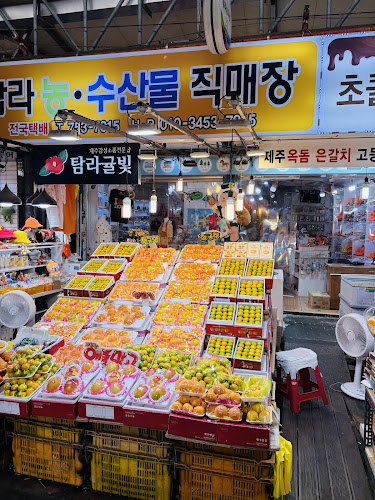
Dongmun Traditional Market
Find Accommodations Nearby
Recommended Tours & Activities
Visitor Reviews
There are no reviews yet. Be the first one to write one.
Share Your Experience
Have you visited Spirited Garden? Help other travelers by leaving a review.