About Dongmun Traditional Market

Description

Dongmun Traditional Market has been feeding Jeju Island locals and curious travelers since 1945, making it one of the oldest and most authentic markets on the island. Walking through its covered corridors feels like stepping into the real Jeju—the one where grandmothers haggle over prices, fishermen unload their morning catches, and the smell of grilled mackerel mingles with fresh tangerines in the air. The market sprawls across a considerable indoor space, which honestly is a blessing when you're visiting Jeju during one of its unpredictable weather days. I remember my first visit there on a drizzly afternoon, and being able to wander through stall after stall without getting soaked made the whole experience so much better. The covered structure keeps things comfortable year-round, and you'll find yourself losing track of time as you meander through the maze-like layout. What sets Dongmun apart from other tourist markets across Asia is its genuine dual identity. Sure, tourists flock here daily, but this isn't some sanitized version of a market created for Instagram photos. Local residents still do their actual grocery shopping here, picking up everything from fresh vegetables to household items. That authenticity is increasingly rare in popular tourist destinations, and it's refreshing to experience a place that hasn't completely transformed itself for visitor consumption. The market divides roughly into sections, though the boundaries are pretty fluid. You've got the seafood area where octopuses writhe in tanks and vendors will prepare your purchase right there if you want. The produce section overflows with Jeju's famous hallabong oranges, green tangerines, and seasonal vegetables you might not recognize. And then there's the prepared food stalls, clothing vendors, and general goods that could range from kitchen utensils to traditional Korean blankets.

Key Features

  • Fresh Seafood Selection – The market's seafood section showcases Jeju's island bounty with live octopus, abalone, sea urchin, and fish species you probably won't find back home. Vendors often offer to prepare your selection as sashimi on the spot.
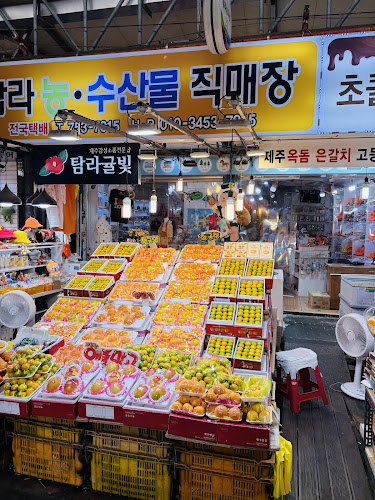
  • Jeju Orange Varieties – Beyond regular tangerines, you'll discover hallabong, cheonhyehyang, and other citrus varieties that Jeju is famous for growing. Many vendors offer samples, and the prices are significantly better than hotel gift shops.
  • Street Food Stalls – Grilled mackerel, tteokbokki, Korean pancakes, and sundae (blood sausage) are just the beginning. The food stalls serve up authentic Korean market fare at prices that won't destroy your travel budget.
  • Traditional Handicrafts – Several stalls specialize in Jeju-specific items like stone grandfather figurines, traditional diving equipment replicas, and locally made textiles.
  • Climate-Controlled Shopping – The indoor structure means comfortable browsing regardless of weather conditions, with good ventilation that manages to keep the space from feeling stuffy despite the crowds.
  • Full Accessibility Features – The market provides wheelchair-accessible entrances, parking, and restroom facilities, making it more inclusive than many traditional Asian markets.
  • Modern Payment Options – While cash is still king at many stalls, the market has modernized enough to accept credit cards, debit cards, and mobile payments at numerous vendors.
  • Adjacent Night Market – In the evenings, the area around Dongmun transforms with additional food stalls and vendors setting up for a different atmosphere.

Best Time to Visit

Early morning—and I mean really early, like 7 or 8 AM—is when Dongmun shows its most authentic face. The vendors are setting up, the seafood is at its freshest, and you'll be shopping alongside locals before the tour buses arrive. Plus, the vendors seem more relaxed and willing to chat when they're not overwhelmed with crowds. That said, getting up at dawn on vacation isn't everyone's cup of tea. If you prefer a more reasonable hour, arriving around 9 or 10 AM offers a good compromise. You'll catch the market in full swing without the absolute peak crowds that descend between 11 AM and 2 PM. Avoid visiting during lunch hours if you can help it. The narrow aisles become shoulder-to-shoulder packed with tourists and locals alike, making it difficult to browse comfortably or take photos without capturing someone's elbow in every shot. Seasonally speaking, autumn (September through November) might be the sweet spot for visiting Dongmun. The weather on Jeju is pleasant, the summer crowds have thinned somewhat, and you'll find excellent seasonal produce. Spring is lovely too, though you're gambling a bit more with rain. Winter visits have their own charm—the market feels cozier when it's cold outside, and the warm street food hits different when you're looking for comfort. But some tropical fruits and produce won't be available. Summer brings peak tourist season, which means longer lines at popular food stalls and more jostling for space, though the selection of fresh produce is at its most diverse. Weekdays are noticeably calmer than weekends. If your travel schedule allows flexibility, planning your market visit for a Tuesday or Wednesday will give you a more relaxed experience. Weekends bring families and day-trippers from across the island, amplifying the chaos factor considerably.

How to Get There

Dongmun Traditional Market sits right in Jeju City, which makes it one of the more accessible attractions on the island. If you're staying anywhere in the downtown Jeju City area, you can probably walk there—it's that centrally located. The Jeju City Bus system serves the market well, with multiple lines stopping nearby. Buses 100, 200, 300, 500, and several others have stops within a few minutes' walk. The bus system on Jeju is surprisingly efficient and affordable, though announcements aren't always in English. Having your destination written in Korean or saved on your phone helps immensely when asking for directions. Taking a taxi is straightforward since every driver knows Dongmun Market. Just say "Dongmun Shijang" and they'll get you there. Taxis on Jeju are reasonably priced compared to Seoul, and the ride from most Jeju City hotels shouldn't cost more than a few thousand won unless you're coming from the outskirts. If you've rented a car—which honestly is the best way to explore Jeju Island—parking can be a bit tricky during peak hours. There's a public parking lot nearby, but it fills up quickly. Your best bet is arriving early or being prepared to circle around looking for street parking. Some visitors park at nearby commercial buildings and walk a few extra minutes, which beats the frustration of hunting for that perfect spot. The market is roughly 15-20 minutes by car from Jeju International Airport, making it a feasible first or last stop depending on your flight times. Coming straight from the airport works particularly well if you're looking to grab some last-minute food souvenirs before flying out.

Tips for Visiting

Bring cash, and bring more than you think you'll need. Yeah, many vendors now accept cards, but the smaller stalls and the best food vendors often remain cash-only operations. There's usually an ATM nearby, but why interrupt your browsing to hunt one down? Bargaining is acceptable here but keep it reasonable and friendly. This isn't a haggling free-for-all, and you're not going to negotiate that tangerine price down by 50%. A small discount on larger purchases or when buying multiple items? Sure, worth asking politely. Being aggressive or insulting about prices? That's a good way to ensure vendors won't give you their best service. Dress practically for market exploring. The floors can get wet, especially near the seafood sections, so skip the fancy shoes. And layers help since the indoor temperature varies depending on where you're standing and how crowded it gets. Try foods you can't identify. Some of my best culinary memories from Dongmun came from pointing at something mysterious and just going for it. The worst that happens is you don't love it, but you'll have a story to tell. And vendors genuinely appreciate when visitors show genuine interest in their offerings beyond the obvious tourist items. Don't be shy about sampling. Many fruit vendors offer tastes before you buy, and it's perfectly normal to try a piece before committing to a whole bag. Just don't abuse the generosity by sampling from every single stall without ever purchasing anything—that's tacky anywhere. Bring reusable bags if you're planning to shop for produce or goods. While vendors will provide plastic bags, having your own tote makes carrying purchases easier and reduces waste. Plus you'll look slightly less like a obvious tourist, which sometimes translates to better prices. Take your time in the seafood section even if you're not planning to cook anything. Watching the vendors work is entertainment itself, and many will explain their products if you show interest. I once spent twenty minutes learning about different abalone varieties from a vendor who clearly loved educating curious visitors. The prepared food section deserves at least one meal during your Jeju trip. Find a busy stall—long lines usually indicate delicious food—and order something hot. Eating while standing at market counters alongside locals offers a glimpse into daily Korean life that hotel restaurants simply can't provide. Visit the restrooms before you think you need them. They're available and accessible, but finding them mid-market-maze while desperate isn't fun. Make a mental note of their location when you first arrive. Photography is generally fine, but always ask before photographing vendors directly or their stalls up close. Most won't mind, but common courtesy goes a long way. And honestly? Some vendors are wonderfully photogenic and happy to pose if you ask nicely. Consider visiting twice during your Jeju stay—once during the day and once in the evening when the night market comes alive. The atmosphere shifts completely after sunset, with different food offerings and a more festive energy. It's almost like experiencing two different markets in the same location.

Key Features

  • Wide variety of fresh local seafood and fish stalls
  • Street food alley with Jeju specialties (hotteok, seafood pancakes, grilled mackerel)
  • Covered corridors protecting shoppers in all weather
  • Local produce corner with Jeju citrus and tangerine goods
  • Traditional crafts and souvenir shops featuring island motifs

More Details

Updated January 17, 2026

Description

Dongmun Traditional Market has been feeding Jeju Island locals and curious travelers since 1945, making it one of the oldest and most authentic markets on the island. Walking through its covered corridors feels like stepping into the real Jeju—the one where grandmothers haggle over prices, fishermen unload their morning catches, and the smell of grilled mackerel mingles with fresh tangerines in the air.

The market sprawls across a considerable indoor space, which honestly is a blessing when you’re visiting Jeju during one of its unpredictable weather days. I remember my first visit there on a drizzly afternoon, and being able to wander through stall after stall without getting soaked made the whole experience so much better. The covered structure keeps things comfortable year-round, and you’ll find yourself losing track of time as you meander through the maze-like layout.

What sets Dongmun apart from other tourist markets across Asia is its genuine dual identity. Sure, tourists flock here daily, but this isn’t some sanitized version of a market created for Instagram photos. Local residents still do their actual grocery shopping here, picking up everything from fresh vegetables to household items. That authenticity is increasingly rare in popular tourist destinations, and it’s refreshing to experience a place that hasn’t completely transformed itself for visitor consumption.

The market divides roughly into sections, though the boundaries are pretty fluid. You’ve got the seafood area where octopuses writhe in tanks and vendors will prepare your purchase right there if you want. The produce section overflows with Jeju’s famous hallabong oranges, green tangerines, and seasonal vegetables you might not recognize. And then there’s the prepared food stalls, clothing vendors, and general goods that could range from kitchen utensils to traditional Korean blankets.

Key Features

  • Fresh Seafood Selection – The market’s seafood section showcases Jeju’s island bounty with live octopus, abalone, sea urchin, and fish species you probably won’t find back home. Vendors often offer to prepare your selection as sashimi on the spot.
  • Jeju Orange Varieties – Beyond regular tangerines, you’ll discover hallabong, cheonhyehyang, and other citrus varieties that Jeju is famous for growing. Many vendors offer samples, and the prices are significantly better than hotel gift shops.
  • Street Food Stalls – Grilled mackerel, tteokbokki, Korean pancakes, and sundae (blood sausage) are just the beginning. The food stalls serve up authentic Korean market fare at prices that won’t destroy your travel budget.
  • Traditional Handicrafts – Several stalls specialize in Jeju-specific items like stone grandfather figurines, traditional diving equipment replicas, and locally made textiles.
  • Climate-Controlled Shopping – The indoor structure means comfortable browsing regardless of weather conditions, with good ventilation that manages to keep the space from feeling stuffy despite the crowds.
  • Full Accessibility Features – The market provides wheelchair-accessible entrances, parking, and restroom facilities, making it more inclusive than many traditional Asian markets.
  • Modern Payment Options – While cash is still king at many stalls, the market has modernized enough to accept credit cards, debit cards, and mobile payments at numerous vendors.
  • Adjacent Night Market – In the evenings, the area around Dongmun transforms with additional food stalls and vendors setting up for a different atmosphere.

Best Time to Visit

Early morning—and I mean really early, like 7 or 8 AM—is when Dongmun shows its most authentic face. The vendors are setting up, the seafood is at its freshest, and you’ll be shopping alongside locals before the tour buses arrive. Plus, the vendors seem more relaxed and willing to chat when they’re not overwhelmed with crowds.

That said, getting up at dawn on vacation isn’t everyone’s cup of tea. If you prefer a more reasonable hour, arriving around 9 or 10 AM offers a good compromise. You’ll catch the market in full swing without the absolute peak crowds that descend between 11 AM and 2 PM.

Avoid visiting during lunch hours if you can help it. The narrow aisles become shoulder-to-shoulder packed with tourists and locals alike, making it difficult to browse comfortably or take photos without capturing someone’s elbow in every shot.

Seasonally speaking, autumn (September through November) might be the sweet spot for visiting Dongmun. The weather on Jeju is pleasant, the summer crowds have thinned somewhat, and you’ll find excellent seasonal produce. Spring is lovely too, though you’re gambling a bit more with rain.

Winter visits have their own charm—the market feels cozier when it’s cold outside, and the warm street food hits different when you’re looking for comfort. But some tropical fruits and produce won’t be available. Summer brings peak tourist season, which means longer lines at popular food stalls and more jostling for space, though the selection of fresh produce is at its most diverse.

Weekdays are noticeably calmer than weekends. If your travel schedule allows flexibility, planning your market visit for a Tuesday or Wednesday will give you a more relaxed experience. Weekends bring families and day-trippers from across the island, amplifying the chaos factor considerably.

How to Get There

Dongmun Traditional Market sits right in Jeju City, which makes it one of the more accessible attractions on the island. If you’re staying anywhere in the downtown Jeju City area, you can probably walk there—it’s that centrally located.

The Jeju City Bus system serves the market well, with multiple lines stopping nearby. Buses 100, 200, 300, 500, and several others have stops within a few minutes’ walk. The bus system on Jeju is surprisingly efficient and affordable, though announcements aren’t always in English. Having your destination written in Korean or saved on your phone helps immensely when asking for directions.

Taking a taxi is straightforward since every driver knows Dongmun Market. Just say “Dongmun Shijang” and they’ll get you there. Taxis on Jeju are reasonably priced compared to Seoul, and the ride from most Jeju City hotels shouldn’t cost more than a few thousand won unless you’re coming from the outskirts.

If you’ve rented a car—which honestly is the best way to explore Jeju Island—parking can be a bit tricky during peak hours. There’s a public parking lot nearby, but it fills up quickly. Your best bet is arriving early or being prepared to circle around looking for street parking. Some visitors park at nearby commercial buildings and walk a few extra minutes, which beats the frustration of hunting for that perfect spot.

The market is roughly 15-20 minutes by car from Jeju International Airport, making it a feasible first or last stop depending on your flight times. Coming straight from the airport works particularly well if you’re looking to grab some last-minute food souvenirs before flying out.

Tips for Visiting

Bring cash, and bring more than you think you’ll need. Yeah, many vendors now accept cards, but the smaller stalls and the best food vendors often remain cash-only operations. There’s usually an ATM nearby, but why interrupt your browsing to hunt one down?

Bargaining is acceptable here but keep it reasonable and friendly. This isn’t a haggling free-for-all, and you’re not going to negotiate that tangerine price down by 50%. A small discount on larger purchases or when buying multiple items? Sure, worth asking politely. Being aggressive or insulting about prices? That’s a good way to ensure vendors won’t give you their best service.

Dress practically for market exploring. The floors can get wet, especially near the seafood sections, so skip the fancy shoes. And layers help since the indoor temperature varies depending on where you’re standing and how crowded it gets.

Try foods you can’t identify. Some of my best culinary memories from Dongmun came from pointing at something mysterious and just going for it. The worst that happens is you don’t love it, but you’ll have a story to tell. And vendors genuinely appreciate when visitors show genuine interest in their offerings beyond the obvious tourist items.

Don’t be shy about sampling. Many fruit vendors offer tastes before you buy, and it’s perfectly normal to try a piece before committing to a whole bag. Just don’t abuse the generosity by sampling from every single stall without ever purchasing anything—that’s tacky anywhere.

Bring reusable bags if you’re planning to shop for produce or goods. While vendors will provide plastic bags, having your own tote makes carrying purchases easier and reduces waste. Plus you’ll look slightly less like a obvious tourist, which sometimes translates to better prices.

Take your time in the seafood section even if you’re not planning to cook anything. Watching the vendors work is entertainment itself, and many will explain their products if you show interest. I once spent twenty minutes learning about different abalone varieties from a vendor who clearly loved educating curious visitors.

The prepared food section deserves at least one meal during your Jeju trip. Find a busy stall—long lines usually indicate delicious food—and order something hot. Eating while standing at market counters alongside locals offers a glimpse into daily Korean life that hotel restaurants simply can’t provide.

Visit the restrooms before you think you need them. They’re available and accessible, but finding them mid-market-maze while desperate isn’t fun. Make a mental note of their location when you first arrive.

Photography is generally fine, but always ask before photographing vendors directly or their stalls up close. Most won’t mind, but common courtesy goes a long way. And honestly? Some vendors are wonderfully photogenic and happy to pose if you ask nicely.

Consider visiting twice during your Jeju stay—once during the day and once in the evening when the night market comes alive. The atmosphere shifts completely after sunset, with different food offerings and a more festive energy. It’s almost like experiencing two different markets in the same location.

Key Highlights

  • Wide variety of fresh local seafood and fish stalls
  • Street food alley with Jeju specialties (hotteok, seafood pancakes, grilled mackerel)
  • Covered corridors protecting shoppers in all weather
  • Local produce corner with Jeju citrus and tangerine goods
  • Traditional crafts and souvenir shops featuring island motifs

Location

Places to Stay Near Dongmun Traditional Market

Find and Book a Tour

Explore More Travel Guides

No reviews found! Be the first to review!

Traveler Reviews for Dongmun Traditional Market

There are no reviews yet. Be the first one to write one.

Share Your Experience

Have you visited Dongmun Traditional Market? Help other travelers by sharing your review.

Nearby Attractions

Jeju Folklore & Natural History Museum Tapdong Promenade and coastal area Jeju NANTA Theatre / downtown cultural venues

Find Accommodations Nearby

Recommended Tours & Activities

Visitor Reviews

There are no reviews yet. Be the first one to write one.

Share Your Experience

Have you visited Dongmun Traditional Market? Help other travelers by leaving a review.