
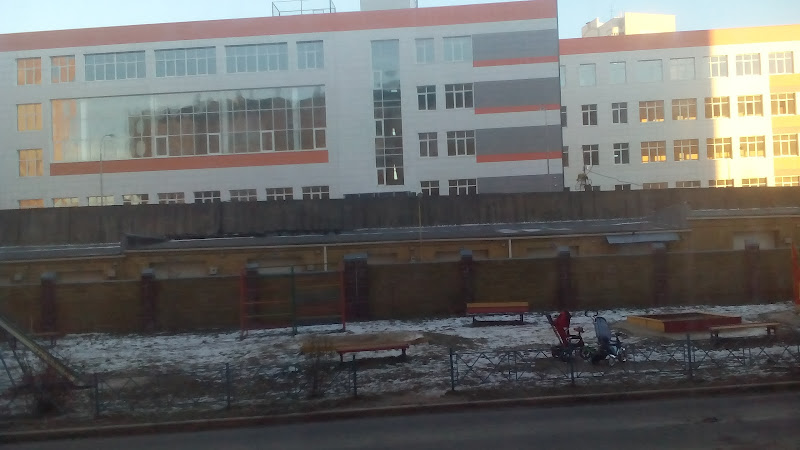
Prospekt Pobedy, 18
About Prospekt Pobedy, 18
Description
Prospekt Pobedy, 18 is one of those architectural statements that quietly demands your attention without shouting for it. Standing as a residential building in a city that's seen more history than most, this structure represents a particular era of Soviet urban planning that's honestly fascinating when you really stop to look at it. I've walked past similar buildings dozens of times in Eastern European cities, and there's always this moment where you realize these aren't just concrete boxes - they're time capsules of an entirely different philosophy about how cities should function and how people should live. The building itself follows the classic Soviet microdistrict planning model, which if you're not familiar with it, was basically this massive experiment in creating self-contained residential neighborhoods. And while that might not sound thrilling at first, stick with me here. What makes this particular address interesting is how it captures that transitional period in architecture where functionality was king, but there was still this underlying current of attempting to create something monumental. The facade tells stories if you know how to read them - the repetitive window patterns, the material choices, the way the building relates to the street. For travelers who venture here, you're not going to find the ornate details of pre-revolutionary architecture or the flashy glass facades of modern developments. But that's precisely the point. This is authentic urban fabric, the kind of place where real life happens and has been happening for decades. The neighborhood around Prospekt Pobedy, 18 offers a genuine glimpse into everyday existence that you simply can't get from tourist-focused areas.Key Features
The characteristics that define Prospekt Pobedy, 18 and make it worth understanding include: • Authentic Soviet-era residential architecture that demonstrates the period's design principles and construction methods • Location along Prospekt Pobedy, which translates to Victory Avenue - a name that carries significant historical weight • Representative example of mass housing that characterized urban development during a specific political and economic era • Ground-level spaces that typically include essential services reflecting the microdistrict concept of self-sufficiency • Proportions and scale that demonstrate how planners envisioned residential density in mid-20th century urban environments • Surrounding streetscape that maintains much of its original character, offering context for understanding the building's role in the neighborhood • Materials and construction techniques visible in the structure that tell the story of available resources and priorities during construction • Window-to-wall ratios designed around specific theories about light, air circulation, and standardization • Integration with public transportation networks that were fundamental to how these residential areas were conceived • Typical Soviet-era planning features including specific distances between buildings, orientation toward sun exposure, and communal green spacesBest Time to Visit
Now here's where things get interesting. Most travel guides would tell you to visit Eastern European cities in summer, and sure, that's when the weather's nicest. But honestly? I'd argue that spring or autumn gives you a better feel for places like this. During April or May, or September through early October, you get this quality of light that's absolutely perfect for understanding architecture. The shadows are longer, the colors are more saturated, and frankly, you're not fighting crowds or extreme temperatures. Winter visits have their own appeal though, I won't lie. There's something about seeing these Soviet-era buildings under grey skies or with snow collecting in their architectural details that just feels right. It's atmospheric in a way that sunny July afternoons simply can't match. The building looks exactly as it was meant to look - serious, permanent, grounded in reality rather than fantasy. Early morning hours, around 7 to 9 AM, offer the most authentic experience regardless of season. That's when you'll see residents actually using the space as it was intended - heading to work, walking to local shops, going about their daily routines. The building becomes a living thing rather than just a structure you're observing. And the light during those hours is genuinely beautiful for photography if that's your thing. Weekdays beat weekends for observation purposes. The rhythm of the neighborhood is different, more purposeful. You get a clearer sense of how the building functions as part of the urban system. Avoid major holidays when possible, not because the area is crowded - it won't be - but because the normal patterns of life are disrupted and you miss seeing how the place actually works on a typical day.How to Get There
Getting to Prospekt Pobedy, 18 isn't complicated, but it does require a bit of that adventurous spirit that separates actual travelers from tourists. Public transportation is absolutely your best bet here, and honestly it's part of the experience. The Soviet approach to urban planning meant that these residential areas were always designed around transit access. Look for bus routes or metro stations that serve Prospekt Pobedy. The avenue itself is usually a major thoroughfare, so public transportation options are generally plentiful. I've found that using local transit apps - and yes, you might need to navigate them in the local language - gives you much better information than Google Maps in these neighborhoods. Walking is entirely feasible if you're staying anywhere in the central districts. I actually prefer it because you can observe how the urban landscape transitions from one zone to another. You'll notice the shift in building types, street widths, and neighborhood character. That journey is part of understanding what makes Prospekt Pobedy, 18 significant. Taxis work fine, but make sure you're using official services or reputable ride-sharing apps. Have the address written down in the local language because not all drivers will speak English, and honestly that's perfectly okay. That small language barrier becomes part of the adventure. If you're driving yourself, parking can be somewhat challenging. These neighborhoods weren't designed with the current number of private vehicles in mind. Street parking exists but fills up quickly, particularly during weekday working hours. For reference purposes, familiarize yourself with the major landmarks along Prospekt Pobedy. The avenue typically runs for considerable distance, so knowing what's nearby - whether that's particular metro stations, parks, or other notable buildings - helps you orient yourself correctly.Tips for Visiting
Here's what I wish someone had told me before my first visits to similar locations. First off, this isn't a museum or official tourist attraction, so adjust your expectations accordingly. You're visiting a functioning residential building in an active neighborhood. Be respectful of that fact. Don't peer into ground-floor windows, don't block entryways, and don't treat residents like they're part of an exhibit. Photography is generally fine from public spaces, but be thoughtful about it. If you're photographing building details or the general streetscape, you're good. But if residents are clearly in your frame going about their personal business, maybe reconsider that shot. I've seen too many travelers treat these neighborhoods like open-air museums without considering that people actually live there. Dress practically rather than obviously touristy. You'll feel more comfortable and you'll attract less attention. These are working neighborhoods where people aren't dressed for Instagram - they're dressed to get through their day. Bring cash if you plan to visit any local shops or cafes in the area. Small neighborhood establishments often don't accept cards, and ATMs might not be immediately visible. Having local currency just makes everything smoother. Learn a few basic phrases in the local language. Even just hello, thank you, and excuse me go surprisingly far in making interactions more pleasant. And look, your pronunciation will probably be terrible - mine certainly is - but people generally appreciate the effort. The surrounding neighborhood deserves exploration beyond just the specific building. Walk around for 15-20 minutes in different directions. You'll find Soviet-era grocery stores that have been continuously operating for decades, small parks designed according to specific planning theories, and bus stops that are actually interesting pieces of design in their own right. Safety is generally not a concern during daylight hours, but use common sense as you would anywhere. These are residential areas, not entertainment districts, so they quiet down considerably after dark. Evening visits are perfectly safe but offer less to observe. Weather preparation matters more than you might think. These areas often have less shelter than tourist-focused districts. If it rains, you're probably getting wet. If it's cold, those wide Soviet boulevards can be wind tunnels. Plan accordingly. Consider timing your visit to include a meal at a local cafeteria-style restaurant if one exists nearby. These cafeterias, often holdovers from the Soviet era or their modern descendants, offer incredibly authentic food experiences at prices that will shock you compared to tourist-area restaurants. Don't expect English signage or English-speaking locals necessarily. That's not a bug, it's a feature. It means you're in a real neighborhood rather than a sanitized tourist zone. And finally, take your time. Don't rush through just to check it off a list. Sit on a bench if there's one available. Watch how people interact with the space. Notice the small modifications residents have made over the years - the different curtains in windows, the plants on balconies, the worn paths that show where people actually walk versus where planners thought they would. Those details tell the real story of the place.Key Features
- Representative Soviet-era residential architecture and massing
- Located on a main thoroughfare (Prospekt Pobedy) with easy access to transport
- Active street-level retail and services that reflect local daily life
- Nearby civic amenities and green spaces within walking distance
- Good vantage point for photography of everyday urban scenes in Kursk
More Details
Updated January 17, 2026
Table of Contents
Description
Prospekt Pobedy, 18 is one of those architectural statements that quietly demands your attention without shouting for it. Standing as a residential building in a city that’s seen more history than most, this structure represents a particular era of Soviet urban planning that’s honestly fascinating when you really stop to look at it. I’ve walked past similar buildings dozens of times in Eastern European cities, and there’s always this moment where you realize these aren’t just concrete boxes – they’re time capsules of an entirely different philosophy about how cities should function and how people should live.
The building itself follows the classic Soviet microdistrict planning model, which if you’re not familiar with it, was basically this massive experiment in creating self-contained residential neighborhoods. And while that might not sound thrilling at first, stick with me here. What makes this particular address interesting is how it captures that transitional period in architecture where functionality was king, but there was still this underlying current of attempting to create something monumental. The facade tells stories if you know how to read them – the repetitive window patterns, the material choices, the way the building relates to the street.
For travelers who venture here, you’re not going to find the ornate details of pre-revolutionary architecture or the flashy glass facades of modern developments. But that’s precisely the point. This is authentic urban fabric, the kind of place where real life happens and has been happening for decades. The neighborhood around Prospekt Pobedy, 18 offers a genuine glimpse into everyday existence that you simply can’t get from tourist-focused areas.
Key Features
The characteristics that define Prospekt Pobedy, 18 and make it worth understanding include:
• Authentic Soviet-era residential architecture that demonstrates the period’s design principles and construction methods
• Location along Prospekt Pobedy, which translates to Victory Avenue – a name that carries significant historical weight
• Representative example of mass housing that characterized urban development during a specific political and economic era
• Ground-level spaces that typically include essential services reflecting the microdistrict concept of self-sufficiency
• Proportions and scale that demonstrate how planners envisioned residential density in mid-20th century urban environments
• Surrounding streetscape that maintains much of its original character, offering context for understanding the building’s role in the neighborhood
• Materials and construction techniques visible in the structure that tell the story of available resources and priorities during construction
• Window-to-wall ratios designed around specific theories about light, air circulation, and standardization
• Integration with public transportation networks that were fundamental to how these residential areas were conceived
• Typical Soviet-era planning features including specific distances between buildings, orientation toward sun exposure, and communal green spaces
Best Time to Visit
Now here’s where things get interesting. Most travel guides would tell you to visit Eastern European cities in summer, and sure, that’s when the weather’s nicest. But honestly? I’d argue that spring or autumn gives you a better feel for places like this. During April or May, or September through early October, you get this quality of light that’s absolutely perfect for understanding architecture. The shadows are longer, the colors are more saturated, and frankly, you’re not fighting crowds or extreme temperatures.
Winter visits have their own appeal though, I won’t lie. There’s something about seeing these Soviet-era buildings under grey skies or with snow collecting in their architectural details that just feels right. It’s atmospheric in a way that sunny July afternoons simply can’t match. The building looks exactly as it was meant to look – serious, permanent, grounded in reality rather than fantasy.
Early morning hours, around 7 to 9 AM, offer the most authentic experience regardless of season. That’s when you’ll see residents actually using the space as it was intended – heading to work, walking to local shops, going about their daily routines. The building becomes a living thing rather than just a structure you’re observing. And the light during those hours is genuinely beautiful for photography if that’s your thing.
Weekdays beat weekends for observation purposes. The rhythm of the neighborhood is different, more purposeful. You get a clearer sense of how the building functions as part of the urban system.
Avoid major holidays when possible, not because the area is crowded – it won’t be – but because the normal patterns of life are disrupted and you miss seeing how the place actually works on a typical day.
How to Get There
Getting to Prospekt Pobedy, 18 isn’t complicated, but it does require a bit of that adventurous spirit that separates actual travelers from tourists. Public transportation is absolutely your best bet here, and honestly it’s part of the experience. The Soviet approach to urban planning meant that these residential areas were always designed around transit access.
Look for bus routes or metro stations that serve Prospekt Pobedy. The avenue itself is usually a major thoroughfare, so public transportation options are generally plentiful. I’ve found that using local transit apps – and yes, you might need to navigate them in the local language – gives you much better information than Google Maps in these neighborhoods.
Walking is entirely feasible if you’re staying anywhere in the central districts. I actually prefer it because you can observe how the urban landscape transitions from one zone to another. You’ll notice the shift in building types, street widths, and neighborhood character. That journey is part of understanding what makes Prospekt Pobedy, 18 significant.
Taxis work fine, but make sure you’re using official services or reputable ride-sharing apps. Have the address written down in the local language because not all drivers will speak English, and honestly that’s perfectly okay. That small language barrier becomes part of the adventure.
If you’re driving yourself, parking can be somewhat challenging. These neighborhoods weren’t designed with the current number of private vehicles in mind. Street parking exists but fills up quickly, particularly during weekday working hours.
For reference purposes, familiarize yourself with the major landmarks along Prospekt Pobedy. The avenue typically runs for considerable distance, so knowing what’s nearby – whether that’s particular metro stations, parks, or other notable buildings – helps you orient yourself correctly.
Tips for Visiting
Here’s what I wish someone had told me before my first visits to similar locations. First off, this isn’t a museum or official tourist attraction, so adjust your expectations accordingly. You’re visiting a functioning residential building in an active neighborhood. Be respectful of that fact. Don’t peer into ground-floor windows, don’t block entryways, and don’t treat residents like they’re part of an exhibit.
Photography is generally fine from public spaces, but be thoughtful about it. If you’re photographing building details or the general streetscape, you’re good. But if residents are clearly in your frame going about their personal business, maybe reconsider that shot. I’ve seen too many travelers treat these neighborhoods like open-air museums without considering that people actually live there.
Dress practically rather than obviously touristy. You’ll feel more comfortable and you’ll attract less attention. These are working neighborhoods where people aren’t dressed for Instagram – they’re dressed to get through their day.
Bring cash if you plan to visit any local shops or cafes in the area. Small neighborhood establishments often don’t accept cards, and ATMs might not be immediately visible. Having local currency just makes everything smoother.
Learn a few basic phrases in the local language. Even just hello, thank you, and excuse me go surprisingly far in making interactions more pleasant. And look, your pronunciation will probably be terrible – mine certainly is – but people generally appreciate the effort.
The surrounding neighborhood deserves exploration beyond just the specific building. Walk around for 15-20 minutes in different directions. You’ll find Soviet-era grocery stores that have been continuously operating for decades, small parks designed according to specific planning theories, and bus stops that are actually interesting pieces of design in their own right.
Safety is generally not a concern during daylight hours, but use common sense as you would anywhere. These are residential areas, not entertainment districts, so they quiet down considerably after dark. Evening visits are perfectly safe but offer less to observe.
Weather preparation matters more than you might think. These areas often have less shelter than tourist-focused districts. If it rains, you’re probably getting wet. If it’s cold, those wide Soviet boulevards can be wind tunnels. Plan accordingly.
Consider timing your visit to include a meal at a local cafeteria-style restaurant if one exists nearby. These cafeterias, often holdovers from the Soviet era or their modern descendants, offer incredibly authentic food experiences at prices that will shock you compared to tourist-area restaurants.
Don’t expect English signage or English-speaking locals necessarily. That’s not a bug, it’s a feature. It means you’re in a real neighborhood rather than a sanitized tourist zone.
And finally, take your time. Don’t rush through just to check it off a list. Sit on a bench if there’s one available. Watch how people interact with the space. Notice the small modifications residents have made over the years – the different curtains in windows, the plants on balconies, the worn paths that show where people actually walk versus where planners thought they would. Those details tell the real story of the place.
Key Highlights
- Representative Soviet-era residential architecture and massing
- Located on a main thoroughfare (Prospekt Pobedy) with easy access to transport
- Active street-level retail and services that reflect local daily life
- Nearby civic amenities and green spaces within walking distance
- Good vantage point for photography of everyday urban scenes in Kursk
Location
Places to Stay Near Prospekt Pobedy, 18
Find and Book a Tour
Explore More Travel Guides
No reviews found! Be the first to review!
Traveler Reviews for Prospekt Pobedy, 18
There are no reviews yet. Be the first one to write one.
Have you visited Prospekt Pobedy, 18? Help other travelers by sharing your review.
Nearby Attractions
You Might Also Like
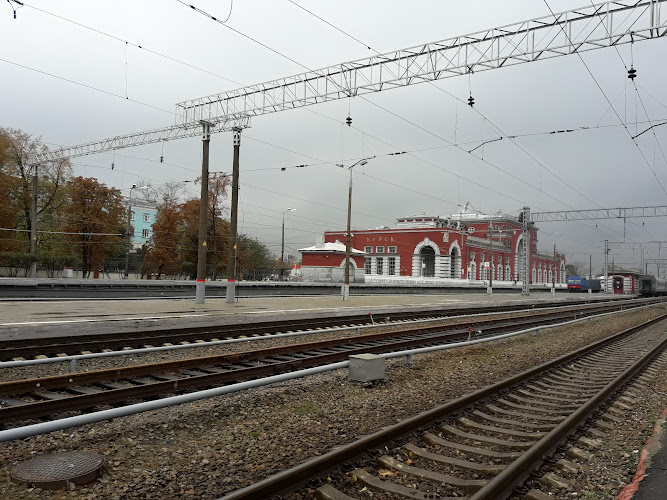
Kursk
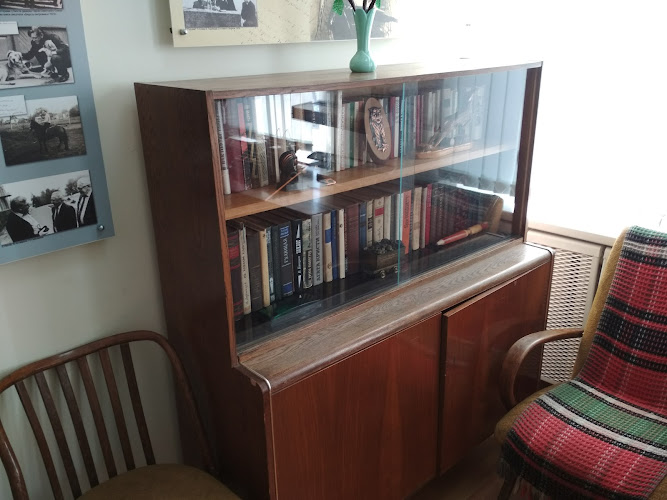
Kurskiy Oblastnoy Literaturnyy Muzey
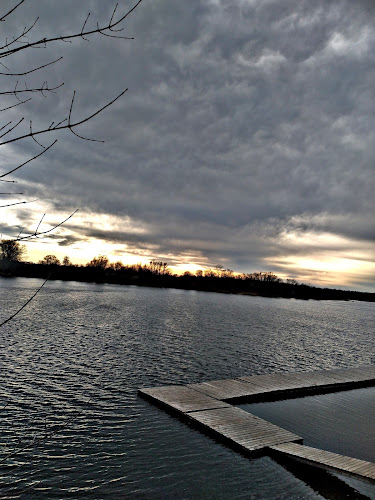
Wooden Bridge on the river
Find Accommodations Nearby
Recommended Tours & Activities
Visitor Reviews
There are no reviews yet. Be the first one to write one.
Share Your Experience
Have you visited Prospekt Pobedy, 18? Help other travelers by leaving a review.