
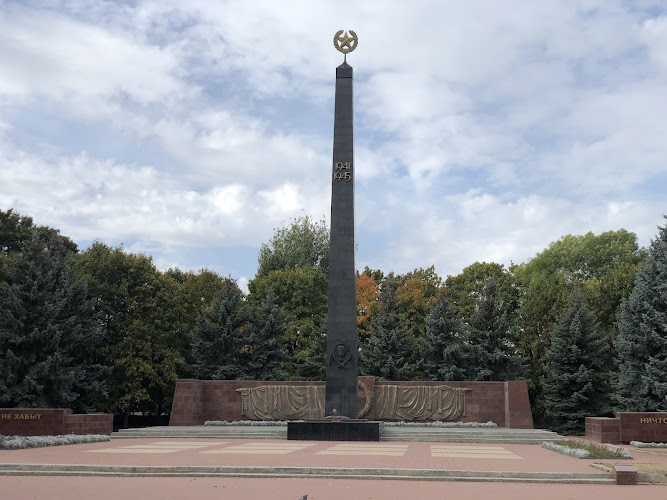
Victory Memorial
About Victory Memorial
Description
The Victory Memorial stands as a poignant reminder of sacrifice and service, drawing visitors from around the world who seek to pay their respects and connect with history in a meaningful way. This memorial park serves multiple purposes - it's both a solemn place of remembrance and a peaceful green space where families can reflect on the past while enjoying the present moment. Walking through the grounds, you'll notice how the designers managed to create something that feels both grand and intimate at the same time. The memorial doesn't shout at you with overwhelming monuments or flashy displays. Instead, it invites contemplation through thoughtfully placed markers and quiet pathways that wind through well-maintained grounds. What strikes most visitors right away is the sense of tranquility that pervades the entire area. Even on busier days when tourists and locals alike come to pay their respects, there's an unspoken agreement to maintain the reverent atmosphere. I've found that memorial parks have this unique ability to bring out the best in people - strangers nod to each other in acknowledgment, parents speak in hushed tones as they explain historical significance to their children, and everyone seems just a bit more thoughtful than usual. The memorial serves as an important educational resource too. It's one thing to read about historical events in textbooks or watch documentaries, but standing in a place dedicated to those who served creates an entirely different kind of understanding. The physical space helps bridge the gap between abstract historical facts and the very real human experiences they represent. Families will appreciate that this isn't just a somber place that might feel too heavy for younger visitors. The park-like setting means children can learn about history while also enjoying some outdoor time. And honestly, teaching kids about sacrifice and service in an age-appropriate setting like this beats a classroom lecture any day of the week.Key Features
The Victory Memorial offers several distinctive elements that make it worth adding to your travel itinerary: • Wheelchair accessible entrances ensure that visitors of all mobility levels can explore the memorial comfortably and pay their respects without barriers • Dog-friendly policies allow you to bring your furry companions along, though visitors should maintain appropriate decorum and keep pets leashed out of respect for the memorial's purpose • Family-appropriate design makes this an excellent destination for travelers with children who want to introduce younger generations to important historical lessons in an accessible way • Well-maintained grounds provide peaceful walking paths perfect for quiet reflection or contemplative strolls through the memorial park • Grave sites and markers that tell individual stories, allowing visitors to connect with history on a personal level rather than just viewing it as distant events • Ample space for photography enthusiasts to capture meaningful images while remaining respectful of the memorial's sacred nature • Seasonal changes in landscaping create different atmospheric experiences throughout the year, making repeat visits worthwhile • Benches and seating areas strategically placed for visitors who need rest or simply want to sit and absorb the peaceful surroundings • Educational opportunities through plaques and monuments that provide historical context without overwhelming visitors with too much information at once • Free admission makes this an accessible attraction for budget-conscious travelers who still want meaningful cultural experiencesBest Time to Visit
Timing your visit to the Victory Memorial can significantly impact your experience, and there's really no single "perfect" time that works for everyone - it depends what you're looking for. Early morning visits, particularly on weekdays, offer the most serene experience. You'll often have large portions of the memorial to yourself, which creates an especially powerful atmosphere for personal reflection. The morning light hits the monuments differently too, and if you're into photography, those golden hour shots right after sunrise can be absolutely stunning. But you've gotta be willing to set that alarm clock pretty early. Spring and fall tend to be ideal seasons for most travelers. The weather's usually cooperative - not too hot, not too cold - and the changing foliage adds natural beauty to the already meaningful landscape. Spring brings fresh blooms that symbolize renewal and hope, which feels particularly appropriate in a memorial setting. Fall's changing leaves create this contemplative backdrop that somehow makes the historical weight of the place feel even more present. Summer brings more crowds, especially during holiday weekends when special commemorative events often take place. Memorial Day and Independence Day typically see increased visitor numbers, which can be a positive or negative depending on your perspective. These occasions often feature ceremonies that add depth to the experience, but they also mean less solitude. If you're someone who prefers connecting with history in a more personal, quiet way, summer weekends might not be your best bet. Winter visits have their own unique appeal. The bare trees and often gray skies create a somber atmosphere that feels fitting for a memorial. You'll encounter fewer tourists, and there's something powerful about paying respects in less-than-comfortable weather conditions - it adds a small element of sacrifice to your visit that feels appropriate. Just dress warmly and check weather conditions beforehand. Weekday afternoons generally offer a sweet spot between having some fellow visitors present (which can actually enhance the communal aspect of remembrance) without feeling crowded. You get the benefit of shared experience without the overwhelming crowds that can sometimes detract from the memorial's purpose.How to Get There
Getting to the Victory Memorial requires a bit of planning, but it's generally accessible through various transportation methods depending on where you're coming from. Most visitors arrive by personal vehicle, as this offers the most flexibility in terms of timing and allows you to explore at your own pace without worrying about transportation schedules. Parking is typically available on-site or nearby, though spaces can fill up during peak times and special events. Arriving early helps ensure you'll find convenient parking close to the memorial entrance. Public transportation options exist for travelers who prefer not to drive or don't have access to a car. Local bus routes often service the area, though you'll want to check current schedules and routes before your visit since these can change seasonally. The walk from the nearest bus stop to the memorial entrance usually isn't too far, but comfortable walking shoes are definitely recommended. Rideshare services like Uber and Lyft work well for getting to and from the memorial, especially if you're staying in nearby accommodations. Just be aware that requesting a pickup might take a few extra minutes depending on how busy the area is, so build that into your visit timeline. For travelers who enjoy combining sightseeing with exercise, biking to the memorial can be a rewarding option. Many memorial parks have bike racks available, and the journey itself gives you time to mentally prepare for the reflective experience ahead. Plus, there's something fitting about making a bit of an effort to reach a place dedicated to those who sacrificed so much more. Guided tours sometimes include the Victory Memorial as part of larger historical or cultural itineraries. These can provide valuable context and information you might miss exploring independently, though they do mean adhering to a group schedule rather than setting your own pace.Tips for Visiting
Making the most of your Victory Memorial visit involves more than just showing up - a little preparation goes a long way toward creating a meaningful experience. Dress respectfully and comfortably. This might seem obvious, but you'd be surprised how many visitors show up in beach attire or overly casual clothing that feels out of place in a memorial setting. You don't need to wear all black or funeral attire, but modest, respectful clothing shows consideration for the memorial's purpose. And since you'll likely be doing some walking, comfortable shoes are absolutely essential. Bring water and sun protection, especially during warmer months. There's often limited shade in memorial parks, and dehydration or sunburn can cut your visit short. A small backpack with essentials works well, though keep it modest and unobtrusive. Allow more time than you think you'll need. Rushing through a memorial defeats the entire purpose. Plan for at least an hour, though two or three hours lets you really absorb the experience without feeling pressured to hurry. Some visitors find themselves staying much longer than anticipated once they start reading individual markers and connecting with specific stories. Photography is generally permitted, but exercise good judgment and respect. Avoid selfie-stick antics or poses that might seem disrespectful. The memorial provides incredible opportunities for meaningful photographs, but remember you're in a place of remembrance, not an Instagram backdrop. I've seen visitors get this balance right by focusing on architectural details and landscape shots rather than making themselves the center of attention. If you're bringing children, prepare them beforehand about what to expect and how to behave. Age-appropriate conversations about why the memorial exists help kids understand the significance and behave accordingly. The memorial is definitely good for kids, but that doesn't mean letting them run wild or treat it like a playground. Dogs are welcome, which is wonderful for pet owners, but keep them leashed and under control. Bring waste bags and clean up after your pet. Not all visitors are comfortable around dogs, so maintaining close supervision shows respect for fellow visitors. Consider visiting during a commemorative ceremony if one's scheduled during your trip. These events add powerful context and community connection to the experience. Check ahead for any special programs or observances that might coincide with your visit. Take advantage of the wheelchair accessible entrance if you or someone in your group needs it. The memorial's designed to be inclusive, so don't hesitate to use accessibility features - that's exactly what they're there for. Bring a journal or notepad if you're someone who processes experiences through writing. Many visitors find that jotting down thoughts or reflections enhances their memorial experience and gives them something meaningful to take home beyond just photographs. Finally, silence your phone or at least keep it on vibrate. Nothing disrupts the contemplative atmosphere quite like a loud ringtone. If you need to take a call, step away from the main memorial areas out of courtesy to other visitors.Key Features
- Key Features
- Best Time to Visit
- How to Get There
- Tips for Visiting
More Details
Updated January 17, 2026
Table of Contents
Description
The Victory Memorial stands as a poignant reminder of sacrifice and service, drawing visitors from around the world who seek to pay their respects and connect with history in a meaningful way. This memorial park serves multiple purposes – it’s both a solemn place of remembrance and a peaceful green space where families can reflect on the past while enjoying the present moment.
Walking through the grounds, you’ll notice how the designers managed to create something that feels both grand and intimate at the same time. The memorial doesn’t shout at you with overwhelming monuments or flashy displays. Instead, it invites contemplation through thoughtfully placed markers and quiet pathways that wind through well-maintained grounds.
What strikes most visitors right away is the sense of tranquility that pervades the entire area. Even on busier days when tourists and locals alike come to pay their respects, there’s an unspoken agreement to maintain the reverent atmosphere. I’ve found that memorial parks have this unique ability to bring out the best in people – strangers nod to each other in acknowledgment, parents speak in hushed tones as they explain historical significance to their children, and everyone seems just a bit more thoughtful than usual.
The memorial serves as an important educational resource too. It’s one thing to read about historical events in textbooks or watch documentaries, but standing in a place dedicated to those who served creates an entirely different kind of understanding. The physical space helps bridge the gap between abstract historical facts and the very real human experiences they represent.
Families will appreciate that this isn’t just a somber place that might feel too heavy for younger visitors. The park-like setting means children can learn about history while also enjoying some outdoor time. And honestly, teaching kids about sacrifice and service in an age-appropriate setting like this beats a classroom lecture any day of the week.
Key Features
The Victory Memorial offers several distinctive elements that make it worth adding to your travel itinerary:
• Wheelchair accessible entrances ensure that visitors of all mobility levels can explore the memorial comfortably and pay their respects without barriers
• Dog-friendly policies allow you to bring your furry companions along, though visitors should maintain appropriate decorum and keep pets leashed out of respect for the memorial’s purpose
• Family-appropriate design makes this an excellent destination for travelers with children who want to introduce younger generations to important historical lessons in an accessible way
• Well-maintained grounds provide peaceful walking paths perfect for quiet reflection or contemplative strolls through the memorial park
• Grave sites and markers that tell individual stories, allowing visitors to connect with history on a personal level rather than just viewing it as distant events
• Ample space for photography enthusiasts to capture meaningful images while remaining respectful of the memorial’s sacred nature
• Seasonal changes in landscaping create different atmospheric experiences throughout the year, making repeat visits worthwhile
• Benches and seating areas strategically placed for visitors who need rest or simply want to sit and absorb the peaceful surroundings
• Educational opportunities through plaques and monuments that provide historical context without overwhelming visitors with too much information at once
• Free admission makes this an accessible attraction for budget-conscious travelers who still want meaningful cultural experiences
Best Time to Visit
Timing your visit to the Victory Memorial can significantly impact your experience, and there’s really no single “perfect” time that works for everyone – it depends what you’re looking for.
Early morning visits, particularly on weekdays, offer the most serene experience. You’ll often have large portions of the memorial to yourself, which creates an especially powerful atmosphere for personal reflection. The morning light hits the monuments differently too, and if you’re into photography, those golden hour shots right after sunrise can be absolutely stunning. But you’ve gotta be willing to set that alarm clock pretty early.
Spring and fall tend to be ideal seasons for most travelers. The weather’s usually cooperative – not too hot, not too cold – and the changing foliage adds natural beauty to the already meaningful landscape. Spring brings fresh blooms that symbolize renewal and hope, which feels particularly appropriate in a memorial setting. Fall’s changing leaves create this contemplative backdrop that somehow makes the historical weight of the place feel even more present.
Summer brings more crowds, especially during holiday weekends when special commemorative events often take place. Memorial Day and Independence Day typically see increased visitor numbers, which can be a positive or negative depending on your perspective. These occasions often feature ceremonies that add depth to the experience, but they also mean less solitude. If you’re someone who prefers connecting with history in a more personal, quiet way, summer weekends might not be your best bet.
Winter visits have their own unique appeal. The bare trees and often gray skies create a somber atmosphere that feels fitting for a memorial. You’ll encounter fewer tourists, and there’s something powerful about paying respects in less-than-comfortable weather conditions – it adds a small element of sacrifice to your visit that feels appropriate. Just dress warmly and check weather conditions beforehand.
Weekday afternoons generally offer a sweet spot between having some fellow visitors present (which can actually enhance the communal aspect of remembrance) without feeling crowded. You get the benefit of shared experience without the overwhelming crowds that can sometimes detract from the memorial’s purpose.
How to Get There
Getting to the Victory Memorial requires a bit of planning, but it’s generally accessible through various transportation methods depending on where you’re coming from.
Most visitors arrive by personal vehicle, as this offers the most flexibility in terms of timing and allows you to explore at your own pace without worrying about transportation schedules. Parking is typically available on-site or nearby, though spaces can fill up during peak times and special events. Arriving early helps ensure you’ll find convenient parking close to the memorial entrance.
Public transportation options exist for travelers who prefer not to drive or don’t have access to a car. Local bus routes often service the area, though you’ll want to check current schedules and routes before your visit since these can change seasonally. The walk from the nearest bus stop to the memorial entrance usually isn’t too far, but comfortable walking shoes are definitely recommended.
Rideshare services like Uber and Lyft work well for getting to and from the memorial, especially if you’re staying in nearby accommodations. Just be aware that requesting a pickup might take a few extra minutes depending on how busy the area is, so build that into your visit timeline.
For travelers who enjoy combining sightseeing with exercise, biking to the memorial can be a rewarding option. Many memorial parks have bike racks available, and the journey itself gives you time to mentally prepare for the reflective experience ahead. Plus, there’s something fitting about making a bit of an effort to reach a place dedicated to those who sacrificed so much more.
Guided tours sometimes include the Victory Memorial as part of larger historical or cultural itineraries. These can provide valuable context and information you might miss exploring independently, though they do mean adhering to a group schedule rather than setting your own pace.
Tips for Visiting
Making the most of your Victory Memorial visit involves more than just showing up – a little preparation goes a long way toward creating a meaningful experience.
Dress respectfully and comfortably. This might seem obvious, but you’d be surprised how many visitors show up in beach attire or overly casual clothing that feels out of place in a memorial setting. You don’t need to wear all black or funeral attire, but modest, respectful clothing shows consideration for the memorial’s purpose. And since you’ll likely be doing some walking, comfortable shoes are absolutely essential.
Bring water and sun protection, especially during warmer months. There’s often limited shade in memorial parks, and dehydration or sunburn can cut your visit short. A small backpack with essentials works well, though keep it modest and unobtrusive.
Allow more time than you think you’ll need. Rushing through a memorial defeats the entire purpose. Plan for at least an hour, though two or three hours lets you really absorb the experience without feeling pressured to hurry. Some visitors find themselves staying much longer than anticipated once they start reading individual markers and connecting with specific stories.
Photography is generally permitted, but exercise good judgment and respect. Avoid selfie-stick antics or poses that might seem disrespectful. The memorial provides incredible opportunities for meaningful photographs, but remember you’re in a place of remembrance, not an Instagram backdrop. I’ve seen visitors get this balance right by focusing on architectural details and landscape shots rather than making themselves the center of attention.
If you’re bringing children, prepare them beforehand about what to expect and how to behave. Age-appropriate conversations about why the memorial exists help kids understand the significance and behave accordingly. The memorial is definitely good for kids, but that doesn’t mean letting them run wild or treat it like a playground.
Dogs are welcome, which is wonderful for pet owners, but keep them leashed and under control. Bring waste bags and clean up after your pet. Not all visitors are comfortable around dogs, so maintaining close supervision shows respect for fellow visitors.
Consider visiting during a commemorative ceremony if one’s scheduled during your trip. These events add powerful context and community connection to the experience. Check ahead for any special programs or observances that might coincide with your visit.
Take advantage of the wheelchair accessible entrance if you or someone in your group needs it. The memorial’s designed to be inclusive, so don’t hesitate to use accessibility features – that’s exactly what they’re there for.
Bring a journal or notepad if you’re someone who processes experiences through writing. Many visitors find that jotting down thoughts or reflections enhances their memorial experience and gives them something meaningful to take home beyond just photographs.
Finally, silence your phone or at least keep it on vibrate. Nothing disrupts the contemplative atmosphere quite like a loud ringtone. If you need to take a call, step away from the main memorial areas out of courtesy to other visitors.
Key Highlights
- Key Features
- Best Time to Visit
- How to Get There
- Tips for Visiting
Location
Places to Stay Near Victory Memorial
Find and Book a Tour
Explore More Travel Guides
No reviews found! Be the first to review!
Traveler Reviews for Victory Memorial
There are no reviews yet. Be the first one to write one.
Have you visited Victory Memorial? Help other travelers by sharing your review.
You Might Also Like

Prospekt Pobedy, 18
Памятный знак, посвященный социальному служению

Wooden Bridge on the river
Find Accommodations Nearby
Recommended Tours & Activities
Visitor Reviews
There are no reviews yet. Be the first one to write one.
Share Your Experience
Have you visited Victory Memorial? Help other travelers by leaving a review.