
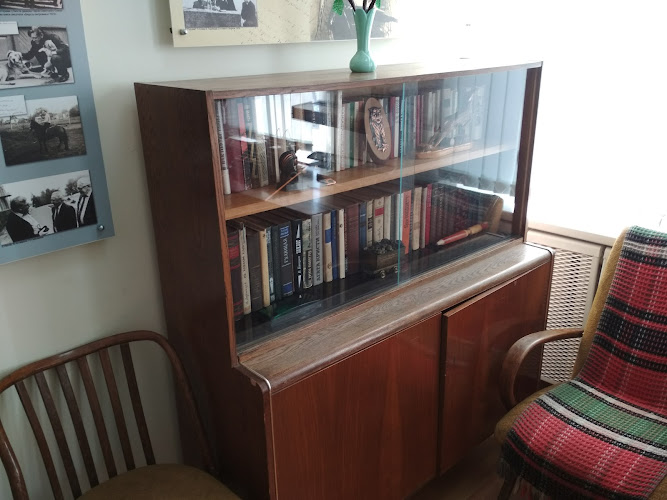
Kurskiy Oblastnoy Literaturnyy Muzey
About Kurskiy Oblastnoy Literaturnyy Muzey
Description
The Kurskiy Oblastnoy Literaturnyy Muzey stands as a cultural treasure in Russia's Kursk Oblast, dedicated to preserving and celebrating the region's rich literary heritage. This museum offers travelers a unique opportunity to step into the world of Russian literature and discover the profound connection between the written word and this particular corner of the country. When I first learned about regional literary museums, I realized how much local culture gets overlooked when we only focus on the big-name attractions in capital cities. The museum showcases the works and lives of writers who either hailed from the Kursk region or drew inspiration from its landscapes and people. Walking through its halls, visitors encounter manuscripts, personal belongings, photographs, and documents that tell stories beyond what any guidebook could capture. It's the kind of place where literature comes alive, not just as words on pages but as a living, breathing part of regional identity. What makes this museum particularly special for international travelers is its ability to contextualize Russian literary traditions within a specific geographic and cultural framework. You're not just learning about famous authors—you're understanding how the soil, the seasons, and the local character shaped their creative output. And honestly, that's something you don't get from reading Sparknotes versions of classic novels back home. The building itself houses carefully curated exhibitions that change periodically, ensuring that repeat visitors always find something fresh to explore. Local historians and literature enthusiasts maintain the collection with genuine passion, and you can feel that dedication in how thoughtfully everything is presented.Key Features
The Kurskiy Oblastnoy Literaturnyy Muzey offers several distinctive features that make it worth including in your travel itinerary: • Comprehensive collection of literary artifacts from Kursk-born writers and poets, including rare first editions and handwritten manuscripts that provide insight into the creative process • Restroom facilities available on-site, which might seem like a small detail but trust me, after a day of sightseeing in unfamiliar territory, these amenities matter more than you'd think • Family-friendly environment that welcomes children and provides educational value for younger visitors interested in stories and books • Regular excursion programs that offer guided tours through the permanent and temporary exhibitions, helping visitors understand context they might otherwise miss • Personal effects and memorabilia belonging to regional literary figures, creating an intimate connection between visitors and the writers they're learning about • Rotating exhibitions that highlight different periods, genres, and authors, ensuring the museum stays dynamic and relevant • Affordable entry fees that make cultural exploration accessible to budget-conscious travelers • Knowledgeable staff members who, while they may not all speak fluent English, genuinely care about sharing their region's literary legacy • Photographic archives documenting the evolution of literary life in the Kursk region across different historical periods • Special displays focusing on how historical events influenced regional writers and their worksBest Time to Visit
Planning your visit to the Kurskiy Oblastnoy Literaturnyy Muzey requires considering both practical and experiential factors. The museum operates year-round, but certain times offer distinct advantages depending on what you're looking for in your travel experience. Spring months, particularly April and May, bring a certain energy to the region. The weather becomes pleasant enough for comfortable exploration, and the museum often launches new exhibitions during this period. But more importantly, you can combine your museum visit with enjoying Kursk's parks and outdoor spaces afterward, which helps balance indoor cultural activities with fresh air. Summer attracts the most visitors, including Russian families on vacation. While this means a livelier atmosphere, it also means potentially dealing with crowds, especially during July. If you don't mind sharing the space with more people and enjoy the social energy that brings, summer works perfectly fine. Autumn, specifically September and early October, might be the sweet spot for many travelers. The tourist crowds thin out, the weather remains manageable, and there's something poetic about exploring a literary museum when leaves are changing colors outside. I've always felt that literature and autumn just go together naturally—maybe it's the contemplative mood both inspire. Winter visits have their own charm, particularly around Russian holidays when special programming might be available. However, be prepared for harsh weather conditions that characterize this region during December through February. The museum becomes a warm refuge from the cold, which creates a cozy atmosphere for immersing yourself in literary history. Weekday mornings typically offer the quietest visiting experience, allowing you to engage more deeply with exhibitions without feeling rushed or crowded out. The museum's excursion programs often run on scheduled times, so checking ahead ensures you don't miss guided tours that could significantly enhance your understanding.How to Get There
Reaching the Kurskiy Oblastnoy Literaturnyy Muzey requires some planning, especially for international travelers unfamiliar with Russian transportation systems. But getting there is part of the adventure, right? The city of Kursk itself connects well to major Russian transportation hubs. If you're starting from Moscow, trains run regularly from Moscow's Kursk Railway Station—which yes, shares the city's name—making the journey relatively straightforward. The train ride takes approximately 5-7 hours depending on which service you choose, and honestly, Russian trains offer a cultural experience themselves with their distinctive character and fellow passengers often eager to chat despite language barriers. From St. Petersburg, expect a longer journey requiring either a direct train or connections through Moscow. Some travelers prefer overnight trains, which save accommodation costs and maximize daytime hours for exploration. Kursk also has an airport serving domestic flights, though international travelers typically need to connect through Moscow or other major cities. Once you've arrived in Kursk, local transportation becomes more manageable than many visitors initially expect. The museum's location within Kursk city makes it accessible by local buses, marshrutkas (shared minivans), or taxis. If you're staying in the city center, you might even find it walkable depending on your exact lodging location and your comfort level with urban navigation in Russia. Local taxis are generally affordable, and ride-sharing apps function in the area, though having your destination written in Cyrillic characters helps tremendously. For travelers who prefer organized approaches, many hotels can arrange transportation or provide detailed directions. Don't hesitate to ask your accommodation staff for assistance—Russian hospitality often shines through when visitors show genuine interest in local culture.Tips for Visiting
Making the most of your visit to the Kurskiy Oblastnoy Literaturnyy Muzey involves some practical preparation and cultural awareness. These tips come from understanding both the specific venue and the broader context of traveling in regional Russia. Language represents the most significant challenge for non-Russian speakers. While some staff members may speak basic English, don't count on extensive English-language support. Download a translation app that works offline, or better yet, learn a few basic Russian phrases. Even clumsy attempts at speaking Russian often earn you goodwill and extra help from locals. Bringing a small notebook where staff can write things down helps too. The museum is suitable for children, which makes it a genuine option for families traveling together. However, keeping kids engaged requires preparation. Brief them beforehand about what they'll see, maybe read some Russian fairy tales together, or frame the visit as a detective mission to find specific items. The museum isn't wildly interactive like modern children's museums, so managing expectations helps everyone enjoy the experience. Photography policies vary in museums worldwide, so ask before snapping pictures. Some areas might restrict photography to protect sensitive materials, while others welcome it. Respecting these rules preserves these cultural treasures for future visitors. Allocate at least two hours for your visit if you want to engage meaningfully with the exhibitions rather than rushing through. Three hours works better if you're a literature enthusiast or joining a guided tour. Museum fatigue is real, so pace yourself and don't feel obligated to read every single placard, especially if they're only in Russian. Dress codes aren't strict, but Russians generally dress more formally for cultural outings than Americans or Western Europeans might. You won't be turned away for casual clothing, but you'll blend in better and feel more comfortable avoiding overly casual beach-style attire. The restroom facilities available on-site are worth noting because not all Russian museums offer this convenience. Still, they may differ from what Western travelers expect regarding supplies, so carrying small packets of tissues never hurts. Consider visiting during special events or temporary exhibitions that might coincide with your travel dates. These special programs often provide deeper dives into specific authors or literary movements. Check ahead if possible, though spontaneous visits work fine too. Currency exchange should happen before you arrive at the museum. While entry fees are modest, the museum likely only accepts rubles. ATMs exist throughout Kursk, but having cash ready streamlines your visit. If you're genuinely interested in Russian literature, doing a bit of homework beforehand enhances your appreciation significantly. You don't need to read War and Peace cover-to-cover, but familiarizing yourself with major Russian literary movements and regional writers helps contextualize what you're seeing. Finally, approach your visit with openness and patience. Regional Russian museums operate differently than major institutions in Berlin, Paris, or New York. They're less polished in some ways but often more authentic and personal. The staff aren't just employees—they're custodians of cultural memory who care deeply about their mission. Showing genuine interest and respect for what they've preserved goes a long way toward making your visit memorable for everyone involved.Key Features
- Historic late 19th-century house setting on Ulitsa Sadovaya
- Exhibits on 100+ Kursk-region poets and writers (manuscripts, first editions)
- Archival photographs and personal belongings of regional authors
- Rotating thematic exhibitions and occasional readings/lectures
- Branch of the Kursk Regional Museum of Local Lore with curated timelines
More Details
Updated January 18, 2026
Table of Contents
- Description
- Key Features
- Best Time to Visit
- How to Get There
- Tips for Visiting
- Key Highlights
- Location
- Places to Stay Near Kurskiy Oblastnoy Literaturnyy Muzey
- Find and Book a Tour
- Explore More Travel Guides
- Nearby Places You Might Like
- Traveler Reviews for Kurskiy Oblastnoy Literaturnyy Muzey
- Share Your Experience
Description
The Kurskiy Oblastnoy Literaturnyy Muzey stands as a cultural treasure in Russia’s Kursk Oblast, dedicated to preserving and celebrating the region’s rich literary heritage. This museum offers travelers a unique opportunity to step into the world of Russian literature and discover the profound connection between the written word and this particular corner of the country. When I first learned about regional literary museums, I realized how much local culture gets overlooked when we only focus on the big-name attractions in capital cities.
The museum showcases the works and lives of writers who either hailed from the Kursk region or drew inspiration from its landscapes and people. Walking through its halls, visitors encounter manuscripts, personal belongings, photographs, and documents that tell stories beyond what any guidebook could capture. It’s the kind of place where literature comes alive, not just as words on pages but as a living, breathing part of regional identity.
What makes this museum particularly special for international travelers is its ability to contextualize Russian literary traditions within a specific geographic and cultural framework. You’re not just learning about famous authors—you’re understanding how the soil, the seasons, and the local character shaped their creative output. And honestly, that’s something you don’t get from reading Sparknotes versions of classic novels back home.
The building itself houses carefully curated exhibitions that change periodically, ensuring that repeat visitors always find something fresh to explore. Local historians and literature enthusiasts maintain the collection with genuine passion, and you can feel that dedication in how thoughtfully everything is presented.
Key Features
The Kurskiy Oblastnoy Literaturnyy Muzey offers several distinctive features that make it worth including in your travel itinerary:
• Comprehensive collection of literary artifacts from Kursk-born writers and poets, including rare first editions and handwritten manuscripts that provide insight into the creative process
• Restroom facilities available on-site, which might seem like a small detail but trust me, after a day of sightseeing in unfamiliar territory, these amenities matter more than you’d think
• Family-friendly environment that welcomes children and provides educational value for younger visitors interested in stories and books
• Regular excursion programs that offer guided tours through the permanent and temporary exhibitions, helping visitors understand context they might otherwise miss
• Personal effects and memorabilia belonging to regional literary figures, creating an intimate connection between visitors and the writers they’re learning about
• Rotating exhibitions that highlight different periods, genres, and authors, ensuring the museum stays dynamic and relevant
• Affordable entry fees that make cultural exploration accessible to budget-conscious travelers
• Knowledgeable staff members who, while they may not all speak fluent English, genuinely care about sharing their region’s literary legacy
• Photographic archives documenting the evolution of literary life in the Kursk region across different historical periods
• Special displays focusing on how historical events influenced regional writers and their works
Best Time to Visit
Planning your visit to the Kurskiy Oblastnoy Literaturnyy Muzey requires considering both practical and experiential factors. The museum operates year-round, but certain times offer distinct advantages depending on what you’re looking for in your travel experience.
Spring months, particularly April and May, bring a certain energy to the region. The weather becomes pleasant enough for comfortable exploration, and the museum often launches new exhibitions during this period. But more importantly, you can combine your museum visit with enjoying Kursk’s parks and outdoor spaces afterward, which helps balance indoor cultural activities with fresh air.
Summer attracts the most visitors, including Russian families on vacation. While this means a livelier atmosphere, it also means potentially dealing with crowds, especially during July. If you don’t mind sharing the space with more people and enjoy the social energy that brings, summer works perfectly fine.
Autumn, specifically September and early October, might be the sweet spot for many travelers. The tourist crowds thin out, the weather remains manageable, and there’s something poetic about exploring a literary museum when leaves are changing colors outside. I’ve always felt that literature and autumn just go together naturally—maybe it’s the contemplative mood both inspire.
Winter visits have their own charm, particularly around Russian holidays when special programming might be available. However, be prepared for harsh weather conditions that characterize this region during December through February. The museum becomes a warm refuge from the cold, which creates a cozy atmosphere for immersing yourself in literary history.
Weekday mornings typically offer the quietest visiting experience, allowing you to engage more deeply with exhibitions without feeling rushed or crowded out. The museum’s excursion programs often run on scheduled times, so checking ahead ensures you don’t miss guided tours that could significantly enhance your understanding.
How to Get There
Reaching the Kurskiy Oblastnoy Literaturnyy Muzey requires some planning, especially for international travelers unfamiliar with Russian transportation systems. But getting there is part of the adventure, right?
The city of Kursk itself connects well to major Russian transportation hubs. If you’re starting from Moscow, trains run regularly from Moscow’s Kursk Railway Station—which yes, shares the city’s name—making the journey relatively straightforward. The train ride takes approximately 5-7 hours depending on which service you choose, and honestly, Russian trains offer a cultural experience themselves with their distinctive character and fellow passengers often eager to chat despite language barriers.
From St. Petersburg, expect a longer journey requiring either a direct train or connections through Moscow. Some travelers prefer overnight trains, which save accommodation costs and maximize daytime hours for exploration.
Kursk also has an airport serving domestic flights, though international travelers typically need to connect through Moscow or other major cities. Once you’ve arrived in Kursk, local transportation becomes more manageable than many visitors initially expect.
The museum’s location within Kursk city makes it accessible by local buses, marshrutkas (shared minivans), or taxis. If you’re staying in the city center, you might even find it walkable depending on your exact lodging location and your comfort level with urban navigation in Russia. Local taxis are generally affordable, and ride-sharing apps function in the area, though having your destination written in Cyrillic characters helps tremendously.
For travelers who prefer organized approaches, many hotels can arrange transportation or provide detailed directions. Don’t hesitate to ask your accommodation staff for assistance—Russian hospitality often shines through when visitors show genuine interest in local culture.
Tips for Visiting
Making the most of your visit to the Kurskiy Oblastnoy Literaturnyy Muzey involves some practical preparation and cultural awareness. These tips come from understanding both the specific venue and the broader context of traveling in regional Russia.
Language represents the most significant challenge for non-Russian speakers. While some staff members may speak basic English, don’t count on extensive English-language support. Download a translation app that works offline, or better yet, learn a few basic Russian phrases. Even clumsy attempts at speaking Russian often earn you goodwill and extra help from locals. Bringing a small notebook where staff can write things down helps too.
The museum is suitable for children, which makes it a genuine option for families traveling together. However, keeping kids engaged requires preparation. Brief them beforehand about what they’ll see, maybe read some Russian fairy tales together, or frame the visit as a detective mission to find specific items. The museum isn’t wildly interactive like modern children’s museums, so managing expectations helps everyone enjoy the experience.
Photography policies vary in museums worldwide, so ask before snapping pictures. Some areas might restrict photography to protect sensitive materials, while others welcome it. Respecting these rules preserves these cultural treasures for future visitors.
Allocate at least two hours for your visit if you want to engage meaningfully with the exhibitions rather than rushing through. Three hours works better if you’re a literature enthusiast or joining a guided tour. Museum fatigue is real, so pace yourself and don’t feel obligated to read every single placard, especially if they’re only in Russian.
Dress codes aren’t strict, but Russians generally dress more formally for cultural outings than Americans or Western Europeans might. You won’t be turned away for casual clothing, but you’ll blend in better and feel more comfortable avoiding overly casual beach-style attire.
The restroom facilities available on-site are worth noting because not all Russian museums offer this convenience. Still, they may differ from what Western travelers expect regarding supplies, so carrying small packets of tissues never hurts.
Consider visiting during special events or temporary exhibitions that might coincide with your travel dates. These special programs often provide deeper dives into specific authors or literary movements. Check ahead if possible, though spontaneous visits work fine too.
Currency exchange should happen before you arrive at the museum. While entry fees are modest, the museum likely only accepts rubles. ATMs exist throughout Kursk, but having cash ready streamlines your visit.
If you’re genuinely interested in Russian literature, doing a bit of homework beforehand enhances your appreciation significantly. You don’t need to read War and Peace cover-to-cover, but familiarizing yourself with major Russian literary movements and regional writers helps contextualize what you’re seeing.
Finally, approach your visit with openness and patience. Regional Russian museums operate differently than major institutions in Berlin, Paris, or New York. They’re less polished in some ways but often more authentic and personal. The staff aren’t just employees—they’re custodians of cultural memory who care deeply about their mission. Showing genuine interest and respect for what they’ve preserved goes a long way toward making your visit memorable for everyone involved.
Key Highlights
- Historic late 19th-century house setting on Ulitsa Sadovaya
- Exhibits on 100+ Kursk-region poets and writers (manuscripts, first editions)
- Archival photographs and personal belongings of regional authors
- Rotating thematic exhibitions and occasional readings/lectures
- Branch of the Kursk Regional Museum of Local Lore with curated timelines
Location
Places to Stay Near Kurskiy Oblastnoy Literaturnyy Muzey
Find and Book a Tour
Explore More Travel Guides
No reviews found! Be the first to review!
Traveler Reviews for Kurskiy Oblastnoy Literaturnyy Muzey
There are no reviews yet. Be the first one to write one.
Have you visited Kurskiy Oblastnoy Literaturnyy Muzey? Help other travelers by sharing your review.
Nearby Attractions
You Might Also Like
Ulitsa Soyuznaya, 26
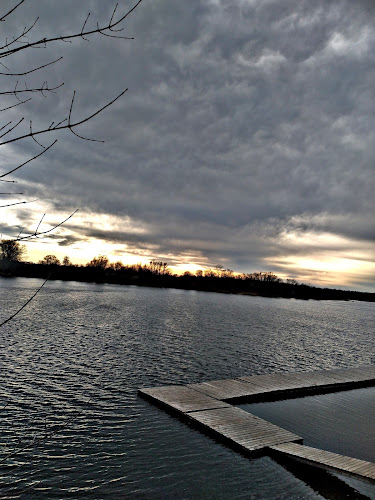
Wooden Bridge on the river
Prospekt Pobedy, 18
Find Accommodations Nearby
Recommended Tours & Activities
Visitor Reviews
There are no reviews yet. Be the first one to write one.
Share Your Experience
Have you visited Kurskiy Oblastnoy Literaturnyy Muzey? Help other travelers by leaving a review.