
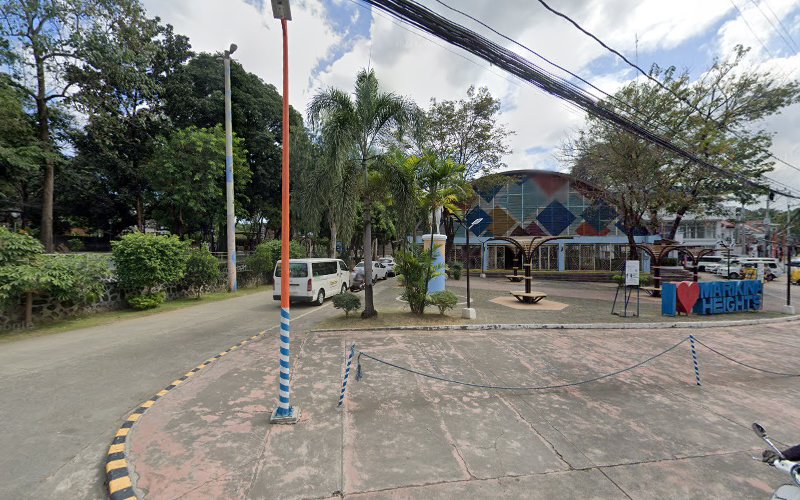
Torchman Statue
About Torchman Statue
Description
The Torchman Statue stands as one of those curious monuments that manages to capture something essential about human ambition and perseverance. I've always found myself drawn to public art that makes you stop and actually think rather than just snap a quick photo and move on. This particular statue does exactly that. When you first encounter the Torchman Statue, there's an immediate sense of power radiating from the bronze figure. The sculptor really understood how to convey movement and determination through metal, which honestly isn't easy. You can almost feel the weight of that torch in the figure's upraised hand, can almost sense the strain in those frozen muscles. And that's what makes this more than just another tourist attraction to check off your list. What strikes most visitors is the sheer symbolic weight this statue carries. It's not just about a person holding a torch - it represents enlightenment, guidance, and the human spirit pushing forward even when things get tough. The artist captured this universal message in a way that speaks to people from all walks of life and all corners of the world. You don't need an art history degree to appreciate what's being communicated here. The statue has become a gathering point for locals and travelers alike. On any given afternoon, you'll find families bringing their children to see it, couples taking photographs at its base, and solo travelers sitting nearby sketching or simply contemplating. There's something refreshing about a place that works equally well for kids and adults. The children seem to respond to the dramatic pose and impressive size, while adults tend to connect with the deeper meaning. I remember the first time I saw a photo of the Torchman Statue in a travel magazine years back. It looked almost defiant in that image, like it was challenging viewers to rise to their own potential. Seeing it in person confirmed that first impression and then some. The craftsmanship becomes evident when you're standing right there, noticing the details in the facial expression, the texture of the clothing, the precise angle of every finger gripping that torch.Key Features
The Torchman Statue offers several distinctive elements that make it worth including in your travel itinerary: • The bronze casting showcases exceptional metalwork that has aged beautifully over time, developing a patina that adds character and depth to the overall appearance • Multiple viewing angles provide completely different perspectives and photo opportunities, making it a spot you'll want to circle rather than just approach from one direction • The base includes inscriptions that add historical context and philosophical depth to the visual impact of the statue itself • Family-friendly accessibility means parents can bring kids of all ages without worrying about complicated logistics or age restrictions • The surrounding area has been thoughtfully designed to complement rather than compete with the statue, creating a harmonious space for reflection • Natural lighting changes throughout the day dramatically alter the statue's appearance, with early morning and late afternoon offering particularly striking shadows and highlights • Benches and seating areas nearby make it easy to spend extended time here without feeling rushed • The statue's positioning allows for both close-up appreciation of fine details and distant viewing that captures its commanding presence • Interpretive elements help visitors understand the symbolism without being heavy-handed or overly academic in approach • Regular maintenance keeps the statue looking its best, showing respect for both the artwork and the visitors who come to experience itBest Time to Visit
Timing really does matter when you're planning to see the Torchman Statue, though honestly I've never heard anyone say they regretted their visit regardless of when they showed up. That said, certain times definitely enhance the experience. Early morning visits bring a special quality to the statue that you simply can't replicate at other hours. The light hits differently then - softer, more golden, creating shadows that emphasize the sculptural details. Plus, you'll likely have the space mostly to yourself, which allows for that contemplative experience without crowds pushing through your photos or breaking your concentration. I'm usually not a morning person, but for spots like this? Worth setting that alarm clock an hour earlier. Late afternoon running into early evening presents another prime window. The sun's angle during these hours creates dramatic backlighting that can make the torch itself seem almost luminous. And if you're visiting during warmer months, the temperature becomes more comfortable for spending extended periods outside. You'll notice locals often choose this time to bring their families, which adds a nice community atmosphere to the experience. Weekdays generally see fewer visitors than weekends, naturally. If you're someone who prefers a quieter, more personal experience with public art, try to schedule your visit for a Tuesday or Wednesday. Weekends bring more energy and activity, which some people actually prefer - it feels more alive, more social. Weather considerations matter too, obviously. Clear days showcase the statue against blue skies that photograph beautifully. But don't automatically dismiss overcast conditions. Some of my favorite statue photographs have been taken under cloudy skies that create even, diffused lighting without harsh shadows. Rain's a different story - you'll want to avoid that if possible, both for comfort and because wet conditions can make surfaces slippery. Seasonal variations offer their own advantages. Spring and fall typically provide moderate temperatures that make standing outside comfortable for longer periods. Summer can get hot, so bring water and plan for a shorter visit during midday hours. Winter visits have their own appeal, especially if you're lucky enough to catch snow - the contrast of white flakes against dark bronze creates striking imagery.How to Get There
Getting to the Torchman Statue proves surprisingly straightforward for most travelers, which honestly is a relief since some tourist attractions seem deliberately difficult to reach. Public transportation serves the area well if you're staying in nearby accommodations. Most visitors find that local bus routes pass within reasonable walking distance, typically just a few blocks away. The exercise actually works out nicely - it gives you a chance to see the surrounding neighborhood before arriving at your destination. And unlike some places where you need to decipher complicated transit schedules, the routes serving this area run frequently enough that timing isn't critical. For those renting cars or using rideshare services, the location proves equally accessible. Parking exists in the vicinity, though availability varies by time of day and season. Weekend mornings tend to offer more open spots than weekend afternoons, which makes sense given general traffic patterns. The walk from parking areas to the statue itself typically takes just a few minutes. Walking to the statue from nearby hotels or other attractions works perfectly well for travelers who enjoy exploring on foot. The surrounding area is generally pedestrian-friendly, with sidewalks and crosswalks making navigation safe and intuitive. I always prefer walking when possible during travel - you notice things that you'd completely miss from inside a vehicle. Little shops, interesting architecture, local characters that give a place its personality. Bicycle access has improved significantly in recent years as more cities embrace cycling infrastructure. If you're comfortable riding in urban environments, biking to the statue can be an efficient and enjoyable option. Just make sure you know where bike parking or bike-sharing stations are located nearby. For international visitors or those unfamiliar with the area, using mapping applications on smartphones makes navigation essentially foolproof. The statue appears clearly on most digital maps, and real-time directions account for current traffic or construction conditions. It's almost impossible to get seriously lost these days, though getting slightly turned around can lead to discovering unexpected gems.Tips for Visiting
Making the most of your Torchman Statue visit really comes down to preparation and flexibility. Here's what actually helps based on real experience rather than just theoretical advice. Bring a decent camera or make sure your phone is charged. I know that sounds obvious, but you'd be surprised how many people arrive at photogenic locations with dead batteries. The statue photographs well from multiple angles, and you'll want options when you're reviewing images later. Don't just take the standard straight-on shot either - move around, experiment with perspectives, get creative. Allow more time than you think you'll need. Quick visits work if you're genuinely pressed for time, but most people find themselves wanting to linger longer than expected once they're actually there. Twenty minutes feels rushed, forty-five minutes to an hour lets you really absorb the experience without constantly checking your watch. Consider the story you'll want to tell about your visit. This helps frame your experience beyond just "I saw a statue." What drew you there? What did you feel standing beneath it? What details caught your attention that you didn't expect? These reflections make travel more meaningful and give you better stories to share. Dress appropriately for weather and walking. Comfortable shoes matter more than fashionable ones, trust me on this. If it's sunny, bring sunscreen and maybe a hat since you'll likely be outside without much shade. If there's any chance of rain, a compact umbrella is worth carrying. Respect the space and other visitors. This seems like common sense, but crowded tourist spots bring out inconsiderate behavior in some people. Don't monopolize prime photo spots, keep your voice at reasonable levels, and be aware of others trying to enjoy their own experience. If you're traveling with kids, prepare them beforehand about what they'll see and why it matters. Children appreciate public art more when they understand the story behind it rather than just being dragged from place to place. Frame it as an adventure rather than an obligation. Check if there are any special events or circumstances that might affect your visit. Sometimes statues like this become focal points for ceremonies, festivals, or gatherings that could either enhance your experience or make it more complicated depending on what you're looking for. And here's something that doesn't get mentioned enough - take time to simply sit and watch how other people interact with the statue. You learn interesting things about both the artwork and human nature by observing these interactions. Some people are reverent, others playful, some emotional. It's fascinating.Key Features
- Stylized human figure holding an upright torch symbolizing perseverance
- Prominent placement in a civic plaza within Marikina Heights
- Accessible for close-up photos and short visits
- Part of a cluster of local public artworks and memorials
- Near pedestrian-friendly streets, shops, and local cafés
More Details
Updated January 18, 2026
Table of Contents
Description
The Torchman Statue stands as one of those curious monuments that manages to capture something essential about human ambition and perseverance. I’ve always found myself drawn to public art that makes you stop and actually think rather than just snap a quick photo and move on. This particular statue does exactly that.
When you first encounter the Torchman Statue, there’s an immediate sense of power radiating from the bronze figure. The sculptor really understood how to convey movement and determination through metal, which honestly isn’t easy. You can almost feel the weight of that torch in the figure’s upraised hand, can almost sense the strain in those frozen muscles. And that’s what makes this more than just another tourist attraction to check off your list.
What strikes most visitors is the sheer symbolic weight this statue carries. It’s not just about a person holding a torch – it represents enlightenment, guidance, and the human spirit pushing forward even when things get tough. The artist captured this universal message in a way that speaks to people from all walks of life and all corners of the world. You don’t need an art history degree to appreciate what’s being communicated here.
The statue has become a gathering point for locals and travelers alike. On any given afternoon, you’ll find families bringing their children to see it, couples taking photographs at its base, and solo travelers sitting nearby sketching or simply contemplating. There’s something refreshing about a place that works equally well for kids and adults. The children seem to respond to the dramatic pose and impressive size, while adults tend to connect with the deeper meaning.
I remember the first time I saw a photo of the Torchman Statue in a travel magazine years back. It looked almost defiant in that image, like it was challenging viewers to rise to their own potential. Seeing it in person confirmed that first impression and then some. The craftsmanship becomes evident when you’re standing right there, noticing the details in the facial expression, the texture of the clothing, the precise angle of every finger gripping that torch.
Key Features
The Torchman Statue offers several distinctive elements that make it worth including in your travel itinerary:
• The bronze casting showcases exceptional metalwork that has aged beautifully over time, developing a patina that adds character and depth to the overall appearance
• Multiple viewing angles provide completely different perspectives and photo opportunities, making it a spot you’ll want to circle rather than just approach from one direction
• The base includes inscriptions that add historical context and philosophical depth to the visual impact of the statue itself
• Family-friendly accessibility means parents can bring kids of all ages without worrying about complicated logistics or age restrictions
• The surrounding area has been thoughtfully designed to complement rather than compete with the statue, creating a harmonious space for reflection
• Natural lighting changes throughout the day dramatically alter the statue’s appearance, with early morning and late afternoon offering particularly striking shadows and highlights
• Benches and seating areas nearby make it easy to spend extended time here without feeling rushed
• The statue’s positioning allows for both close-up appreciation of fine details and distant viewing that captures its commanding presence
• Interpretive elements help visitors understand the symbolism without being heavy-handed or overly academic in approach
• Regular maintenance keeps the statue looking its best, showing respect for both the artwork and the visitors who come to experience it
Best Time to Visit
Timing really does matter when you’re planning to see the Torchman Statue, though honestly I’ve never heard anyone say they regretted their visit regardless of when they showed up. That said, certain times definitely enhance the experience.
Early morning visits bring a special quality to the statue that you simply can’t replicate at other hours. The light hits differently then – softer, more golden, creating shadows that emphasize the sculptural details. Plus, you’ll likely have the space mostly to yourself, which allows for that contemplative experience without crowds pushing through your photos or breaking your concentration. I’m usually not a morning person, but for spots like this? Worth setting that alarm clock an hour earlier.
Late afternoon running into early evening presents another prime window. The sun’s angle during these hours creates dramatic backlighting that can make the torch itself seem almost luminous. And if you’re visiting during warmer months, the temperature becomes more comfortable for spending extended periods outside. You’ll notice locals often choose this time to bring their families, which adds a nice community atmosphere to the experience.
Weekdays generally see fewer visitors than weekends, naturally. If you’re someone who prefers a quieter, more personal experience with public art, try to schedule your visit for a Tuesday or Wednesday. Weekends bring more energy and activity, which some people actually prefer – it feels more alive, more social.
Weather considerations matter too, obviously. Clear days showcase the statue against blue skies that photograph beautifully. But don’t automatically dismiss overcast conditions. Some of my favorite statue photographs have been taken under cloudy skies that create even, diffused lighting without harsh shadows. Rain’s a different story – you’ll want to avoid that if possible, both for comfort and because wet conditions can make surfaces slippery.
Seasonal variations offer their own advantages. Spring and fall typically provide moderate temperatures that make standing outside comfortable for longer periods. Summer can get hot, so bring water and plan for a shorter visit during midday hours. Winter visits have their own appeal, especially if you’re lucky enough to catch snow – the contrast of white flakes against dark bronze creates striking imagery.
How to Get There
Getting to the Torchman Statue proves surprisingly straightforward for most travelers, which honestly is a relief since some tourist attractions seem deliberately difficult to reach.
Public transportation serves the area well if you’re staying in nearby accommodations. Most visitors find that local bus routes pass within reasonable walking distance, typically just a few blocks away. The exercise actually works out nicely – it gives you a chance to see the surrounding neighborhood before arriving at your destination. And unlike some places where you need to decipher complicated transit schedules, the routes serving this area run frequently enough that timing isn’t critical.
For those renting cars or using rideshare services, the location proves equally accessible. Parking exists in the vicinity, though availability varies by time of day and season. Weekend mornings tend to offer more open spots than weekend afternoons, which makes sense given general traffic patterns. The walk from parking areas to the statue itself typically takes just a few minutes.
Walking to the statue from nearby hotels or other attractions works perfectly well for travelers who enjoy exploring on foot. The surrounding area is generally pedestrian-friendly, with sidewalks and crosswalks making navigation safe and intuitive. I always prefer walking when possible during travel – you notice things that you’d completely miss from inside a vehicle. Little shops, interesting architecture, local characters that give a place its personality.
Bicycle access has improved significantly in recent years as more cities embrace cycling infrastructure. If you’re comfortable riding in urban environments, biking to the statue can be an efficient and enjoyable option. Just make sure you know where bike parking or bike-sharing stations are located nearby.
For international visitors or those unfamiliar with the area, using mapping applications on smartphones makes navigation essentially foolproof. The statue appears clearly on most digital maps, and real-time directions account for current traffic or construction conditions. It’s almost impossible to get seriously lost these days, though getting slightly turned around can lead to discovering unexpected gems.
Tips for Visiting
Making the most of your Torchman Statue visit really comes down to preparation and flexibility. Here’s what actually helps based on real experience rather than just theoretical advice.
Bring a decent camera or make sure your phone is charged. I know that sounds obvious, but you’d be surprised how many people arrive at photogenic locations with dead batteries. The statue photographs well from multiple angles, and you’ll want options when you’re reviewing images later. Don’t just take the standard straight-on shot either – move around, experiment with perspectives, get creative.
Allow more time than you think you’ll need. Quick visits work if you’re genuinely pressed for time, but most people find themselves wanting to linger longer than expected once they’re actually there. Twenty minutes feels rushed, forty-five minutes to an hour lets you really absorb the experience without constantly checking your watch.
Consider the story you’ll want to tell about your visit. This helps frame your experience beyond just “I saw a statue.” What drew you there? What did you feel standing beneath it? What details caught your attention that you didn’t expect? These reflections make travel more meaningful and give you better stories to share.
Dress appropriately for weather and walking. Comfortable shoes matter more than fashionable ones, trust me on this. If it’s sunny, bring sunscreen and maybe a hat since you’ll likely be outside without much shade. If there’s any chance of rain, a compact umbrella is worth carrying.
Respect the space and other visitors. This seems like common sense, but crowded tourist spots bring out inconsiderate behavior in some people. Don’t monopolize prime photo spots, keep your voice at reasonable levels, and be aware of others trying to enjoy their own experience.
If you’re traveling with kids, prepare them beforehand about what they’ll see and why it matters. Children appreciate public art more when they understand the story behind it rather than just being dragged from place to place. Frame it as an adventure rather than an obligation.
Check if there are any special events or circumstances that might affect your visit. Sometimes statues like this become focal points for ceremonies, festivals, or gatherings that could either enhance your experience or make it more complicated depending on what you’re looking for.
And here’s something that doesn’t get mentioned enough – take time to simply sit and watch how other people interact with the statue. You learn interesting things about both the artwork and human nature by observing these interactions. Some people are reverent, others playful, some emotional. It’s fascinating.
Key Highlights
- Stylized human figure holding an upright torch symbolizing perseverance
- Prominent placement in a civic plaza within Marikina Heights
- Accessible for close-up photos and short visits
- Part of a cluster of local public artworks and memorials
- Near pedestrian-friendly streets, shops, and local cafés
Location
Places to Stay Near Torchman Statue
Find and Book a Tour
Explore More Travel Guides
No reviews found! Be the first to review!
Traveler Reviews for Torchman Statue
There are no reviews yet. Be the first one to write one.
Have you visited Torchman Statue? Help other travelers by sharing your review.
Nearby Attractions
You Might Also Like
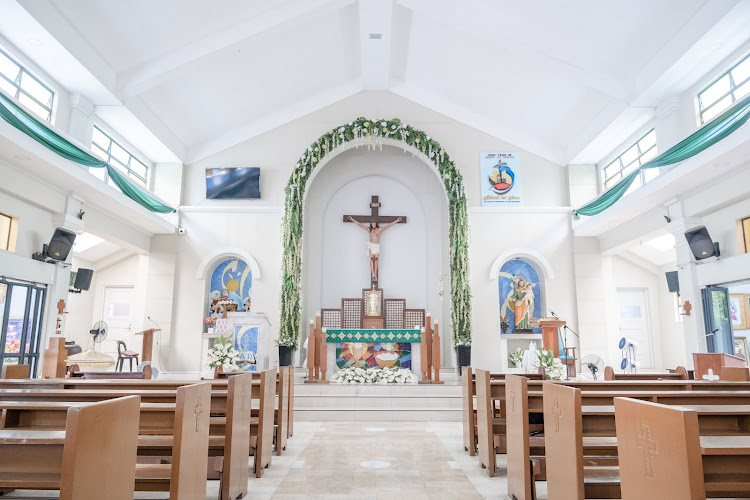
Nativity of Our Lady Parish Church - Industrial Valley, Marikina City (Diocese of Antipolo)
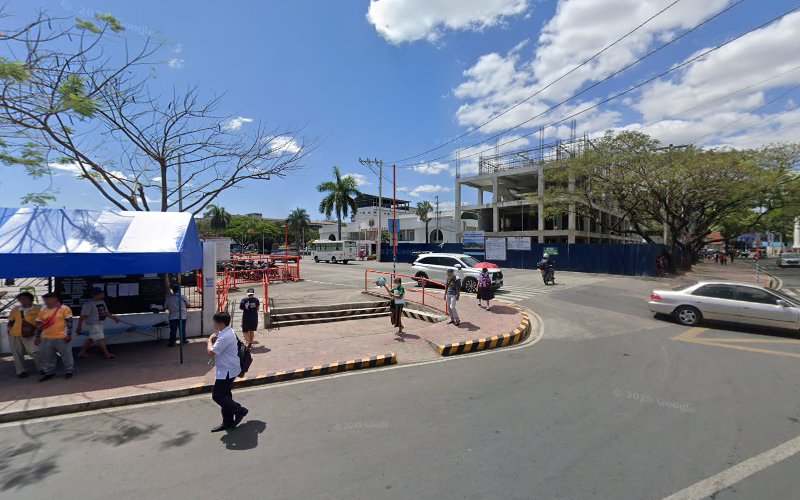
Marikina City Hall of Justice Mini Park
HomeMedix Physical Therapy, Caregiving & Nursing Services
Find Accommodations Nearby
Recommended Tours & Activities
Visitor Reviews
There are no reviews yet. Be the first one to write one.
Share Your Experience
Have you visited Torchman Statue? Help other travelers by leaving a review.